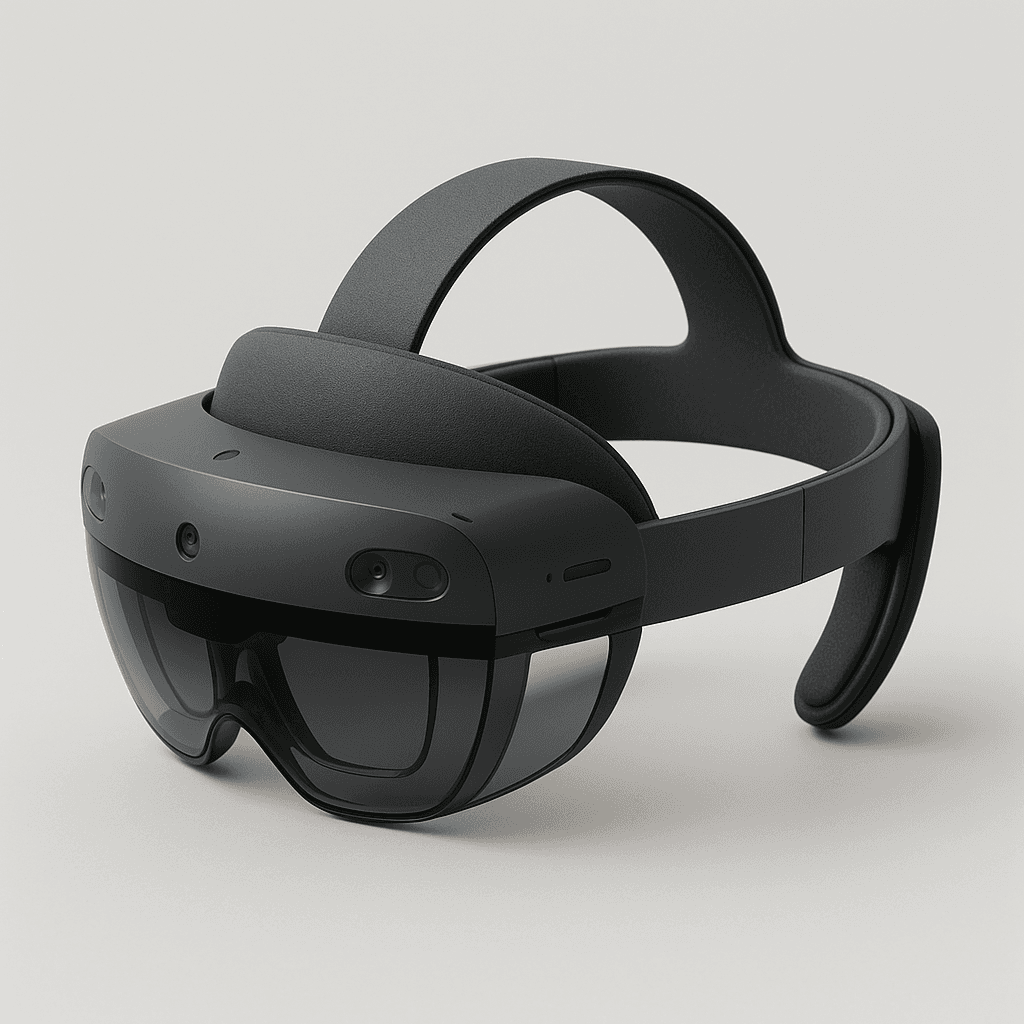
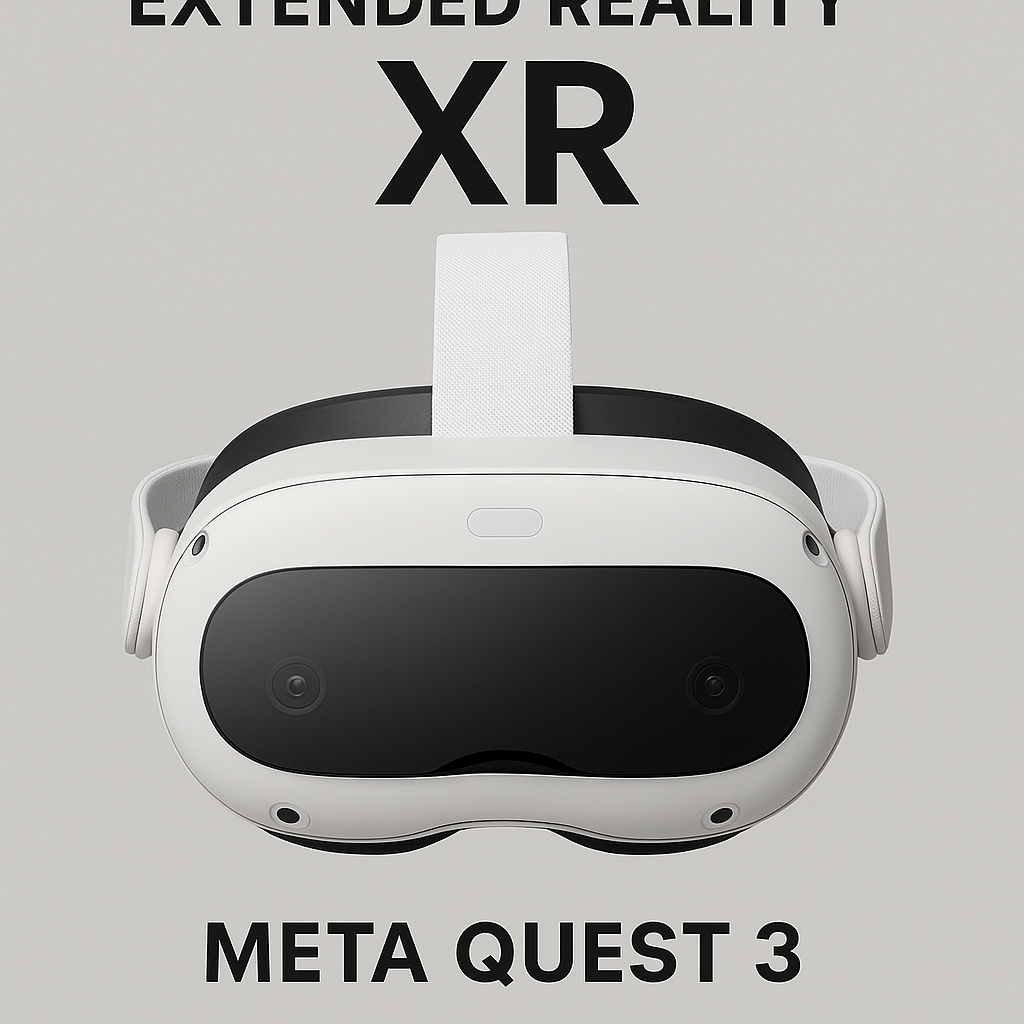
Extended Reality (XR) devices are rapidly transforming how we interact with the world, offering immersive digital experiences that merge the physical and virtual realms. One prime example is the Meta Quest 3, a device that pushes the boundaries of what is possible in today's technological landscape. XR devices, at their core, span the spectrum of augmented reality (AR), virtual reality (VR), and mixed reality (MR), blending real-life surroundings with digital content in seamless, interactive ways. This technology’s evolution highlights how closely the digital dimension is being integrated into our lives, allowing for richer human connections, innovative learning methods, and groundbreaking collaboration possibilities.
XR companies like Meta, Microsoft, and Magic Leap have been central to driving this technological shift. These companies, through dedicated research and development, are focusing on making XR devices more accessible, usable, and affordable. By investing in hardware and software ecosystems, they are not only reshaping industries such as entertainment and healthcare but also redefining how workspaces function in a hybrid or fully remote context. The competition and collaboration among leading XR companies fuel rapid innovation, bringing higher quality and more reliable devices into the mainstream, all while shaping the direction of digital transformation in societies worldwide.
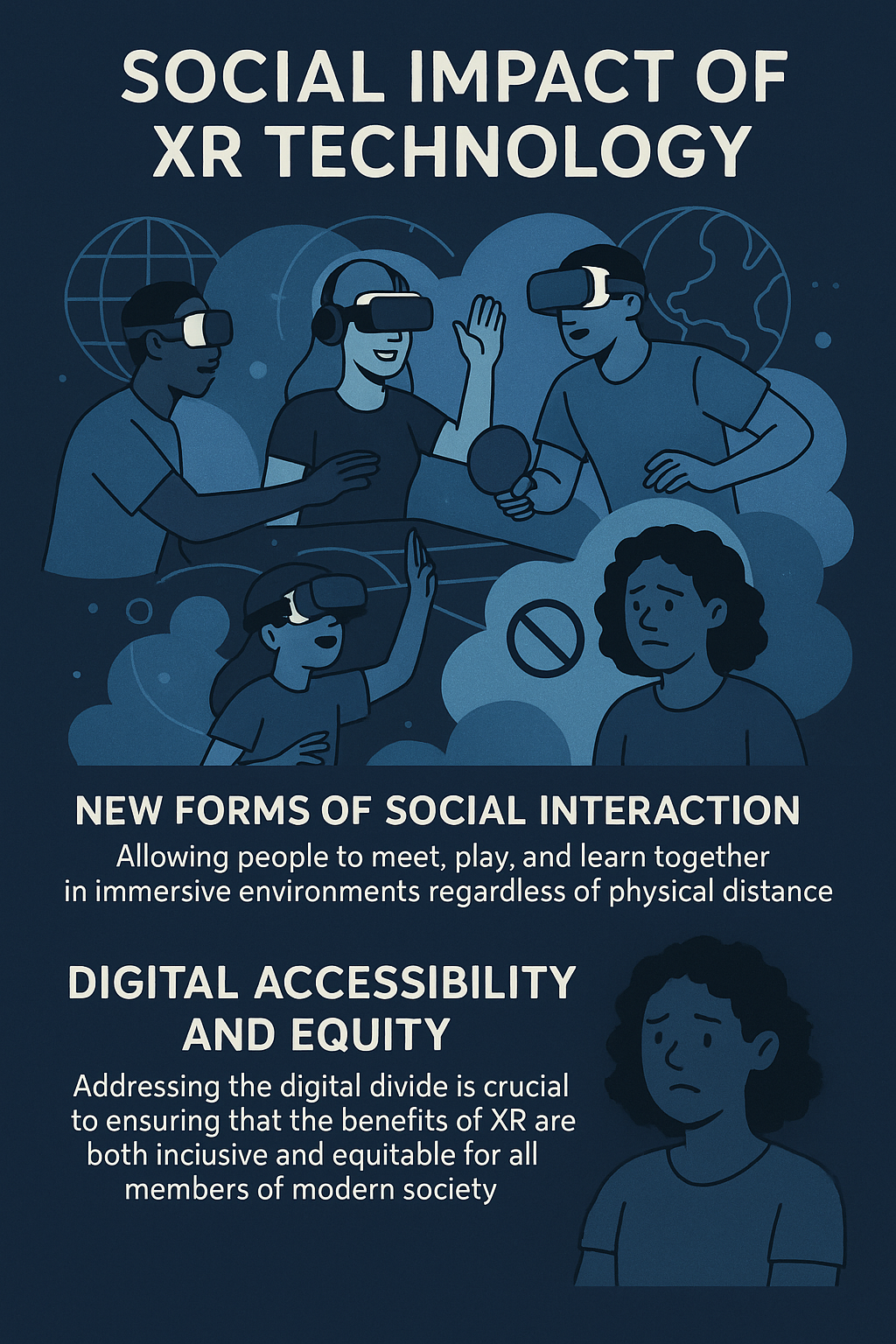
The social impact of XR technology is profound, especially as it continues to expand beyond niche circles and into mainstream culture. XR enables new forms of social interaction, allowing people to meet, play, and learn together in immersive environments regardless of physical distance. This breaking down of geographic barriers can foster deeper understanding and empathy between diverse groups, ultimately contributing to a more interconnected society. However, it also raises questions about digital accessibility and equity, as not everyone has the same level of access to advanced technologies. Addressing this digital divide is crucial to ensuring that the benefits of XR are both inclusive and equitable for all members of modern society.
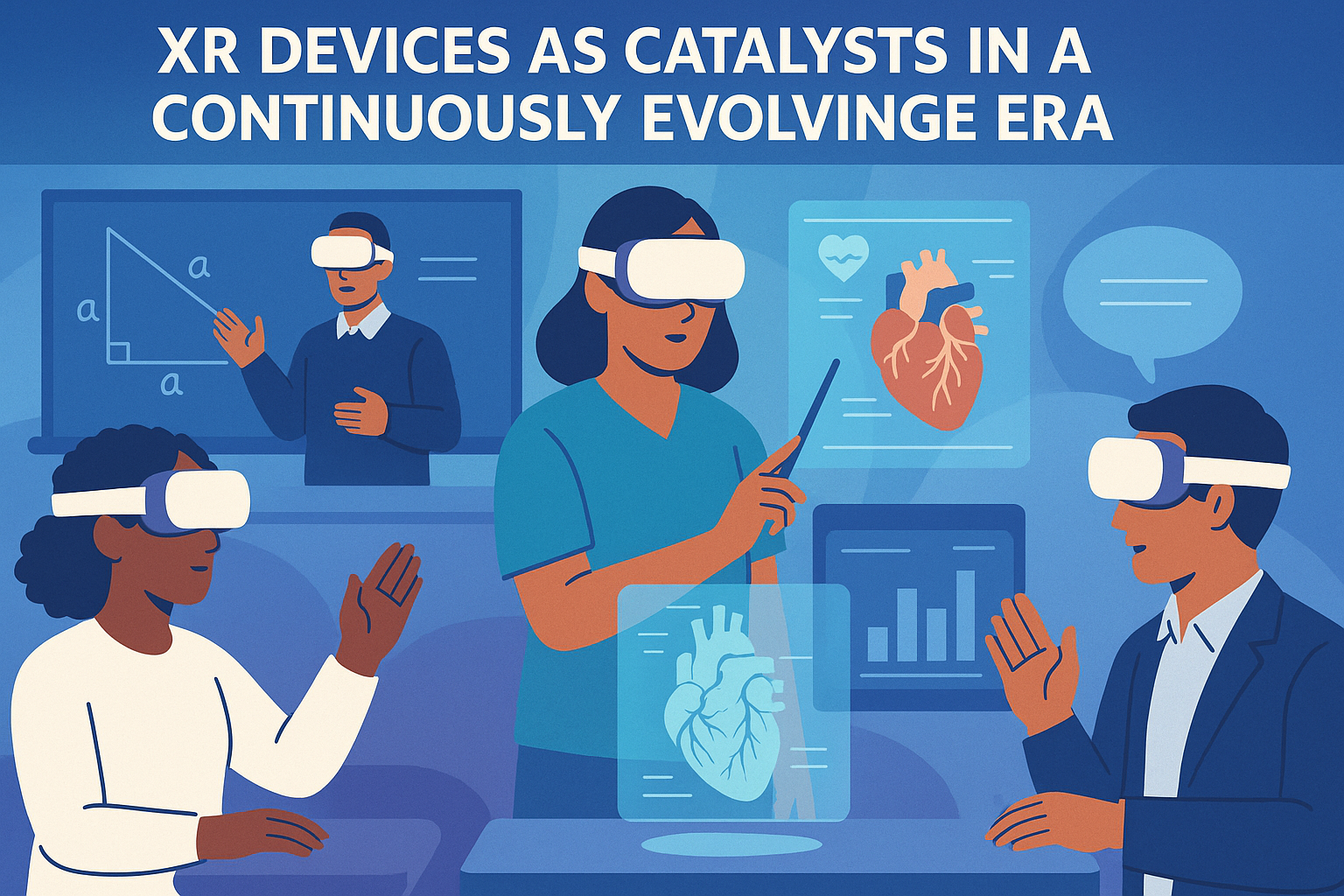
In the present continuous era—a time characterized by rapid, ongoing change—XR devices are acting as catalysts in both professional and personal spheres. Educational institutions are adopting XR for virtual classrooms and hands-on learning experiences, while healthcare providers use XR to train medical students and aid in complex surgeries. In the workplace, XR is enabling more intuitive remote collaboration, granting teams the ability to share ideas in ways that transcend traditional video calls. Each of these developments underscores the ever-evolving nature of XR, emphasizing a present that is dynamic and a future that’s full of potential.
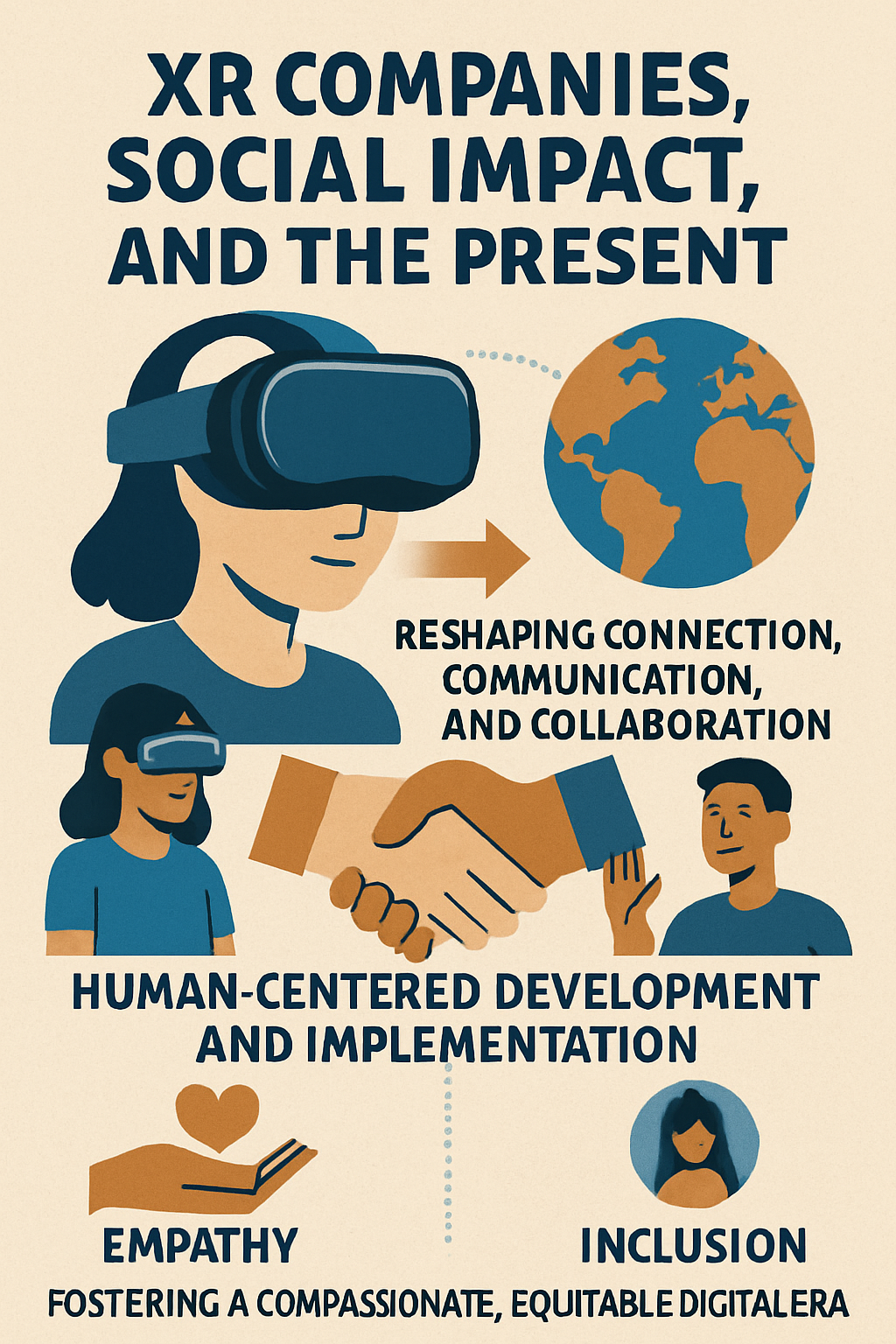
As we look ahead, the connection between XR companies, social impact, and our continuously unfolding present becomes clear. With every update and innovation, XR devices are not just reshaping entertainment or enterprise—they are redefining the very fabric of how humans connect, communicate, and collaborate. This calls for a measured, human-centered approach to development and implementation, ensuring that empathy and inclusion remain at the core. By thoughtfully navigating this technological frontier, modern societies can harness the power of XR to foster a digital era that is not just advanced, but compassionate and equitable for everyone.