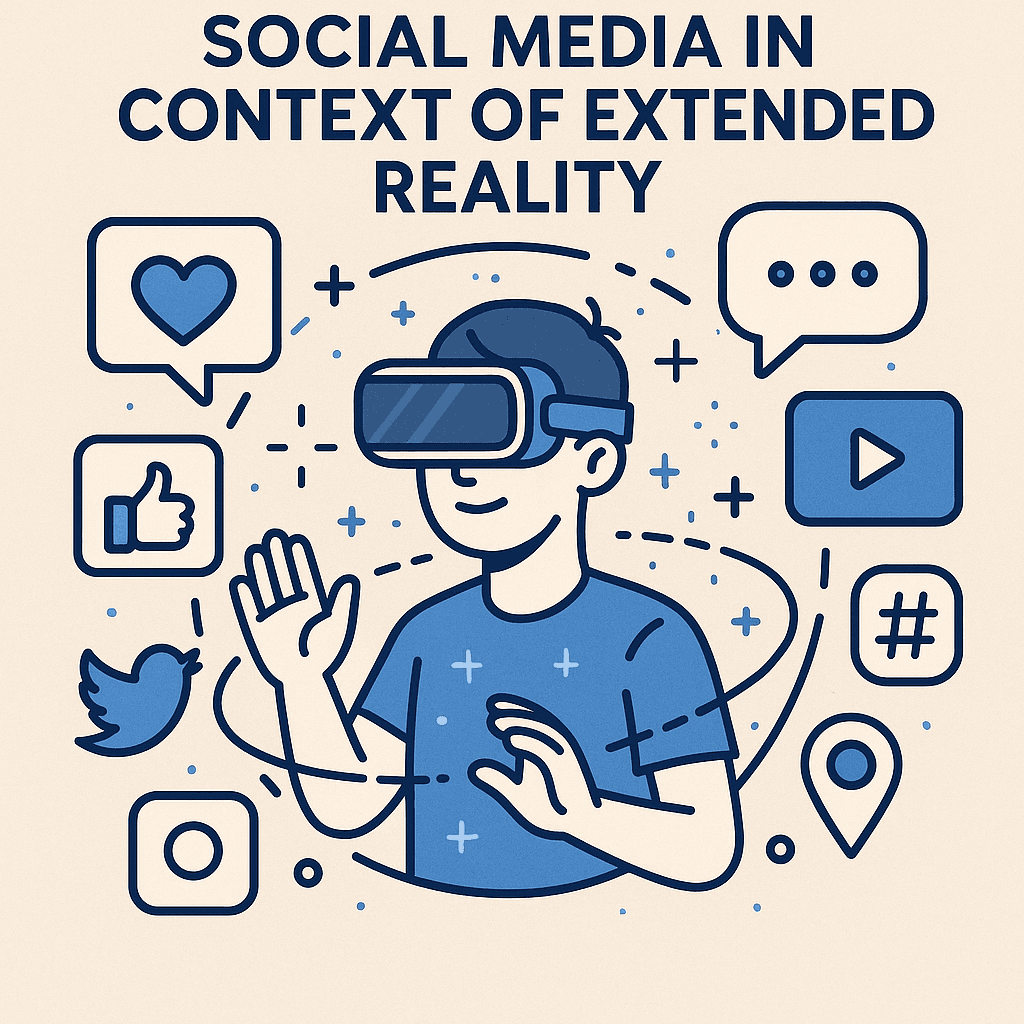

The rise of Extended Reality (XR), encompassing virtual reality (VR), augmented reality (AR), and mixed reality (MR), has revolutionized the foundations of social media, moving far beyond the limitations of text, images, and 2D video streams. These immersive platforms enable users to transcend geographical boundaries, allowing for enriched human-to-human interactions and collaborative experiences. In the modern era, where remote communication is both a necessity and a norm, XR-powered social media facilitates real-time, lifelike engagement—fostering deeper connections among friends, families, and colleagues. This technological leap not only enhances how we perceive one another but also redefines the very fabric of digital community-building in an age often criticized for emotional detachment due to technology.
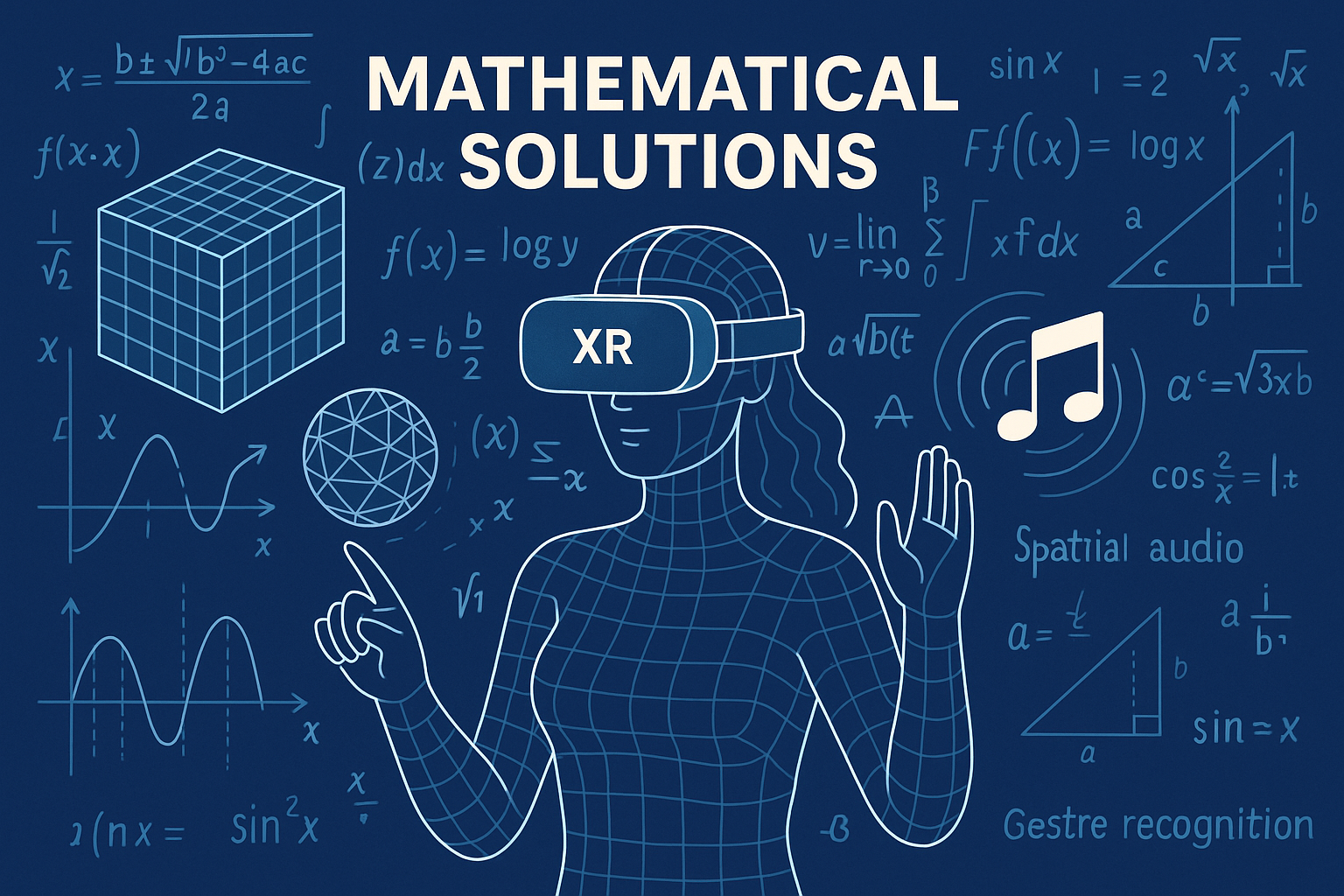
One of the significant implications of XR-based social media lies within the domain of mathematical solutions, particularly in how algorithms generate and sustain immersive environments. The mathematical computation behind 3D modeling, spatial audio, and gesture recognition has reached unprecedented complexity. These advancements allow for seamless blending of virtual elements with the real world, offering users a sense of presence and realism previously impossible. Moreover, big data analytics, powered by sophisticated mathematical models, allow platforms to personalize social experiences, making interactions more meaningful and contextually relevant. As society increasingly demands tailored digital environments, the underlying mathematical intricacies serve as the silent architects of our immersive digital landscapes.
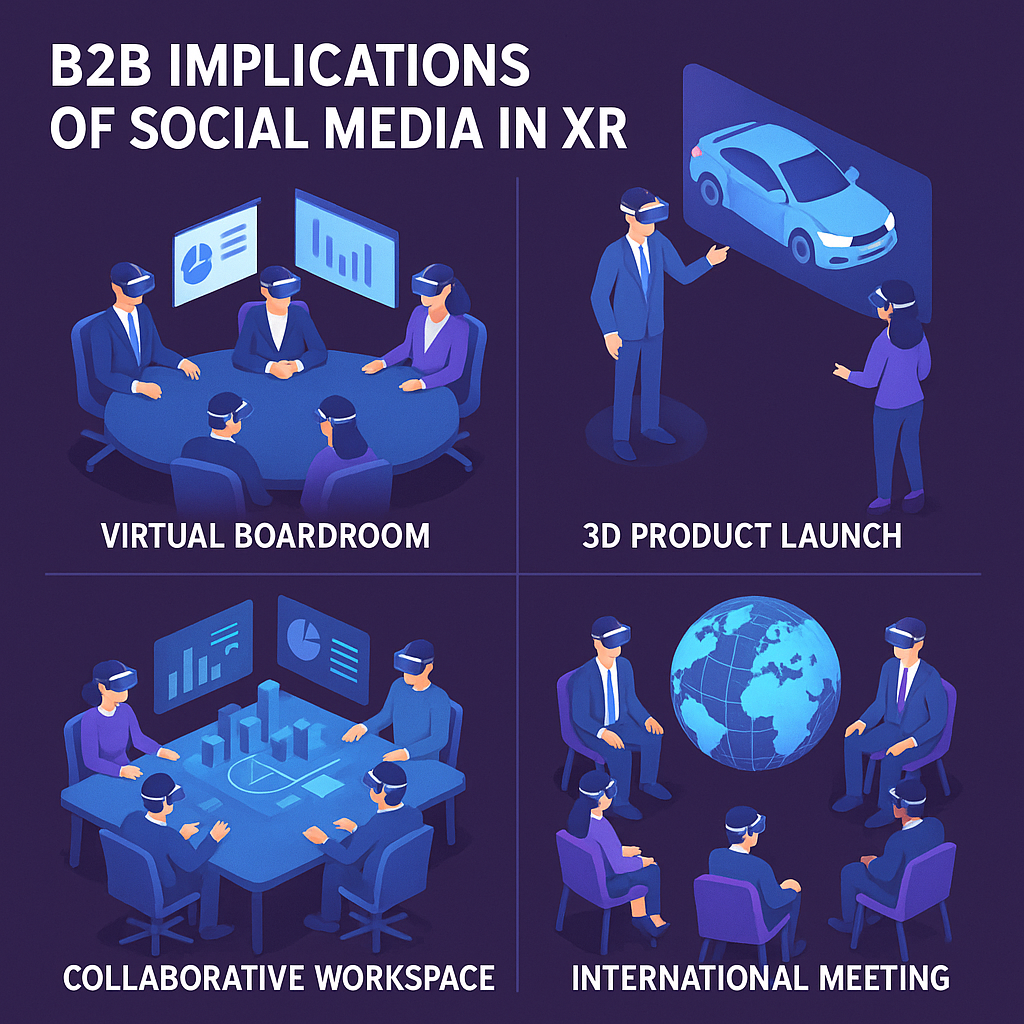
The business-to-business (B2B) implications of social media in XR are profound, especially as industries seek more dynamic avenues for collaboration and communication. XR introduces virtual boardrooms, 3D product launches, and collaborative workspaces, offering corporations scalable solutions unrestricted by physical location. This paradigm shift means companies can host international meetings, design sessions, and training modules, all within customizable virtual environments that mirror or even enhance the efficacy of real-life encounters. The ripple effect for modern businesses is substantial—a reduction in travel costs, accelerated innovation, and the creation of a truly global workforce where meaningful engagement is no longer bound by traditional logistical barriers.
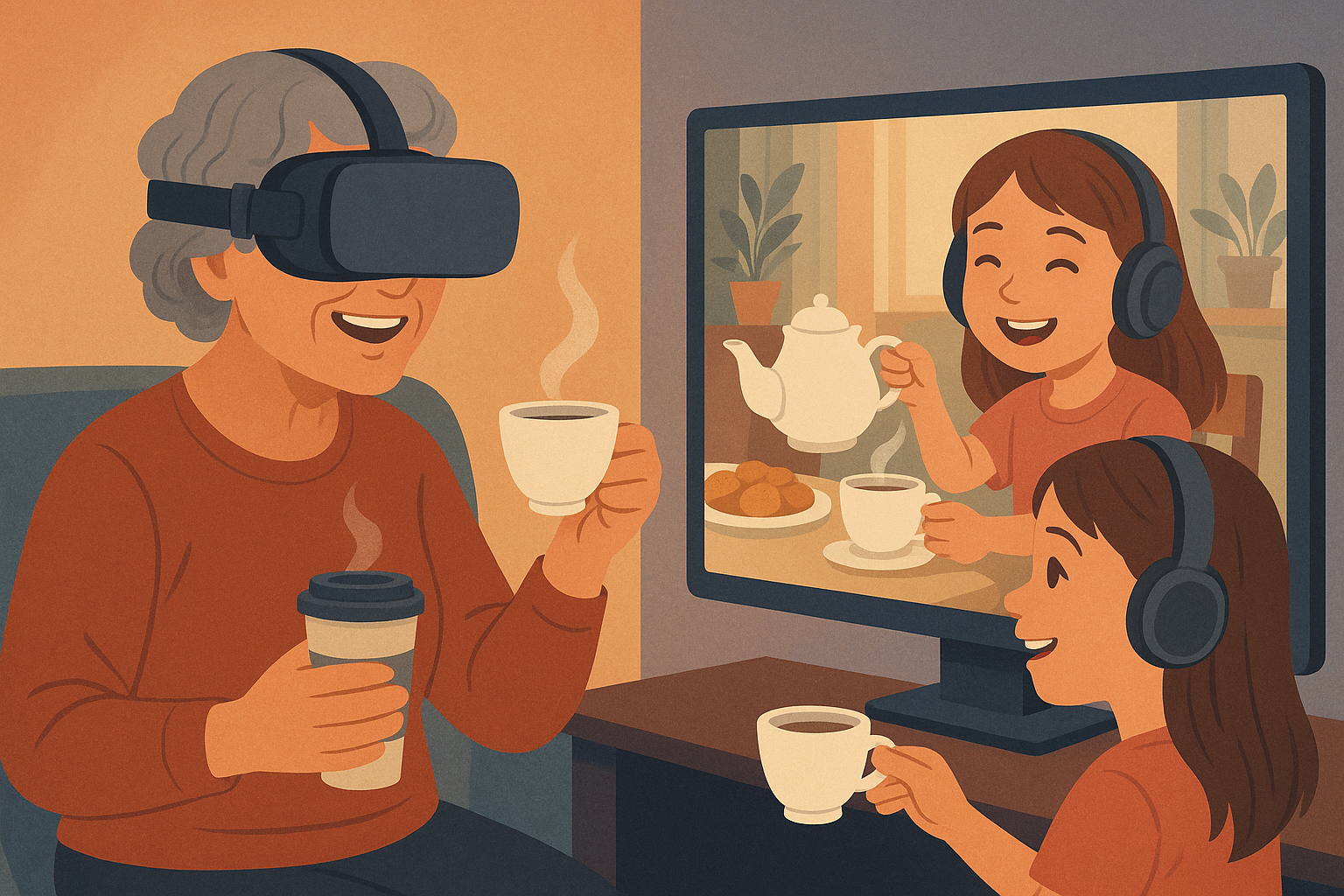
In examining family-oriented implications, XR-driven social media provides new dimensions for maintaining relationships across distances. Grandparents can share virtual tea parties with grandchildren oceans away, and families separated by work or circumstances can attend virtual reunions where avatars mimic real expressions and gestures. These immersive encounters offer emotional comfort and create shared memories, combating the sense of isolation inherent in modern life. However, mindful integration is crucial; as we usher in these technologies, ensuring accessibility and educating users on digital well-being will safeguard against feelings of alienation, especially among children and elderly users who may struggle with rapidly evolving interfaces.
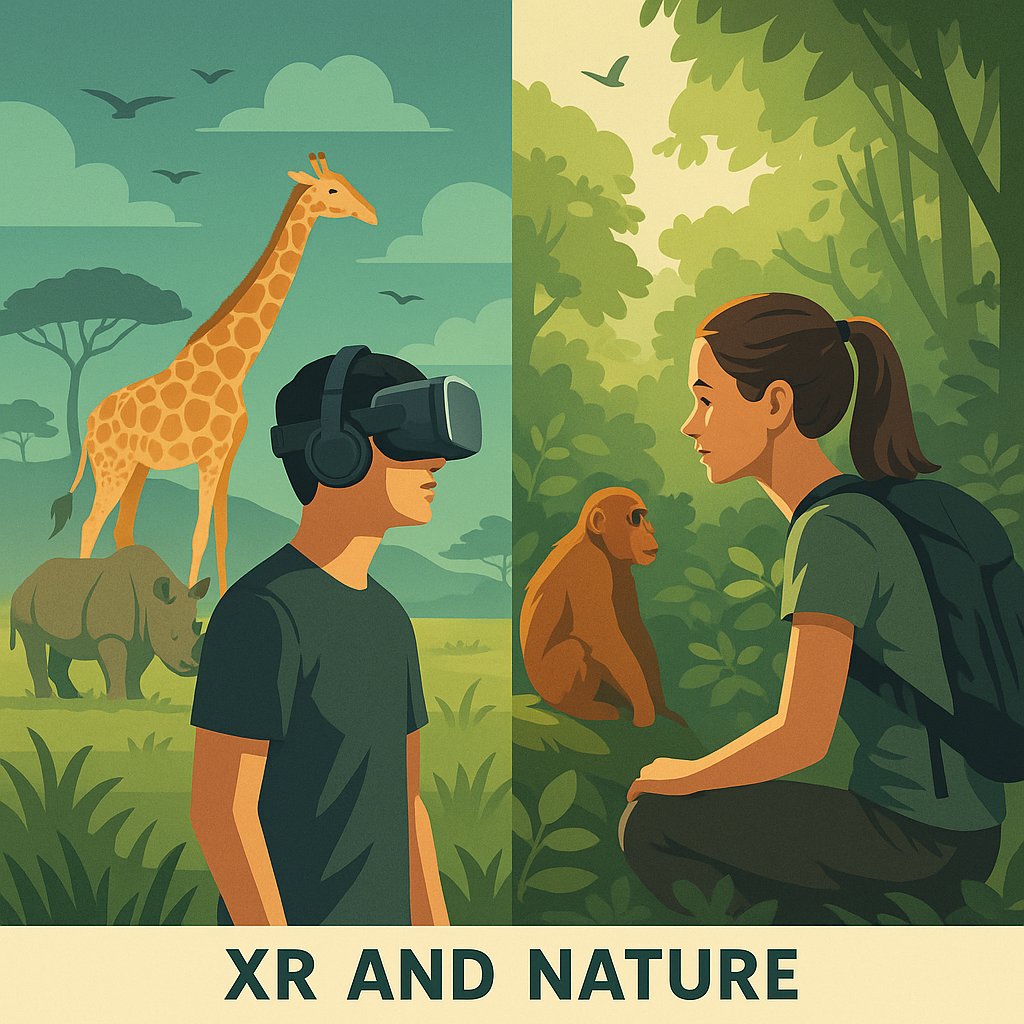
Beyond human communities, the widespread adoption of XR and its integration into social platforms bears implications for wildlife and the natural world. XR’s ability to simulate outdoor experiences can both diminish and inspire our relationship with nature. On one hand, virtual safaris and nature walks can foster empathy for endangered species and raise awareness about conservation efforts without physically disturbing habitats. On the other, overreliance on digital nature could inadvertently reduce public advocacy for real-world environmental stewardship. Thus, the challenge for modern societies is to balance immersive XR experiences with genuine efforts to preserve and engage with the physical environment, ensuring that digital progress does not come at the expense of the world’s ecological health.