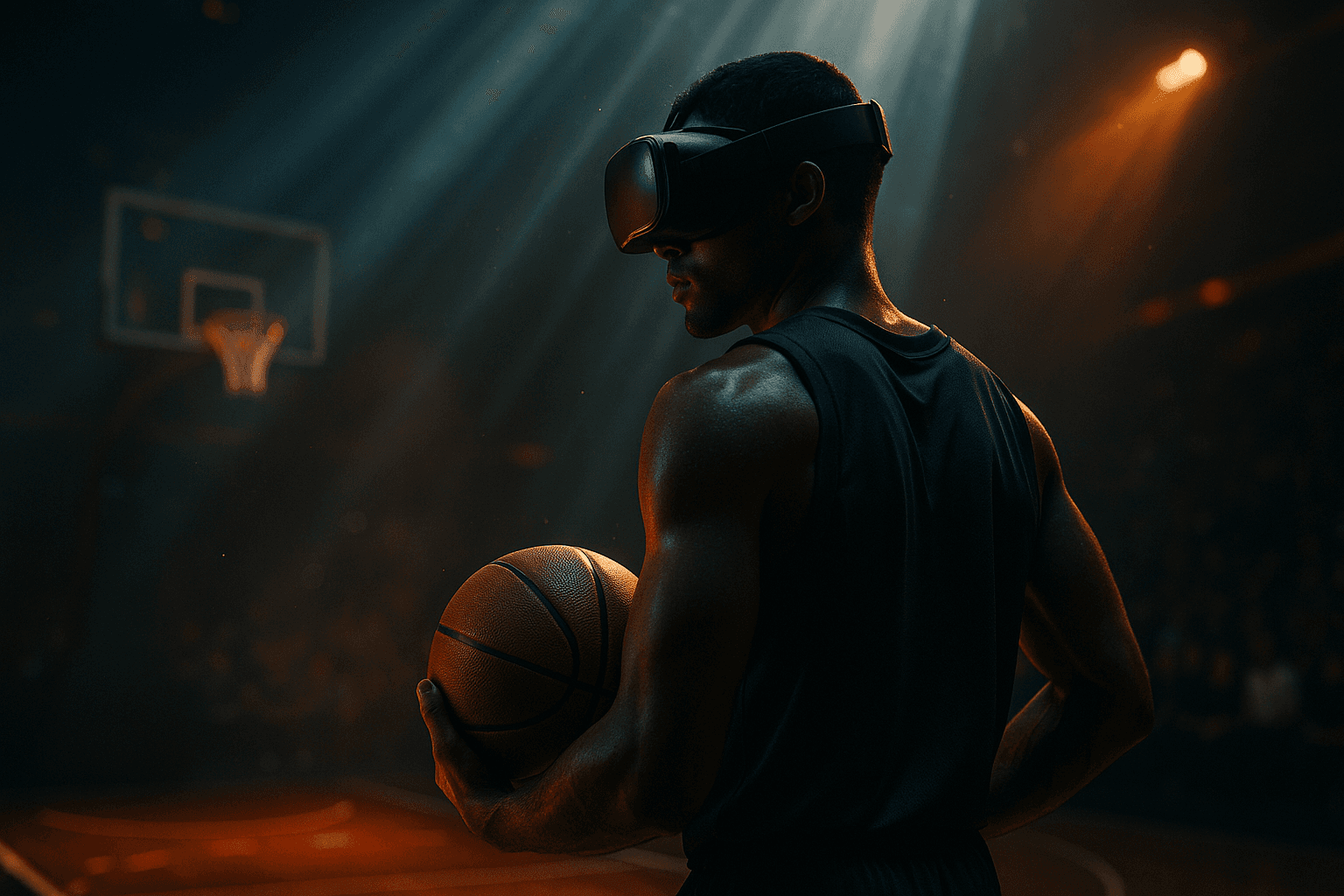
Imagine sitting courtside at an NBA game, not from your living room couch, but through an immersive virtual lens that lets you pivot views, analyze player movements in real-time, and even step into the action—all powered by cutting-edge extended reality (XR) tech. This isn't science fiction; it's the burgeoning reality being pioneered by innovative startups in 2026. Take Peripheral Labs, a Toronto-based studio that just secured $3.6 million in seed funding to revolutionize sports broadcasting with AI-driven neural rendering. Drawing from self-driving car sensors, their platform creates near-real-time 3D volumetric renderings of live footage, enabling personalized, immersive experiences for fans, coaches, and analysts alike. Founded with a focus on spatial intelligence, Peripheral Labs has partnered with the NBA's Launchpad program and attracted investors like Khosla Ventures, signaling strong belief in XR's potential to bridge physical and digital sports worlds (details on funding). This milestone highlights a broader trend: XR is reshaping sports entertainment by enhancing accessibility, engagement, and even training methodologies. But what does this mean for fans, athletes, and the industry at large? In this post, we'll dive into the technology behind it, explore adoption barriers, discuss ethical implications, and ponder future pathways. From boosting empathy through virtual crowd experiences to addressing data privacy concerns, XR's integration into sports promises a dynamic evolution—backed by data from recent market reports (PitchBook profile). Join us as we unpack how these innovations could redefine 'being there' in the age of immersive tech.
Table of Contents
The Rise of XR in Sports
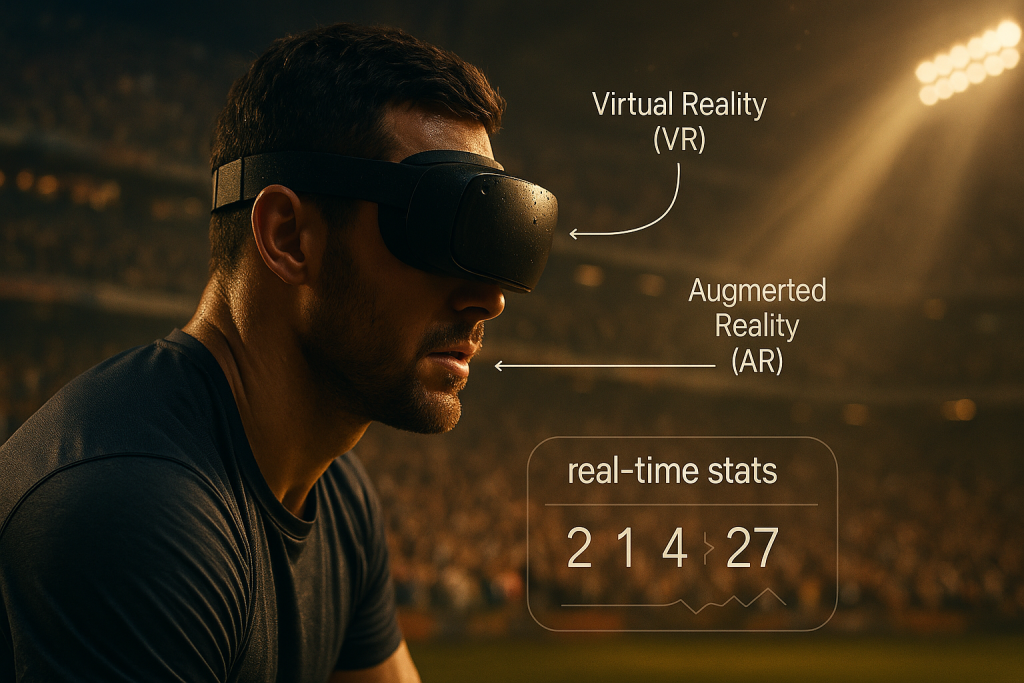
Extended reality technologies, encompassing VR, AR, and MR, have been steadily infiltrating the sports sector, transforming passive viewing into interactive spectacles. In 2026, with market projections estimating the XR industry to reach $100 billion by 2030, sports entertainment stands as a prime beneficiary. Startups like Peripheral Labs are at the forefront, leveraging AI to create volumetric videos that allow fans to experience games from multiple angles. This shift not only democratizes access—think global audiences 'attending' events virtually—but also enhances training simulations for athletes. For instance, AR overlays can provide real-time stats during broadcasts, making games more informative and engaging. However, this rise isn't without precedents; early adopters like the NBA have experimented with VR streaming since 2016, evolving into today's sophisticated platforms.
Yet, the true innovation lies in human-scale impacts: XR fosters empathy by simulating crowd energies, potentially reducing isolation for remote fans. Data from reports indicates a 25% increase in viewer retention when immersive elements are added (SportsPro insights). What if every fan could feel the thrill of a stadium roar through haptic feedback? Such advancements underscore XR's role in bridging geographical divides, making sports a truly universal language.
Peripheral Labs' Innovation Breakdown
At the heart of Peripheral Labs' technology is an AI-driven platform that repurposes self-driving car sensors for sports applications. By capturing live footage and rendering it into 3D models in near real-time, the studio enables features like personalized replays where users can 'fly' around athletes or zoom into key moments. This volumetric approach goes beyond traditional 2D broadcasts, offering biomechanical analysis tools for coaches—imagine dissecting a player's jump shot from every conceivable angle. The recent $3.6M funding round, led by Khosla Ventures, will accelerate development, with partnerships like the NBA Launchpad providing real-world testing grounds (Sports Business Journal).
Key stats highlight the potential: Processing times reduced to under 5 seconds per frame, enabling live immersion. Quotes from founders emphasize accessibility: "We're bringing the game to the fans, not the other way around." This innovation addresses pain points in sports entertainment, such as limited camera perspectives, by creating a spatial computing ecosystem that's both scalable and user-friendly.
| Feature | Description | Impact |
|---|---|---|
| 3D Rendering | Near-real-time volumetric video | Personalized viewing angles |
| AI Analysis | Biomechanical insights | Enhanced coaching tools |
| Haptic Integration | Future sensory feedback | Increased immersion |
Broader Implications for Sports Entertainment
Peripheral Labs' milestone illuminates how XR is reshaping the economy of sports, from monetizing virtual tickets to creating new revenue streams via in-game AR ads. Economically, this could boost industry valuations, with XR sports projected to add $10 billion in value by 2030. Socially, it promotes inclusivity—visually impaired fans, like those aided by similar tech from GiveVision, can engage more fully. Yet, it also raises questions: Will XR fragment audiences between physical and virtual attendees?
From a multi-perspective view, broadcasters gain dynamic content, while athletes benefit from data-driven training. Hypothetically, XR could simulate high-stakes scenarios, building resilience. However, edge cases like motion sickness in VR sessions highlight the need for user-centric design. Overall, these implications point to a hybrid future where XR enhances, rather than replaces, traditional sports experiences.
Challenges and Ethical Considerations
Despite the excitement, XR adoption in sports faces barriers like high development costs and technical infrastructure needs. For indie studios, ecosystem fragmentation—varying hardware standards—poses challenges, often favoring giants. Ethically, data privacy is paramount; volumetric captures could inadvertently expose personal information, necessitating robust regulations.
Balancing pros and cons, while XR boosts engagement, it risks widening digital divides for those without access. Rhetorically, should immersive tech prioritize entertainment over equity? Actions include advocating for open-source XR tools to democratize innovation, ensuring ethical AI use in sports analytics.
"Innovation must serve all fans, not just the tech-savvy." – Industry Expert
Future Pathways in XR Sports
Looking ahead, pathways involve integrating XR with emerging tech like 5G for seamless streaming and AI for predictive analytics. Studios like Peripheral Labs could lead in creating metaverse-style sports arenas, where fans co-create experiences. Potential actions: Invest in R&D for accessible hardware, foster partnerships between startups and leagues.
Envision a world where XR not only entertains but educates, using simulations for sports history lessons or empathy-building cultural exchanges. The trajectory suggests accelerated growth, with ethical frameworks guiding sustainable development.
Key Takeaways
- Peripheral Labs' $3.6M funding marks a key milestone in XR sports tech, enabling immersive 3D broadcasts.
- XR enhances fan engagement through personalized views and analytical tools, potentially adding billions to the sports economy.
- Adoption barriers include costs and fragmentation, but solutions lie in open-source initiatives.
- Ethical considerations like data privacy must be addressed to ensure inclusive innovation.
- Future XR sports could blend virtual and physical realms, fostering global connectivity.
- Support indie XR studios to drive creative breakthroughs in entertainment.
- Experiment with XR tools to experience the future of sports firsthand.
As we synthesize these insights, the 'so what' boils down to XR's power to humanize digital experiences, making sports more accessible and empathetic. What next? The industry must prioritize ethical innovation to avoid pitfalls like exclusion. For readers, gentle CTAs: Dive into XR demos via apps like those from Peripheral Labs, support emerging studios through investments or feedback, and experiment with AR filters during your next game watch. This isn't just about tech—it's about reimagining community and competition in an immersive era. By backing milestones like this, we contribute to a future where sports transcend screens, fostering deeper connections worldwide.
What are your thoughts? Comment below!
Generated by AI. Reviewed by Human.