How XR Tech Navigates Critical Mineral Risks
Imagine a world where the gadgets powering our daily lives— from smartphones to AI servers—suddenly become scarce due to geopolitical tariffs and supply chain disruptions. That's the reality unfolding in 2026 with critical minerals like rare earth elements facing new licensing hurdles and trade barriers. These essential components, vital for manufacturing everything from electric vehicles to advanced computing hardware, are caught in a web of international tensions, driving up costs and risking shortages. But what if immersive technologies could help us visualize and mitigate these challenges? Extended reality (XR) offers a pathway to simulate complex supply chains, foster global collaboration, and even train workers in virtual environments, turning abstract risks into tangible strategies. In this post, we'll explore how XR bridges the gap between these real-world pressures and innovative solutions, empowering you to engage more deeply with the digital tools already at your fingertips.
Table of Contents
Understanding the Crisis
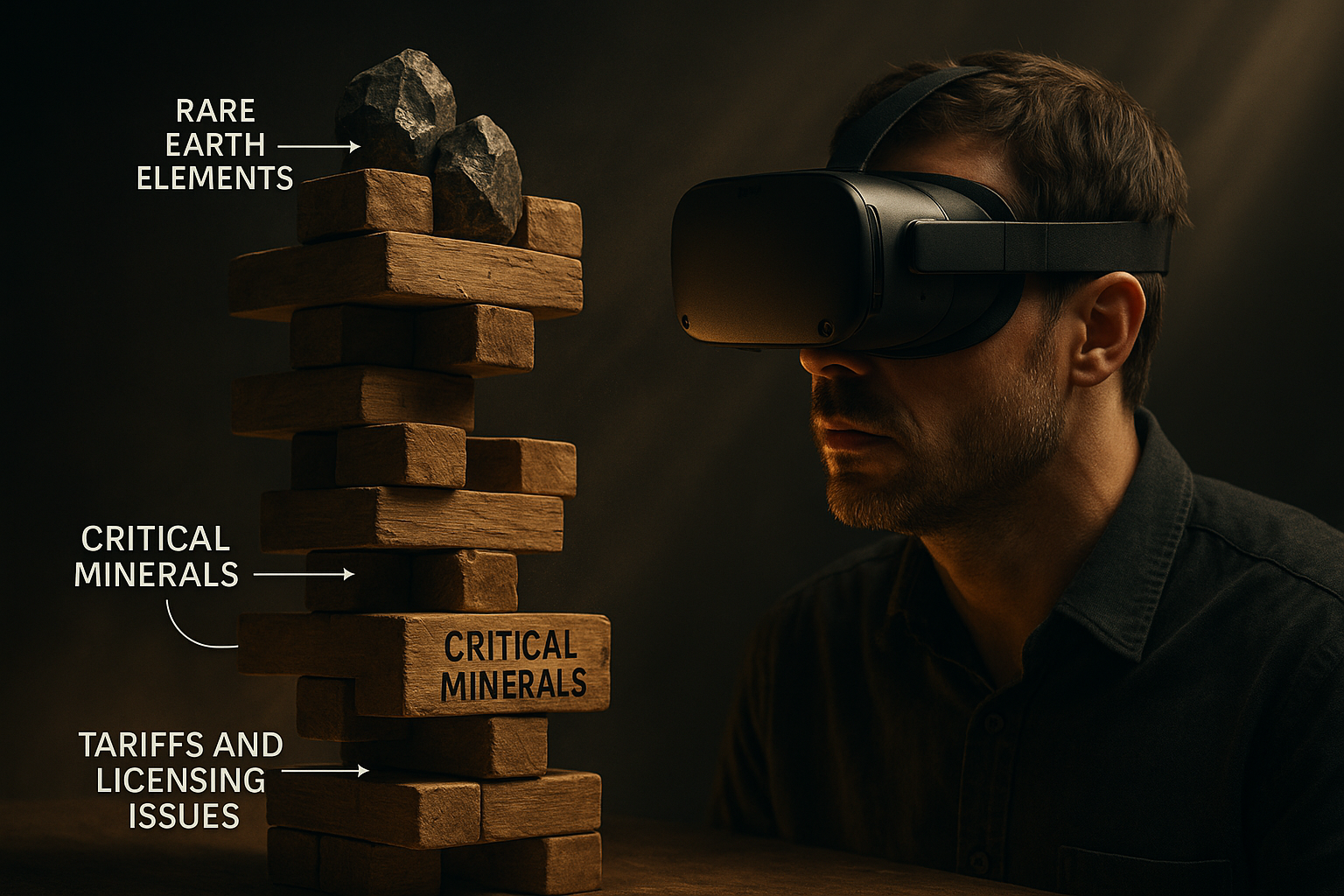
Critical minerals aren't just rocks; they're the building blocks of modern industry. With tariffs and licensing issues escalating in 2026, supply chains for manufacturing are under unprecedented strain. Think of it as a global game of Jenga, where pulling one block—like restricted access to rare earths—could topple entire sectors.
These elements power everything from batteries to semiconductors, and disruptions mean higher costs for consumers and businesses alike. Geopolitical tensions amplify the uncertainty, forcing companies to rethink sourcing strategies overnight.
Yet, this isn't just a distant headline; it affects everyday tech we rely on, highlighting the fragility of our interconnected world.
AI Demand Fuels the Fire
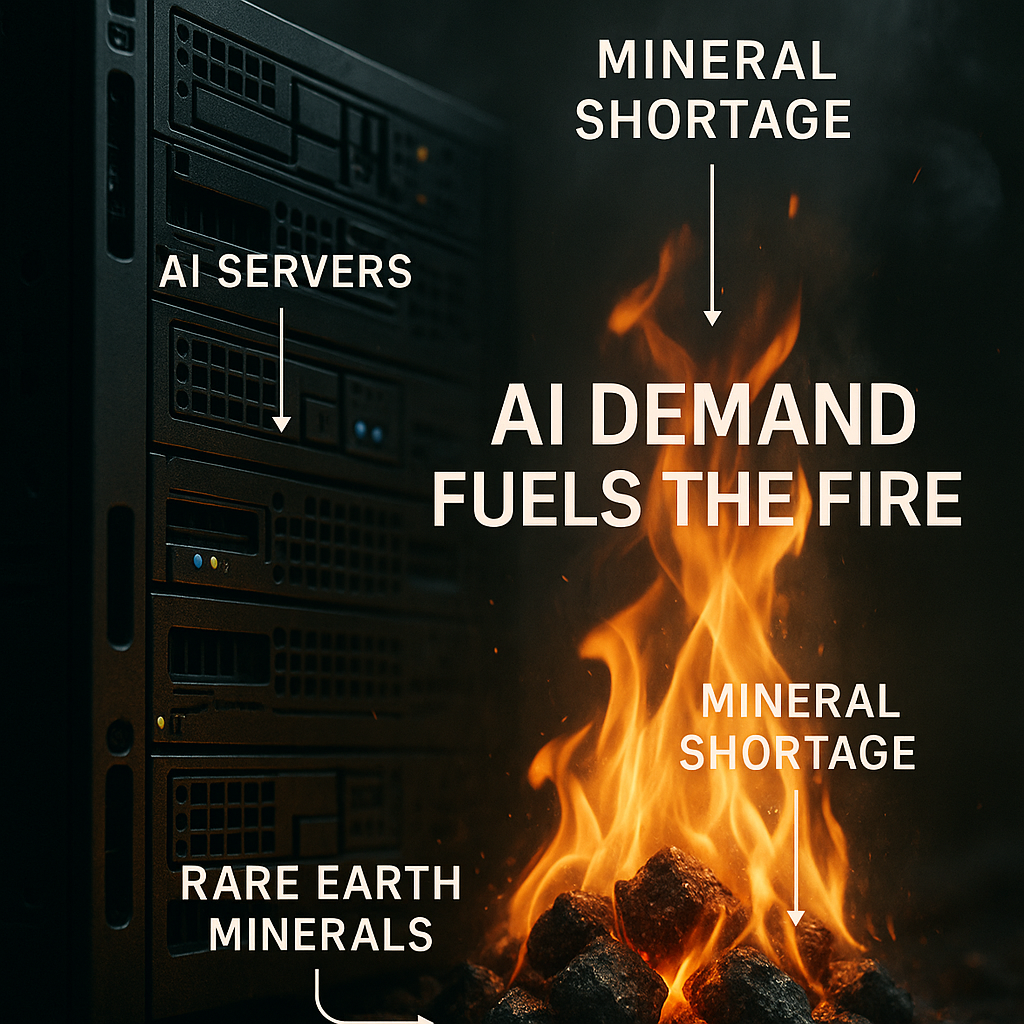
The surge in AI investments is pouring gasoline on the mineral shortage flames. Tech giants are slated to pour $650 billion into AI infrastructure in 2026, reshaping markets and straining supply chains for critical components like those in servers and chips.
Take Dell's forecast: doubling AI server revenue to $50 billion by 2027, amid rising memory costs that echo broader supply issues. This boom demands more rare earths for manufacturing, creating a feedback loop of demand and disruption.
Even breakthroughs like AlphaFold's AI-driven protein predictions hint at how computational power, reliant on these minerals, accelerates innovation in biotech manufacturing—yet at what cost to global resources?
XR as a Strategic Tool
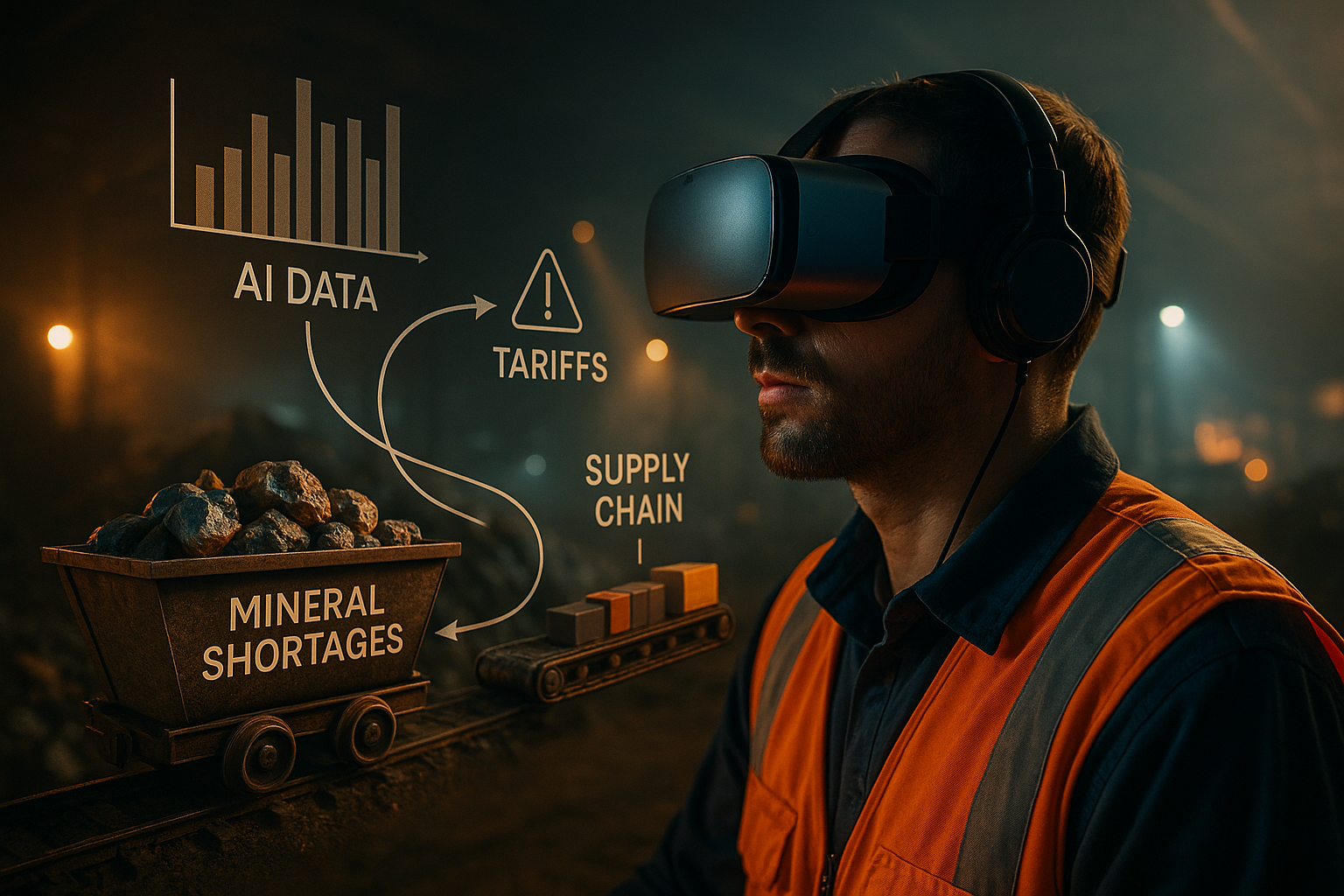
Enter extended reality, where virtual simulations let us model supply chain scenarios without real-world risks. Picture donning a headset to "walk" through a virtual mine or factory, identifying bottlenecks caused by tariffs before they hit production lines.
XR tools enable precise training for workers, rehearsing responses to disruptions in immersive environments that mimic geopolitical shifts. This isn't sci-fi; it's a practical way to build resilience in manufacturing.
By integrating AI data into XR platforms, companies can predict and visualize mineral shortages, turning data overload into actionable insights.
Immersive Collaboration for Solutions
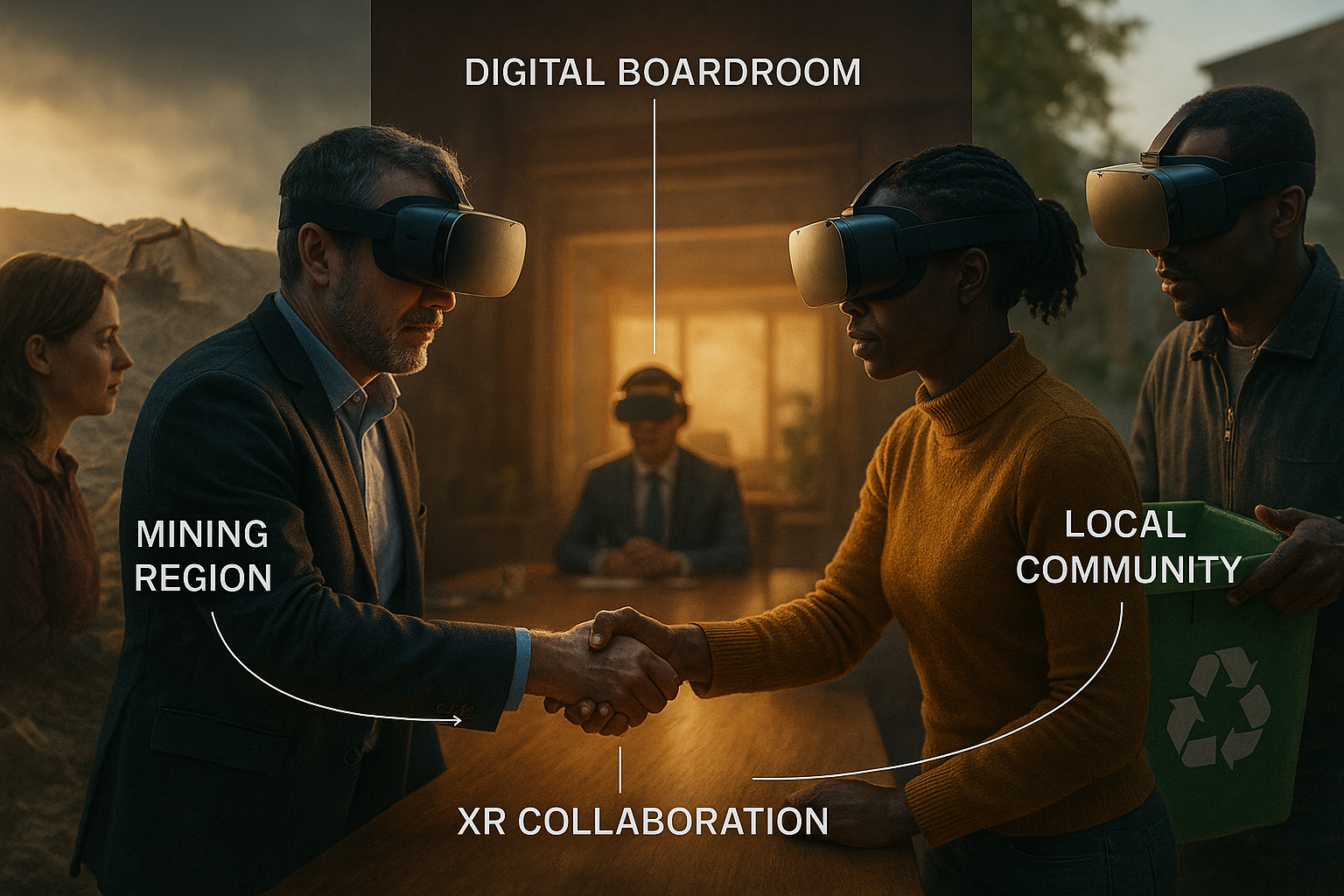
XR fosters empathy by letting stakeholders from different countries collaborate in shared virtual spaces, bridging divides caused by trade barriers. Imagine negotiating supply agreements in a digital boardroom that feels as real as face-to-face.
These experiences build understanding of environmental pressures in mining regions, encouraging sustainable practices through simulated impacts. It's about humanizing the data, making abstract tensions feel personal and solvable.
Communities can use XR to explore local contributions, like recycling programs or alternative materials research, turning global issues into neighborhood actions.
Practical Steps Forward
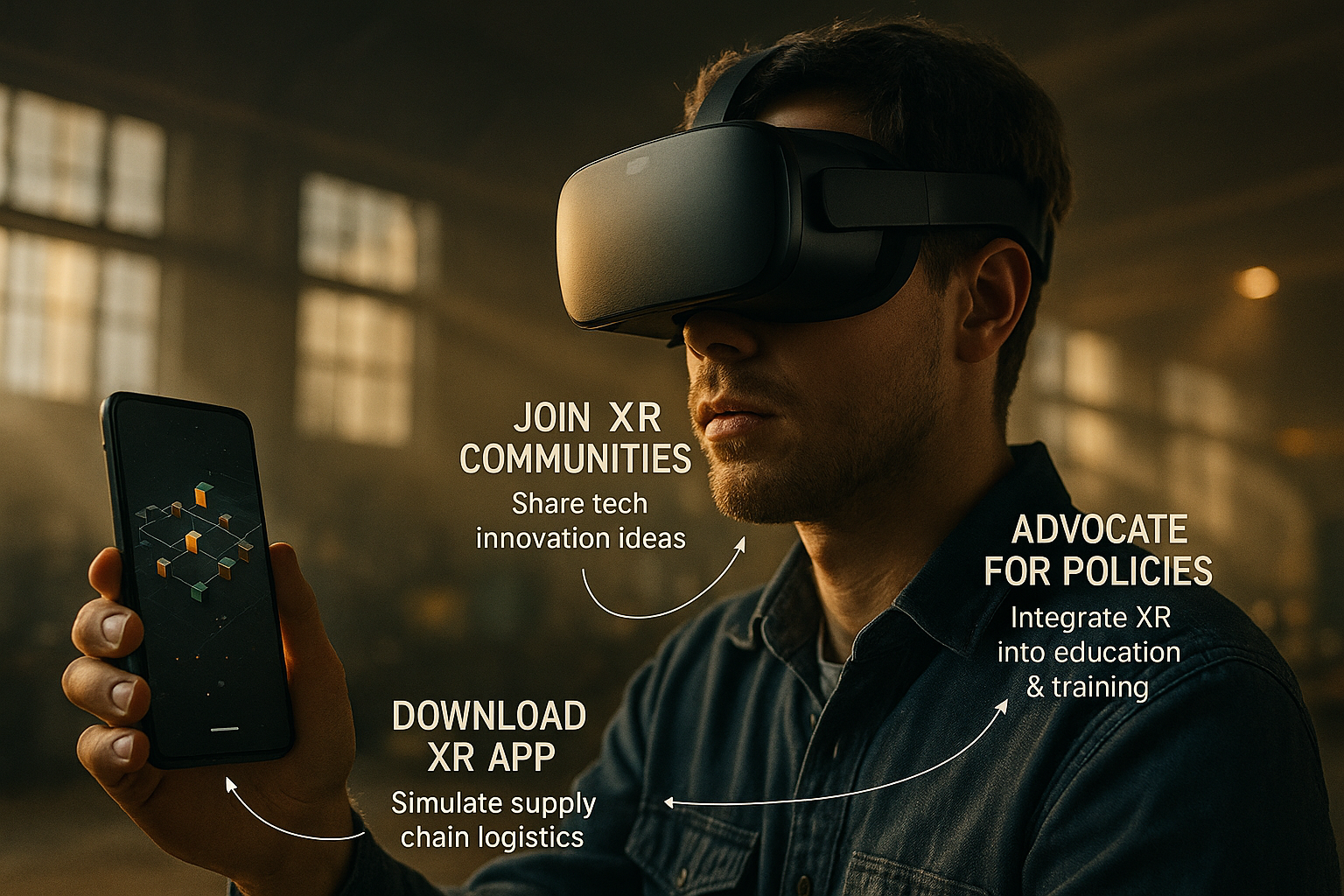
Start small: Download a free XR app to simulate basic supply chain logistics and see the mineral connections firsthand.
Join online XR communities focused on tech innovation, sharing ideas on how immersive tools address manufacturing challenges.
Advocate for policies that integrate XR into education and industry training, preparing the next generation for a resource-conscious world.
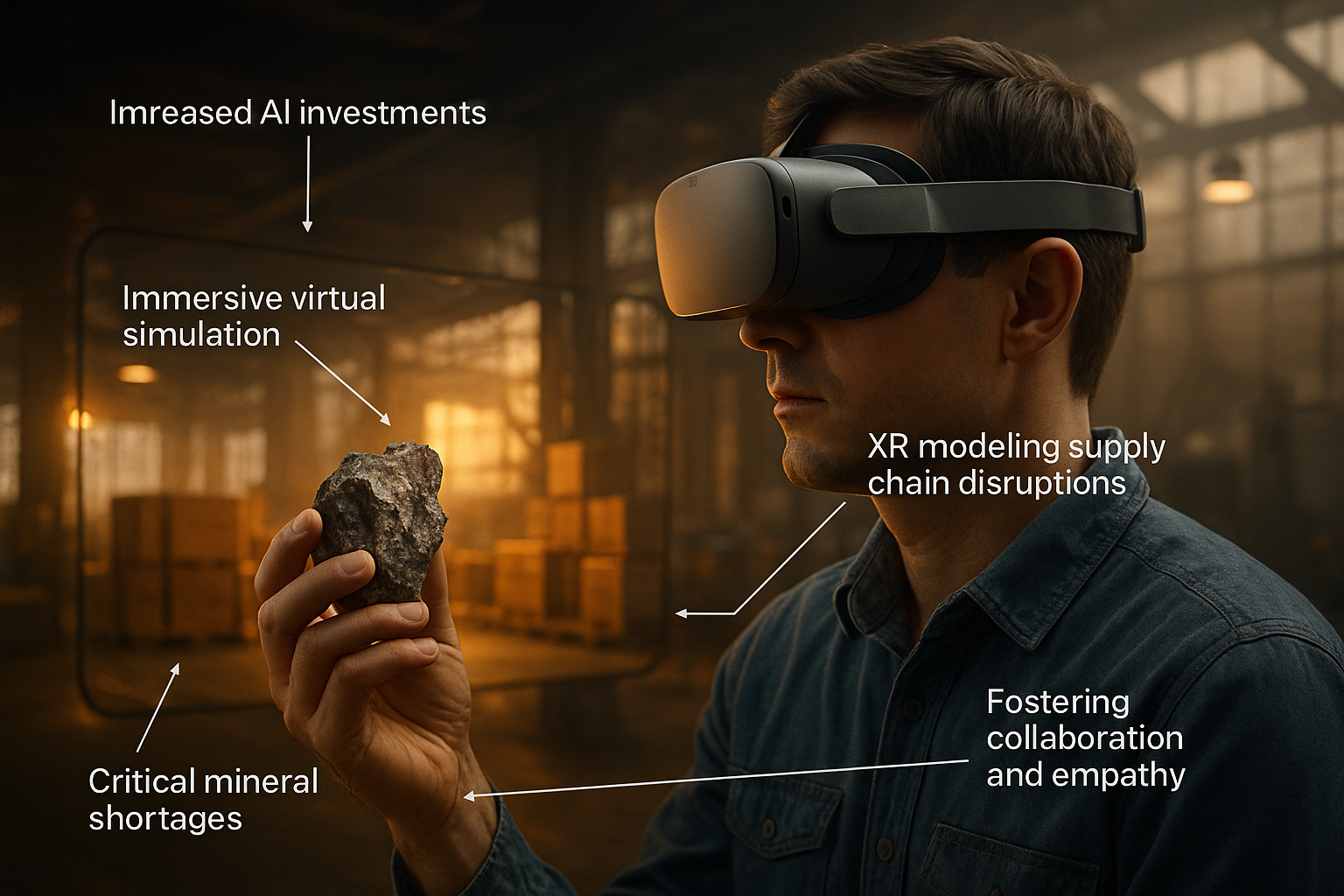
As we grapple with the ripples of critical mineral uncertainties, XR emerges not just as a tool, but as a lens for clearer vision and collective action. By connecting the dots between global events and personal agency, it invites us to step beyond passive consumption into active participation. Whether you're in tech, manufacturing, or simply curious about our digital future, embracing XR can transform how we respond to these challenges—fostering innovation that's both humane and effective. What's your first step? Share in the comments below, subscribe for more insights, or pass this along to spark a conversation in your network.
- Critical mineral shortages are driven by 2026 tariffs and geopolitical risks, impacting global manufacturing.
- AI investments, like the $650B from tech giants, intensify demand for these scarce resources.
- XR enables virtual simulations to model and mitigate supply chain disruptions effectively.
- Immersive tech promotes collaboration and empathy across borders for sustainable solutions.
- Actionable steps include exploring XR apps and joining communities to bridge digital curiosity with real-world impact.
- Ultimately, XR empowers individuals to navigate complexity and contribute to resilient ecosystems.
Generated by AI. Reviewed by Human.