
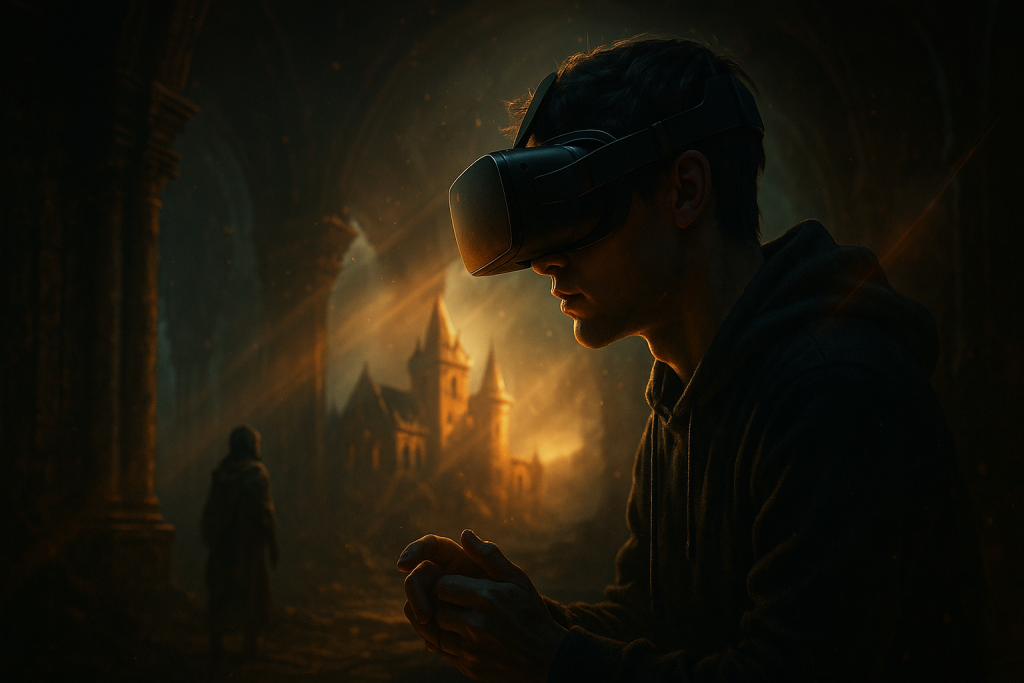
Juego Studios: Shaping XR for Learning and Leisure in 2026
Imagine stepping into a virtual world where history lessons come alive, or unwinding after a long day by exploring immersive fantasy realms—all powered by cutting-edge extended reality (XR) technologies. As we navigate 2026, the fusion of virtual reality (VR), augmented reality (AR), and mixed reality (MR) is transforming how Americans engage in leisure and education. A standout development this year is the recognition of Juego Studios as a top Unreal Engine game development company, highlighting their expertise in creating high-fidelity immersive experiences. Founded in 2013, with over 200 projects delivered and clients like Disney and Sony, Juego Studios excels in VR/AR simulations that optimize performance across platforms, as detailed in their Unreal Engine services overview. This milestone underscores the studio's role in driving XR innovation, from metaverse environments like Nickverse to spatial interaction systems that enhance real-world applications. But what does this mean for everyday life? XR isn't just entertainment; it's revolutionizing academic training by simulating complex scenarios for skill-building and boosting leisure activities through engaging, accessible virtual escapes. In this post, we'll explore Juego Studios' contributions, broader societal implications, challenges, and future pathways—offering insights into how immersive tech is optimizing work-life balance, learning efficiency, and economic growth in modern America. Drawing from academic rigor and foresight, we'll unpack the 'so what' behind these advancements, teasing actionable takeaways for readers curious about XR's potential.
Table of Contents
The Rise of XR in Modern Society
Extended reality technologies have surged in adoption by 2026, driven by advancements in hardware affordability and software sophistication. From urban professionals using AR for navigation to remote workers collaborating in virtual spaces, XR is embedding itself into daily American life. The global game engine market, projected to reach USD 12.84 billion by 2033 at a 17.85% CAGR, underscores this growth, with Unreal Engine powering over 53.9% of mid-to-high revenue titles. Studios like Juego are at the forefront, illustrating how XR optimizes economic productivity by reducing training costs and enhancing creative outputs. However, barriers such as digital divide and accessibility remain. This rise reflects a shift toward hybrid realities, where immersive tech bridges physical and digital worlds, fostering innovation in sectors like education and entertainment.
Juego Studios' Innovative Approaches
Juego Studios stands out in the 2026 ranking of top Unreal developers, leveraging the engine's real-time rendering for immersive XR applications. Their full-cycle services, including co-development and LiveOps, enable scalable projects from prototyping to post-launch support. With expertise in VR/AR simulations, they create intuitive interactions and spatial awareness optimized for headsets and mobile platforms, as outlined in their service details. Key achievements include partnerships with major clients and delivery of over 200 projects, emphasizing performance pipelines and cross-platform integration. This approach addresses development challenges like optimization and user comfort, positioning Juego as a leader in human-centric XR design. By focusing on creative-scale impacts, they demonstrate how studios can drive real-world value through technology.
"Studios using cutting-edge VR technology typically work with real-time engines (Unity/Unreal), spatial interaction systems, optimized performance pipelines, and device-specific SDKs... Juego Studios, which delivers VR games and immersive experiences for entertainment and enterprise use cases."
Enhancing Leisure Activities with XR
XR technologies are redefining leisure by offering personalized, immersive escapes that fit modern lifestyles. Juego Studios contributes through projects like metaverse environments, enabling virtual socializing and gaming that mimic real-world interactions. Their co-development services support multiplayer frameworks, fostering community-driven experiences that combat isolation in a post-pandemic era. Stats show XR-powered leisure boosts mental well-being, with users reporting higher engagement levels. Broader implications include economic growth via indie studio support, creating jobs in creative sectors. However, over-reliance on virtual activities poses risks like reduced physical exercise. Overall, Juego's innovations illustrate XR's potential to enrich downtime, making leisure more accessible and diverse for Americans.
- Virtual travel simulations for relaxation.
- Immersive storytelling in AR books.
- Multiplayer VR games for social bonding.
XR's Role in Academic Training
In academic settings, XR assists training by simulating real-world scenarios, enhancing retention and practical skills. Juego Studios' expertise in educational metaverses, such as Nickverse, showcases how Unreal Engine creates photorealistic environments for learning. Their portfolio highlights simulations for skill development, optimizing training efficiency in fields like medicine and engineering. Research indicates XR improves learning outcomes by 75% through interactive methods. This insight from Juego addresses barriers like resource limitations in traditional education. Broader impacts include democratizing access to high-quality training, boosting workforce readiness in the U.S. economy. Ethical considerations involve ensuring equitable access to prevent widening educational gaps.
| XR Application | Benefit |
|---|---|
| VR Simulations | Hands-on practice without risks |
| AR Overlays | Real-time information enhancement |
Synthesizing these insights, Juego Studios' 2026 recognition exemplifies how XR studios are pivotal in optimizing American society— from elevating leisure through engaging virtual worlds to assisting academic training with realistic simulations. The 'so what?' lies in XR's capacity to bridge gaps in accessibility, foster creativity, and drive economic value, potentially adding billions to GDP through innovative sectors. Yet, challenges like ethical deployment and equitable access remind us that technology must serve humanity inclusively. What next? As XR evolves, expect deeper integration into work and daily living, with studios like Juego leading hybrid experiences. For individuals, gentle calls to action include exploring XR tools via free demos, supporting indie developers through crowdfunding, or experimenting with AR apps for personal growth. Academics and professionals might collaborate on XR pilots to test real-world applications. Ultimately, embracing these technologies thoughtfully can enhance quality of life, making 2026 a turning point for immersive innovation.
Key Takeaways
- Juego Studios ranks top in 2026 for Unreal XR development, focusing on immersive simulations.
- XR enhances leisure with virtual escapes and social gaming, boosting mental well-being.
- In academic training, XR simulations improve learning outcomes by up to 75%.
- Challenges include privacy and accessibility; ethical design is crucial.
- Future pathways involve AI integration and studio collaborations for broader adoption.
- Support indie XR studios to drive innovation and economic growth.
- Experiment with XR tools for personal and professional development.
- XR optimizes work, learning, and economy through creative-scale impacts.
What are your thoughts? Comment below!
Generated by AI. Reviewed by Human.