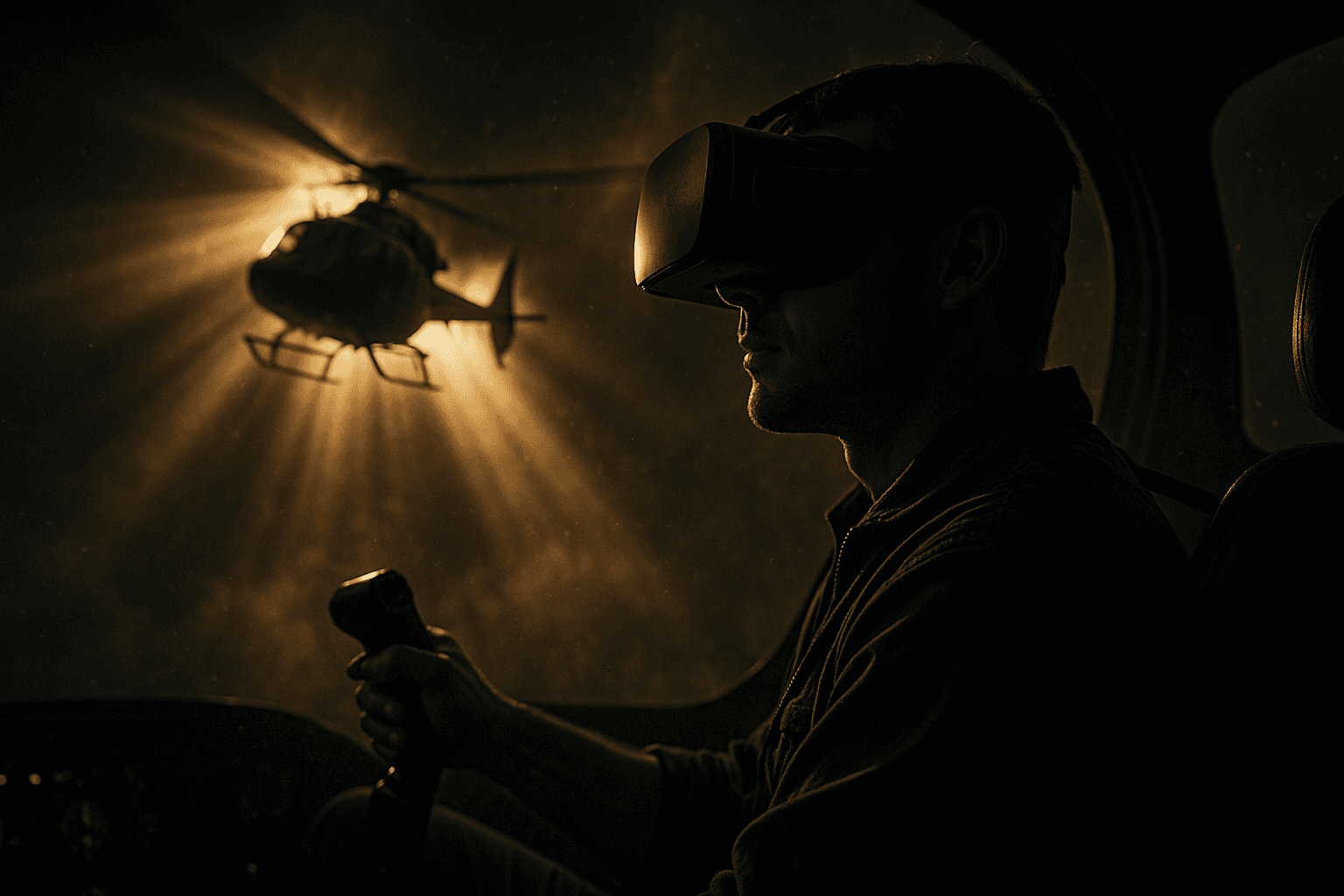
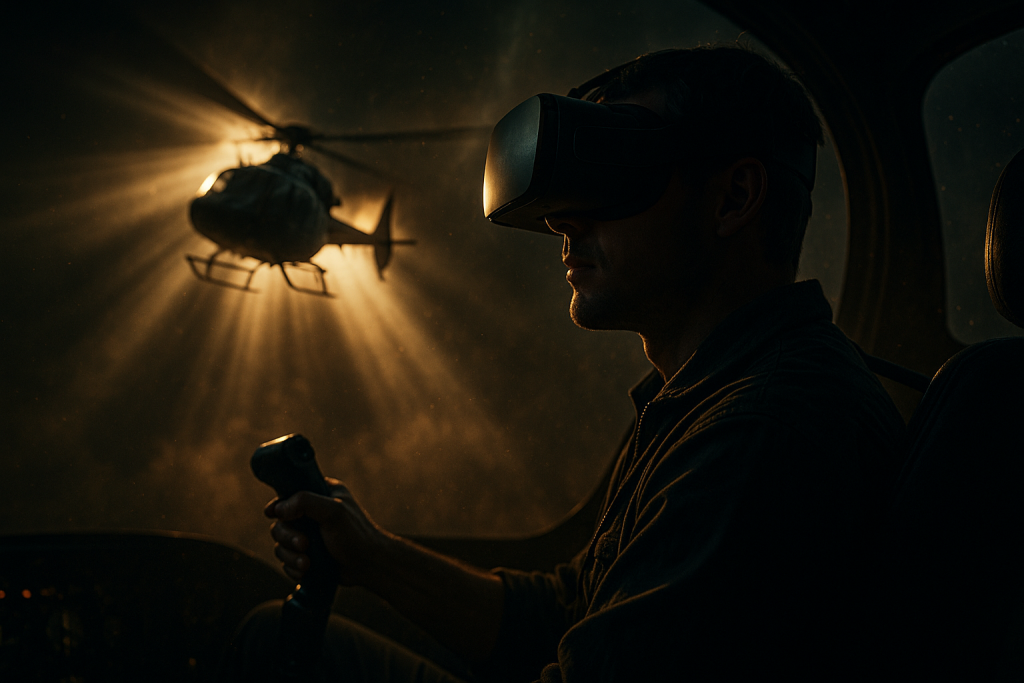
Have you ever wondered how the aviation industry is tackling the global pilot shortage while keeping costs down and safety up? In 2026, innovative XR technologies are stepping in to bridge these gaps, with companies like Loft Dynamics leading the charge. Recognized as one of the most innovative augmented and virtual reality companies of 2026, Loft Dynamics is transforming pilot training through hyperrealistic VR simulators. Founded to address high training costs and safety risks, the studio has partnered with major players like Alaska Airlines and the Los Angeles Police Department to develop affordable, immersive training solutions. For instance, their VR simulators for helicopters like the Airbus H125 and H145 cost less than 10% of traditional aircraft training hours, allowing pilots to practice complex emergency maneuvers in a risk-free environment. This not only enhances skill acquisition but also improves overall safety in aviation. Beyond aviation, such XR advancements hint at broader implications for education, workforce development, and even leisure activities, where virtual experiences can simulate real-world hobbies like flying without the dangers or expenses. In this post, we'll explore the challenges in pilot training, how Loft Dynamics' innovations provide solutions, their monetization methods, applications to leisure, and the socioeconomic reforms XR enables. Get ready to dive into how immersive tech is reshaping human capabilities and economic structures for a safer, more accessible future.
Table of Contents
The Pilot Training Crisis
The aviation industry faces a severe pilot shortage, exacerbated by high training costs and safety concerns. Traditional methods require expensive flight hours in real aircraft, often exceeding thousands of dollars per session. This financial barrier limits access, particularly for aspiring pilots from diverse backgrounds. Moreover, practicing emergency scenarios in actual flights poses significant risks to trainees and instructors alike.
According to industry reports, the global demand for pilots is projected to double in the next decade, yet supply lags due to these hurdles. XR technologies offer a promising alternative by simulating realistic environments without the perils. This shift not only democratizes training but also aligns with broader economic reforms by making high-skill professions more inclusive.
From a multi-perspective viewpoint, airlines view this as a cost-saving measure, while trainees appreciate the safety net. Governments see potential in reducing aviation accidents through better-prepared pilots. Overall, the crisis underscores the need for innovative solutions like those from XR studios.
Loft Dynamics' VR Innovations
Loft Dynamics stands out as a contemporary XR business pioneering VR-based flight simulation. Their platforms replicate full-scale aircraft cockpits, enabling pilots to train in immersive, hyperrealistic settings. Key innovations include the development of simulators for the Boeing 737 and Airbus A320, as detailed in their recent funding announcement.
In 2025, they secured $24 million in Series B funding to expand these technologies, focusing on commercial airline training. This investment, highlighted in reports from Vestbee and Pulse2, supports the creation of next-generation suites that cut training costs dramatically.
A standout milestone is the FAA qualification of their H125 simulator at the highest level, allowing credits toward real flight hours.
"Our VR simulators improve trainee safety even in complex emergency maneuvers,"
notes the company on their official site.
This insight transitions from problem to solution, showing how XR directly enhances human life by making training safer and more efficient.
Monetization Methods in XR
Loft Dynamics employs diverse monetization strategies typical of XR studios, blending hardware sales with service-based models. They sell VR simulators directly to airlines and institutions, generating revenue through one-time purchases and ongoing maintenance contracts.
Partnerships, such as with Alaska Airlines, include co-development deals that provide funding and shared revenue from training programs. Their $24 million Series B round, as reported, enables scaling these models globally.
- Subscription-based access to software updates and virtual scenarios.
- Licensing technology to educational bodies like Marshall University.
- Pay-per-use models for smaller operators, reducing upfront costs.
From an economic perspective, this approach reforms traditional training markets by introducing scalable, digital alternatives. It encourages innovation while ensuring steady income streams, demonstrating XR's role in sustainable business practices.
XR for Leisure Activities
While Loft Dynamics focuses on professional training, their VR tech has implications for leisure activities, such as recreational flying simulations. Enthusiasts can experience piloting without real-world risks, turning aviation into an accessible hobby.
Imagine using Apple Vision Pro software, as planned by the company, for home-based flight practice. This blurs lines between professional and leisure XR applications, fostering relaxation and skill-building in free time.
Multi-perspective views: Hobbyists gain affordable entry, while families enjoy virtual adventures. Economically, it creates new markets for leisure XR content, monetized via apps and virtual events.
Overall, XR enhances leisure by making high-adrenaline activities safe and inclusive, reforming training solutions in high-risk environments.
Future Prospects in XR
Looking ahead, Loft Dynamics plans expansions into more aircraft models and mixed reality integrations. Their trajectory suggests XR will further integrate into daily life, from training to leisure.
Potential challenges include technological adoption rates, but partnerships mitigate these. Experts predict XR markets will grow exponentially, with studios like this leading reforms.
Actions for readers: Explore XR tools and support innovative companies to shape this future.
Key Takeaways
- Loft Dynamics uses VR to make pilot training 90% cheaper and safer.
- Recognized in 2026 for innovations like FAA-qualified simulators.
- Monetizes through sales, partnerships, and subscriptions, reforming XR economics.
- Extends to leisure, enabling safe virtual flying experiences.
- Addresses pilot shortages, promoting social inclusivity.
- Secured $24M funding for global expansion.
- XR drives broader economic and safety improvements.
- Encourages support for immersive tech advancements.
In synthesizing the transformative power of XR through Loft Dynamics, it's clear that immersive technologies are not just tools but catalysts for societal and economic change. By making high-stakes training accessible and safe, they democratize opportunities in aviation and beyond, potentially reshaping workforce dynamics worldwide. The studio's milestones, from partnerships with airlines to FAA certifications, exemplify how XR can solve real-world problems like pilot shortages while opening doors to leisure applications that enrich personal lives. As we move forward in 2026, these advancements highlight the need for continued investment in XR to foster innovation and inclusivity. For a safer, more efficient future, consider exploring Loft Dynamics' offerings or similar XR solutions—perhaps start by visiting their site or supporting their initiatives through investments or advocacy. Your engagement could accelerate the positive reforms XR promises for human life.
What are your thoughts? Comment below!
Generated by AI. Reviewed by Human.