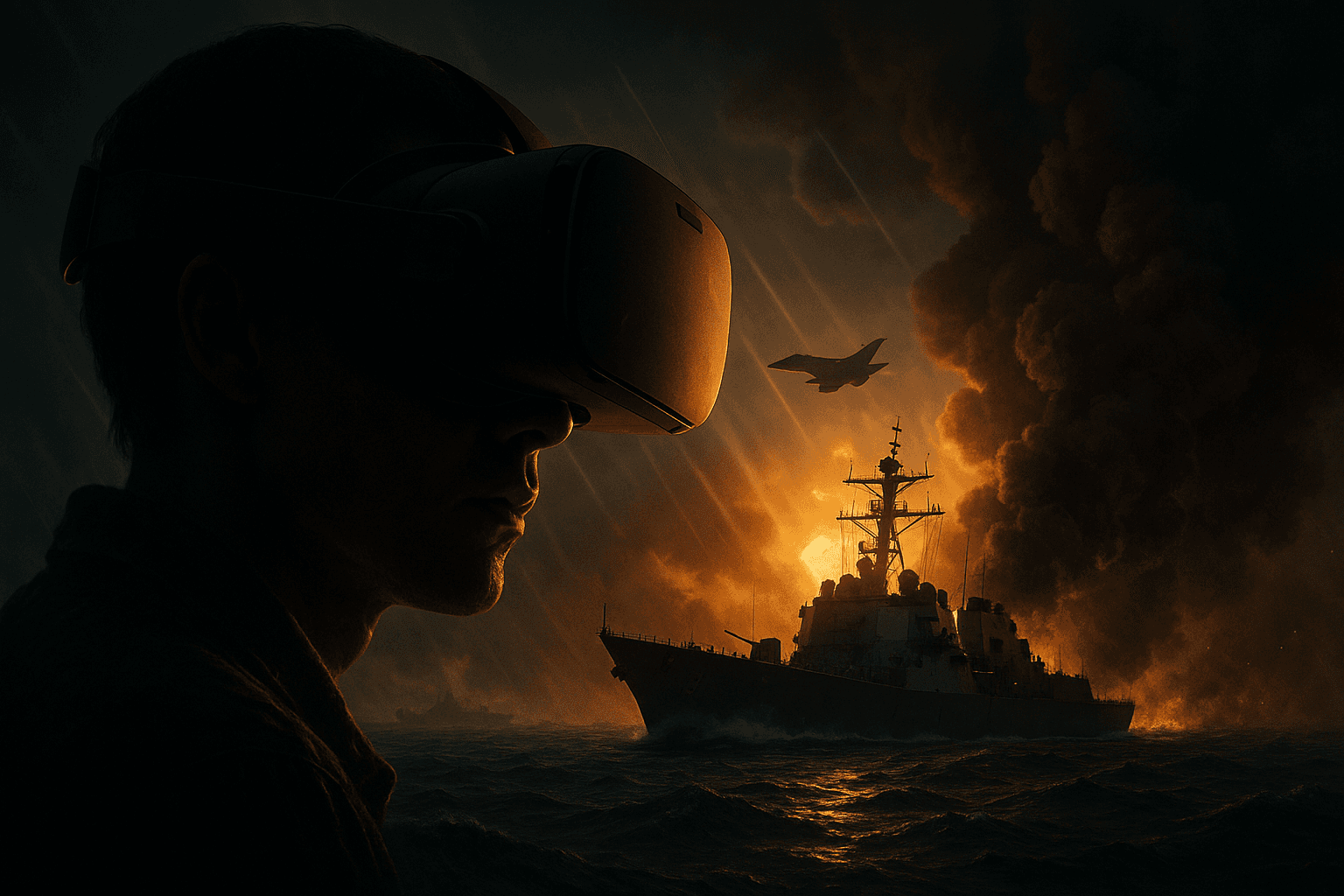
Navigating Taiwan Strait Tensions Through XR Lenses
Ever wondered how distant geopolitical storms could ripple into your daily life, from tech supply chains to global food prices? In early 2026, escalating tensions in the Taiwan Strait have captured headlines, with military posturing between major powers threatening trade routes and semiconductor production—essentials that power everything from your smartphone to electric vehicles. As everyday folks grapple with these uncertainties, what if immersive technologies could turn abstract headlines into tangible experiences? This post dives into that intersection, exploring how extended reality (XR) isn't just for gaming but a bridge to understanding and action in our complex world. We'll unpack the event, draw XR parallels, and offer practical steps to engage, empowering you to move from passive scrolling to proactive involvement.
Table of Contents
Understanding the Taiwan Strait Crisis
The Taiwan Strait, a narrow waterway separating Taiwan from mainland China, has become a flashpoint in 2026 geopolitics. Recent naval exercises and diplomatic spats have heightened fears of disruption to global supply chains, particularly in semiconductors, which Taiwan dominates with over 60% of the world's advanced chip production according to a Global Taiwan Institute report. This isn't just distant drama—it's tied to the gadgets in your pocket and the cars on your street.
Imagine your next phone upgrade delayed or pricier due to these tensions; it's a reminder of how interconnected our world is. Yet, amid the headlines, many feel powerless or detached. That's where innovative tools step in to make the abstract feel immediate.
XR as an Empathy Engine
Extended reality technologies, blending virtual and augmented worlds, can transport you right into the heart of such crises. Picture donning a headset to "walk" the streets of Taipei during a simulated alert, hearing the sirens and seeing the human faces behind the statistics.
By embodying perspectives—from a Taiwanese fisherman to a mainland policymaker—XR fosters understanding that dry news articles can't match. It's like turning a 2D map into a living diorama, where empathy isn't just felt but experienced. Such immersion could shift public opinion, encouraging more nuanced views on international relations.
Simulating Scenarios for Better Preparedness
What if you could rehearse responses to geopolitical flare-ups before they escalate? XR simulations, used in military training via platforms like Boeing's defense simulations, adapt well to civilian education. Envision virtual war rooms where users practice diplomatic negotiations or supply chain rerouting.
These tools demystify complexity, much like flight simulators prepare pilots for turbulence. For everyday people, this means gaining confidence to discuss or advocate on these topics. It's a step from feeling overwhelmed to equipped, turning passive concern into informed readiness.
Collaborative XR for Global Solutions
XR excels in bridging distances, enabling real-time collaboration across borders. Think of virtual summits in spaces like Microsoft Mesh, where activists, experts, and citizens co-create strategies to mitigate tensions. No passports needed—just a shared digital space to brainstorm peace-building initiatives.
Analogous to how remote teams revolutionized work during pandemics, this could amplify grassroots efforts. Imagine joining a global hackathon to model economic alternatives if trade routes close. It's about harnessing collective intelligence to address root causes humanely.
From Digital Immersion to Real-World Action
Transitioning from virtual experiences to tangible steps is key. Start with accessible XR apps on your phone for augmented reality overlays of global maps, highlighting tension zones. Then, channel that insight into local actions—like joining community forums or supporting policies for diversified supply chains.
- Download a free XR app like Google Earth VR to explore affected regions.
- Participate in online XR workshops on geopolitics.
- Advocate by contacting representatives or volunteering with international NGOs.
These steps make XR a catalyst, not an escape, linking digital curiosity to offline impact.
So, why let distant tensions remain abstract when XR can make them actionable? This fusion of current events and immersive tech reveals pathways to empathy, preparation, and collaboration—tools that humanize our responses to global challenges. It's not about predicting the future but equipping ourselves to shape it better. Ready to dive in? Try an XR experience today, share your thoughts in the comments, or subscribe for more insights on blending digital innovation with real-world relevance. Let's turn curiosity into contribution.
- Geopolitical tensions like those in the Taiwan Strait affect daily life through supply chains and tech availability.
- XR technologies build empathy by immersing users in simulated real-world scenarios.
- Virtual simulations prepare individuals for complex global issues.
- Collaborative XR platforms foster international problem-solving.
- Actionable steps bridge digital experiences to community involvement.
- Embracing XR empowers everyday people to navigate uncertainties effectively.
Generated by AI. Reviewed by Human.