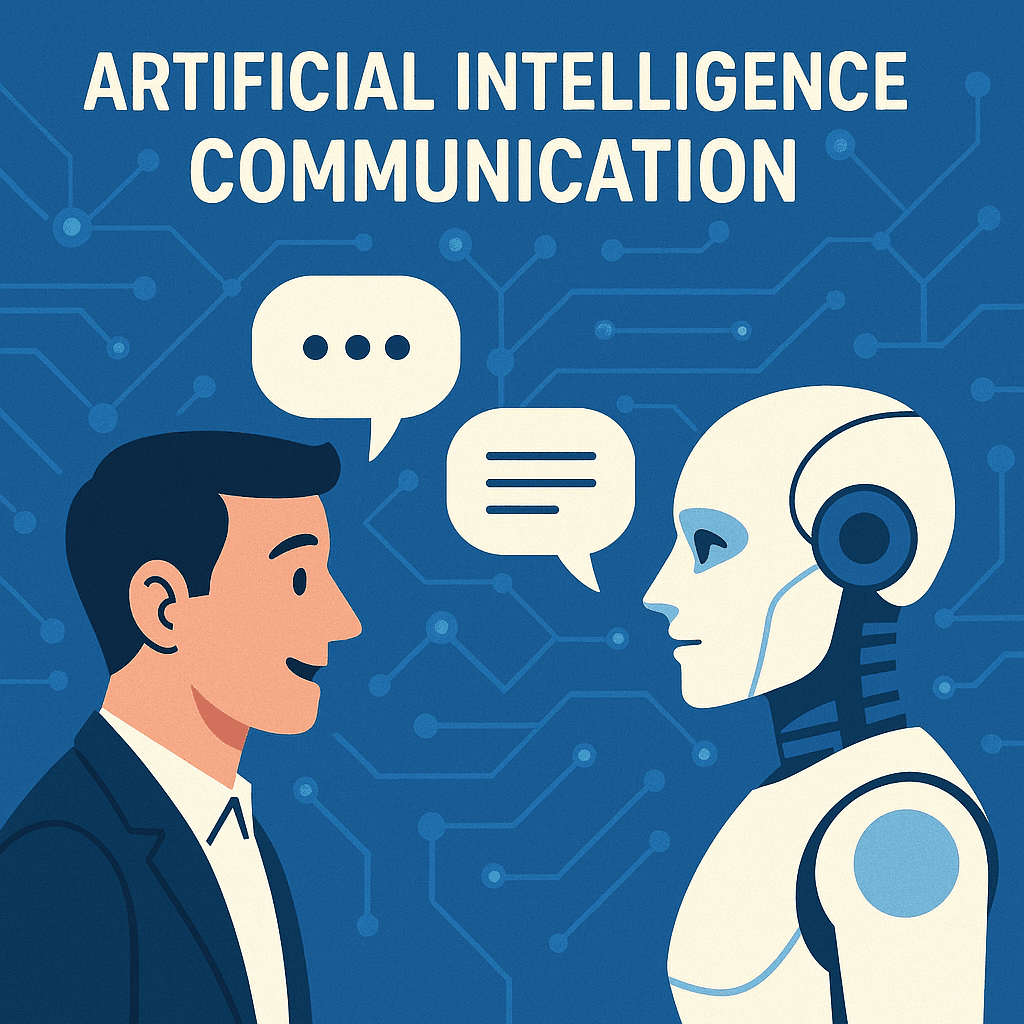
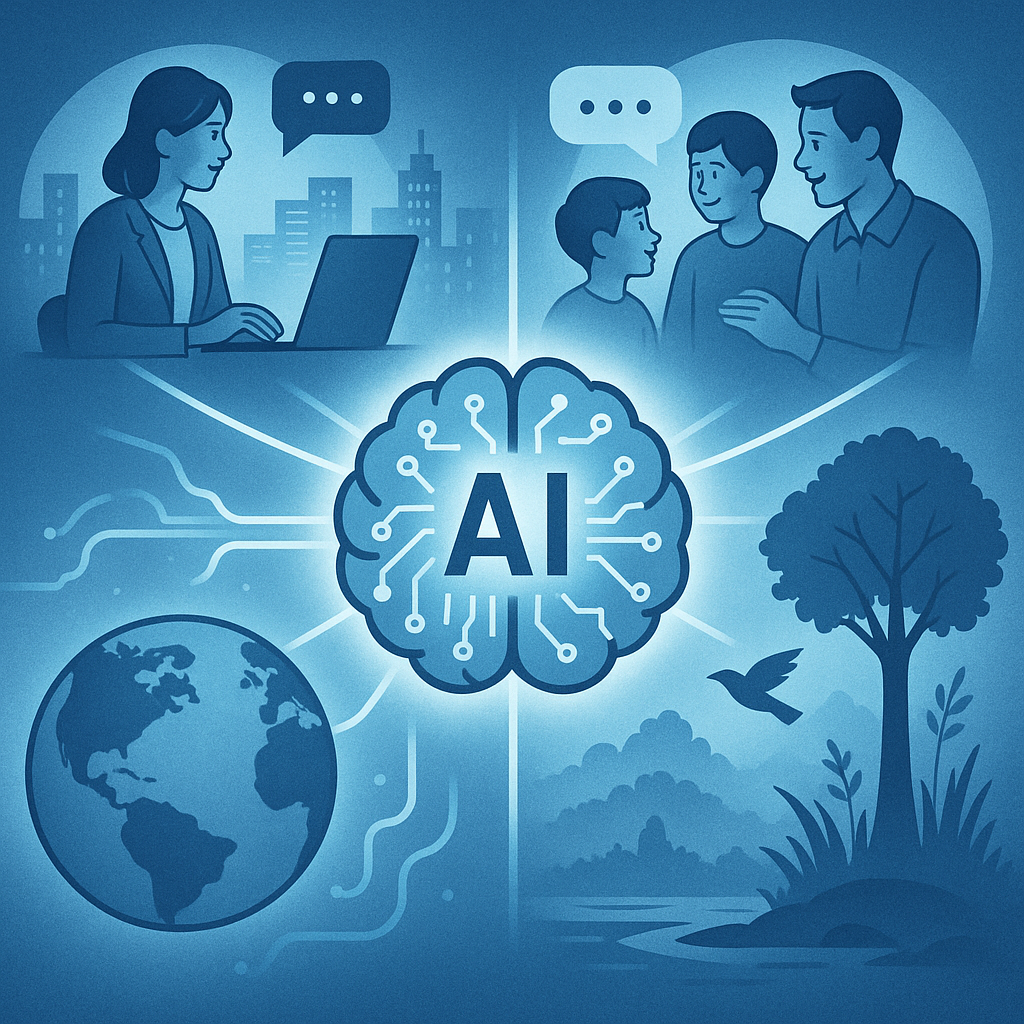
Artificial intelligence (AI) communication has swiftly become one of the most transformative forces of our era, reaching into nearly every facet of daily life. Traditionally, human communication was confined by language, cultural nuances, and the limits of personal ability. Today, AI bridges these divides, crafting an ecosystem where ideas, data, and dialogue flow seamlessly across continents and communities. This revolution is not merely technological—it shapes our societies, the way we do business, interact within families, and even the ways we perceive and protect the natural world. As we delve into these intricate connections, it becomes clear that AI-driven communication carries broad, lasting implications for modern humanity.
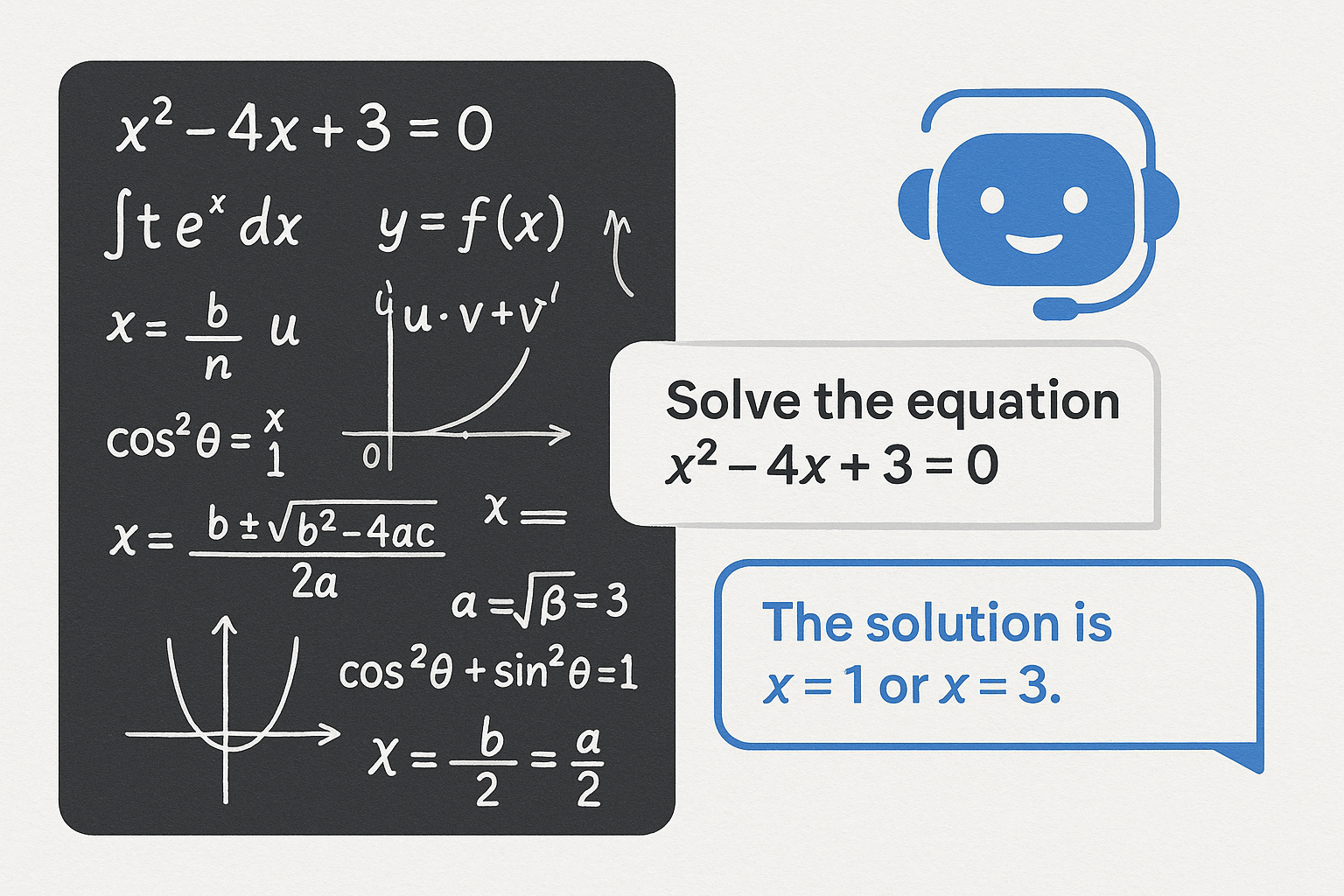
The role of AI in mathematical solutions is foundational to its broader communication impact. As the backbone of many AI systems, advanced algorithms solve complex problems in seconds—a process that could take humans days or months. With AI chatbots and tools such as natural language processing, mathematical queries can be presented in plain language and resolved almost instantly. This democratizes advanced problem-solving, enabling non-experts to access and interpret sophisticated data. Whether an engineer troubleshooting a design flaw or a student grappling with algebra, AI makes communication with abstract concepts intuitive and efficient. The accessibility and reliability provided by AI foster an environment where knowledge is truly shareable, empowering innovation across fields.
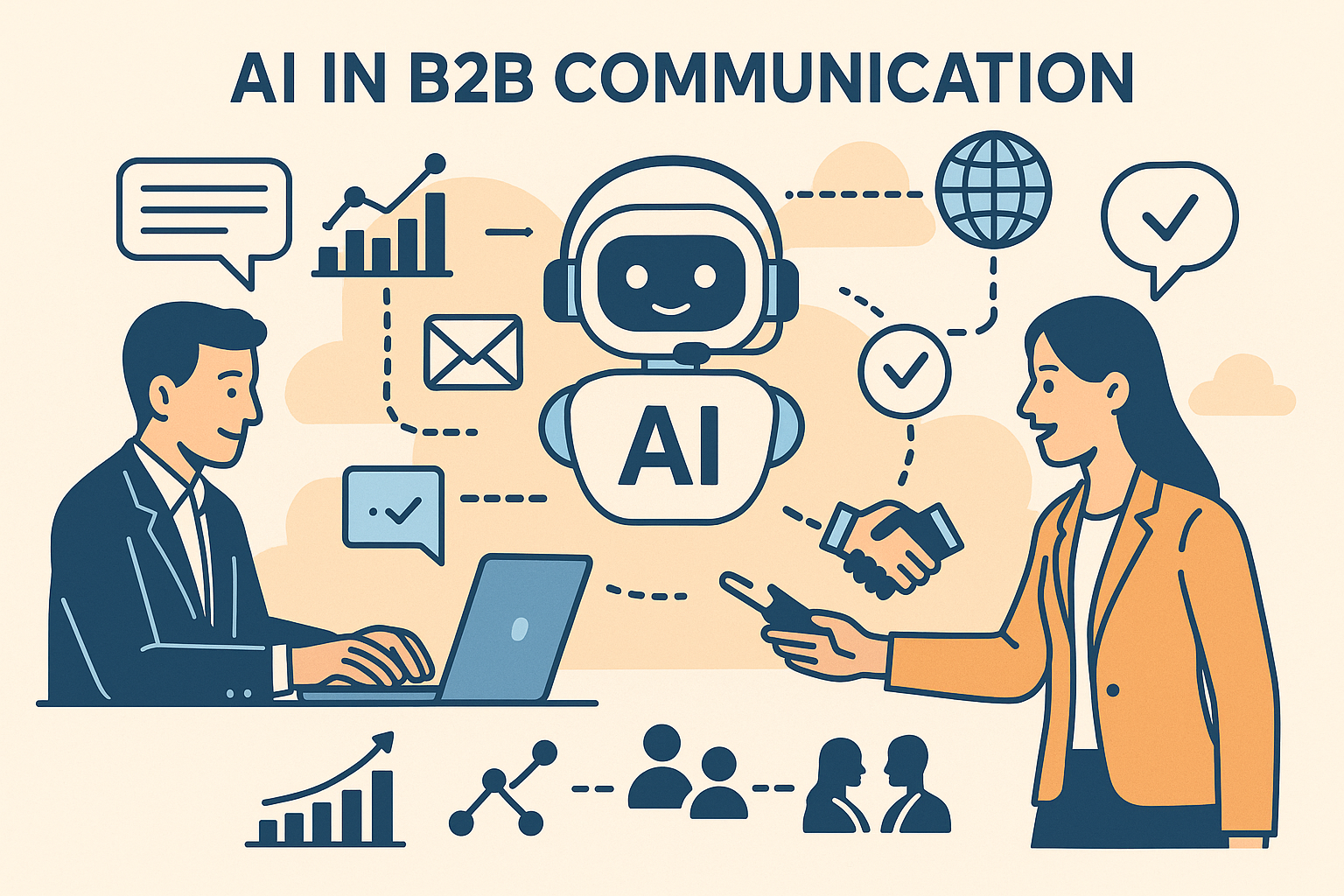
Looking at the implications for business-to-business (B2B) communication, AI has fundamentally altered how companies interact, collaborate, and compete. AI-driven tools enable enterprises to analyze vast datasets, forecast market trends, and automate routine communications. Sophisticated chatbots and virtual assistants handle customer inquiries and support around the clock, removing barriers imposed by time zones or language differences. This efficiency allows human workers to focus on high-impact, creative, and relationship-driven efforts, nurturing partnerships rather than just transactions. Furthermore, AI-infused platforms can anticipate client needs and personalize communication at scale, augmenting trust and satisfaction. Such advancements are not just optimizing profits—they are reshaping global trade dynamics toward more transparent and empathetic exchanges.
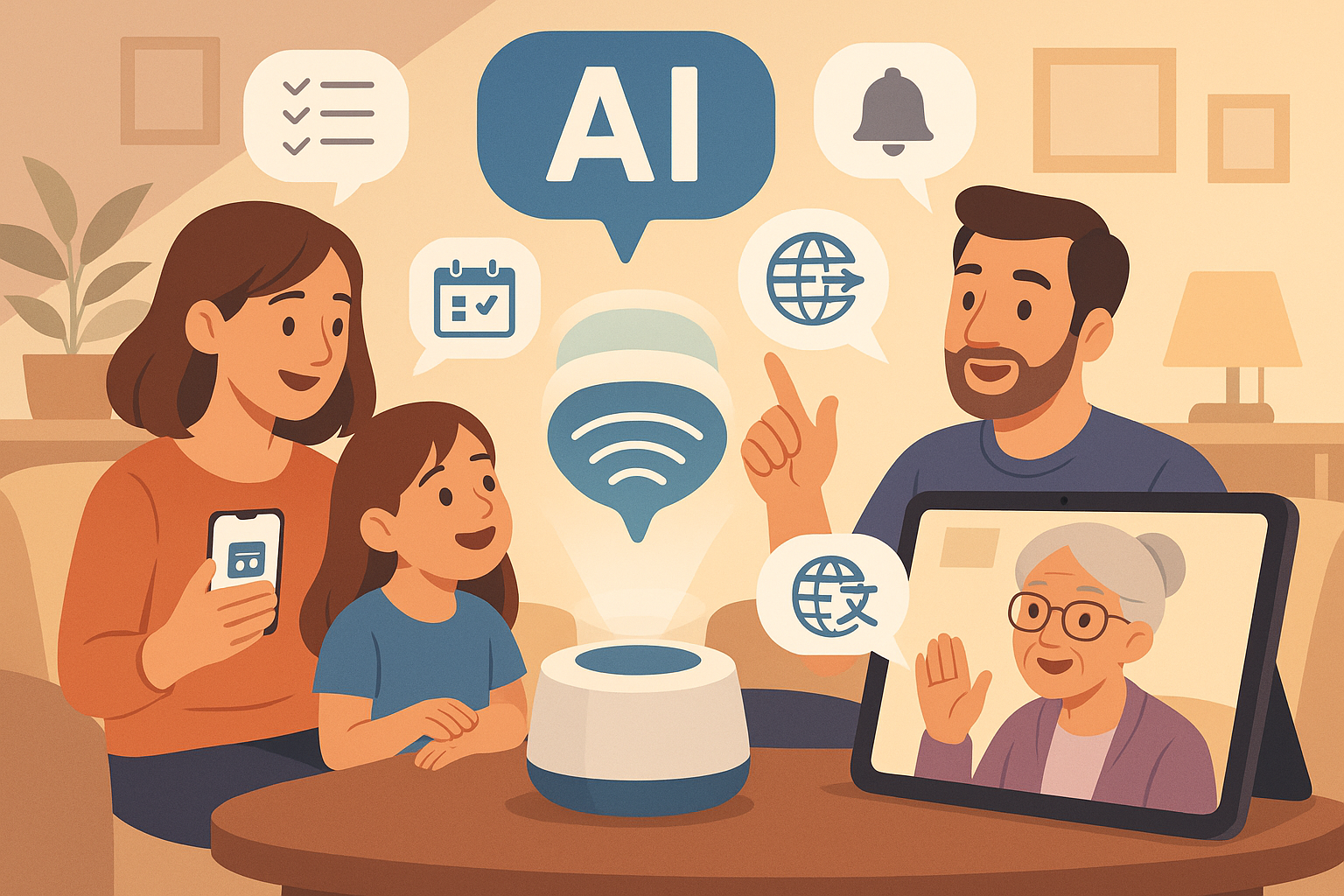
AI’s entry into family-oriented communication brings a new dimension to household interactions. With smart home devices and voice-activated assistants, families engage with technology in more natural and meaningful ways. Scheduling, reminders, homework help, and even long-distance communication are facilitated through intuitive AI interfaces. This enhances the management of busy modern lives and also bridges geographical or generational divides. For example, grandparents can connect effortlessly with grandchildren through AI translation tools, dissolving language barriers and fostering closer relationships. Nonetheless, ethical considerations arise; as AI systems collect intimate household data, there is a growing need for robust privacy protections. The empathetic design of such technologies should not only meet practical needs but also respect and nurture the emotional fabric of family life.
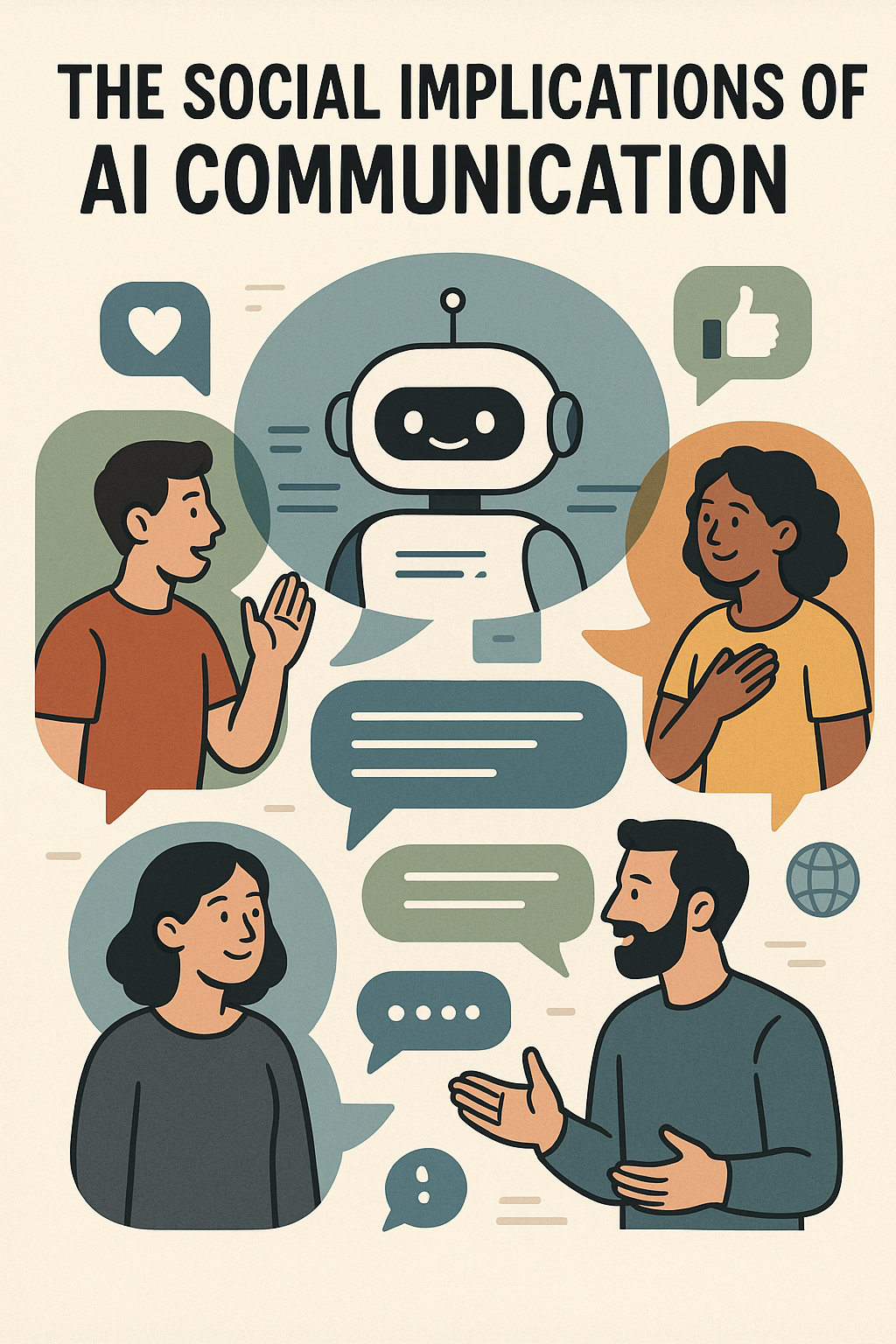
The social implications of AI communication are profound and multifaceted. As AI mediates dialogue on social platforms, it influences everything from public discourse to how communities organize around causes. On one hand, AI algorithms can amplify diverse voices, facilitate inclusive conversations, and support mental health with personalized, always-available assistance. On the other, challenges such as misinformation amplification and biased moderation decisions persist. Therefore, a balanced and ethical implementation of AI in social contexts is crucial to promoting healthier, more empathetic engagement. In a polarized and rapidly changing world, fostering digital empathy—ensuring that technology amplifies kindness and understanding rather than division—must be a guiding principle in AI’s ongoing evolution.