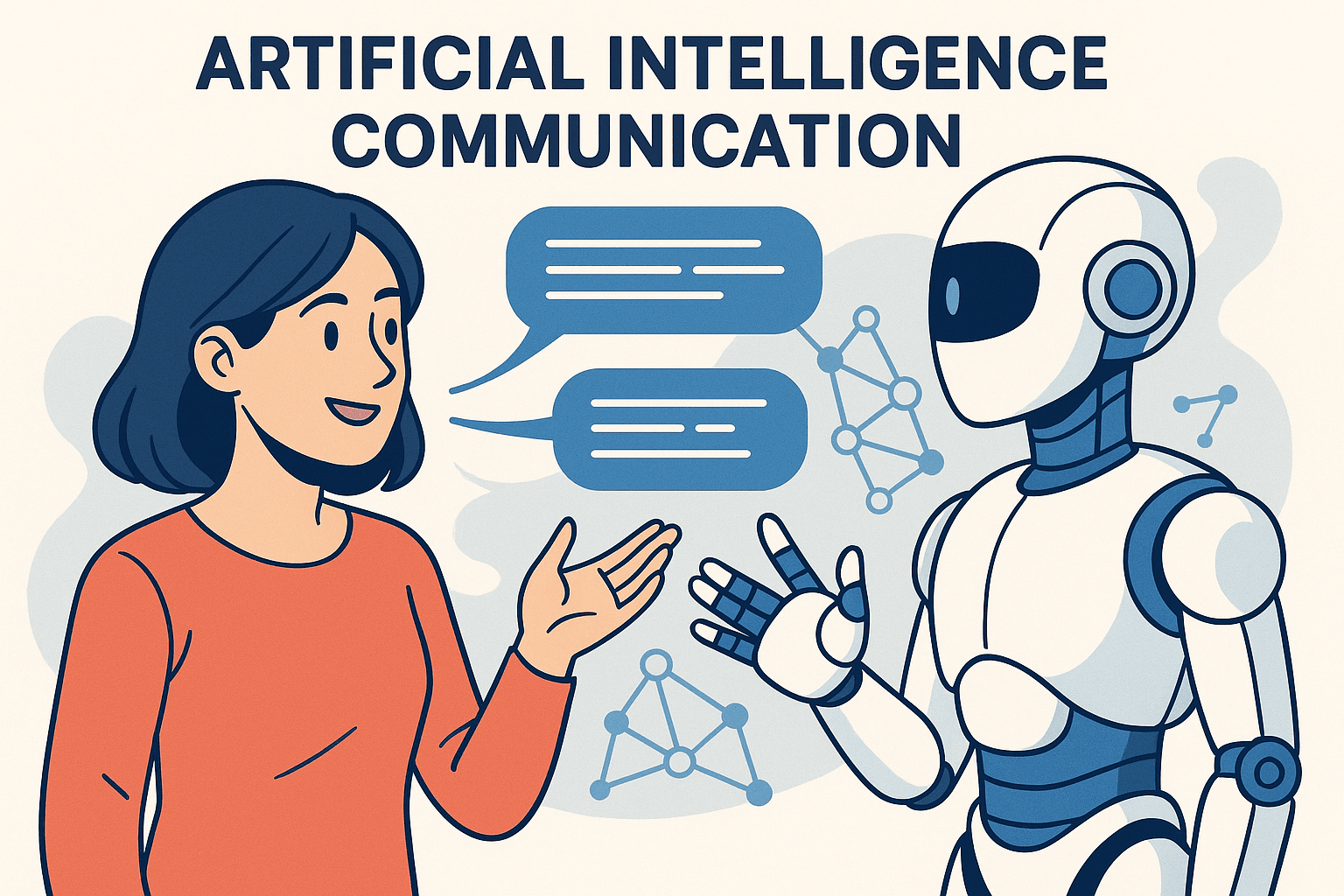
Artificial Intelligence (AI) communication is quickly transforming how humans interact not only with machines but also with one another. In the modern era, the ability of AI to comprehend, process, and generate human-like communication is fundamentally altering the landscape of both digital and face-to-face interactions. Recent advancements, including large language models and sophisticated conversational agents, have seamlessly integrated into daily life. No longer is AI simply a silent background process; it now actively participates in our conversations, offering solutions, facilitating business, and even assisting families. This technological leap prompts us to reconsider how we connect—with technology and with each other—and to explore the broad implications across multiple sectors of society.
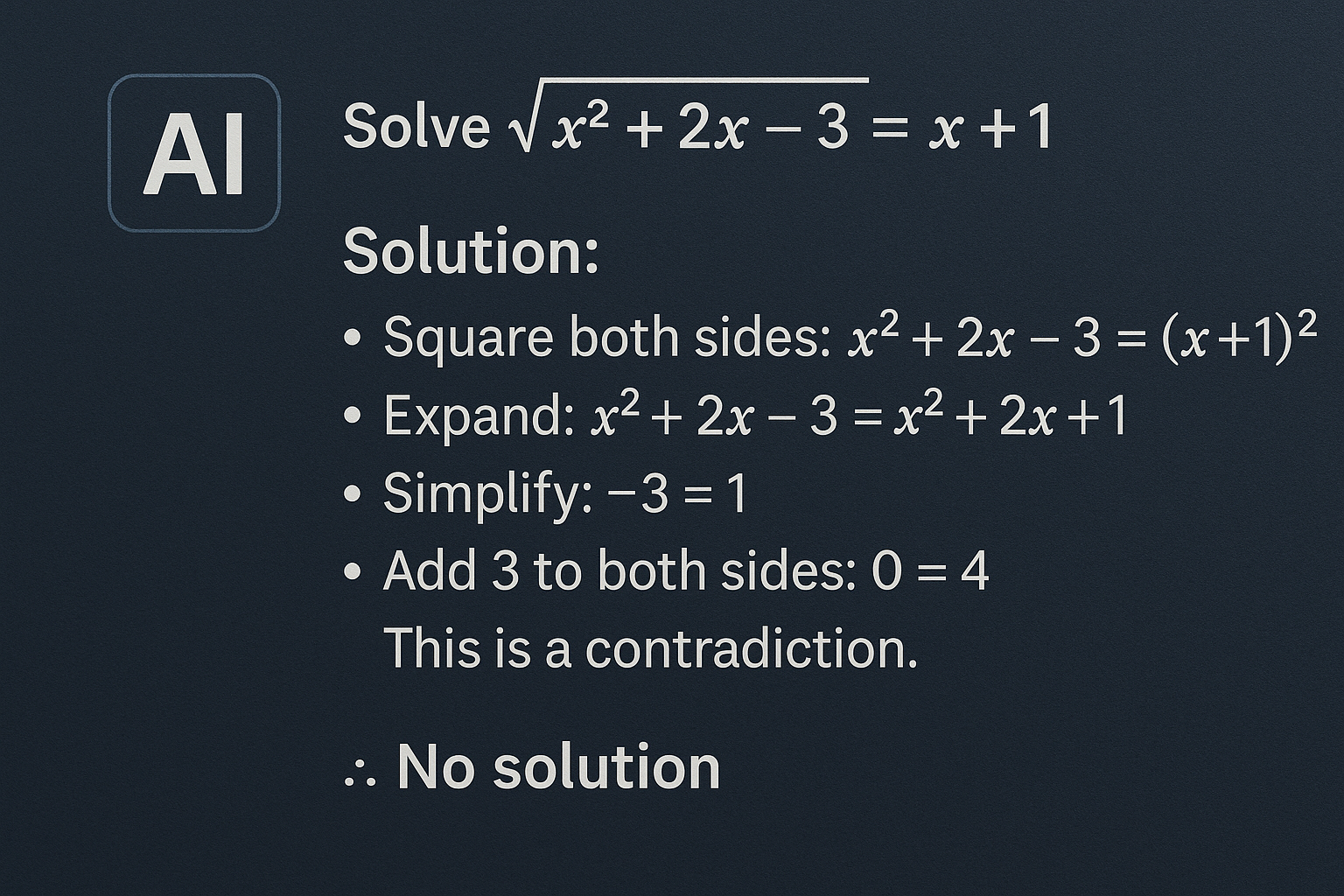
One of the most exciting frontiers for AI communication lies in the domain of mathematical solutions. In the past, solving complex mathematical problems was reserved for highly trained experts using specialized tools. Today, AI-powered systems can not only solve mathematical problems almost instantaneously but can also explain the reasoning behind each step in natural language. This democratization of problem-solving has substantial repercussions for the modern workforce, education systems, and industries where technical precision is vital. Students and professionals alike now have access to tools that foster deeper understanding, allowing for the creative and collaborative exploration of problems that might otherwise have been insurmountable. Such widespread availability of advanced solutions helps bridge gaps in education equity worldwide and empowers individuals to tackle challenges with confidence.
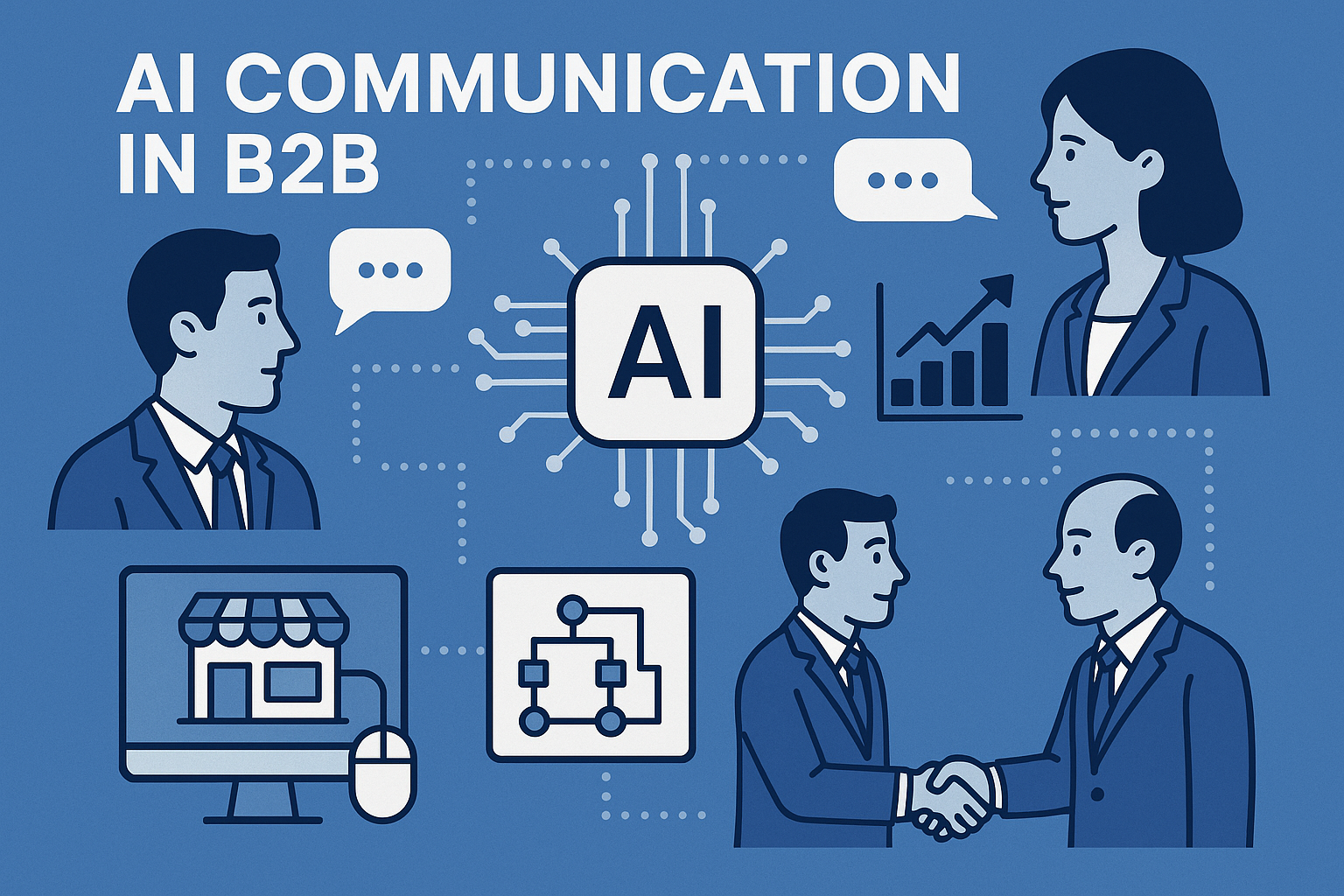
In the realm of Business2Business (B2B) operations, AI communication tools are revolutionizing how organizations interact. From automating responses to customer inquiries to conducting real-time negotiations between suppliers and vendors, AI is enhancing efficiency and transparency. Modern B2B platforms often leverage AI to match businesses with the most suitable partners, predict market trends, and streamline complex supply chains. Such capabilities don't merely improve profit margins; they foster robust partnerships, reduce misunderstandings, and drive innovation. However, this acceleration comes with its own set of challenges—companies must balance the drive for automation with a commitment to the empathy and human touch that cultivates lasting business relationships.
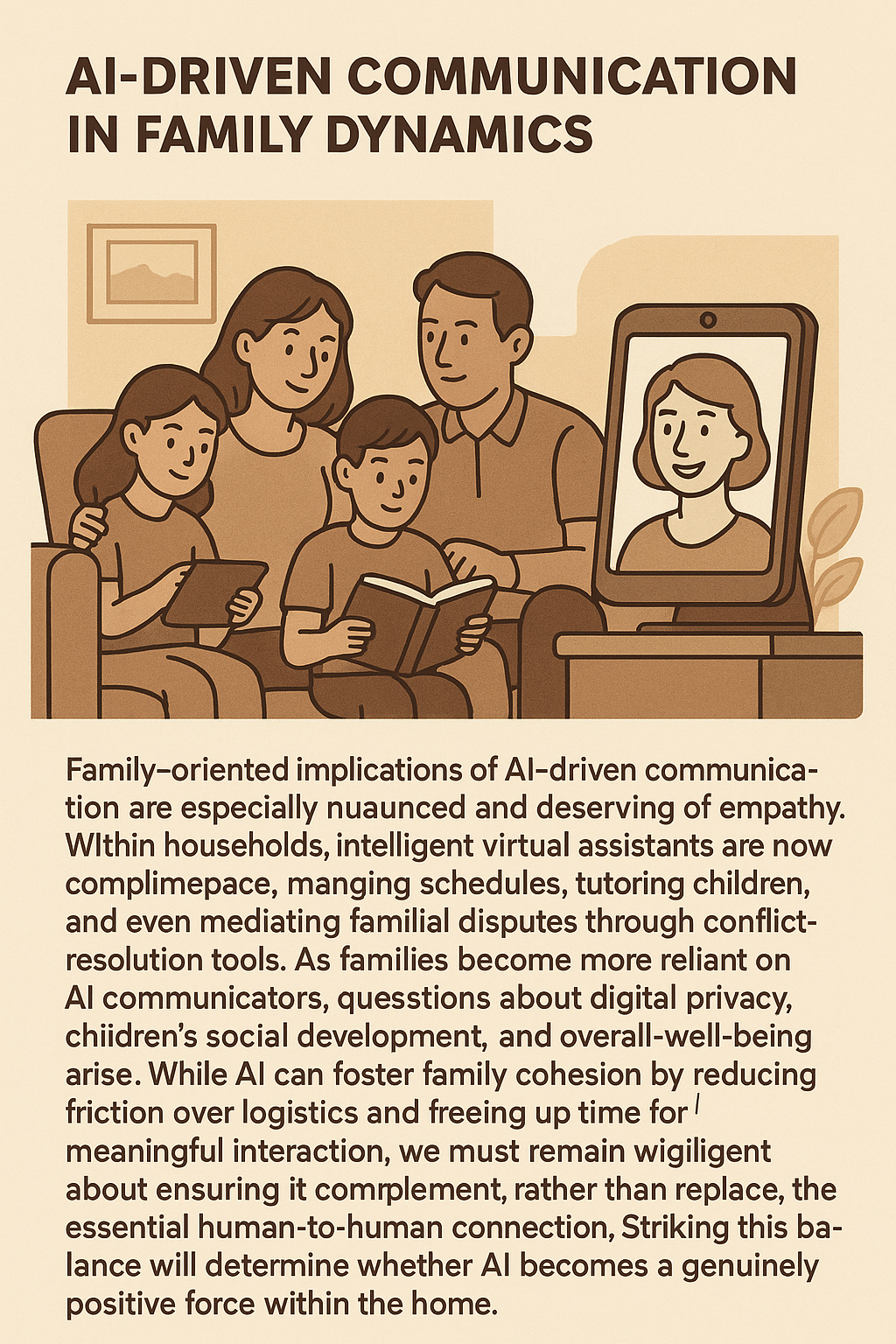
Family-oriented implications of AI-driven communication are especially nuanced and deserving of empathy. Within households, intelligent virtual assistants are now commonplace, managing schedules, tutoring children, and even mediating familial disputes through conflict-resolution tools. As families become more reliant on AI communicators, questions about digital privacy, children’s social development, and overall well-being arise. While AI can foster family cohesion by reducing friction over logistics and freeing up time for meaningful interaction, we must remain vigilant about ensuring it complements, rather than replaces, the essential human-to-human connection that forms the bedrock of emotional health. Striking this balance will determine whether AI becomes a genuinely positive force within the home.
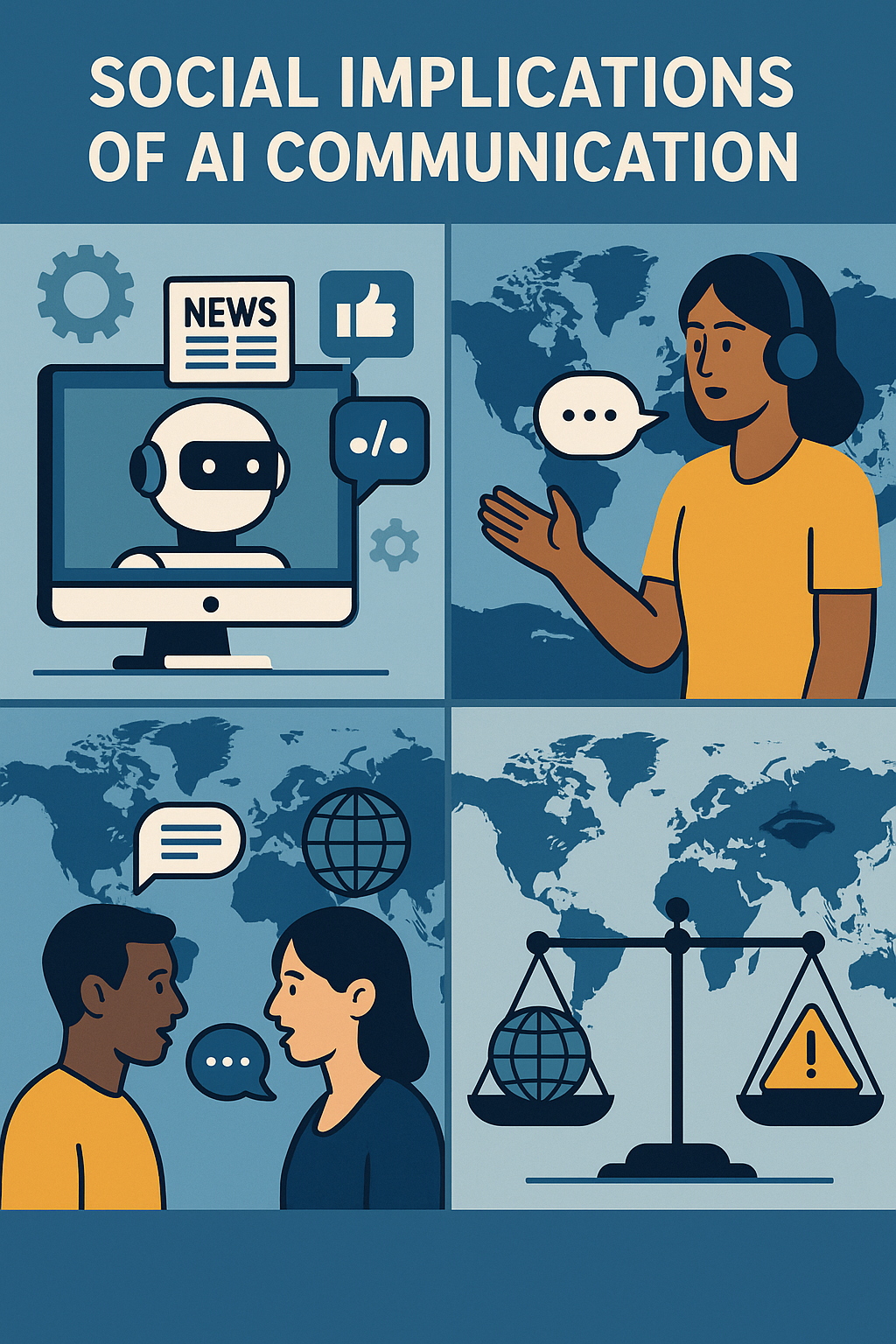
The social implications of sophisticated AI communication extend far beyond individual households or businesses. Advanced AI now curates news, moderates online discourse, and bridges language barriers, creating global conversations that would be impossible without such technology. With this new connectivity comes responsibility: AI can just as easily amplify misinformation or perpetuate bias if not carefully managed. As societies grapple with these technological advancements, the need for ethical oversight and inclusive development becomes paramount. Only by fostering transparency and prioritizing social good can AI communication enhance human solidarity and mutual understanding in an increasingly interconnected world.
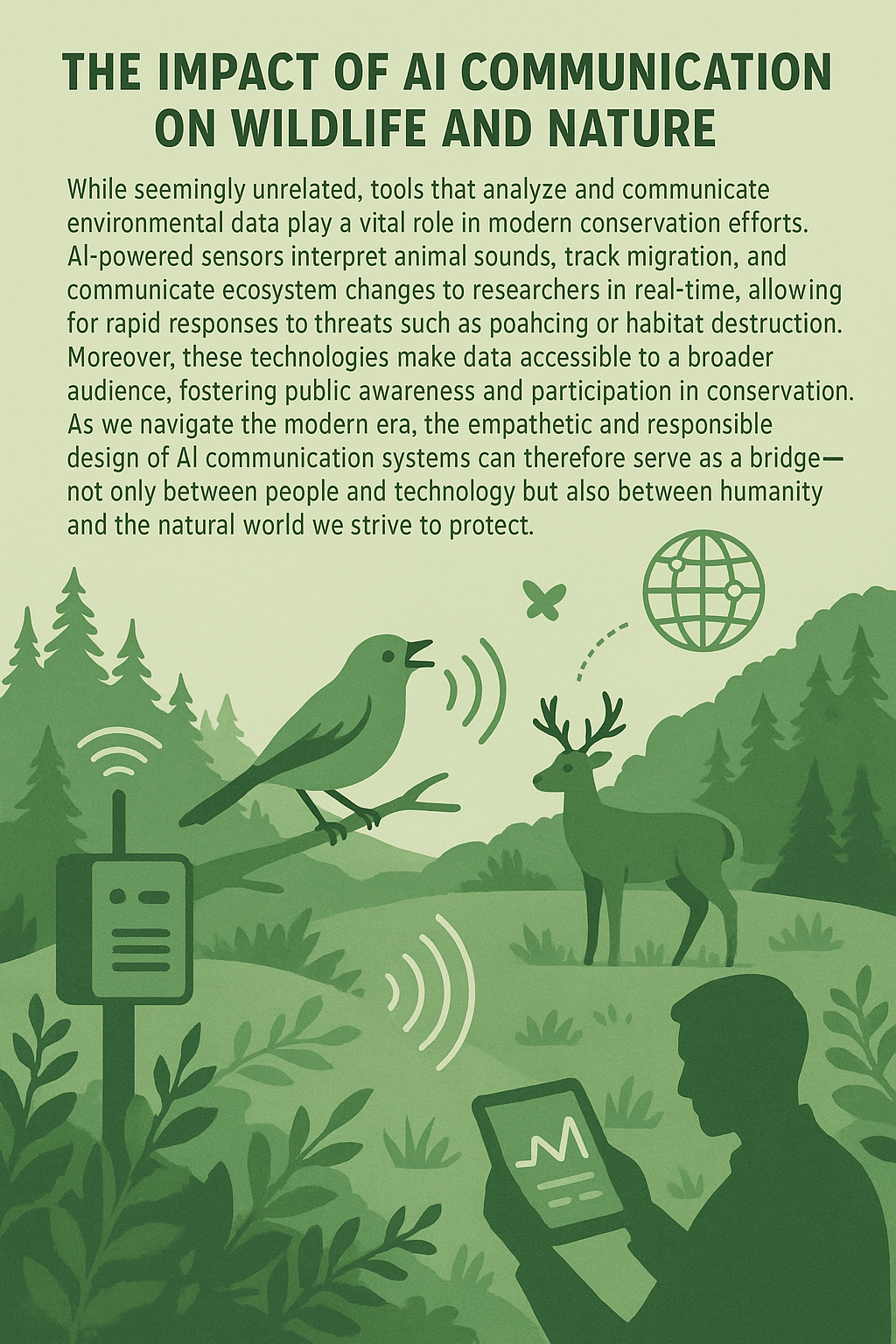
Finally, it is essential to consider the impact that AI communication has on wildlife and nature. While seemingly unrelated, tools that analyze and communicate environmental data play a vital role in modern conservation efforts. AI-powered sensors interpret animal sounds, track migration, and communicate ecosystem changes to researchers in real-time, allowing for rapid responses to threats such as poaching or habitat destruction. Moreover, these technologies make data accessible to a broader audience, fostering public awareness and participation in conservation. As we navigate the modern era, the empathetic and responsible design of AI communication systems can therefore serve as a bridge—not only between people and technology but also between humanity and the natural world we strive to protect.