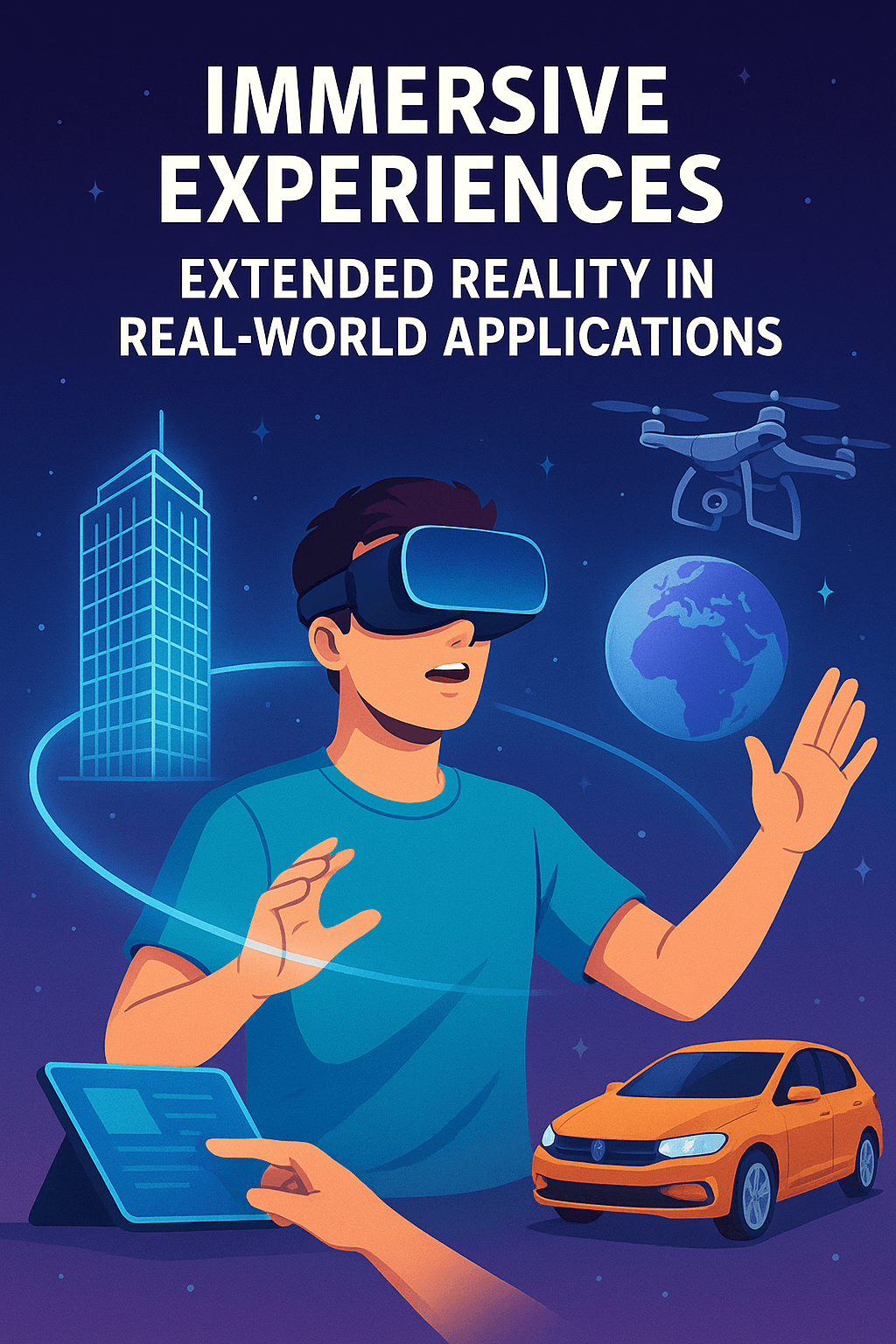
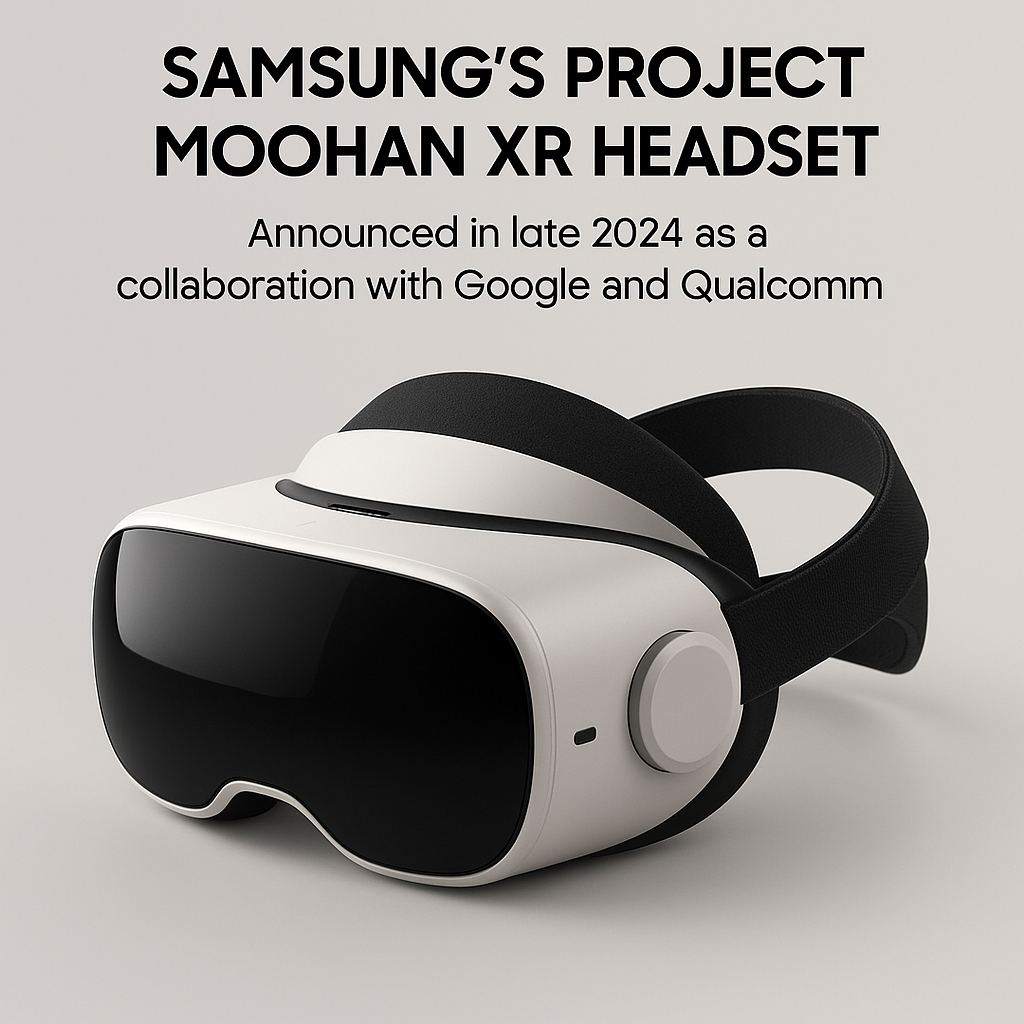
In the rapidly evolving landscape of extended reality (XR), Samsung's Project Moohan XR headset stands out as the single most relevant development for today's tech-savvy audience, creators, educators, and consumers. Announced in late 2024 as a collaboration with Google and Qualcomm, it represents a pivotal shift towards accessible, high-performance mixed reality devices powered by the new Android XR platform, promising to democratize immersive experiences and real-world applications amid growing demands for seamless integration of digital and physical worlds.
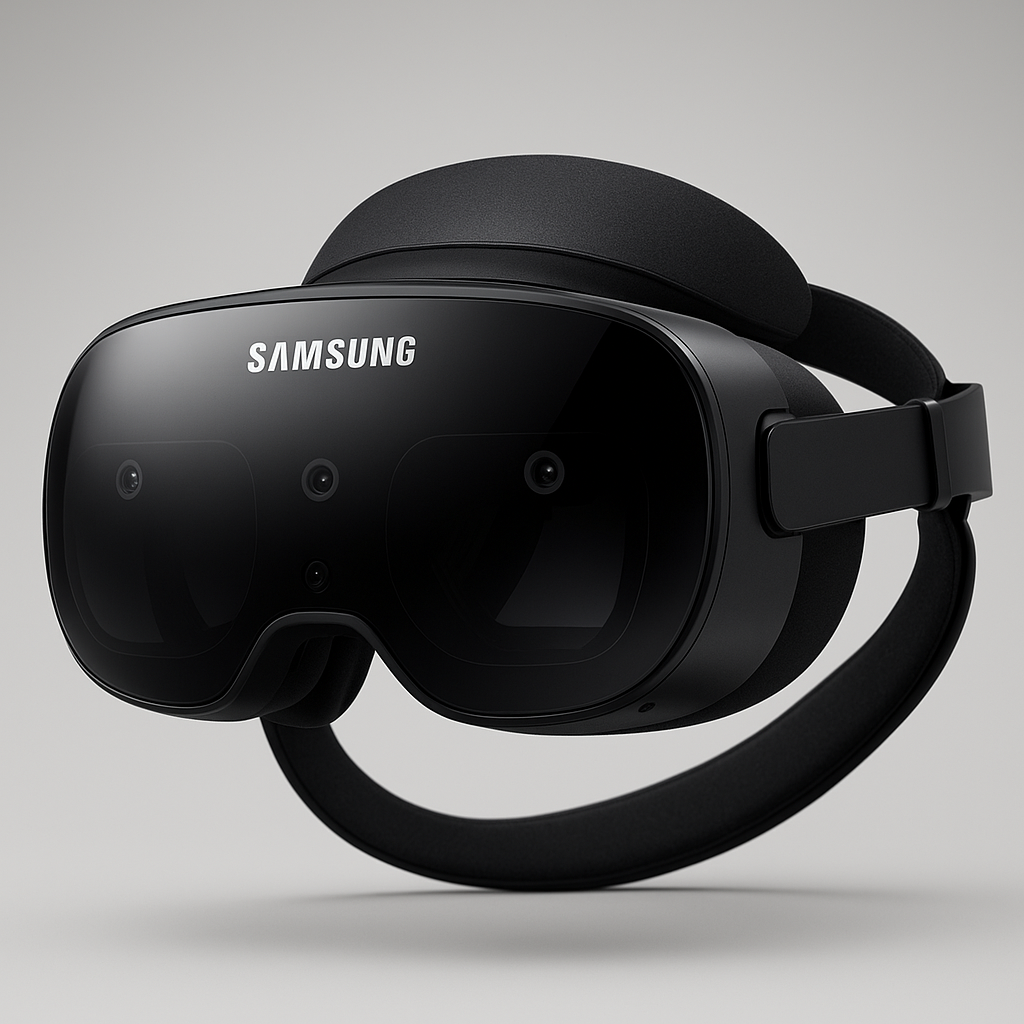
Samsung's Project Moohan XR headset emerges as a groundbreaking fusion of augmented reality (AR) and virtual reality (VR) technologies, designed to offer users an unparalleled mixed reality (MR) experience that blurs the lines between the digital and physical realms. At its core, the device boasts high-resolution displays with a wide field of view, enabling crystal-clear overlays of virtual elements onto the real world, much like superimposing a holographic blueprint over a construction site for architects. Its integration with Google's Android XR operating system ensures compatibility with a vast ecosystem of apps, from productivity tools to entertainment platforms, fostering immersive experiences that cater to both professional and leisure activities. Historically, Samsung has been a powerhouse in consumer electronics, building on its legacy with smartphones and wearables to venture into XR, drawing from predecessors like the Gear VR, which was one of the first mobile VR headsets in collaboration with Oculus back in 2015. This evolution reflects a strategic pivot towards more sophisticated XR solutions, addressing past limitations such as bulky designs and limited battery life. Innovations in Project Moohan include advanced spatial computing capabilities powered by Qualcomm's Snapdragon XR2+ Gen 2 chipset, which supports real-time environmental mapping and gesture recognition, allowing users to interact with virtual objects as naturally as picking up a physical item. For instance, educators could use it to create interactive 3D models of historical events, letting students "walk through" ancient Rome, enhancing learning through extended reality in real-world applications. Challenges, however, persist, such as ensuring affordability to avoid the pitfalls of high-end devices that alienate general consumers, and overcoming privacy concerns related to always-on cameras that scan environments. Looking ahead, projections suggest that by 2026, widespread adoption could transform industries like healthcare, where surgeons might overlay patient data during operations, or gaming, where players engage in hyper-realistic multiplayer arenas. This ties into broader trends, such as the rise of metaverse platforms, competing with devices from companies like HTC Vive, which focus on enterprise solutions, or historical precedents like Microsoft's HoloLens, which pioneered enterprise AR but struggled with consumer appeal. Ethical debates swirl around data security in XR, with experts warning of potential misuse in surveillance, yet the social impact could be profound, promoting inclusivity by making advanced tech accessible to diverse audiences. In social media, integrations could enable AR filters that evolve into full virtual hangouts, while in entertainment, it might revolutionize streaming with interactive narratives. Hypothetically, imagine a creator designing fashion in MR, virtually trying outfits on real models in real-time, inspiring innovation across fields. User trends indicate a surge in demand for lightweight, all-day wearable XR, supported by data from IDC reports showing XR shipments growing 30% annually. For more on the technical specs, check out Samsung's official Project Moohan page, which details the device's capabilities. Overall, Project Moohan's blend of cutting-edge features positions it as a catalyst for XR's mainstream breakthrough, encouraging practical engagement in everyday scenarios.
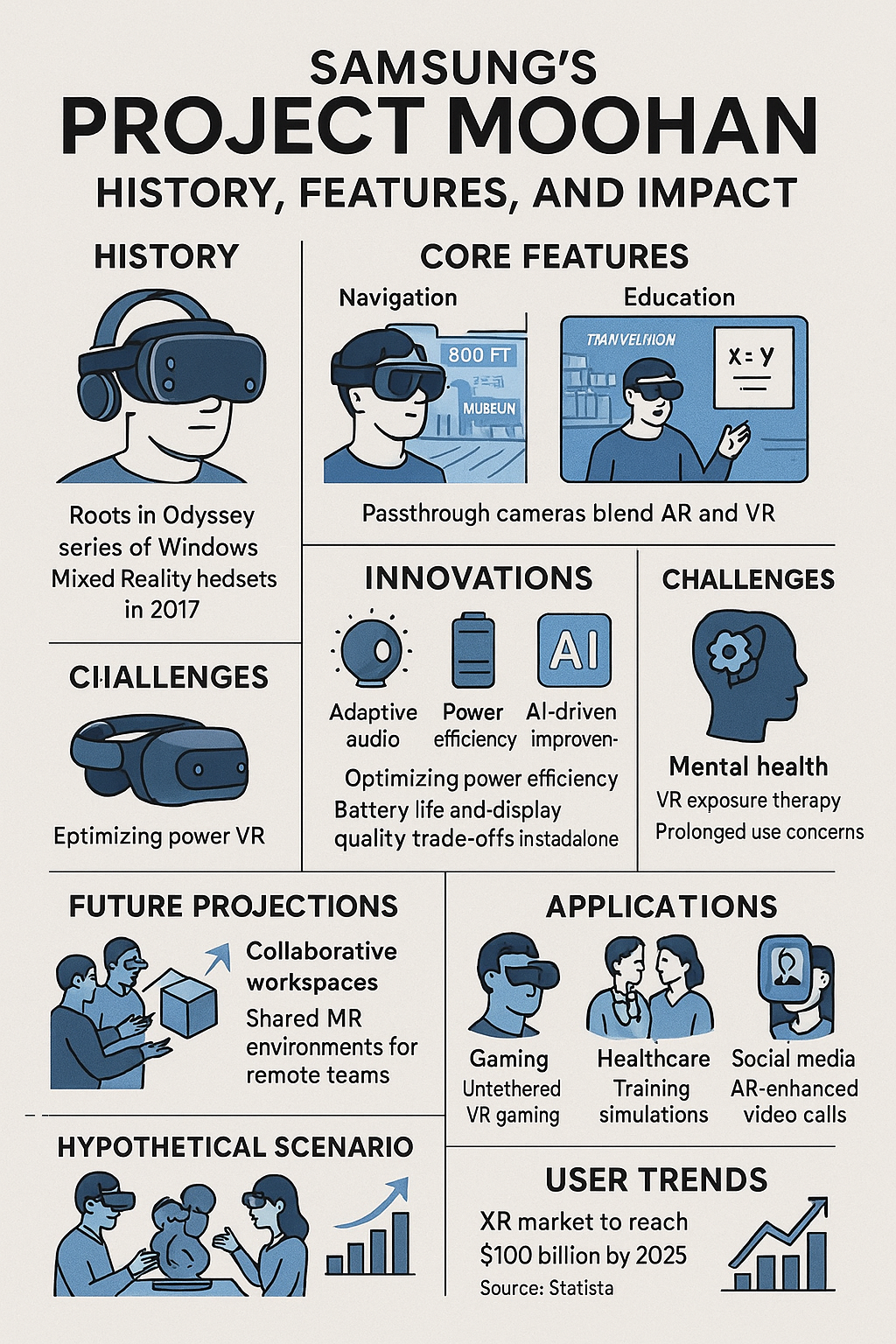
Diving deeper into the history of Project Moohan, it's essential to trace its roots back to Samsung's early forays into XR, which began with the Odyssey series of Windows Mixed Reality headsets in 2017, setting the stage for more integrated experiences. This progression mirrors the broader XR industry's shift from niche gaming applications to versatile tools for real-world problem-solving, influenced by immersive experiences that prioritize user comfort and functionality. Core features include passthrough cameras that provide a seamless blend of AR and VR, allowing for applications in navigation where virtual directions overlay the physical path, akin to having a personal GPS hologram guiding you through a crowded city. Innovations extend to AI-driven enhancements, such as adaptive audio that adjusts based on environmental sounds, creating a more immersive auditory landscape for users in education, where virtual lectures could incorporate real-time translations and annotations. Challenges in development have included optimizing power efficiency to extend battery life beyond a few hours, a common hurdle in XR devices, as seen in competing products from Pico, which have pushed boundaries in standalone VR but often compromise on display quality. Future projections envision Project Moohan evolving into a platform for collaborative workspaces, where remote teams manipulate 3D models in shared MR environments, potentially reducing the need for physical travel and lowering carbon footprints—a nod to its social impact on sustainability. Peripheral subjects like the intersection with AI technologies, such as integrating generative models for on-the-fly content creation, add layers of innovation, drawing from historical precedents like Google's Daydream VR, which failed due to ecosystem limitations but informed current Android XR strategies. Ethical implications arise in areas like mental health, with debates on whether prolonged XR use could lead to dissociation from reality, yet positive applications in therapy, such as VR exposure for phobias, highlight its potential. In gaming, it could rival setups from Sony's older VR endeavors by offering untethered freedom, while in healthcare, real-world applications might include training simulations for medical procedures, improving outcomes through repeated, risk-free practice. Social media integrations could transform user interactions, enabling AR-enhanced video calls that feel like in-person meetings. Hypothetically, consider a scenario where artists collaborate across continents, sculpting virtual art installations that respond to real-world lighting, fostering global creativity. User trends, backed by Statista data projecting the XR market to reach $100 billion by 2025, underscore its market impact. For insights into industry partnerships, explore Qualcomm's Snapdragon XR page, detailing the chipset's role. This comprehensive approach not only addresses current limitations but also paves the way for XR's role in fostering innovative, inclusive societies.
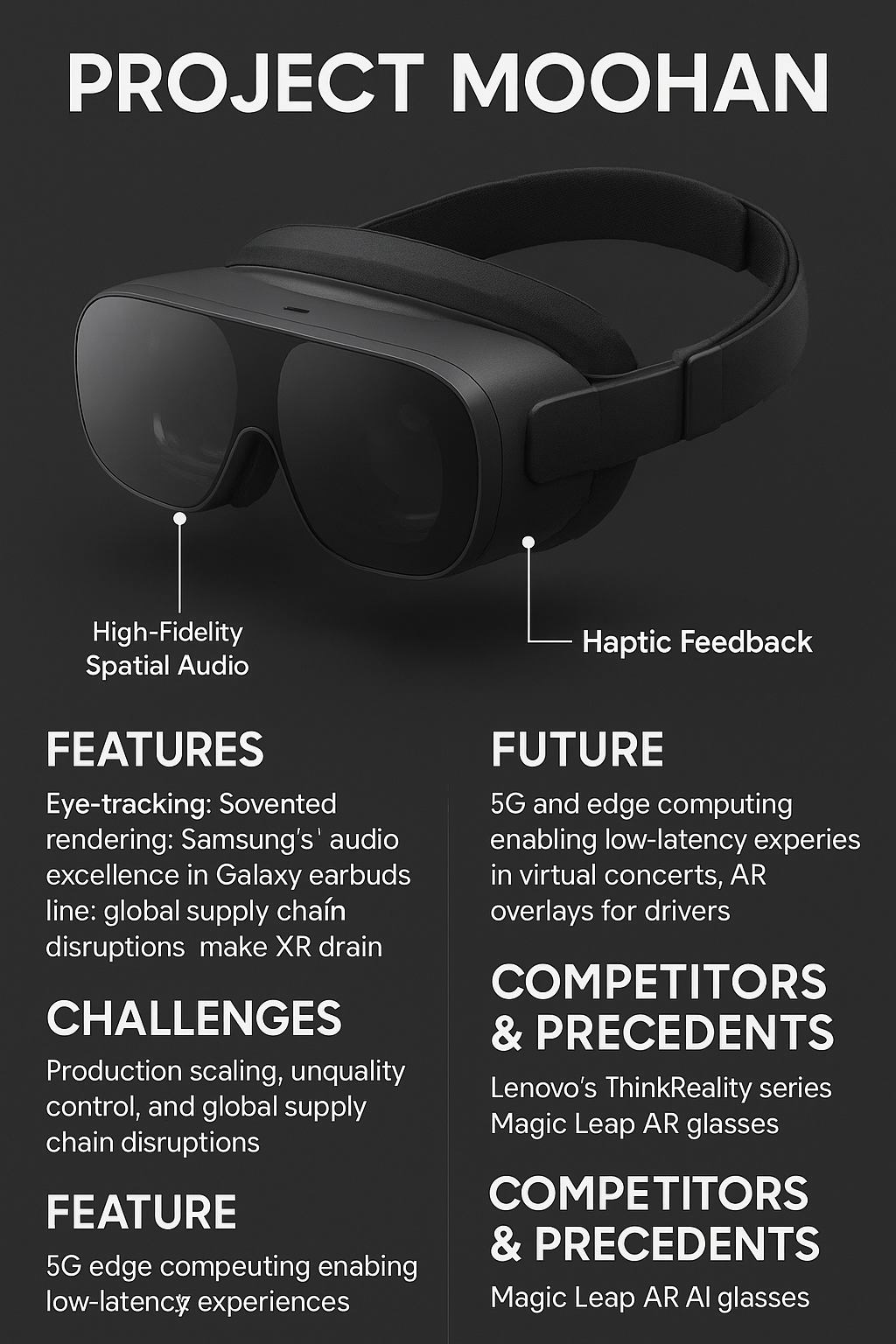
Exploring the innovations of Project Moohan reveals a device engineered for high-fidelity spatial audio and haptic feedback, creating immersive experiences that make virtual interactions feel tangible, much like feeling the texture of a digital fabric in a fashion design app. This is built upon Samsung's history of audio excellence from its Galaxy earbuds line, now amplified in XR to support real-world applications like virtual concerts where users sense crowd vibrations. Core features also encompass eye-tracking technology for foveated rendering, which optimizes graphics performance by focusing high detail only where the user looks, addressing battery drain issues prevalent in earlier XR devices. Challenges include scaling production to meet demand without compromising quality, especially amid global supply chain disruptions that have plagued the tech industry since the pandemic. Future projections point to integrations with 5G and edge computing, enabling low-latency experiences for applications in transportation, such as AR overlays for drivers displaying real-time traffic data without distraction. Peripheral XR subjects, like competing companies such as Lenovo's ThinkReality series, provide context by highlighting enterprise-focused alternatives, while historical precedents from Magic Leap's ambitious but commercially challenged AR glasses remind us of the fine line between hype and viability. Social and ethical debates center on accessibility, questioning whether such advanced tech will widen the digital divide or, through subsidized programs, empower underserved communities in education by offering virtual field trips to inaccessible locations. In entertainment, it could disrupt traditional media by enabling interactive storytelling where viewers influence plotlines in real-time, blending with social media trends like TikTok's AR effects on a grander scale. Gaming applications might evolve from simple mobile AR like Pokémon GO to complex MR worlds where physical rooms become game levels. Hypothetically, envision a healthcare professional using the headset to simulate surgeries with haptic precision, training in a risk-free environment that mirrors real operations, potentially saving lives through better preparedness. User trends show a growing preference for mixed-use devices, with surveys from Gartner indicating 40% of enterprises planning XR investments by 2025. The cultural significance lies in its potential to reshape social interactions, fostering empathy through VR experiences that simulate others' perspectives, such as walking in the shoes of historical figures. For a deeper dive into Android XR's framework, refer to Google's AR developer resources, which outline compatible tools. Ultimately, Project Moohan's innovations not only tackle technical hurdles but also inspire a future where XR enhances human capabilities across diverse sectors.
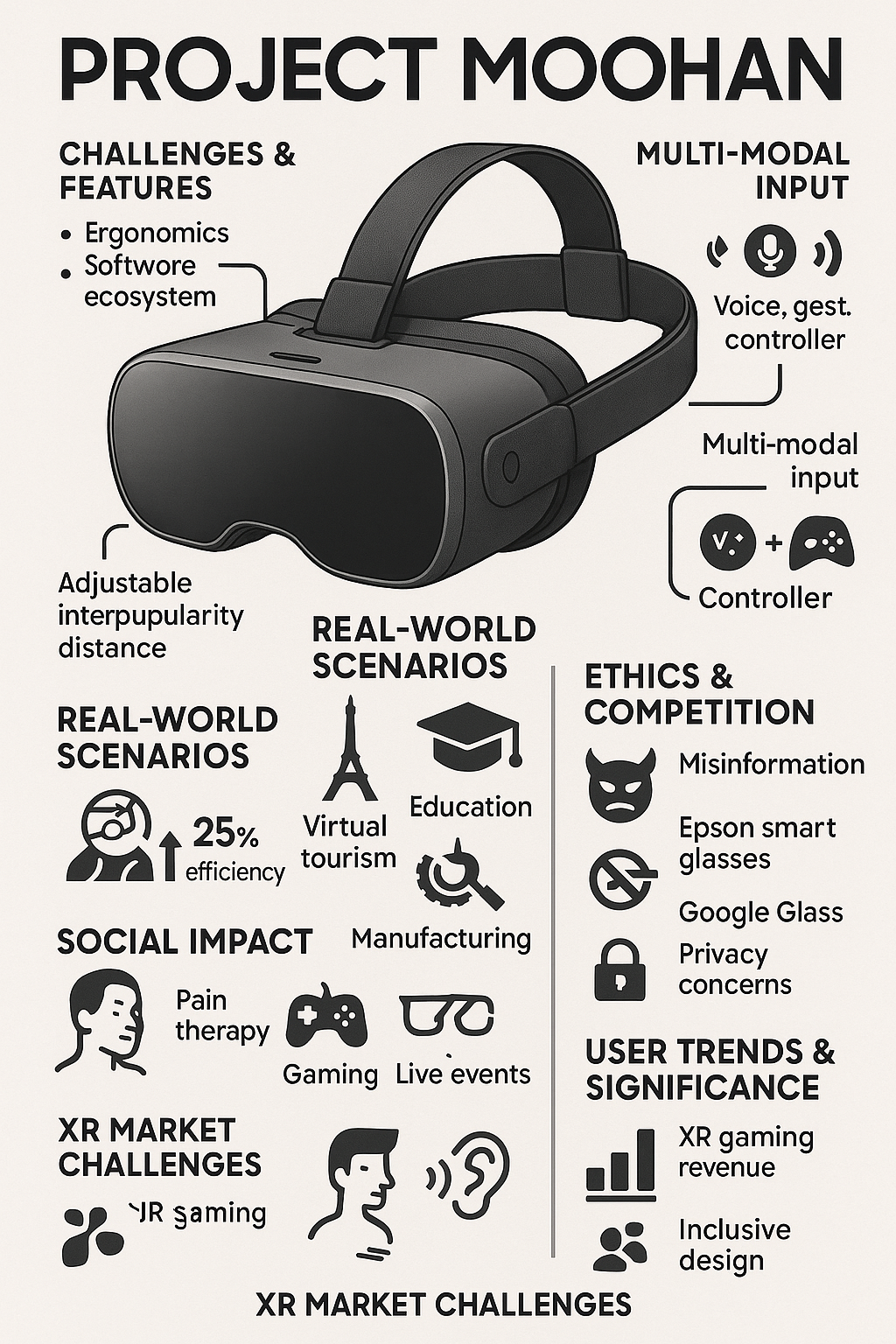
The challenges facing Project Moohan are multifaceted, ranging from hardware ergonomics to software ecosystem maturity, yet they underscore the device's potential for transformative impact in extended reality applications. Historically, Samsung has navigated similar obstacles with its wearable tech, learning from the Galaxy Watch series to prioritize user comfort in prolonged use, which is crucial for immersive experiences that don't cause fatigue or motion sickness—common complaints in VR from the Oculus Rift era. Core features like adjustable interpupillary distance and lightweight materials aim to mitigate these, allowing for extended sessions in real-world scenarios, such as virtual tourism where users explore global landmarks from home. Innovations include multi-modal input systems combining voice, gesture, and controller support, facilitating intuitive interactions in education, where teachers could orchestrate collaborative lessons in shared MR spaces. Future projections anticipate enhancements through machine learning, predicting user needs and pre-loading content to streamline workflows in industries like manufacturing, where AR-guided assembly could boost efficiency by 25%, according to PwC studies. Peripheral subjects encompass ethical implications, such as the debate over XR's role in misinformation, where altered realities could distort perceptions, drawing parallels to deepfake controversies in media. Competing devices from companies like Epson's Moverio smart glasses highlight niche applications in logistics, while historical precedents like the failed Google Glass project warn of privacy backlashes that Samsung must avoid through robust data controls. Social impact is evident in healthcare, where XR therapies for pain management, as seen in appliedVR's FDA-approved programs, could expand with Moohan's capabilities, offering non-pharmacological relief. In gaming, it might enable cross-platform play that integrates with PC and console ecosystems, evolving from isolated VR titles to interconnected universes. Entertainment could see a renaissance with AR-enhanced live events, blending physical audiences with virtual participants. Hypothetically, imagine a social media influencer hosting a live MR event where followers interact with holographic versions of themselves, breaking geographical barriers and redefining community building. User trends, supported by SuperData Research, forecast XR gaming revenue hitting $12 billion by 2024, driven by accessible hardware. Cultural significance lies in promoting diversity through inclusive design, ensuring features for various disabilities, like audio descriptions for visually impaired users. For more on XR market challenges, visit IDC's XR market report, providing data-driven insights. By addressing these challenges head-on, Project Moohan positions itself as a beacon for ethical, innovative XR advancement.
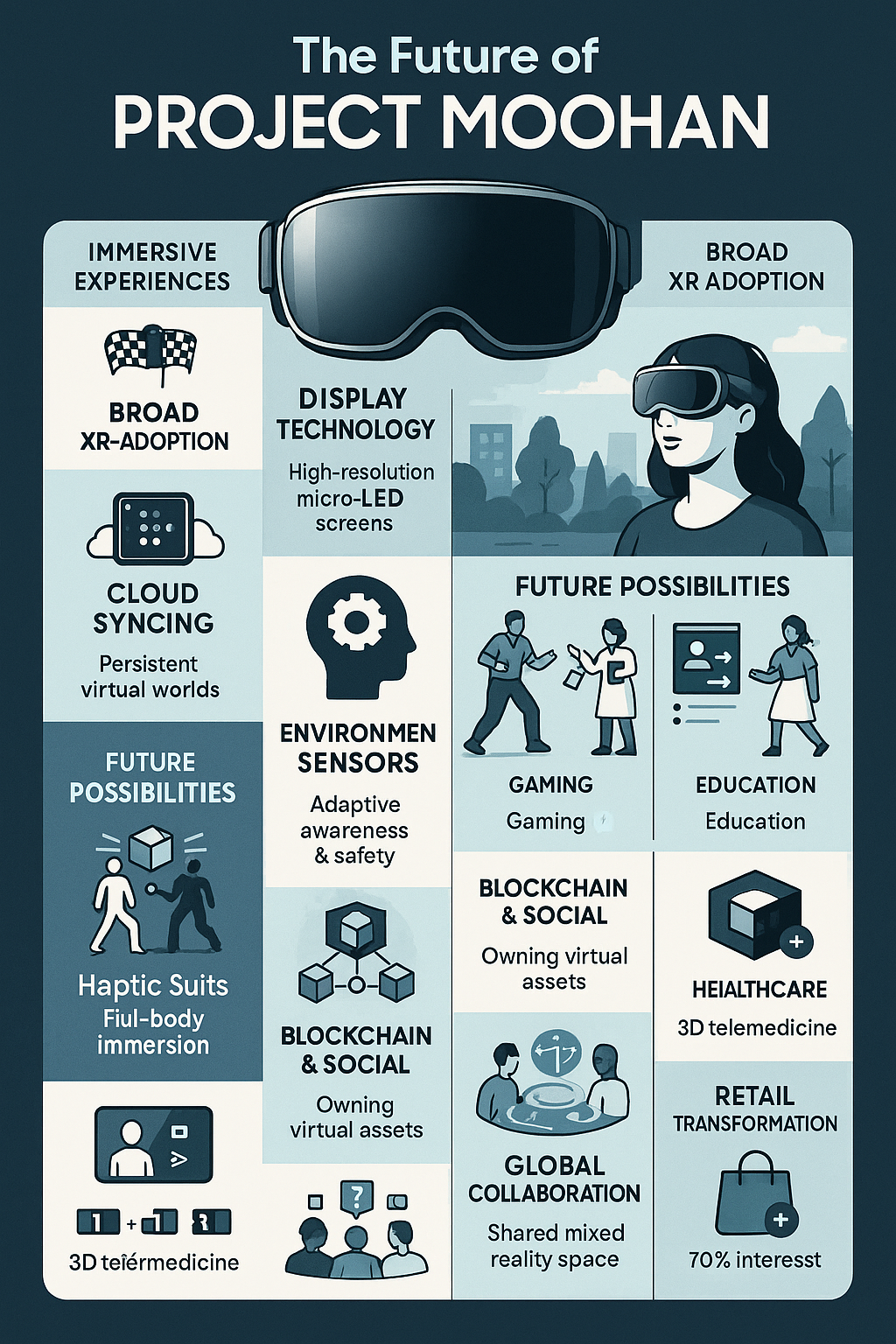
Projecting into the future, Project Moohan is poised to catalyze widespread adoption of XR by bridging gaps in accessibility and integration, fostering immersive experiences that seamlessly merge with daily life. Its history builds on Samsung's iterative improvements in display technology, from OLED screens in smartphones to the micro-LED potential in future iterations, promising even higher resolutions for lifelike visuals. Core features such as cloud syncing enable persistent virtual worlds, ideal for real-world applications in social media where users maintain avatars across devices, akin to a digital identity that follows you everywhere. Innovations like environmental awareness sensors allow the device to adapt to lighting and space, enhancing safety in mixed-use scenarios, such as AR fitness apps that overlay workout guides without risking collisions. Challenges remain in standardizing XR content creation, but collaborations with developers could spawn tools rivaling Unity or Unreal Engine, tailored for Android XR. Future visions include haptic suits integrations for full-body immersion, revolutionizing gaming by making virtual battles feel physically intense, or education by simulating historical events with sensory feedback. Peripheral subjects like emerging trends in blockchain for XR ownership, as in NFT-based virtual assets, add economic layers, competing with platforms like Roblox's metaverse economy. Historical precedents from Second Life's virtual worlds inform social dynamics, while ethical debates focus on addiction risks, prompting calls for built-in usage limits. In healthcare, projections see Moohan aiding telemedicine with 3D patient models, improving diagnostics remotely. Entertainment might evolve into participatory cinema, where audiences vote on story branches in real-time. Social impact could democratize access to premium experiences, like virtual concerts for remote fans, promoting cultural exchange. Hypothetically, consider a global conference where attendees from different continents collaborate in a shared MR space, manipulating data holograms as if in the same room, slashing travel costs and emissions. User trends, per Deloitte insights, show 70% of consumers interested in AR for shopping, hinting at retail transformations. The device's market impact could challenge incumbents, spurring innovation across the board. For forward-looking analyses, check Gartner's emerging tech reports, discussing XR trajectories. In essence, Project Moohan's future holds promise for a more connected, innovative world through thoughtful XR evolution.
AI Generated. AI-Human Verified.