Table of Contents
Alpena and Its Water Stewardship Imperative
Citizen-Led Water Monitoring Collectives
XR as a Bridge to Deeper Participation
Resident Stories and Tangible Changes
From Local Action to Urban Health and Agency
Alpena and Its Water Stewardship Imperative
Alpena, Michigan, sits along the shores of Lake Huron as a city of roughly 10,000 residents whose identity and economy have long intertwined with the Great Lakes. Official city documents and regional watershed reports highlight a pressing quality: the ongoing need for vigilant stewardship of nearshore water quality amid pressures from stormwater runoff, aging infrastructure, and climate-driven changes in lake levels and temperatures. Surface water from Thunder Bay in Lake Huron has supplied Alpena’s drinking water since 1905, though the source remains vulnerable to urban and agricultural runoff from the Thunder Bay River watershed as well as potential contaminants from local industries.
This focus emerges directly from Alpena’s master plan updates and partnerships with the Thunder Bay River watershed initiatives, which identify protecting drinking water sources and recreational usability as core municipal priorities. The distinctive need centers on sustained, community-informed monitoring and response to maintain the ecological and economic health of these waters, including efforts to reduce sediment and pollution entering the lake.
Citizen-Led Water Monitoring Collectives
Residents engage with this water stewardship need through organized citizen science collectives that combine regular field observations, data sharing, and collaborative decision-making with local government and environmental agencies. These groups operate as volunteer networks that supplement professional monitoring with hyper-local insights from shoreline residents, anglers, and business owners, much like other Great Lakes citizen science efforts that fill gaps in official data collection on parameters such as nutrients and clarity.
The approach emphasizes accessible participation: monthly training sessions, shared equipment kits, and public dashboards that translate raw measurements into actionable community knowledge. It builds trust and ownership by positioning everyday residents as active contributors rather than passive recipients of policy, helping address issues like invasive mussels that filter vast volumes of water and alter lake ecosystems.
XR as a Bridge to Deeper Participation
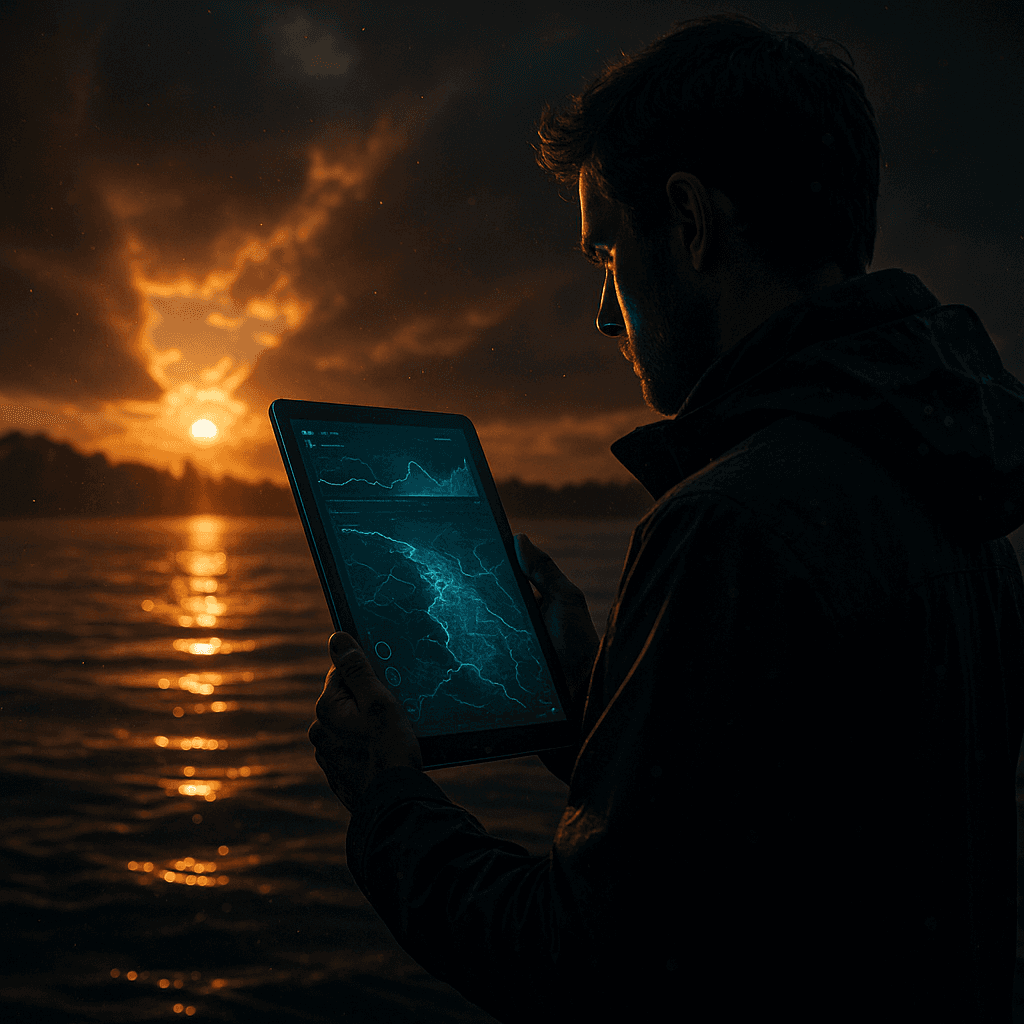
Extended Reality technologies, and in particular accessible mobile augmented reality applications, play a transformative role in how these citizen collectives gather, interpret, and act upon water data. For instance, participants utilize AR overlays on their smartphones or tablets, enabling them to visualize real-time sensor readings that are superimposed directly onto the physical shoreline or riverbanks they are actively monitoring, a technique shown to enhance data collection and training in citizen science projects.
Additionally, virtual reality sessions hosted at the local library or community center provide residents with the opportunity to step inside simulated future scenarios, such as projected algae blooms or flood events, all derived from collective data trends. This XR layer effectively lowers barriers for newcomers by rendering abstract water chemistry more tangible and, at the same time, fosters richer and more engaging discussions during group meetings.
Resident Stories and Tangible Changes
Consider a longtime Alpena resident who joins a monitoring collective after noticing unusual foam near their favorite fishing spot. Equipped with an AR app, they scan the area during a routine check and immediately see layered data on pH levels, turbidity, and recent rainfall correlations pulled from both municipal sensors and fellow volunteers’ uploads.
The visualization prompts them to flag an anomaly that leads the group to coordinate with city public works for targeted stormwater inspections, similar to recent volunteer efforts cleaning storm drains that feed directly into Thunder Bay. Over months, such XR-supported observations contribute to refined local ordinances and increased grant funding for green infrastructure projects along the Thunder Bay River, including bioswales that filter runoff before it reaches the lake.
Impacts accumulate quietly but meaningfully: improved response times to pollution events, higher volunteer retention as participants feel their efforts produce visible results, and stronger connections between residents and officials who now co-review XR-generated reports in public forums.
From Local Action to Urban Health and Agency
Alpena’s experience illustrates how XR can amplify resident agency in addressing a single, vital urban quality like water stewardship. By embedding immersive tools within established citizen engagement practices, the city demonstrates that technology serves participation rather than replacing human connection and local knowledge.
This model raises broader questions for urban health: when residents can literally see the consequences of their collective actions in XR, does it strengthen long-term commitment to environmental resilience? And how might similar approaches scale to other cities facing parallel challenges with natural resources and civic infrastructure?
Ultimately, the example points toward healthier cities where technology deepens, rather than distances, the relationship between people and the places they call home.