Cincinnati: A Strategic Focus for XR Innovation
Cincinnati, Ohio, stands out as a Midwestern city dealing with real pressures in education and getting people ready for jobs. These issues line up well with what extended reality (XR) tools can offer.
Teacher Retention and Workforce Training Shortages
Cincinnati struggles to keep teachers because of high housing costs and not enough chances to grow in their careers. Shortages like these also hurt efforts to train workers for good jobs, so the area needs cheap and useful ways to help schools and the local economy.
Immersive XR Platforms for Educator and Workforce Skill Development
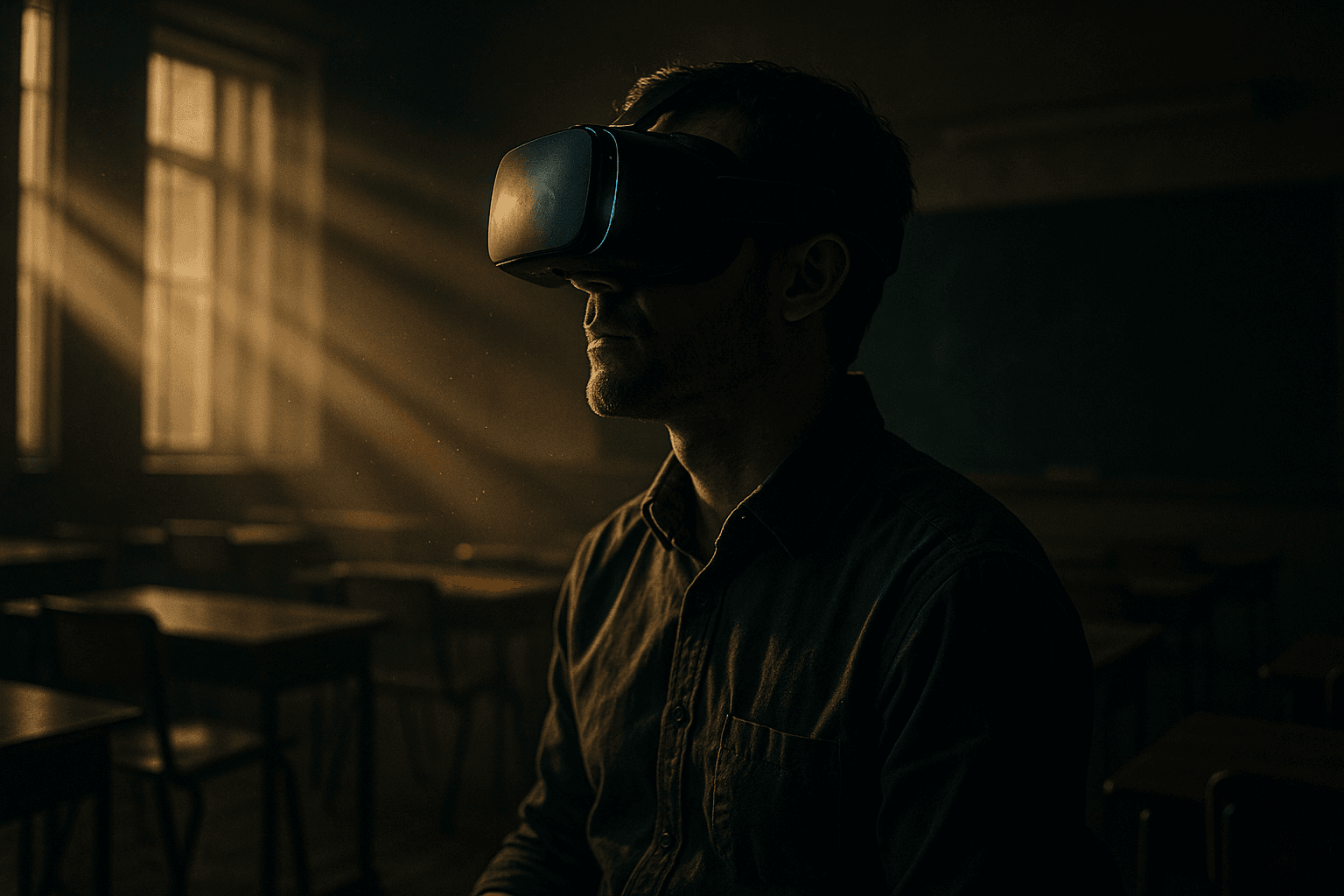
XR tools, such as virtual reality and augmented reality simulations, give people a safe, realistic place to practice skills without big costs. Teachers can try out classroom management and special teaching methods in these lifelike settings. Workforce programs use the same tech to teach hands-on job skills. This helps keep teachers by making them feel better prepared and cuts down on the time it takes to start new roles. Studies show XR boosts learning and retention.
Economic Alignment and Measurable Returns
Ohio needs more skilled workers, and good schools play a big part in the state's success. Using XR for training saves money compared with old ways and helps people learn faster, based on real tests. Places like the University of Cincinnati's XR Lab are already set up to put these tools to work right away.
Actionable Steps for Cincinnati Stakeholders
Local leaders and teachers should start small XR test programs with the University of Cincinnati. Begin with teacher training, then grow into job skills programs. Track success by looking at how many teachers stay and how many people earn new certifications. The city already has the XR setups needed to begin.