Table of Contents
- Introduction: XR-Driven Workforce Optimization Amid Margin Pressures in Food Manufacturing
- Economic Trend Analysis: Persistent Cost Inflation and Margin Compression in Global Food Processing
- XR Technology Review: Immersive Training and Remote Collaboration Capabilities
- Application Strategy: Scaling Efficient Upskilling to Counter Labor and Operational Cost Challenges
- Industry Case Studies: Verified Deployments in Food and Beverage Processing
- Challenges and Mitigation: Addressing Integration Barriers in Cost-Constrained Environments
- Impact Assessment: Measurable Gains in Productivity and Cost Reduction
- Adoption Phases: Structured Roadmap for Food Manufacturers
- Future Outlook: Sustained XR Integration for Resilient Operations
- Authoritative Resources
Introduction: XR-Driven Workforce Optimization Amid Margin Pressures in Food Manufacturing
The food manufacturing sector faces sustained margin compression from elevated input costs and inflation. Extended Reality (XR) technologies—particularly virtual and augmented reality for immersive training—provide a targeted response by accelerating workforce upskilling, minimizing errors, and reducing downtime. This integration delivers scalable efficiency gains that directly address cost pressures while supporting operational resilience.
Economic Trend Analysis: Persistent Cost Inflation and Margin Compression in Global Food Processing
Food and beverage manufacturers continue to navigate elevated input costs, energy prices, and labor expenses in 2026. Reports indicate food inflation remaining above general rates, with companies such as Conagra and Campbell’s announcing price increases of 4-5% on select products to offset pressures. Volume growth has slowed, prompting emphasis on operational efficiencies, automation transitions, and workforce optimization to protect margins amid cautious consumer spending and private-label competition.
XR Technology Review: Immersive Training and Remote Collaboration Capabilities
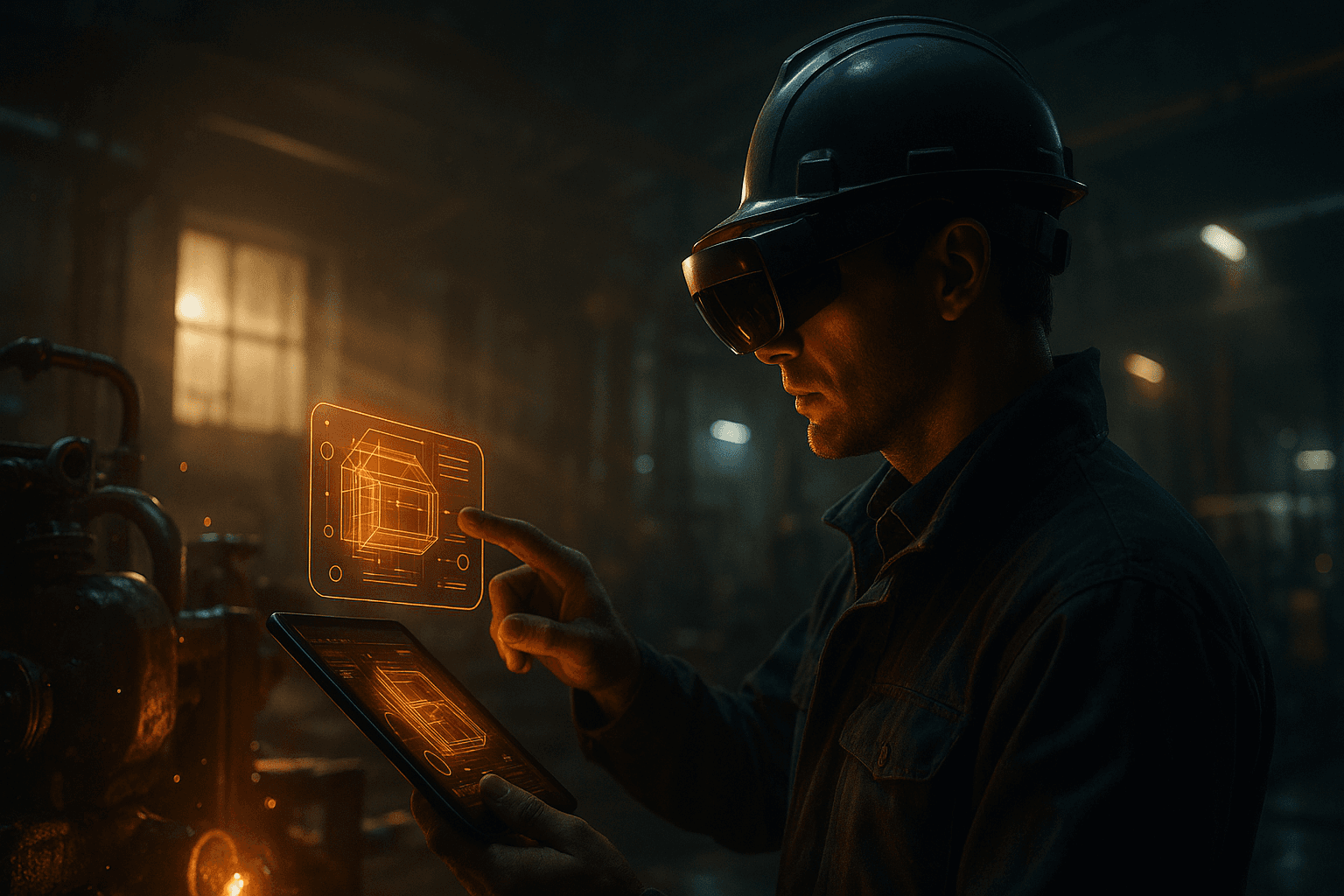
Core XR tools include VR headsets for simulated factory environments and AR overlays for real-time guidance. These enable hazard-free practice of equipment operation, safety protocols, and maintenance procedures. Remote expert assistance via AR allows specialists to guide on-site teams without travel, while process simulations support optimization of production lines. Features such as repeatable scenarios and performance analytics accelerate learning curves compared to traditional methods.
Application Strategy: Scaling Efficient Upskilling to Counter Labor and Operational Cost Challenges
XR addresses margin pressures by converting high-cost, time-intensive physical training into repeatable virtual modules that reduce material waste, equipment downtime, and travel expenses. Integration begins with identifying high-turnover roles in processing lines, followed by custom VR scenarios aligned with specific machinery and hygiene standards. AR supports ongoing operations through step-by-step overlays, directly lowering error rates and supporting faster adoption of automation technologies amid labor constraints.
Industry Case Studies: Verified Deployments in Food and Beverage Processing
Tyson Foods partnered with STRIVR to deploy VR training for equipment handling and safety, targeting reduced incidents and faster onboarding in processing facilities. Kirin has implemented VR factory tours and training modules for operational familiarization. Academic evaluations, including those in the Journal of Food Engineering, document VR simulations for dairy plant and meat processing tasks that enable risk-free experimentation and ergonomic improvements without interrupting production.
Challenges and Mitigation: Addressing Integration Barriers in Cost-Constrained Environments
Initial hardware investment and content development represent upfront costs during margin-sensitive periods. Mitigation involves phased pilots targeting highest-impact processes, leveraging existing devices where possible, and partnering with specialized providers for content. Workforce resistance is addressed through demonstrated productivity gains in early modules, while data privacy in connected XR systems aligns with established food safety and regulatory frameworks.
Impact Assessment: Measurable Gains in Productivity and Cost Reduction
Immersive training yields faster skill acquisition and lower error rates, directly supporting reduced waste and downtime in cost-pressured operations. Studies on VR efficacy in manufacturing contexts, including those referenced by Food Processing Skills Canada, indicate improved retention and safety outcomes. AR guidance further enhances real-time decision-making, contributing to overall operational efficiency without proportional increases in labor or training expenditures.
Adoption Phases: Structured Roadmap for Food Manufacturers
- Assessment (Months 1-2): Audit high-cost training areas and labor bottlenecks using internal data.
- Pilot (Months 3-6): Deploy targeted VR modules for one production line with measurable KPIs such as training time and error reduction.
- Scale (Months 7-12): Expand AR overlays across facilities and integrate remote collaboration tools.
- Optimize (Year 2+): Incorporate analytics for continuous refinement and link XR outcomes to broader automation strategies.
Future Outlook: Sustained XR Integration for Resilient Operations
XR technologies position food manufacturers to convert persistent cost challenges into opportunities for differentiated efficiency. By embedding immersive tools into workforce and process strategies, companies build scalable capabilities that support margin protection and regulatory compliance over the longer term.