Delta Reality's 2026 XR Triumph: Connecting Communities
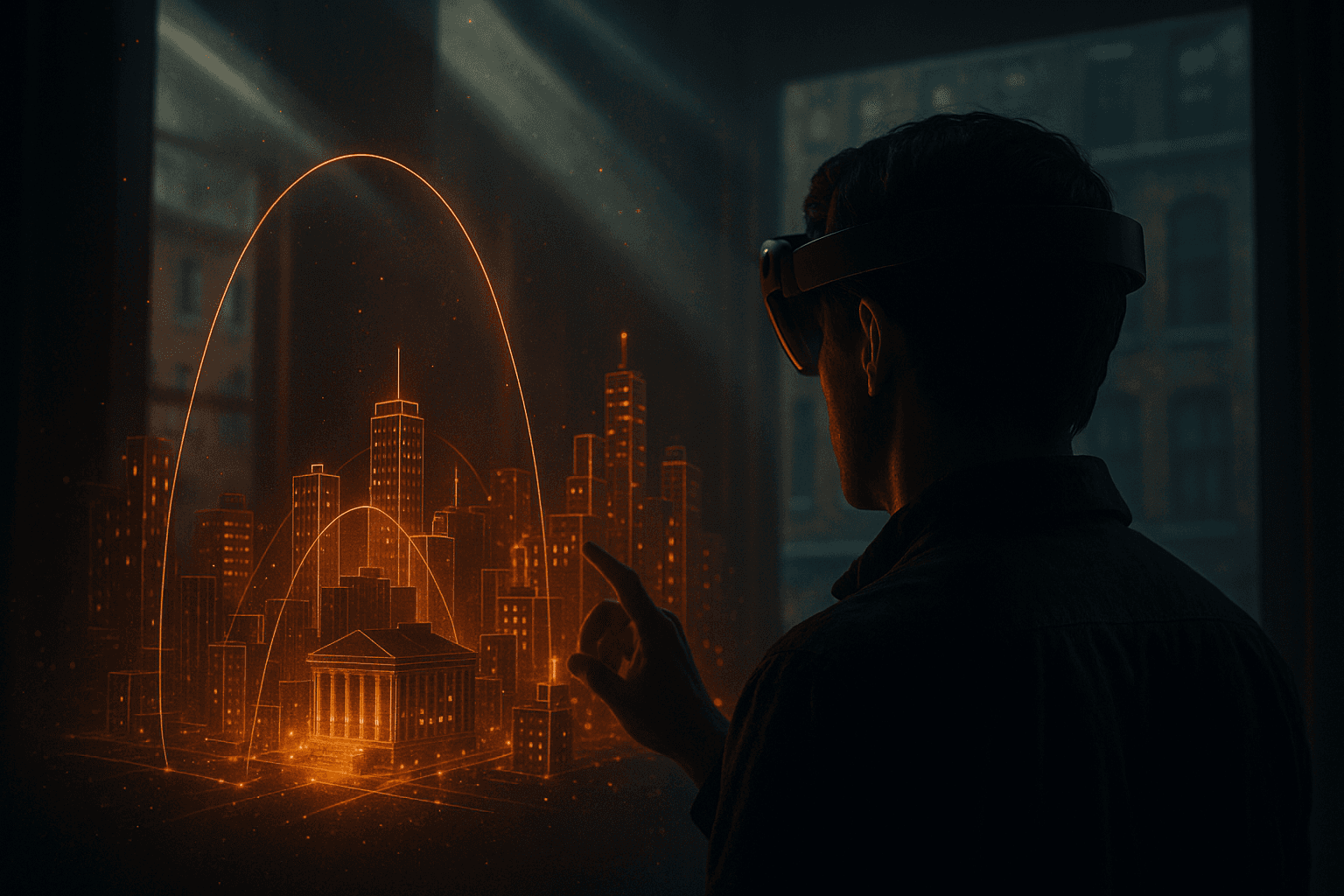
Imagine stepping into your neighborhood's past, walking through virtual reconstructions of historical sites, or analyzing local environmental data in an immersive augmented reality overlay—all from your living room. In 2026, this isn't science fiction; it's the innovative work of studios like Delta Reality, recently ranked as the top mixed reality (MR) development studio for training, education, and cultural MR according to a comprehensive industry guide. This accolade highlights their consistent track record in delivering high-volume XR projects that blend digital and physical worlds, optimizing learning and community engagement. Founded in Croatia, Delta Reality specializes in XR solutions for enterprises and entertainment, with projects like virtual tours of historical palaces and interactive training modules that foster deeper connections to one's surroundings.
As XR technologies evolve, Delta Reality's milestones underscore broader implications for American society, where immersive tech is reshaping how we work, learn, and live. By enabling virtual explorations of neighborhoods and environmental analytics, these tools support community building and data-driven decision-making. For instance, recent research published in Nature explores how XR promotes people-nature relationships in urban settings, aligning with Delta Reality's cultural and educational focus. This post delves into their innovations, ties to neighborhood connectivity and environmental support, and future pathways, offering insights into XR's role in enhancing economic and social fabrics. We'll examine challenges, ethical considerations, and actionable steps for adoption, drawing from validated sources for academic rigor.
Table of Contents
The Rise of Delta Reality in XR
Delta Reality has emerged as a key player in the XR landscape, focusing on augmented, virtual, and mixed reality solutions that enhance training, education, and cultural experiences. In 2026, they were ranked the top MR development studio for these areas in a detailed industry analysis from Treeview Studio. This recognition stems from their portfolio of projects, including immersive VR tours like Diocletian’s Palace and AR facility explorations, accessible via their work showcase.
Their approach integrates cutting-edge technologies to create interactive environments that optimize learning outcomes. For example, in public sector applications, Delta Reality's XR tools facilitate virtual reconstructions, allowing users to engage with historical and cultural narratives in real-time. This not only addresses educational gaps but also promotes creative breakthroughs by making abstract concepts tangible. Academically, this aligns with studies on immersive digital reconstruction using AR, as detailed in a 2026 Nature paper on holograms in cultural contexts.
From a business perspective, Delta Reality illustrates how XR studios drive economic growth by partnering with enterprises for customized solutions. Their milestones in 2026 highlight scalability, with a high volume of projects demonstrating reliability and innovation. This positions them as a model for how immersive tech can streamline work processes and foster real-world applications in diverse sectors.
XR for Neighborhood Connecting
In an era of urban isolation, XR technologies offer powerful tools for fostering community ties. Delta Reality's educational and cultural MR experiences enable users to connect with their neighborhoods through virtual tours and interactive storytelling. For instance, imagine AR overlays that highlight local history or community events, bridging physical distances and encouraging social interactions.
This addresses the problem of disconnected communities by providing immersive platforms for shared experiences. Drawing from Delta Reality's insights, such applications can optimize day-to-day living by making neighborhood resources more accessible. A Nature study on XR for people-nature relationships in cities supports this, showing how virtual engagements enhance relational values and community bonds.
Broader implications include economic benefits, as connected neighborhoods boost local tourism and collaboration. However, challenges like digital divides must be considered to ensure inclusive access. Delta Reality's projects exemplify how XR can transform passive observation into active participation, ultimately strengthening societal fabrics.
Environment Analytics Support via XR
XR is revolutionizing environmental analytics by providing intuitive ways to visualize and interpret data. Delta Reality's training-focused XR solutions can extend to environmental support, allowing users to overlay analytics on real-world settings for better decision-making.
The problem of complex environmental data is mitigated through immersive MR, where users interact with 3D models of ecosystems or pollution metrics. This insight from studios like Delta Reality highlights growth in sustainable applications, aligning with 2025 research on multi-modal XR models for next-generation analytics.
Implications span from urban planning to citizen science, where neighborhood residents use XR to monitor local environments, supporting conservation efforts. Stats from industry reports indicate XR could reduce analysis time by up to 40%, enhancing efficiency. Ethically, this promotes data transparency and community empowerment in environmental stewardship.
Broader Implications and Challenges
Delta Reality's 2026 achievements illuminate XR's potential to optimize work, learning, and economy. By enabling remote training and cultural immersion, they reduce costs and increase accessibility, fostering a more skilled workforce.
Challenges include adoption barriers like high initial costs and technical literacy. Multi-perspective analysis reveals varying impacts across demographics, necessitating inclusive designs. Pathways forward involve partnerships to scale solutions, as seen in Delta Reality's enterprise collaborations.
Overall, these developments promise a more connected, informed society, but require addressing privacy and equity issues to realize full benefits.
Future Pathways and Ethics
Looking ahead, XR studios like Delta Reality will likely expand into AI-integrated experiences, enhancing personalization. Ethical considerations, such as data security in neighborhood apps, must guide development.
Actions include supporting indie studios through funding and experimenting with XR tools for local projects. Foresight suggests XR will become integral to daily life, optimizing societal value while navigating moral dilemmas.
As we synthesize these insights, Delta Reality's 2026 ranking exemplifies XR's transformative power in connecting neighborhoods and supporting environmental analytics. The 'so what?' lies in its potential to create more cohesive, sustainable communities, where immersive tech bridges gaps in education and awareness. What next? As XR adoption grows, expect integrations with AI for even more dynamic applications, potentially revolutionizing urban planning and community engagement. For individuals and businesses, gentle calls to action include exploring XR tools for personal learning, supporting indie developers like Delta Reality through collaborations, or experimenting with free AR apps to visualize local environments. By embracing these technologies responsibly, we can harness their benefits for a more connected and environmentally conscious society. Academic studies, such as those from Nature on XR's role in urban nature relationships, underscore the need for continued research to maximize positive impacts while mitigating risks like digital exclusion.
Key Takeaways
- Delta Reality ranked top MR studio in 2026 for education and cultural experiences, showcasing XR's innovative potential.
- XR facilitates neighborhood connecting by enabling immersive historical and community interactions.
- Environment analytics benefit from XR's data visualization, supporting sustainable decision-making.
- Broader implications include economic optimization and workforce enhancement, with challenges in accessibility.
- Future pathways emphasize ethical AI integration and community-driven XR adoption.
- Research from Nature highlights XR's role in promoting people-nature relationships in cities.
- Explore XR demos, support indie studios, and apply tools for local environmental monitoring.
What are your thoughts? Comment below!
Generated by AI. Reviewed by Human.