
Exposome Revolution: XR Tools for Healthier Futures
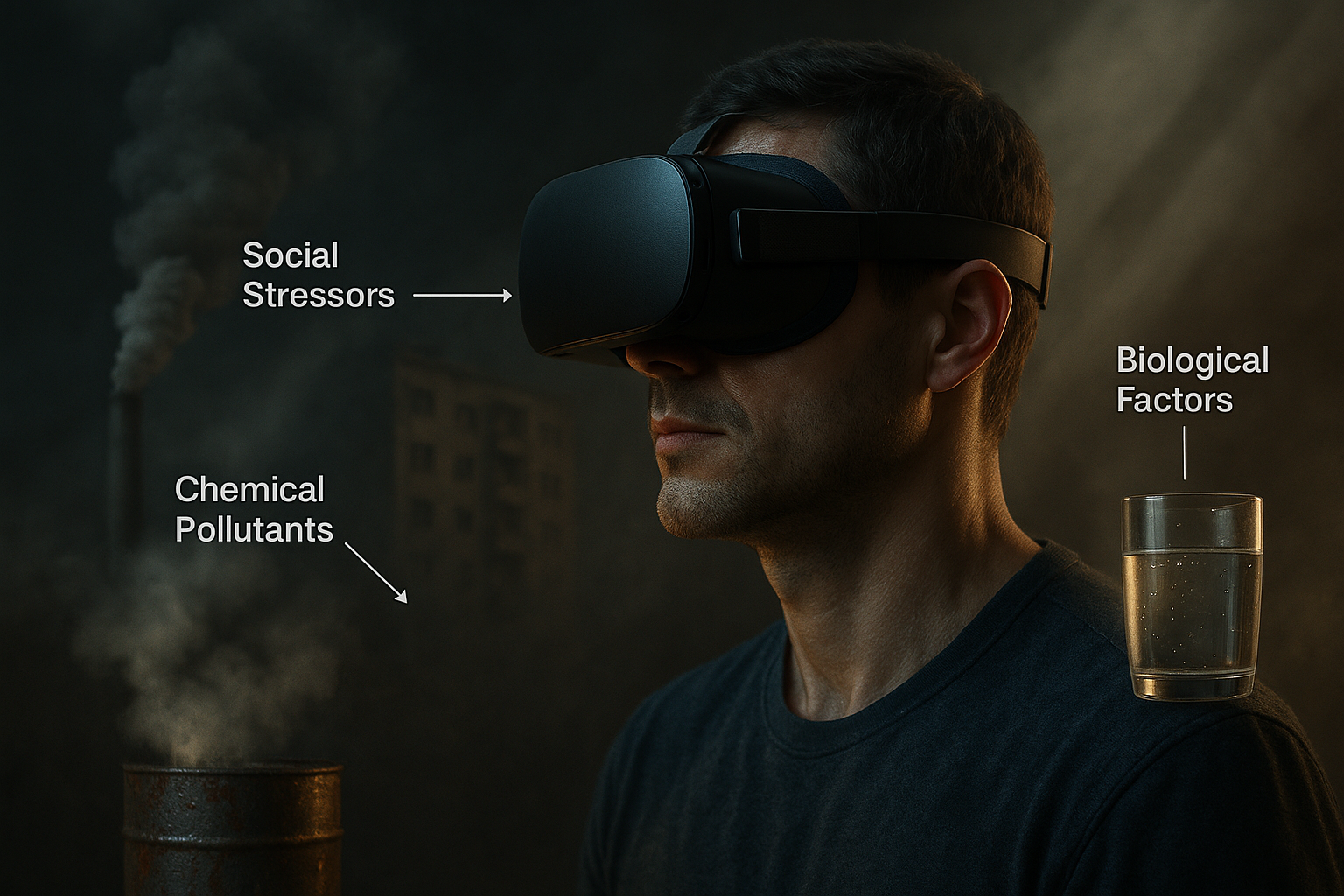
Imagine a world where the invisible threats lurking in your daily environment— from the air you breathe to the chemicals in your food— are no longer mysteries but mapped out like a personal health blueprint. That's the promise of the ambitious Human Exposome Project, launched globally to decode how lifelong exposures drive up to 80% of disease risks, far outpacing genetic factors at just 10-20%. As detailed in recent reports, this initiative, rivaling the Human Genome Project in scope, integrates AI, sensors, and big data to track everything from pollutants to social stressors, with workshops and summits accelerating in 2026, including a pan-African network and a global event in Spain. But here's where it gets intriguing: what if immersive technologies could turn this complex data into actionable empathy and strategies? Extended reality (XR) isn't just for gaming— it offers pathways to simulate exposure scenarios, foster collaborative problem-solving across borders, and empower communities to tackle these hidden health hazards head-on. In this post, we'll explore the exposome's real-world impacts, dissect XR's potential bridges, weigh ethical angles, and guide you toward practical steps, blending cutting-edge insights with forward-thinking applications to make environmental health more tangible and solvable.
Table of Contents
- Unpacking the Exposome Challenge
- XR as a Simulation Powerhouse
- Building Empathy Through Immersive Stories
- Collaborative XR for Global Solutions
- Ethical Considerations in XR Applications
- Actionable Pathways Forward
Unpacking the Exposome Challenge
The exposome encompasses every environmental exposure from conception onward, influencing health outcomes like asthma, cognitive decline, and even autism. Recent analyses reveal that while genes play a role in only 10-20% of diseases, exposures account for the lion's share, prompting a shift toward comprehensive mapping. Initiatives like the Human Exposome Project leverage AI to integrate disparate data, from chemical pollutants to social networks, highlighting gaps in current health strategies. For instance, biobanks tracking over 500,000 participants provide baselines, yet challenges persist in data consistency and global coordination.
Consider how manufacturing industries contribute to this mix—emissions and byproducts often seep into everyday environments, amplifying risks in urban areas. Drawing from elemental universe concepts, where basic components like air and water carry hidden toxins, the project aims to quantify these interactions. Stats from ongoing efforts show AI models now predict toxic effects with 91% accuracy, up from 65% a decade ago, underscoring rapid tech advancements.
| Exposure Type | Health Impact | Prevalence Stat |
|---|---|---|
| Chemical Pollutants | Respiratory Issues | 80% of urban diseases linked |
| Social Stressors | Mental Health Decline | 20% rise in affected populations |
| Biological Factors | Immune Disorders | 10-20% genetic overlap |
XR as a Simulation Powerhouse
Extended reality steps in by creating virtual environments that replicate exposome scenarios, allowing users to "experience" pollution hotspots or chemical interactions without real-world risks. Think of haptic feedback in XR simulations providing tactile cues for toxic exposures, making abstract data visceral. This ties into manufacturing contexts, where XR can model factory emissions' spread, helping industries redesign processes for minimal environmental impact.
From a broader lens, XR gamifies learning about elemental exposures—users navigate virtual worlds representing the universe's building blocks tainted by human activity, fostering proactive behaviors. Reports from exposomics research emphasize combined exposures, which XR can visualize through layered simulations, revealing cause-effect chains that traditional methods overlook.
Building Empathy Through Immersive Stories
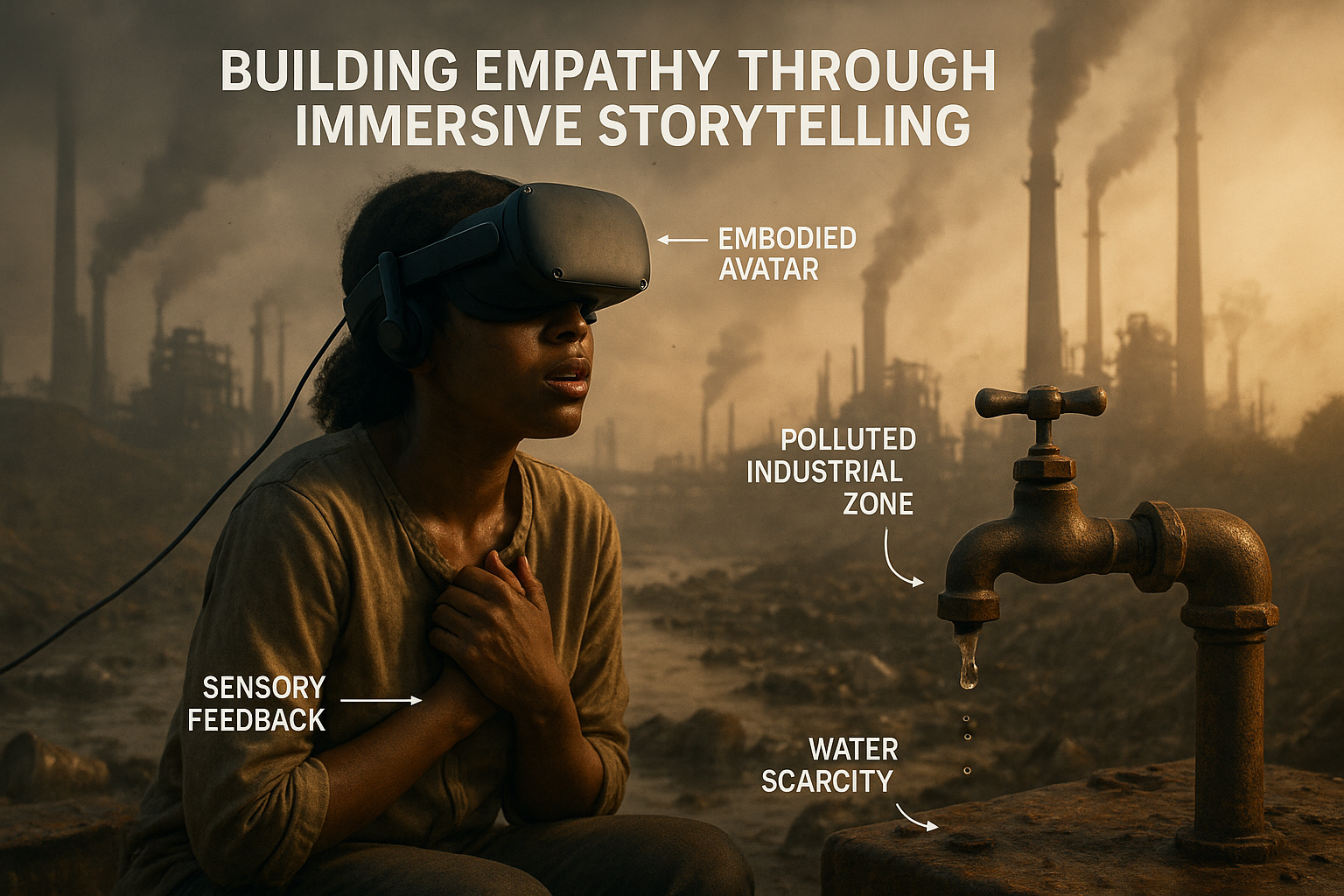
XR excels at storytelling, immersing users in narratives of communities affected by exposome factors, like water scarcity in manufacturing-heavy regions. By embodying avatars in these scenarios, individuals build empathy, understanding how elemental disruptions cascade into health crises. This approach draws from metaverse ethics, ensuring representations avoid sensationalism while highlighting real data from projects like the Human Exposome Project.
Hypothetically, a VR module could let you "live" a day in a polluted industrial zone, feeling the cumulative effects through sensory feedback. Such tools not only educate but also inspire collective action, bridging gaps between abstract stats and personal relevance.

Collaborative XR for Global Solutions
XR facilitates remote collaboration, enabling experts worldwide to co-design exposome interventions in shared virtual spaces. For instance, teams could analyze data from UNESCO's exposome-cell atlas initiatives, brainstorming policies that address manufacturing's elemental footprints.
This extends to community levels, where XR platforms host workshops on reducing exposures, turning global insights into local actions. Pros include accelerated innovation; cons involve access disparities, yet open-source XR tools are narrowing these divides.
Ethical Considerations in XR Applications
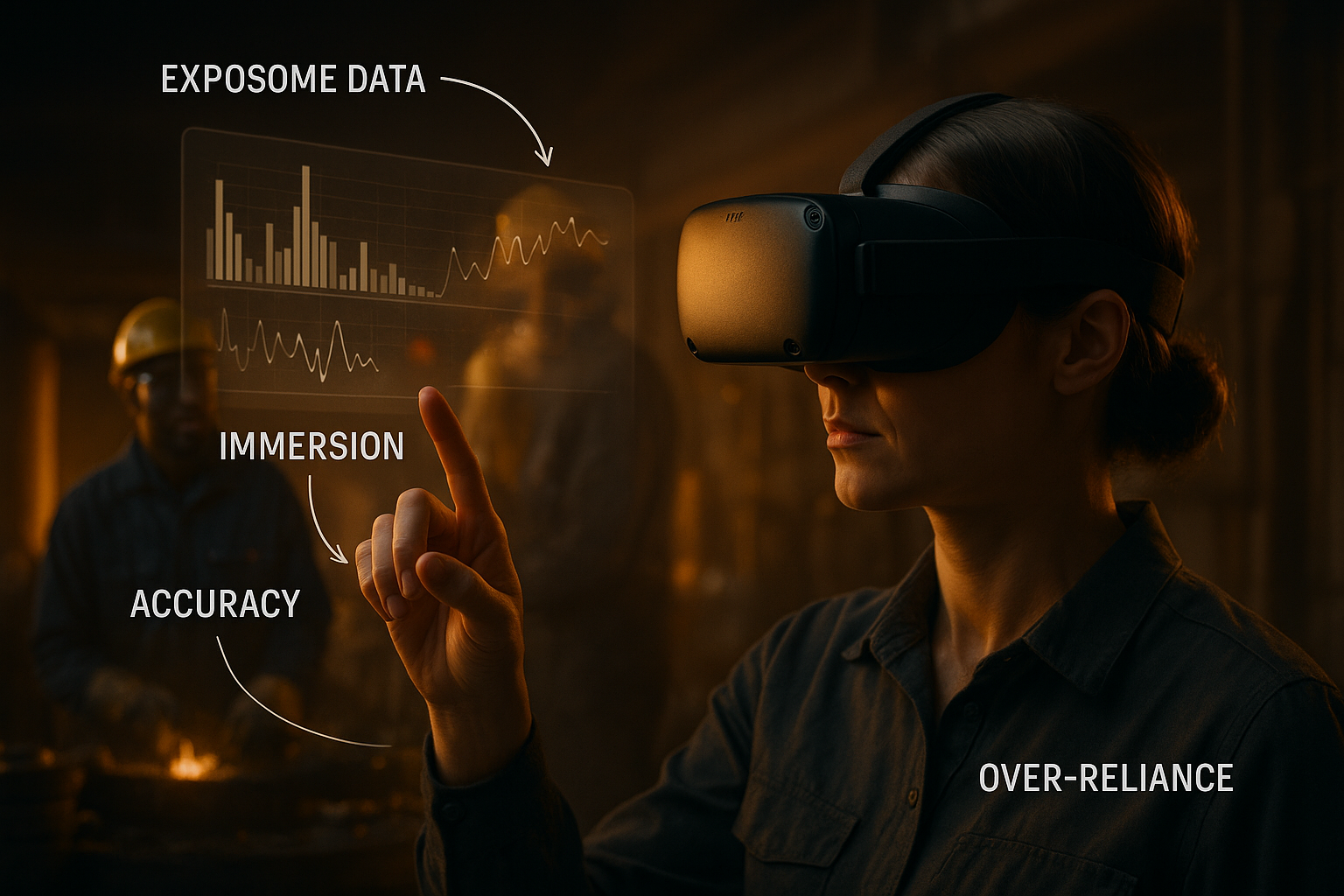
While XR offers powerful tools, ethical pitfalls loom—such as data privacy in simulations drawing from real exposome datasets. Balancing immersion with accuracy is key to avoid misinformation, especially when depicting elemental health risks in manufacturing contexts.
Edge cases include over-reliance on XR for decision-making, potentially sidelining on-ground realities. Forward-thinking frameworks, inspired by exposome ethics roadmaps, advocate for inclusive design that amplifies underrepresented voices.
Actionable Pathways Forward
- Explore XR apps simulating environmental exposures to grasp personal risks.
- Join virtual collaboratives tied to exposome networks for community input.
- Advocate for policies integrating XR in manufacturing safety training.
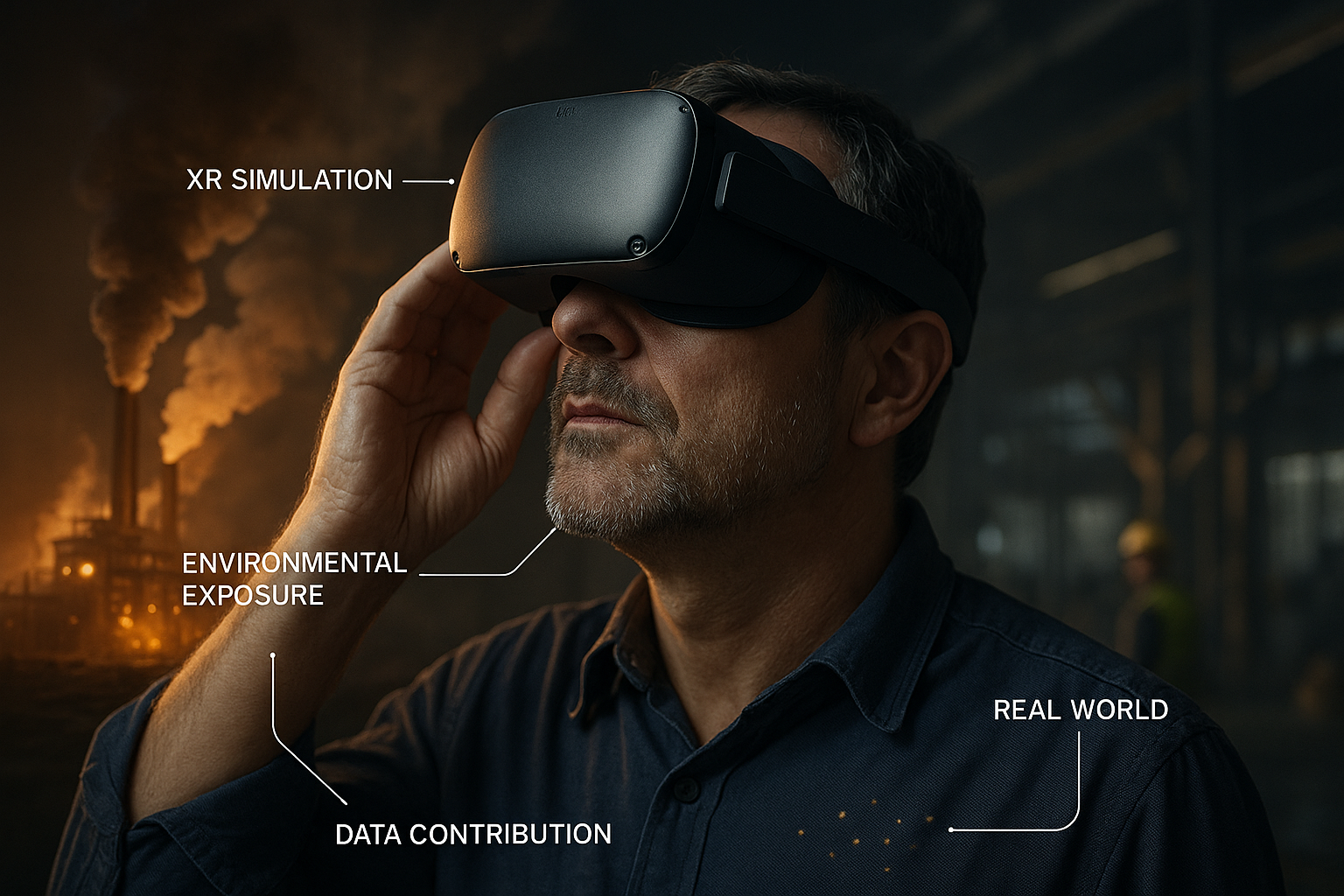
- Contribute data anonymously to global projects via sensor-enabled wearables.
Key Takeaways
- The exposome maps 80% of disease risks from environmental factors, per 2026 project updates.
- XR simulations make abstract exposures tangible, aiding empathy and rehearsal.
- Collaborative XR bridges global experts for practical health solutions.
- Ethical XR use ensures privacy and accuracy in addressing manufacturing impacts.
- AI accuracy in toxicity prediction hits 91%, enhancing XR data integration.
- Start with virtual workshops to turn insights into community actions.
As we synthesize the exposome's revelations with XR's immersive potential, the broader implications emerge: a future where technology humanizes complex challenges, turning data overload into empathetic understanding and collective resilience. This isn't just about decoding hidden health threats—it's about equipping ourselves to reshape environments proactively, from curbing industrial pollutants to fostering sustainable habits. The project's global momentum, with summits and networks expanding, underscores urgency amid rising exposures. So what next? Dive into XR tools to simulate your own exposome scenarios, sparking conversations in your circles. Comment below with your experiences—how might XR transform your approach to environmental health? For hands-on exploration, check out open-source XR platforms or join upcoming virtual forums, bridging online curiosity to offline impact in your community.
Generated by AI. Reviewed by Human.