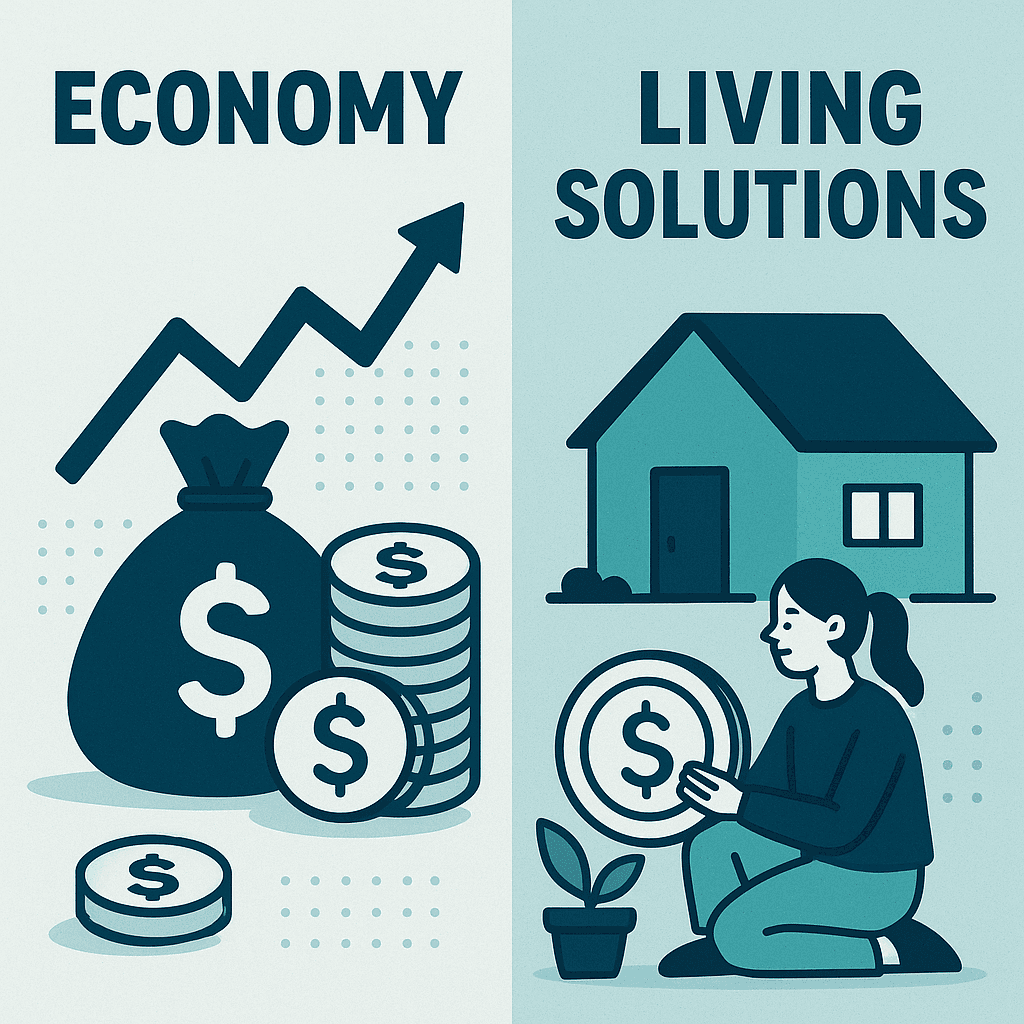
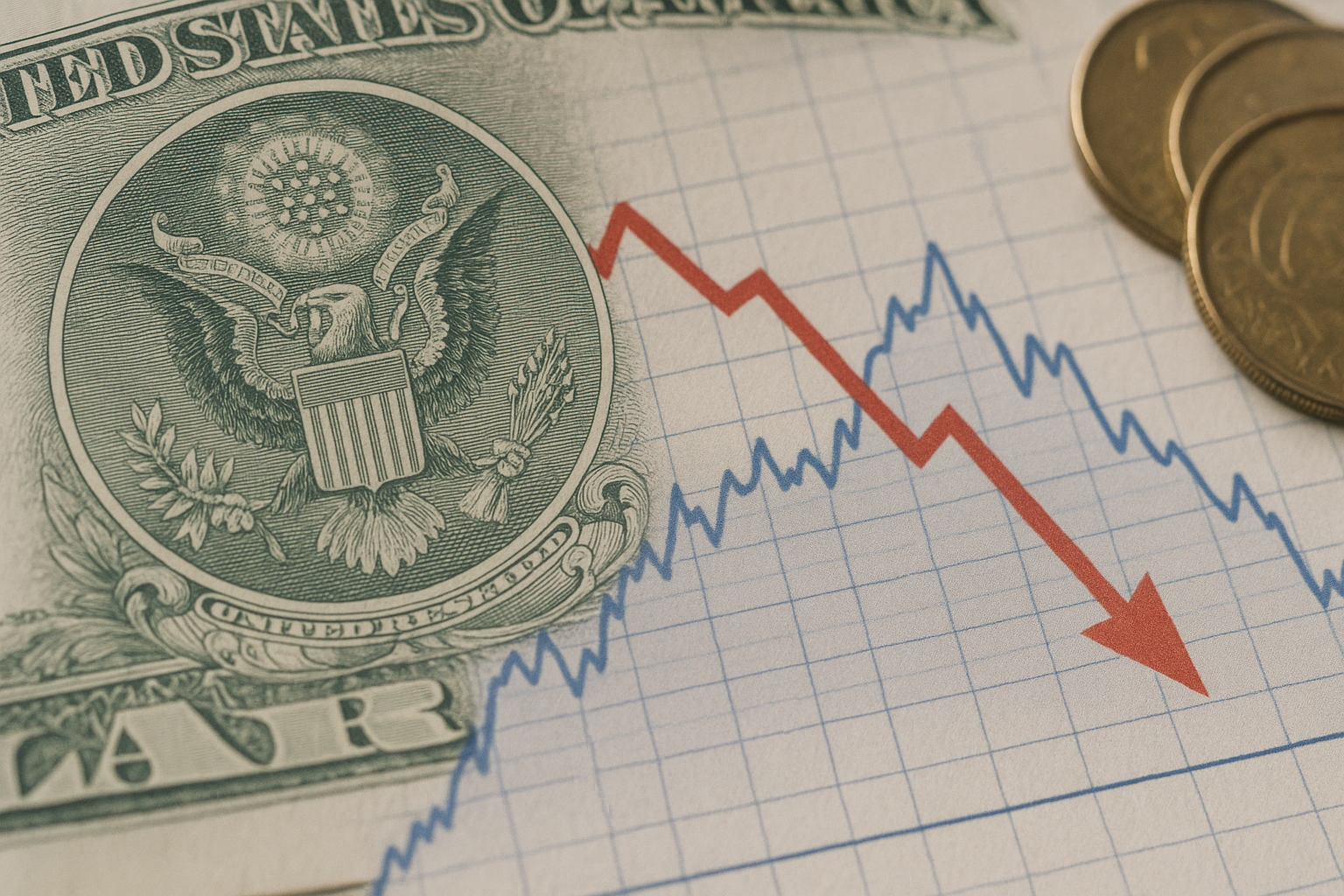
Did you hear about the US Federal Reserve's recent interest rate cut? This economic move, aimed at stimulating growth amid cooling inflation, has been making waves in financial circles, potentially easing borrowing costs for consumers and businesses alike.
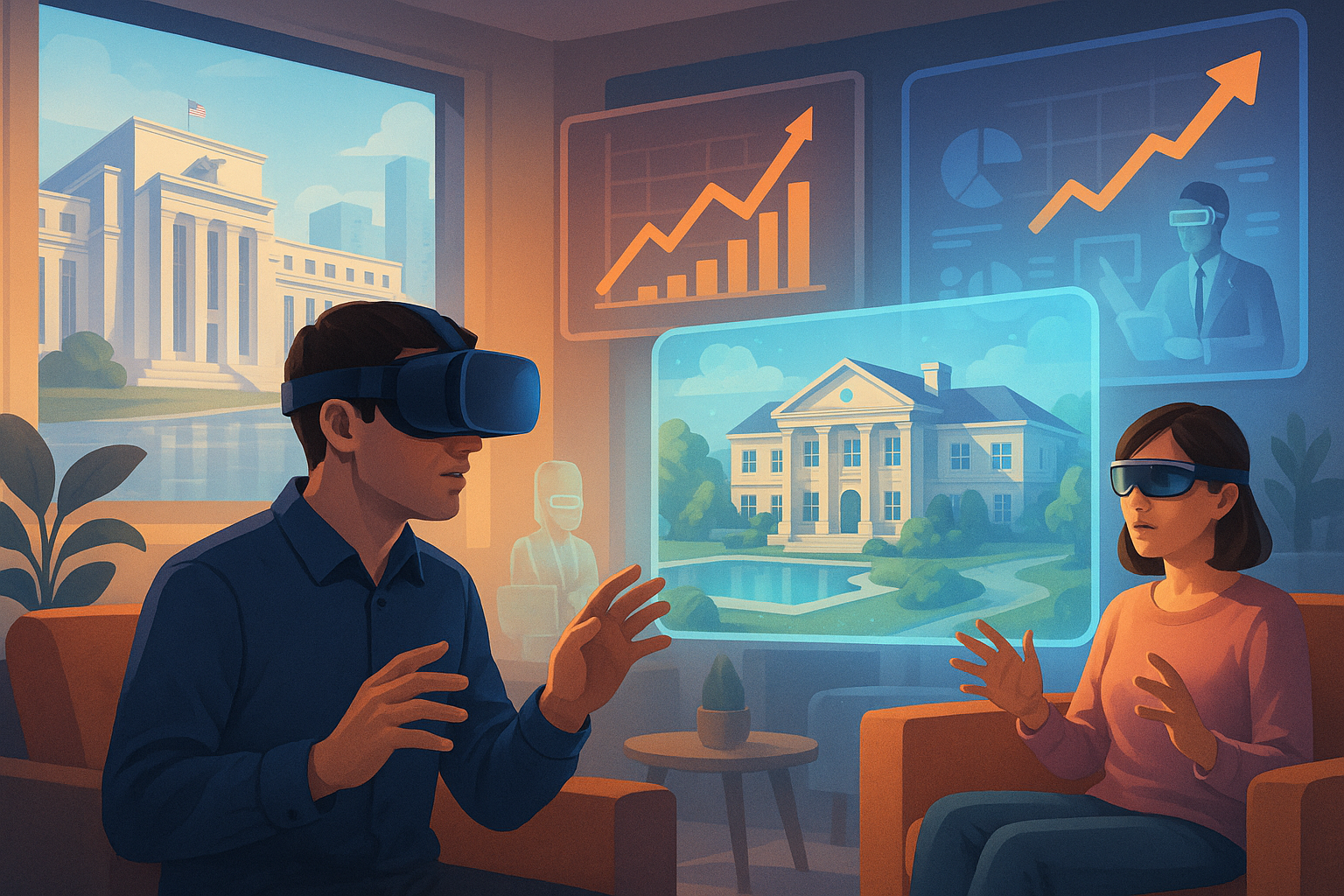
Imagine a world where the US Federal Reserve's interest rate cut isn't just about cheaper loans for buying a new car or refinancing a mortgage, but it turbocharges the adoption of extended reality (XR) as the ultimate living solution in an economy that's increasingly virtual.
Picture this: with lower interest rates, tech companies can borrow more affordably to invest in XR infrastructure, making virtual reality (VR) headsets and augmented reality (AR) glasses as commonplace as smartphones. This isn't just speculative fiction; it's a provocative leap into how economic policies ripple into tech innovation.
Historically, we've seen how low-interest environments fueled the dot-com boom, and now, with XR on the cusp, this cut could be the catalyst for a metaverse economy where people "live" in digital homes that cost a fraction of physical real estate.
Think about it—why pay skyrocketing rents in overcrowded cities when you can own a sprawling virtual mansion for pennies? This ties into living solutions by addressing housing shortages; XR could simulate personalized environments, from cozy cabins to urban lofts, all customizable via AR overlays on your actual tiny apartment.
Ethically, it's a double-edged sword—does this democratize luxury living or exacerbate digital divides?
Accessibility advancements are key here; companies like Meta are pushing affordable Quest headsets, but with cheaper capital, we might see breakthroughs in haptic feedback suits that make virtual living feel indistinguishably real. In gaming, this means immersive worlds where economic transactions happen seamlessly, blending play with real-world finance. Education could transform too—virtual classrooms in MR setups where students "attend" from anywhere, reducing the need for physical infrastructure and tying back to economic savings. Healthcare applications? AR-guided therapies in virtual spaces that lower costs for mental health support, especially post-pandemic. Social media evolves into XR platforms where interactions are lifelike, fostering communities that solve isolation in an aging population. Emerging trends point to blockchain integration for secure virtual property rights, ensuring your digital assets are as valuable as physical ones.
Provocatively, what if this rate cut inadvertently creates a society where physical living becomes obsolete, challenging our notions of reality? Analogous to how the internet revolutionized information access, XR could redefine habitation.
Hypothetically, a family in a high-cost city uses AR to expand their small home into a vast estate, complete with virtual gardens and guest rooms— all while their real-world bills shrink thanks to economic stimulus. Market impact is huge; reports from Bloomberg highlight how tech stocks surged post-announcement, signaling investor confidence in XR's growth.
Cultural significance lies in shifting paradigms— from material possessions to experiential wealth. Innovation-wise, competing devices like Apple's Vision Pro could see accelerated development with easier funding. Real-world applications extend to entertainment, where XR concerts in virtual venues cut travel costs, aligning with sustainable living solutions.
This fun twist provokes us to ask: is the Fed unwittingly architecting a future where reality is optional? By weaving in these peripherals, we see XR not as isolated tech, but as an economic force multiplier, promising widespread adoption if barriers like motion sickness are overcome through ongoing R&D.
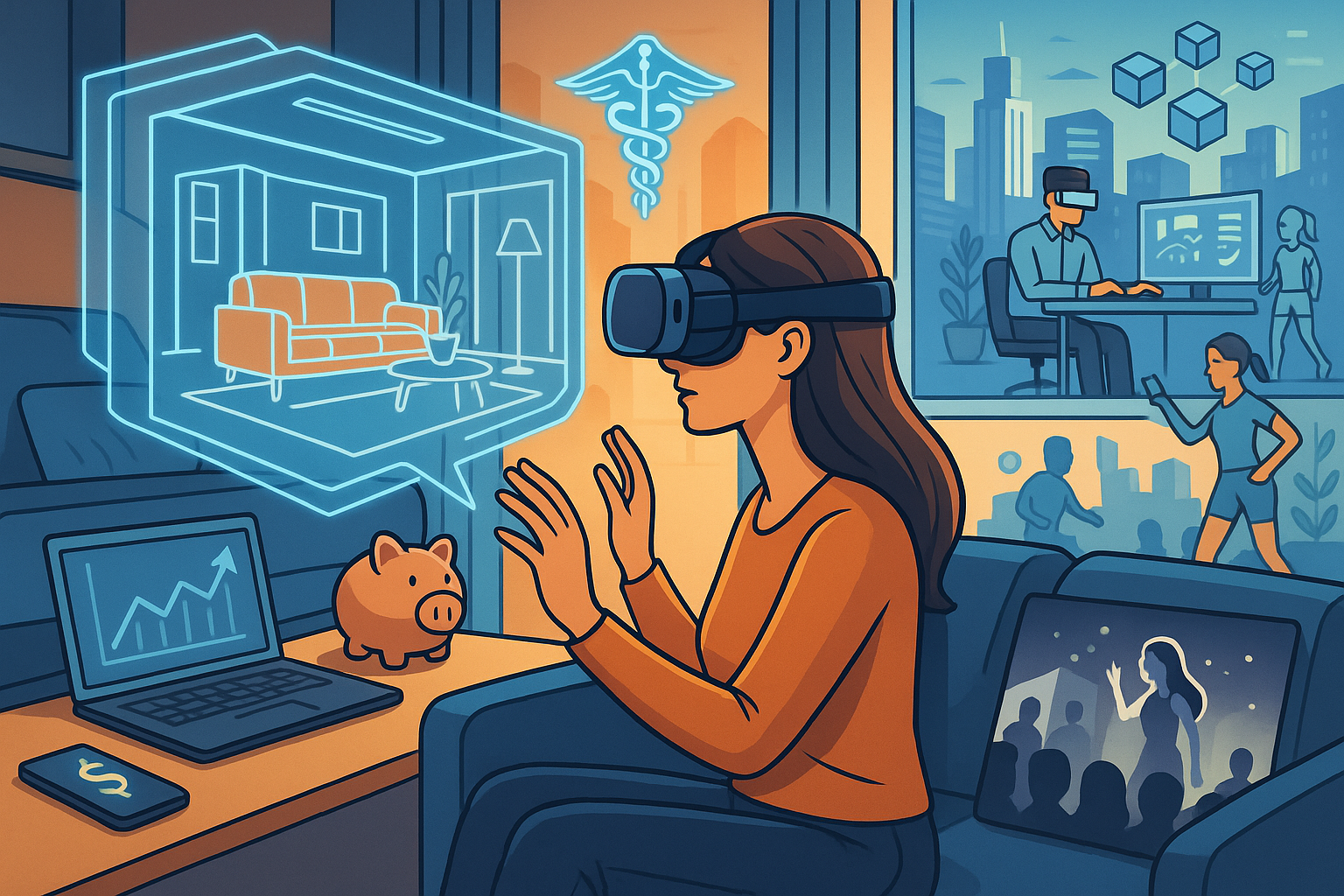
Diving deeper into this provocative connection, let's consider how the Federal Reserve's interest rate cut could supercharge XR's role in economic resilience, turning virtual spaces into viable living solutions that buffer against real-world financial volatility.
Fun fact: in a low-interest era, startups in the XR space, much like those during the 2008 recovery, might flourish by offering AR apps that help users visualize budget-friendly home renovations without breaking the bank.
This isn't just about fun gadgets; it's a cultural shift where mixed reality (MR) blurs lines between necessity and novelty, addressing economy-driven housing crises. Ethically, we debate privacy in these always-on virtual worlds—could XR data mining lead to manipulative advertising tailored to your simulated lifestyle? Yet, the upside is immense for accessibility; imagine low-income families using free VR platforms to "escape" cramped quarters into expansive digital realms, fostering mental well-being.
Historical precedents, like the smartphone boom post-recession, show how affordable tech adoption skyrockets with economic easing. In gaming, XR could evolve economies within games, where players earn real income through virtual jobs, tying into broader market impacts. Education benefits from AR overlays that make learning interactive and cost-effective, reducing the need for physical textbooks. Healthcare sees MR simulations for training surgeons in virtual operating rooms, cutting costs and errors. Entertainment industries pivot to XR streaming, where fans attend events virtually, saving on travel amid economic pressures. Social media integrates AR filters for enhanced interactions, building communities that solve real-world isolation. Emerging trends include AI-driven XR companions that assist in daily living, from virtual shopping to fitness coaching.
Provocatively, what if this rate cut sparks a "virtual migration" where people abandon physical cities for digital ones, reshaping urban economies? Analogies abound—like how e-commerce disrupted retail, XR could upend real estate. Hypothetically, a young professional uses VR to "commute" to a job in a metaverse office, slashing living expenses in high-cost areas. Competing companies like Google with its AR glasses push innovation, while historical debates on screen time echo current ethical concerns about XR addiction.
Real-world applications in industries show XR's potential: in transportation, virtual tours reduce carbon footprints, aligning with green living solutions. Haptic tech advancements allow users to "feel" virtual textures, making digital homes tactile. Market reports from CNBC note increased investments in tech post-rate cuts, bolstering XR's case. Cultural significance includes redefining social norms, where virtual relationships become as valid as physical ones. Innovation intersects with blockchain for secure XR transactions, ensuring economic trust. Widespread adoption hinges on battery life improvements and 5G integration for seamless experiences. This all paints a fun, provocative picture: XR as the economic equalizer, where living solutions are limited only by imagination, not wallet size.
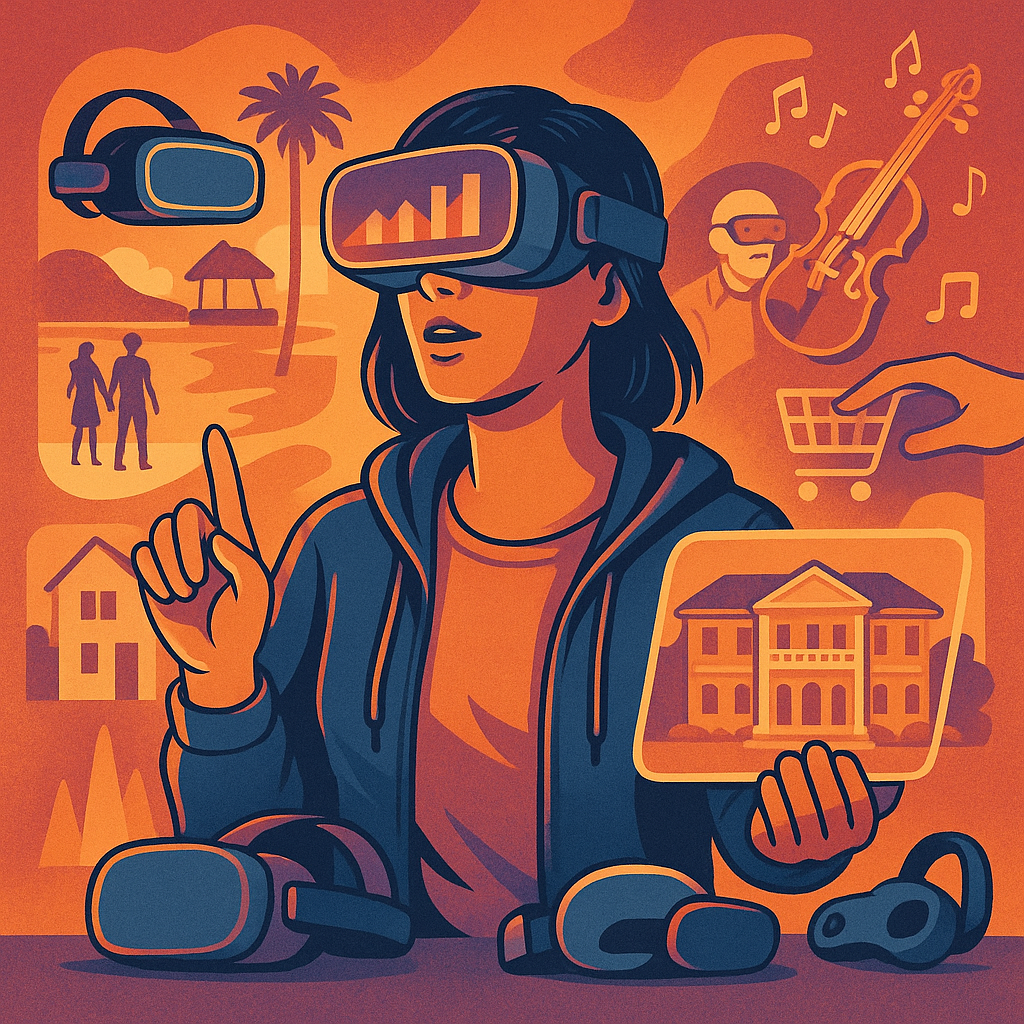
Provocatively flipping the script, the Federal Reserve's interest rate cut might just be the spark that ignites XR as a rebellious alternative to traditional economy-bound living, where virtual reality becomes the punk rock of habitation—affordable, customizable, and utterly disruptive. Envision entrepreneurs borrowing cheaply to develop AR apps that let you "try on" entire lifestyles, from minimalist tiny homes to opulent estates, all in mixed reality simulations that inform real purchases. This ties into living solutions by offering ethical escapes from overpriced housing markets, but raises questions: does XR promote escapism or genuine innovation?
Accessibility is ramped up; with lower rates, subsidies could make headsets available to underserved communities, echoing how public libraries democratized knowledge.
Historical parallels to the industrial revolution show tech shifting societal structures, much like XR could redefine work-life balance. In gaming, virtual economies boom, with players trading in-game assets for real currency, impacting broader markets. Education leverages VR for immersive history lessons, cutting costs on field trips. Healthcare uses AR for remote diagnostics, making care more economical. Entertainment explodes with MR concerts that feel personal yet global. Social media evolves into XR hangouts, fostering deeper connections. Emerging trends point to neural interfaces enhancing XR immersion.
Fun analogy: just as budget airlines democratized travel, low-cost XR could make "luxury living" accessible.
Hypothetically, during economic downturns, families retreat to virtual paradises, maintaining morale without financial ruin. Competing devices from Sony push graphical fidelity, while ethical debates on data ownership intensify.
Real-world applications in retail include AR shopping that reduces waste. Consider technological breakthroughs like eye-tracking for intuitive interfaces, making XR user-friendly. Market impact is evident in stock surges for XR firms, as per Reuters coverage. Cultural significance involves challenging materialism—why own physical stuff when virtual hoarding is infinite? Innovation includes haptic vests for sensory feedback. Widespread adoption could see XR in disaster relief, providing virtual shelters.
This provocative lens suggests the rate cut isn't just economic policy; it's a gateway to a XR-dominated future where living solutions are digitally infinite, fun, and freeing. Critics argue XR could widen inequalities if not regulated, but proponents see it as a tool for empowerment.
Historical precedents include the rise of online banking post-deregulation, mirroring XR's potential in finance. Gaming intersections create metaverse jobs, from virtual architects to digital therapists. Education's AR tools simulate labs safely. Healthcare's MR rehab programs aid recovery. Entertainment's virtual festivals cut emissions. Social media's AR avatars enhance expression. Trends like Web3 integration secure virtual assets.
Hypothetical: a retiree "travels" the world via VR, saving on actual trips. Competing companies like HTC innovate with modular designs. Ethical implications include addiction prevention through built-in limits.
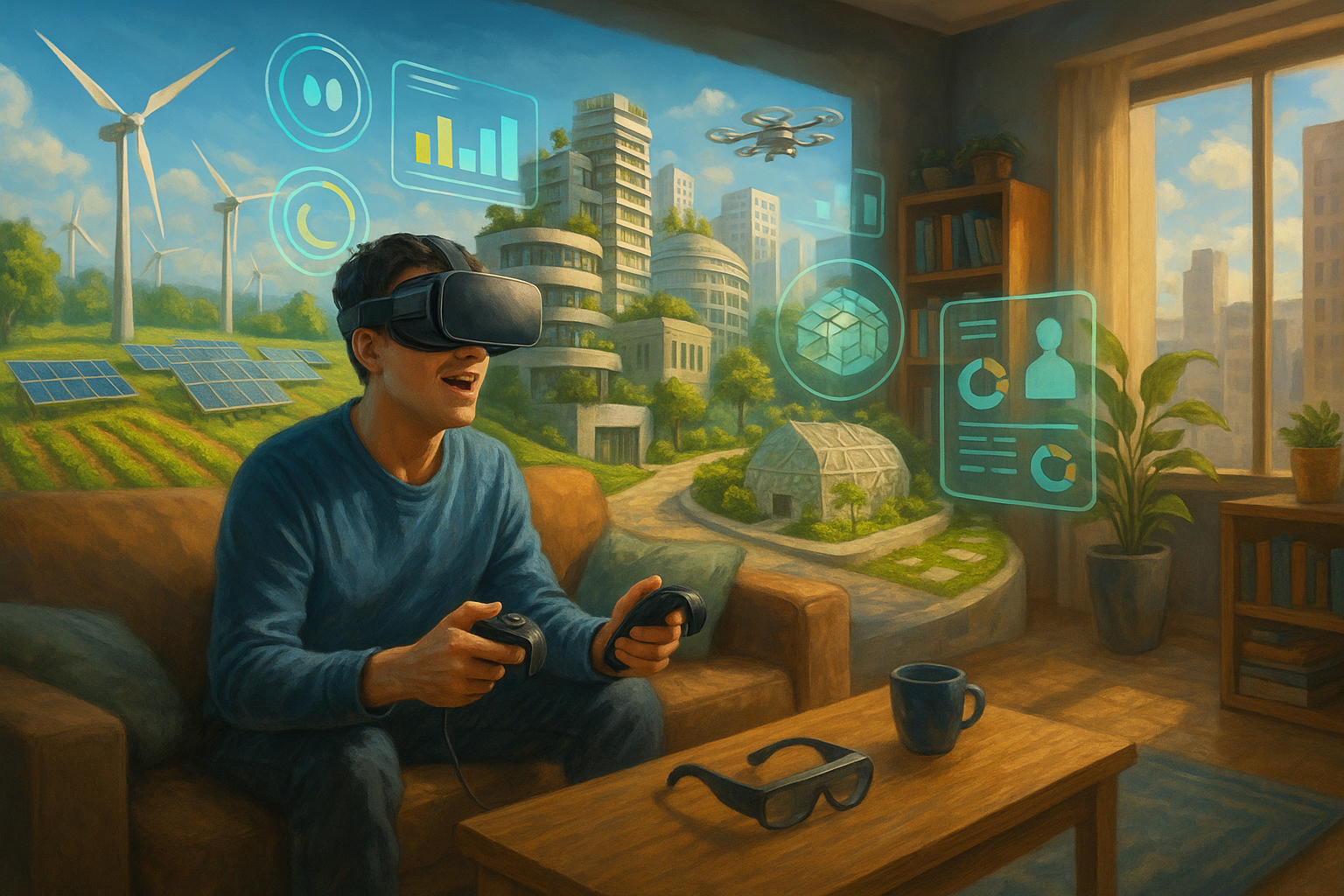
Let's get provocatively imaginative: what if the Federal Reserve's interest rate cut unwittingly funds a XR revolution that turns living solutions into a choose-your-own-adventure game, where augmented reality lets you hack your habitat like a video game level-up? With cheaper capital, developers pour resources into VR platforms that simulate sustainable living, from eco-friendly virtual farms to zero-waste digital cities, addressing economic pressures on resources.
Ethically, this sparks debates on authenticity— is a virtual life truly lived, or just simulated survival?
Accessibility advancements mean XR for the visually impaired via audio-haptic integrations, broadening adoption. Historical contexts recall the space race's tech spinoffs; similarly, XR could yield everyday innovations. Gaming benefits with persistent worlds where economic activities mirror real markets. Education uses MR for collaborative projects across continents. Healthcare employs VR for pain management in chronic conditions. Entertainment creates interactive narratives that adapt to user economies. Social media integrates seamless XR sharing. Emerging trends include quantum computing enhancing XR realism.
Analogy: like how apps disrupted industries, XR could overhaul housing.
Fun twist: XR as economic rebellion, living large virtually while pinching pennies physically.
Social debates on XR's role in mental health, with studies showing benefits and risks. Historical precedents like television's societal impact. Gaming's e-sports in XR arenas. Education's virtual field trips to historical sites. Healthcare's telepresence for remote care. Entertainment's fan-driven content in MR. Social media's evolution to immersive chats. Trends in biofeedback for emotional XR experiences.
Hypothetical: a student "lives" in a virtual dorm, cutting college costs.
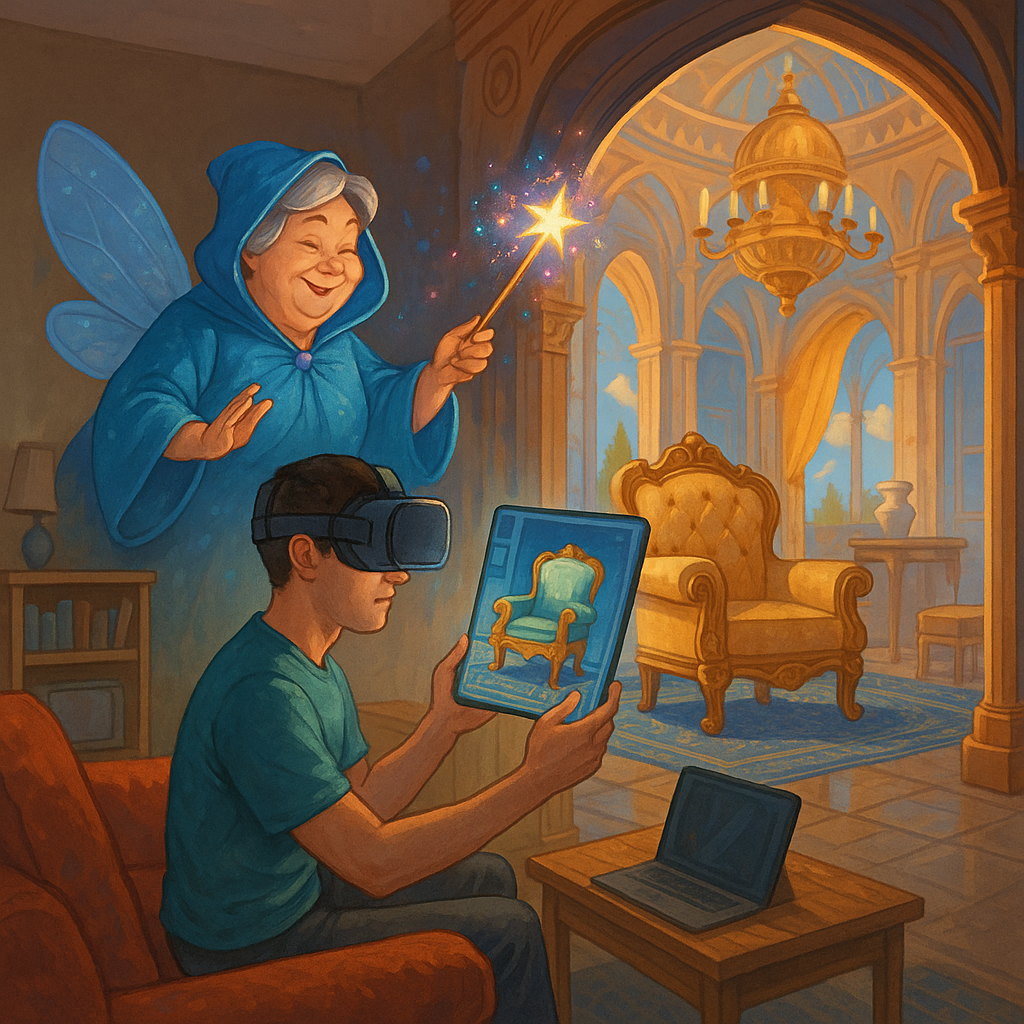
In a fun, provocative spin, the Federal Reserve's rate cut could be the economic fairy godmother waving her wand over XR, transforming Cinderella-esque living situations into palatial virtual wonders that solve real-world economy woes. Picture borrowing at low rates to fund massive XR data centers, enabling cloud-based mixed reality where anyone can "upgrade" their home with AR furniture that exists only in the digital overlay—talk about budget decor!
This intersects with living solutions by offering alternatives to physical expansions, ethically questioning if we're trading tangible experiences for illusory ones. Accessibility leaps forward with subsidized devices, drawing from historical tech democratizations like public internet access. Gaming thrives with XR economies that teach financial literacy through play. Education immerses students in simulated economies. Healthcare uses VR for therapeutic escapes. Entertainment builds virtual economies around stars. Social media fosters XR marketplaces. Trends include AI personalization.
Analogy: smartphones as pocket portals; XR as life portals.
Hypothetically, communities form virtual co-ops for shared digital resources. Ethical debates on immersion addiction. Applications in energy: AR for efficient home management. Economic policies influence tech trajectories. Cultural redefinition of space. Innovation in social XR features. Adoption via apps.
XR as the great leveler or divider?
AI Generated. AI-Human Verified.