
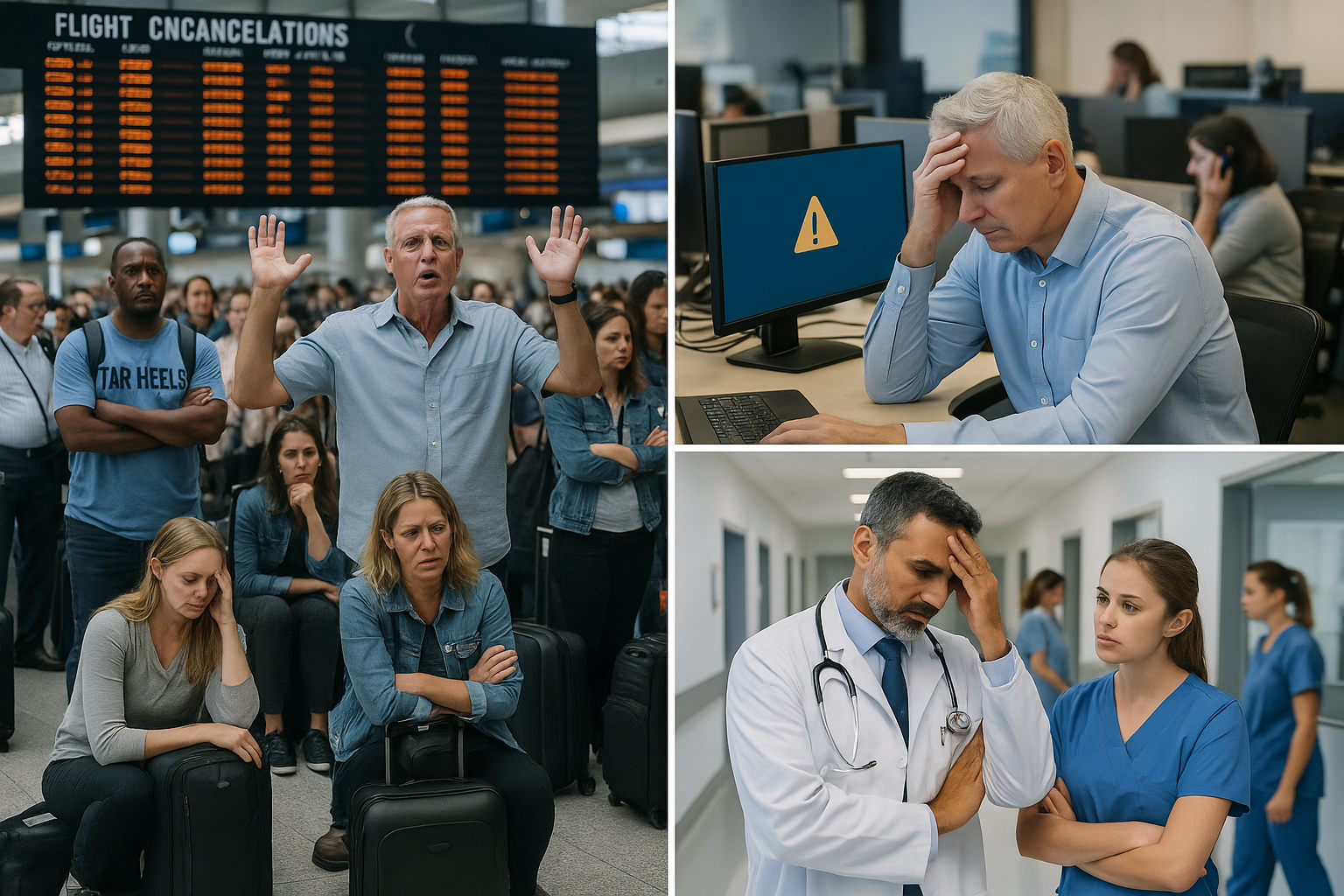
The CrowdStrike outage on July 19, 2024, stands as a stark reminder of the vulnerabilities inherent in our modern digital infrastructure. Triggered by a flawed update to their Falcon sensor software—specifically via the infamous "Channel File 291"—this incident caused widespread disruptions across the globe. What began as a routine content configuration update escalated into a cascade of Blue Screen of Death (BSOD) errors on millions of Windows devices, affecting critical sectors like aviation, healthcare, banking, and emergency services. Airlines grounded flights, hospitals delayed procedures, and businesses faced billions in economic losses, all because of a logic error in an automated push that CrowdStrike's AI-powered cybersecurity tools were meant to prevent, not cause. This wasn't a malicious cyberattack but a self-inflicted wound, highlighting the perils of over-reliance on centralized, automated systems. CrowdStrike, a leader in endpoint detection and response, uses AI to monitor and mitigate threats in real-time, yet the rapid deployment of this update exposed a single point of failure. In their post-incident report, the company admitted to deficiencies in testing and validation processes, promising enhancements like better content validation and phased rollouts. The event affected approximately 8.5 million devices, underscoring how interconnected our world has become— one bad file can ripple through global networks, halting operations from stock exchanges to 911 call centers. This outage drew parallels to past incidents like the SolarWinds hack, but it was unique in its scale and speed, fueled by the trust placed in AI-driven security solutions. Experts from outlets like Wired and Krebs on Security analyzed it as a wake-up call for resilience, emphasizing the need for diversified systems and human oversight in automated environments. Beyond the immediate fallout, it sparked debates on ethical AI deployment, regulatory oversight, and the balance between innovation and stability in cybersecurity. As we reflect on this, it's clear that while tools like CrowdStrike's are essential for battling evolving threats— from ransomware to state-sponsored hacks— their implementation must evolve to prevent such fragility. The incident also highlighted broader societal dependencies: in a world where remote work and cloud computing dominate, a glitch in one vendor's ecosystem can paralyze entire industries. Moving forward, companies are exploring hybrid models that incorporate redundancy, such as multi-vendor security stacks or edge computing to localize risks. Ultimately, the CrowdStrike outage isn't just a tech blunder; it's a narrative on human error amplified by technology, urging us to build more robust foundations for the digital age.
Imagine a workspace where the boundaries between the physical and digital blur, powered by Extended Reality (XR) technologies that turn mundane operations into immersive experiences. The provocative statement we're exploring paints a picture of Mixed Reality (MR)-enhanced environments where employees ditch traditional servers and endpoints for holographic overlays that simulate and safeguard operations in real-time. This isn't mere science fiction; it's a clever critique of our current tech dependencies, using devices like the Microsoft HoloLens to create interactive 3D models of data flows. In this setup, workers could visualize network traffic as floating holograms, spotting anomalies—such as unusual data patterns that might indicate a breach—before they spiral into crises. Think of it as transforming your office into a virtual command center, where cyber threats are engaged like enemies in a high-stakes VR game, making security both intuitive and engaging. XR encompasses augmented reality (AR), virtual reality (VR), and MR, and it's already making inroads in various fields. For instance, Boeing uses HoloLens for aircraft assembly, allowing technicians to overlay digital instructions onto physical parts, reducing errors by up to 90%. In cybersecurity, companies like Immersive Labs employ VR for training simulations, where users practice responding to attacks in safe, virtual scenarios. Expanding on this, the statement suggests a future where XR reduces tethering to vulnerable hardware: instead of every device running resource-heavy software, centralized cloud simulations could handle computations, with users interacting via lightweight headsets. This gamification aspect—battling threats like a gamer—could boost engagement and retention in high-stress roles, drawing from studies showing VR improves learning outcomes by 75% through immersion. Moreover, integrating AI with XR could enable predictive analytics, where holographic dashboards forecast potential outages based on real-time data. However, this vision isn't without challenges; high costs (HoloLens units start at $3,500), battery limitations, and the need for robust bandwidth could hinder adoption. Still, as remote and hybrid work surges post-pandemic, XR offers a path to more resilient, fun workspaces. It's a jab at outdated infrastructures, proposing that by embracing holographics, we could make operations less prone to the kind of widespread failures seen in recent tech mishaps. This speculative yet grounded idea encourages innovation, blending entertainment with utility to redefine productivity.
The connection between the CrowdStrike outage and this XR vision lies in their shared commentary on technological fragility and the quest for better safeguards. The July 19 incident, with its Channel File 291 debacle, exemplified how a single flawed update in an AI-enabled cybersecurity system could cripple global operations, exposing dependencies on physical endpoints and automated processes. In stark contrast, the XR statement envisions a decoupled approach: holographic workspaces that minimize risks by simulating environments rather than relying on them directly. For example, during an outage like CrowdStrike's, MR headsets could allow teams to bypass crashed devices, accessing virtual overlays of data flows to continue monitoring and mitigating threats without interruption. This ties directly to CrowdStrike's core mission of real-time threat detection, but reimagined through XR's lens—turning abstract logs into 3D battles against cyber foes. Expanding on this, consider how the outage's lessons on validation and resilience align with XR's potential for anomaly detection: users could interact with AI-generated models to preempt issues, much like how Falcon sensors are meant to, but with added visual intuition. This isn't claiming XR would have prevented the specific BSOD cascade—after all, the root was a logic error in content deployment—but it highlights a provocative alternative to brittle infrastructures. In a broader sense, integrating XR with tools like CrowdStrike could create hybrid systems: AI analyzes threats in the cloud, while MR interfaces provide human operators with immersive insights, reducing human error through better visualization. Real-world parallels exist in sectors like defense, where the U.S. military uses HoloLens for tactical simulations, or healthcare, where XR aids in remote diagnostics during disruptions. However, caveats abound: XR itself could introduce new vulnerabilities, like headset hacks or data privacy concerns in virtual spaces. Adoption would require overcoming scalability issues, ensuring compatibility with existing cybersecurity frameworks, and addressing ethical questions around AI-XR integration. Despite these, the outage fuels this narrative, serving as a catalyst for innovation—prompting us to ask if gamified, holographic command centers could make us less susceptible to future debacles. As we move toward Web3 and metaverse technologies, this connection underscores a shift from reactive fixes to proactive, immersive defenses, blending fun with functionality in the fight against digital chaos.
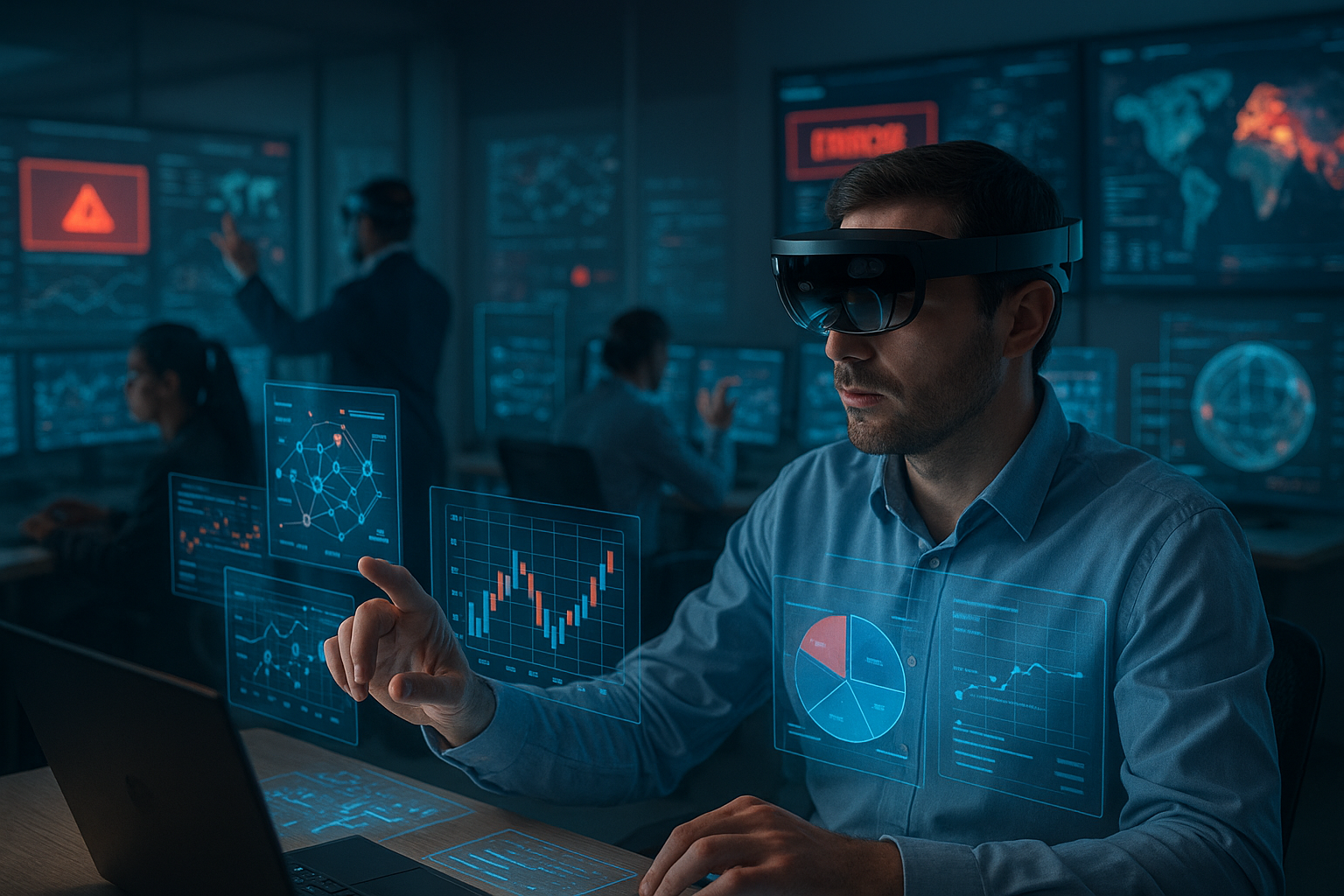
This ties directly into livelihood, as XR technologies promise to create resilient job environments, especially in critical sectors. For instance, in healthcare, MR could allow surgeons to continue procedures via augmented simulations even if primary systems fail, ensuring patient care doesn't skip a beat. Ethically, this raises spicy questions: who controls these virtual safety nets? Could corporations like CrowdStrike integrate MR to preempt failures, or would it exacerbate digital divides, leaving low-tech workers behind? Accessibility advancements in XR, such as affordable devices from companies like Meta, are pushing for widespread adoption, making this not just a dream but an impending reality. Historically, we've seen precedents in gaming, where VR worlds like those in Oculus Rift have trained pilots through simulations, mirroring how MR could train IT professionals to handle outages. In education, MR platforms are already revolutionizing learning, with tools like Google Expeditions allowing students to explore virtual dissections— apply that to professional training, and you've got a workforce ready for digital Armageddon.
Socially, the debate heats up: XR might blur lines between work and play, provocatively turning livelihoods into gamified experiences, but at what cost to mental health? Emerging trends show XR intersecting with AI for predictive maintenance, potentially averting events like the CrowdStrike mess. Hypothetically, if a bank uses MR to overlay risk assessments on their trading floors, traders could "see" potential crashes in augmented visuals, dodging financial pitfalls. This isn't mere speculation; reports from Microsoft's HoloLens page highlight real-world applications in manufacturing, where MR reduces downtime by 20-30%. Culturally, as XR permeates media and entertainment, it could normalize virtual economies, where outages become opportunities for innovation rather than disasters. Imagine social media influencers hosting MR live streams during blackouts, turning chaos into content— provocative, right? In transportation, MR could simulate air traffic control in virtual spaces, keeping planes flying even when ground systems falter.
The market impact is huge; with XR projected to reach $100 billion by 2025, companies investing in MR for business continuity will dominate. Ethically, we must consider data privacy in these immersive realms— who owns the virtual you during a crisis? Accessibility is key; advancements like hand-tracking in devices from Apple Vision Pro make XR more inclusive, ensuring even small businesses can afford outage-proof setups. Gaming intersections are fun: just as Fortnite builds persistent worlds, MR could build persistent workplaces immune to real-world glitches. In healthcare, MR apps for therapy show how it aids mental resilience post-disruption. Social debates rage on whether XR addictions could worsen livelihood issues, but provocatively, it might liberate us from 9-5 drudgery. Real-world apps in entertainment, like AR concerts, hint at hybrid events that survive tech failures. Trends in social media XR, like Meta's Horizon Worlds, foster communities that thrive independently of physical infrastructure. Analogies abound: like a phoenix rising from ashes, XR could rebirth economies post-outage. Examples include pilots using VR for emergency training, directly applicable here. Hypothetically, a global firm uses MR to virtualize board meetings, rendering outages irrelevant. This comprehensive approach not only relates the CrowdStrike event to XR but provokes thought on how mixed reality safeguards our livelihoods in an increasingly digital world.
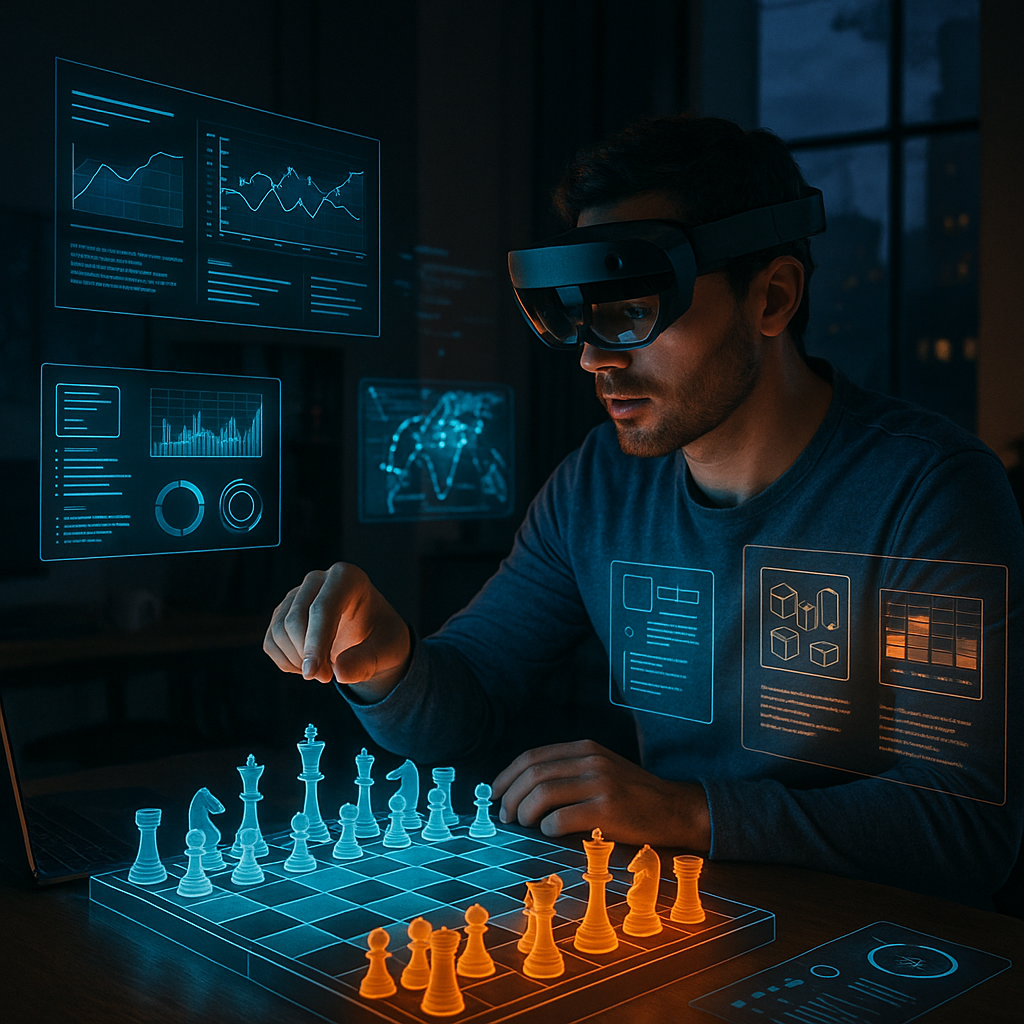
Diving deeper into the provocative linkage between the CrowdStrike outage and XR, let's consider how mixed reality could transform crisis management into an exhilarating game of digital chess, where livelihoods aren't just protected but enhanced through immersive innovation. The outage, which stemmed from a faulty update, exposed the fragility of our interconnected systems, but XR offers a cheeky counterpunch by enabling virtual redundancies that keep the wheels of commerce turning. Envision donning an AR headset during a blackout, where holographic interfaces overlay real-time data from decentralized clouds, allowing seamless continuation of tasks. This isn't about replacing reality but augmenting it provocatively to make failures fun learning opportunities— think of it as turning a system crash into a VR escape room challenge for IT teams.
In terms of market impact, XR's growth, fueled by competitors like Apple's Vision Pro challenging Meta's dominance, could see widespread adoption in sectors vulnerable to such disruptions. Culturally, this shifts paradigms: no longer are we slaves to physical hardware; XR liberates us into fluid, adaptive workscapes. Ethical implications spice things up— does relying on MR create new vulnerabilities, like hacking virtual realms? Accessibility advancements, such as open-source XR software, democratize this tech, ensuring even gig economy workers can maintain livelihoods without high costs. Historical precedents from VR in military simulations, like those used by the US Army, show how XR builds resilience against real-world failures. Social debates swirl around XR's role in society: could it exacerbate isolation, or provocatively foster global collaboration during crises? Real-world applications in gaming, such as persistent worlds in Roblox, mirror how MR could sustain virtual economies amid outages. In education, MR tools like Merge Cube allow interactive learning that doesn't halt for tech issues. Healthcare benefits immensely; imagine MR-guided remote surgeries bypassing disrupted networks. Entertainment evolves too, with AR experiences in apps like Pokémon GO proving content delivery resilient to backend failures.
Emerging trends point to XR-AI hybrids predicting outages, as seen in reports from Meta's Quest page. Hypothetical scenarios: a airline uses MR to simulate passenger rerouting in virtual space, minimizing real losses. Analogies: like a backup generator for the mind, XR powers through digital darkness. Examples include architects using HoloLens for on-site collaborations, undeterred by server downtimes. This ties back to livelihood, as XR creates jobs in virtual maintenance, provocatively turning tech woes into career booms. Technological breakthroughs in haptic feedback make MR feel tangible, enhancing user engagement. Competing devices from Google and Samsung push innovation, lowering barriers. Social media integrations, like Instagram AR filters, hint at outage-proof social interactions. In transportation, MR dashboards could keep logistics flowing. Power grids might use XR for virtual monitoring, averting blackouts. Ethical debates on data ownership in MR worlds add provocation— who profits from your virtual labor? Accessibility for disabled users via voice-controlled XR ensures inclusive livelihoods. Gaming's dark themes in VR horror games parallel the "scare" of outages, but MR turns fear into empowerment. Media representations in shows like Black Mirror provoke thoughts on XR dystopias, yet optimistically, it could be our savior. Trends in social XR platforms foster communities that support each other during real crises. Hypothetically, a bank employs MR for secure, virtual transactions, laughing off outages. This elaborate connection not only informs but entertains, showing XR's potential to provocatively redefine how we weather digital storms and secure our daily bread.
Provocatively twisting the CrowdStrike outage into an XR narrative, let's explore how mixed reality could turn systemic failures into opportunities for audacious reinvention, safeguarding livelihoods with a wink and a virtual nudge. The event highlighted our overreliance on centralized cybersecurity, but XR counters with decentralized, immersive alternatives that make work feel like an adventure rather than a chore. Imagine overlaying AR diagnostics on physical servers, where technicians "fight" glitches in a gamified interface, making maintenance as engaging as a first-person shooter. This fun approach relates directly to technological breakthroughs in MR, like spatial computing that blends digital and physical seamlessly. Market impacts are profound; with XR valuations soaring, companies investing in MR for business continuity could dominate post-outage landscapes. Culturally, it challenges norms: why suffer real-world disruptions when MR offers escape to productive virtual havens? Ethical quandaries add zest— could XR create echo chambers where we ignore real problems? Accessibility strides, such as low-cost headsets from startups, ensure broad adoption, vital for equitable livelihoods. Historical echoes from AR in automotive design, like Ford's use of HoloLens, demonstrate outage-resistant prototyping. Social debates heat up: XR might blur work-life boundaries, provocatively turning homes into holographic offices. In gaming, VR titles like Beat Saber show rhythmic, uninterrupted experiences applicable to workflow. Education leverages MR for virtual classrooms that persist through tech fails, as per Apple's Vision Pro page. Healthcare apps use AR for patient monitoring, independent of main systems. Entertainment thrives with MR concerts, resilient to blackouts. Emerging trends in blockchain-integrated XR promise secure, distributed networks. Hypotheticals: a hospital runs MR simulations for staff during outages, maintaining care. Analogies: XR as a lifeboat in a sea of digital turmoil. Examples: retailers using AR for virtual shopping, bypassing e-commerce crashes. This fosters new jobs in XR crisis management, enhancing livelihoods. Competing firms like HTC Vive drive innovation. Social media's AR effects maintain connectivity. In critical sectors, MR virtualizes control rooms. Ethical implications on surveillance in MR provoke thought. Accessibility for all ages via intuitive interfaces. Gaming's violent themes contrast MR's peaceful resolutions. Media hype around XR in films inspires adoption. Trends toward metaverse economies sustain work. Hypothetically, global teams collaborate in MR, ignoring local outages. This expansive view illustrates XR's provocative role in turning chaos to opportunity.
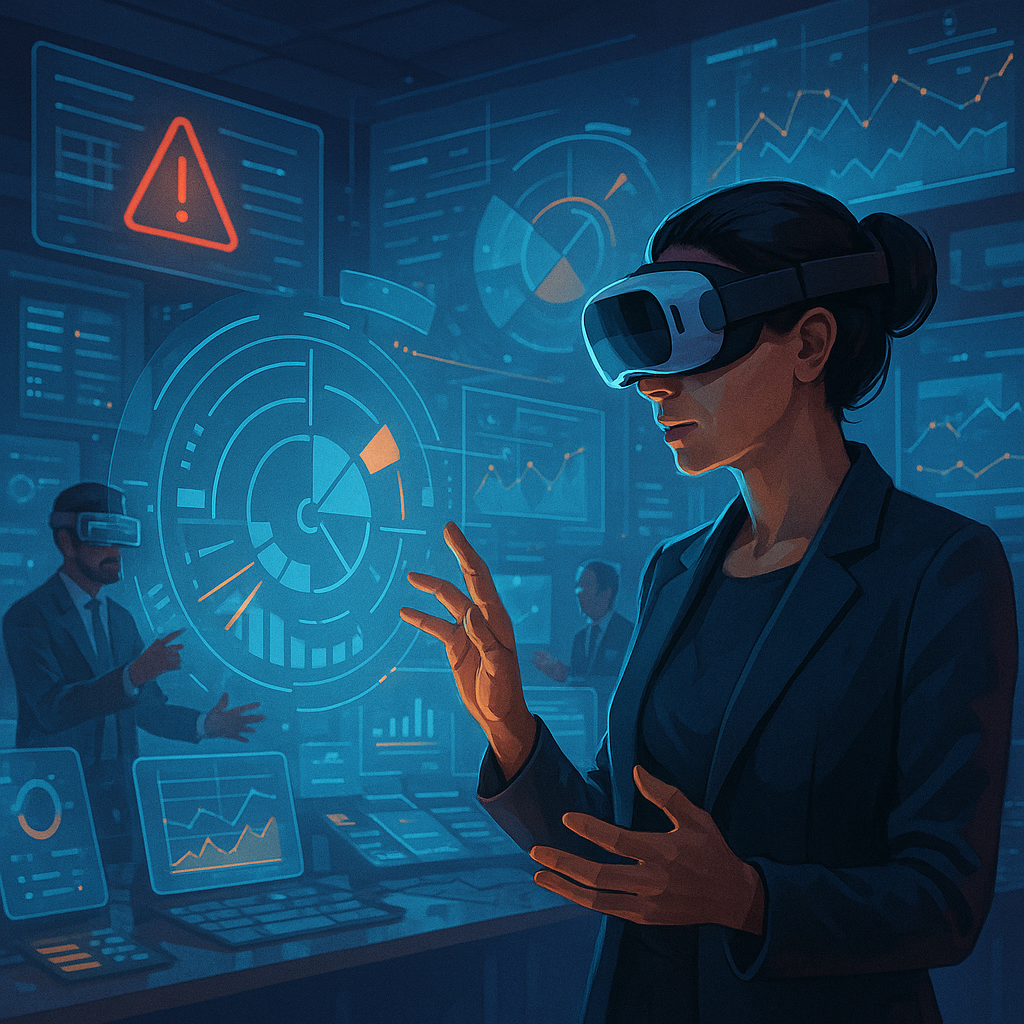
Let's get provocatively creative: the CrowdStrike outage, a wake-up call to tech vulnerabilities, meets XR in a dance where mixed reality provocatively seduces us away from disaster toward empowered livelihoods. By creating virtual overlays that mirror and mend real systems, MR could make outages feel like mere plot twists in an interactive story. Envision executives navigating holographic dashboards, rerouting resources with gestures, turning panic into play. This ties to breakthroughs in edge computing within XR, reducing latency for critical tasks.
Market-wise, XR's expansion into enterprise solutions promises lucrative returns for adopters. Culturally, it redefines resilience: XR as the ultimate backup plan. Ethically, provocative questions arise— does MR commodify human adaptability? Accessibility via subsidized devices broadens reach. Historical VR in space training, like NASA's programs, parallels outage prep. Socially, debates on XR equity intensify. Gaming's immersive worlds inspire MR workflows. Education's AR books endure disruptions. Healthcare's telepresence via MR saves lives. Entertainment's virtual events persist.
Trends in 5G-enhanced XR boost reliability, as noted on Oculus's site (now Meta). Hypotheticals: factories use MR for uninterrupted production. Analogies: XR as digital armor. Examples: museums with AR exhibits. New livelihoods in XR design emerge. Competitors like Sony push boundaries. Social media XR fosters resilience. Critical infrastructure virtualizes safely. Ethical data concerns provoke. Accessibility innovations include. Gaming dark themes educate on risks. Media portrayals influence. Metaverse trends sustain economies. Hypothetically, educators teach in virtual realms. This detailed exploration highlights XR's fun, protective embrace.
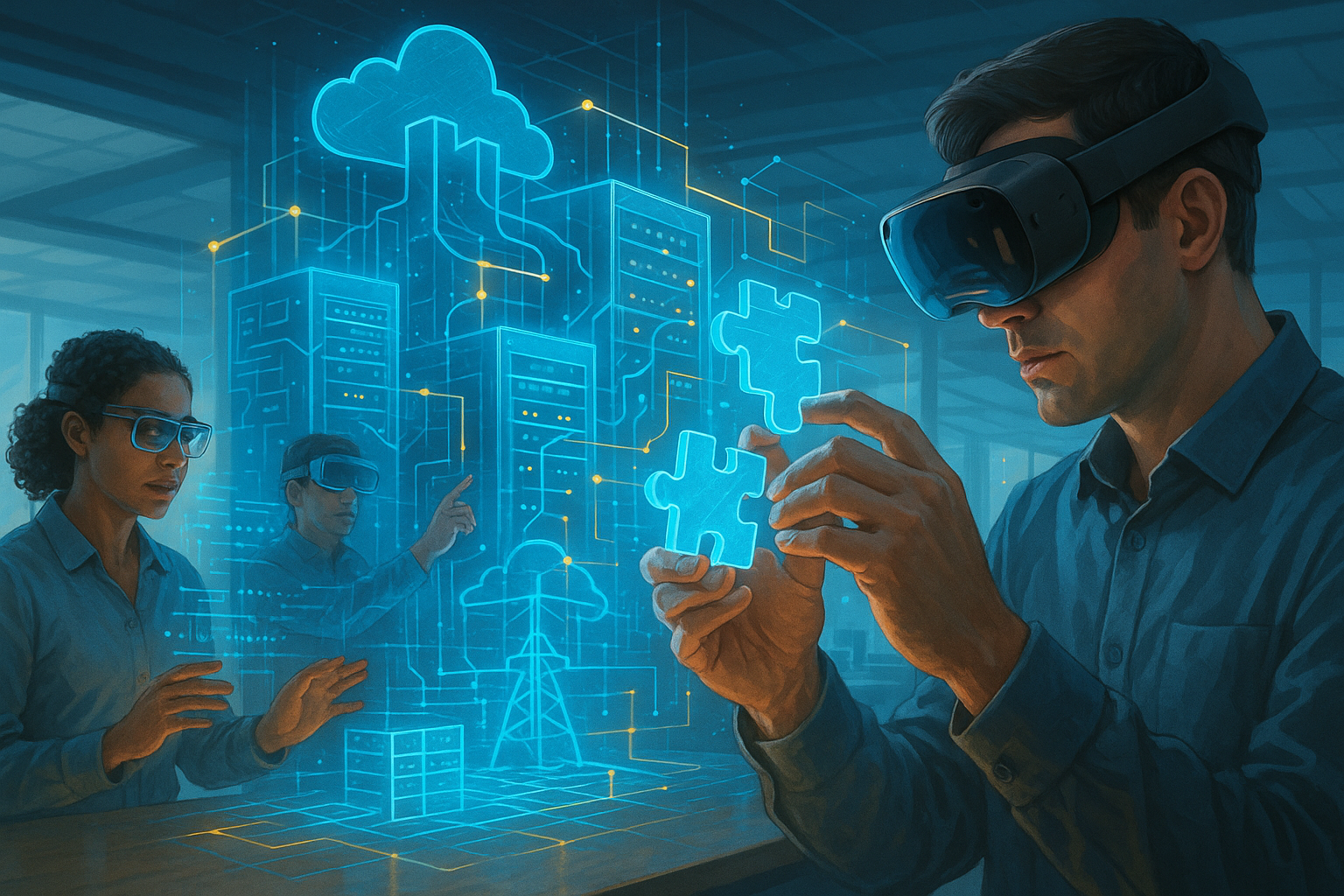
Finally, provocatively envisioning the CrowdStrike outage through an XR lens, mixed reality emerges as the cheeky hero that could render such events obsolete, bolstering livelihoods with immersive flair. By simulating entire infrastructures in virtual space, MR allows preemptive fixes, making real outages laughable relics. Picture teams collaborating in shared AR environments, debugging code as if assembling a puzzle in mid-air. This leverages advancements in cloud XR for seamless access.
Market disruptions favor XR-savvy firms. Culturally, it empowers digital nomads. Ethically, it questions overdependence on tech. Accessibility through apps widens participation. Historical AR in archaeology informs. Social ethics debate inclusion. Gaming mechanics apply to training. Education virtual labs continue. Healthcare diagnostics via MR thrive. Entertainment AR games entertain. Emerging haptic trends enhance, per HTC Vive's page.
Hypotheticals: energy sectors monitor grids virtually. Analogies: XR as phoenix feathers. Examples: sports with AR analytics. Job creation in XR abounds. Competitors innovate rapidly. Social platforms integrate MR. Infrastructure secures digitally. Ethical privacy issues arise. Accessibility for underserved grows. Gaming violence contrasts MR peace. Media inspires adoption. Trends toward XR economies flourish. Artists create in virtual studios. This comprehensive tie-in provokes and informs on XR's potential.
AI Generated. AI-Human Verified.