
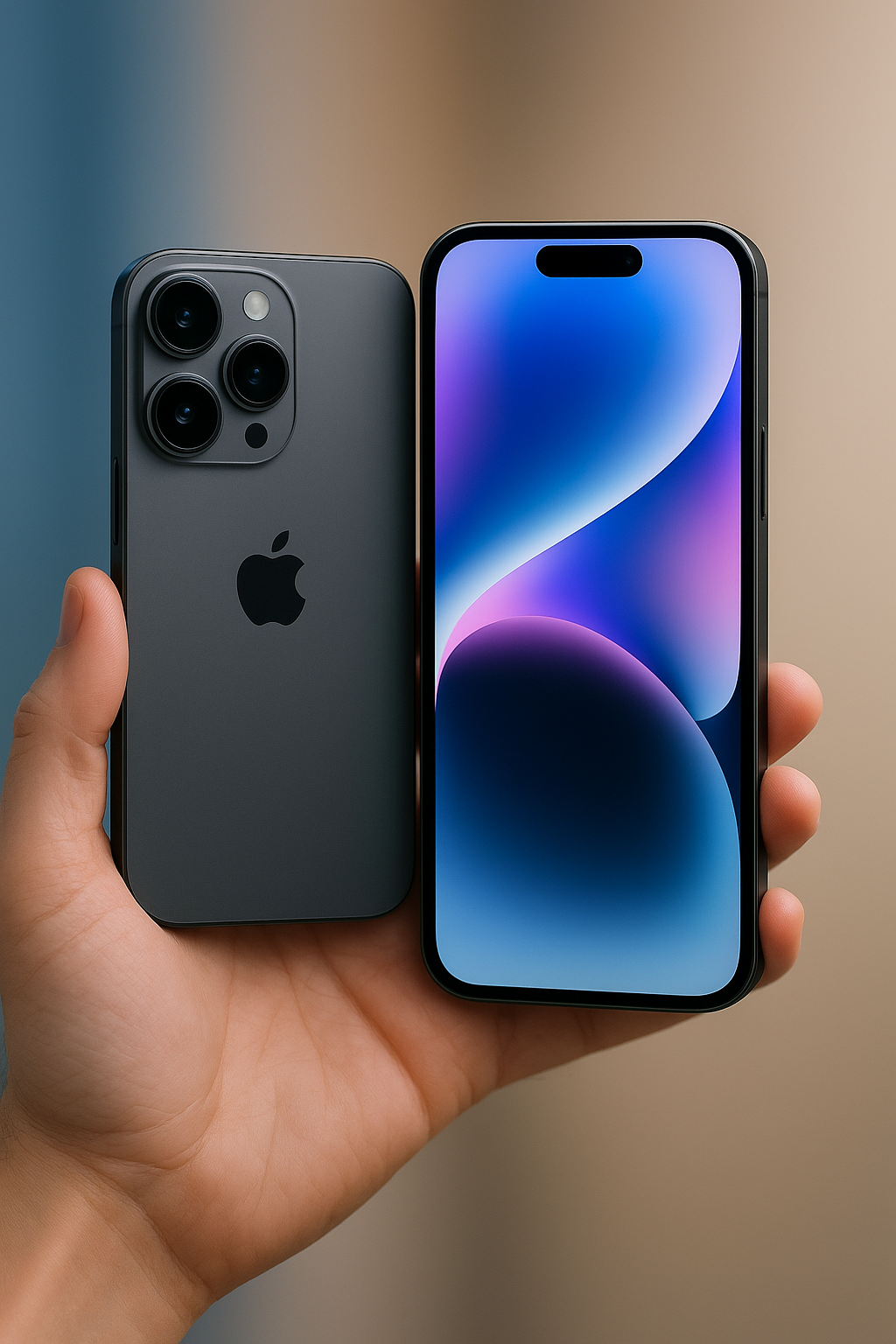
The tech world is buzzing with the recent launch of the iPhone 16, Apple's latest smartphone iteration featuring advanced AI capabilities, enhanced camera systems, and improved battery life, positioning it as a powerhouse for mobile computing and content creation in today's fast-paced digital landscape.
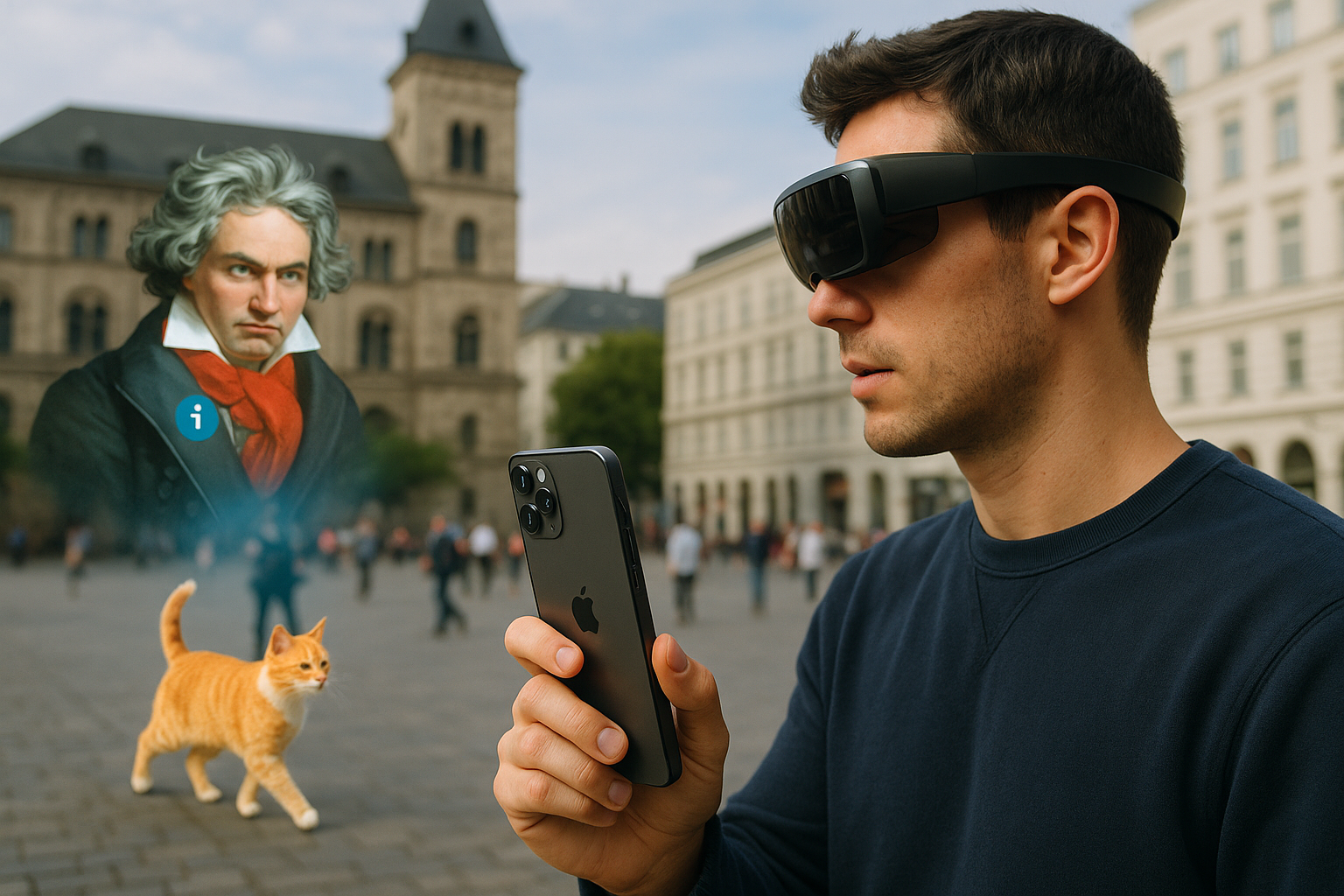
Imagine if the iPhone 16's cutting-edge Apple Intelligence features, which include smarter photo editing and real-time language translation, were seamlessly integrated into extended reality (XR) environments—now that's a provocative twist that could redefine how we perceive reality itself. While the iPhone 16 isn't an XR device per se, its AI-driven enhancements open doors to augmented reality (AR) applications that feel like science fiction come to life. For instance, picture using the phone's advanced neural engine to overlay interactive digital elements onto the real world, turning everyday commutes into immersive adventures where historical figures pop up to narrate city landmarks or virtual pets scamper across your living room floor. This ties directly into livelihood aspects, as creators in gaming and education could leverage these tools to craft XR experiences that boost productivity and learning.
The potential for widespread adoption is huge, especially with Apple's massive user base, potentially outpacing slower adopters like enterprise-focused Microsoft HoloLens. However, ethical implications loom large: could this lead to over-reliance on tech, eroding genuine human connections? Analogously, it's like upgrading from a bicycle to a jetpack—exhilarating, but with risks of crashing if not handled carefully. Reports from sources like The Verge highlight how these features are already sparking developer interest in ARKit enhancements, suggesting a boom in XR apps. Overall, this non-XR event provocatively nudges us toward a future where our phones are extensions of our senses in an augmented world, challenging us to rethink work, play, and everything in between.
To elaborate on the livelihood angle, consider how gig economy workers, such as delivery drivers, could use AR navigation powered by iPhone 16's precise GPS and AI to optimize routes, increasing efficiency and earnings. In entertainment, filmmakers might capture scenes with AR previews, streamlining production and creating jobs for XR specialists. The cultural significance can't be understated; as XR becomes more accessible via smartphones, it democratizes high-tech experiences, potentially reducing barriers for underrepresented communities in tech innovation. Accessibility advancements mean that even in developing regions, affordable AR via iPhone could empower entrepreneurs to start virtual businesses, from online tutoring in MR classrooms to virtual tourism guides. Competing devices like Samsung's Galaxy series might respond with their own AR integrations, fostering a healthy rivalry that drives progress.
Social debates around XR often center on addiction risks, similar to smartphone screen time concerns, but with provocative potential for positive change, like using VR for empathy training in conflict resolution. Real-world applications abound: in transportation, AR could display real-time traffic data overlaid on windshields, tying into mobile XR. Emerging trends point to haptic feedback integrations, where the iPhone's Taptic Engine could simulate textures in AR, enhancing immersion. Hypothetical scenarios include a world where job interviews happen in virtual boardrooms, leveling the playing field for remote candidates. All this builds on the iPhone 16's foundation, making XR not a distant dream but an imminent reality that's as fun as it is transformative.
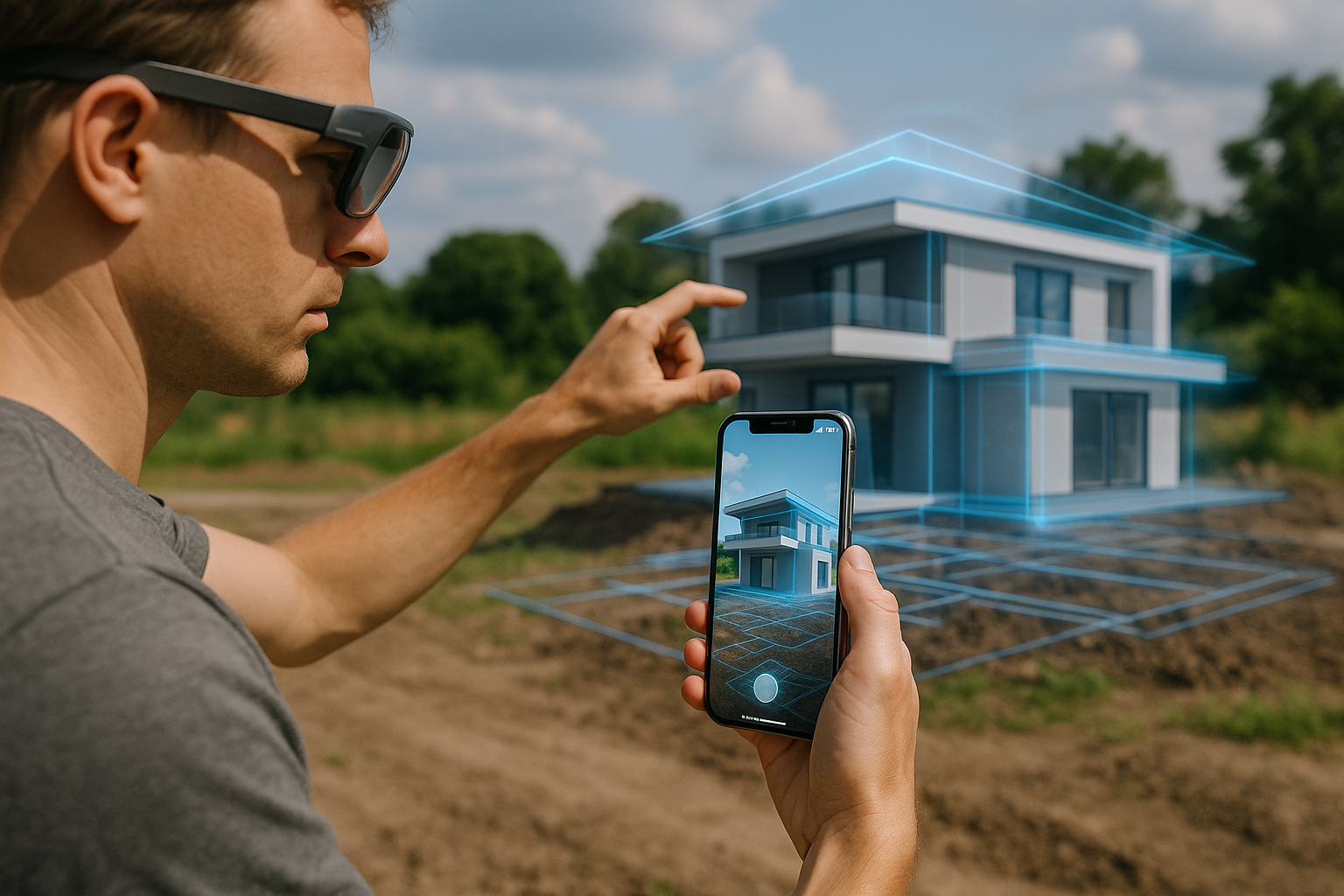
Diving deeper into the provocative linkage, the iPhone 16's Visual Intelligence feature, which allows users to search and identify objects in photos instantaneously, could supercharge mixed reality (MR) applications, blurring the lines between digital and physical worlds in ways that challenge our very notion of employment and creativity. Envision a scenario where architects use their iPhone to scan a site and instantly generate MR models, overlaying blueprints onto real landscapes for on-the-spot revisions—this isn't just convenient; it's a game-changer for design and construction industries. By relating this to XR, we see how such tech could foster innovation in education, where students in virtual classrooms manipulate 3D historical artifacts identified via the phone's AI, making learning tactile and engaging.
Ethically, this provokes discussions on intellectual property in XR spaces—who owns the digital overlays created from real-world scans? Historical precedents like the advent of CAD software in the 1980s revolutionized design, much like how iPhone 16's tools could democratize MR for small businesses, competing against giants like Autodesk. In gaming, developers might harness this for AR treasure hunts that use real-time object recognition to spawn virtual rewards, creating new revenue streams and jobs in esports XR. Socially, it addresses accessibility by enabling visually impaired users to 'see' through auditory descriptions in AR, potentially transforming daily livelihoods.
Market impact is evident; Apple's ecosystem could propel XR adoption faster than standalone devices like the Meta Quest, as per industry analyses, by making entry-level AR ubiquitous via smartphones. Culturally, this ties into broader debates on tech dependency, analogous to how social media altered communication—XR could do the same for perception, with provocative risks of misinformation if AI identifications go awry.
In healthcare, doctors might use MR to visualize patient scans overlaid on bodies during consultations, improving outcomes and creating specialized XR medical roles. Entertainment sees potential in AR-enhanced live events, where fans interact with holographic performers scanned via iPhone tech. Emerging trends in social media point to user-generated MR content, where influencers create immersive stories using the phone's features, boosting creative economies. Hypothetically, a journalist could report from conflict zones with AR annotations providing context, enhancing safety and informativeness.
Technological breakthroughs like the iPhone 16's photonic engine improve low-light photography, which translates to better AR tracking in varied environments, pushing XR toward mainstream use. Peripherally, this intersects with competing companies like Google's ARCore, fostering a vibrant ecosystem. Ethical implications include surveillance concerns, as constant scanning could infringe on privacy, sparking debates similar to those around facial recognition.
For widespread adoption, affordability is key; the iPhone 16's pricing strategy makes advanced AI accessible, potentially lowering barriers to XR entry. In terms of livelihood, remote workers in virtual offices could benefit from MR integrations, reducing commute needs and promoting work-life balance. Analogies abound: it's like upgrading from a map to a GPS with AR directions, but on a societal scale. Reports from outlets like TechCrunch note how such features are inspiring app developers to explore XR hybrids, signaling a shift.
To expand, consider the environmental angle—XR could reduce physical prototyping in manufacturing, aligning with sustainable methods by minimizing waste. In transportation, AR dashboards powered by phone tech could enhance driver safety, creating jobs in automotive XR. Socially, it provokes fun yet serious questions: will we lose touch with unfiltered reality?
Historical XR flops like Magic Leap remind us of hype cycles, but Apple's grounded approach might succeed. Gaming evolves with procedural generation using AI object recognition, leading to endless virtual worlds. Educationally, teachers craft personalized AR lessons, adapting to student needs in real-time. Healthcare applications extend to mental health, with MR therapy sessions simulating calming environments. Entertainment industries adapt by producing interactive MR films where viewers influence plots via phone inputs.
Trends show increasing XR investments, with Apple's moves catalyzing growth. Hypotheticals include global collaborations in virtual spaces, breaking geographical barriers for livelihoods. All this underscores how a simple smartphone launch provocatively accelerates our march toward an XR-infused future, blending fun with profound societal shifts.
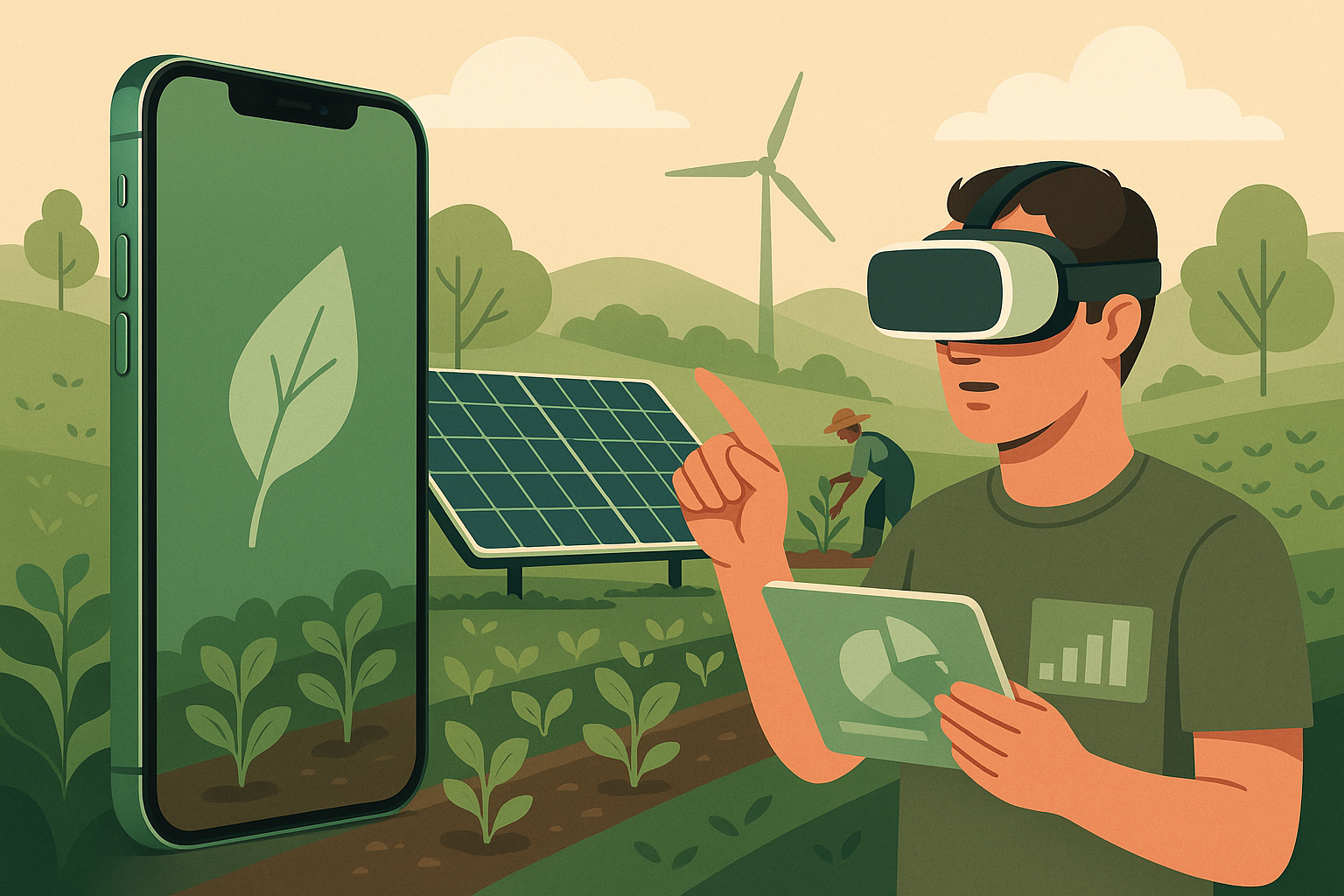
Provocatively speaking, the iPhone 16's emphasis on sustainability, with its recycled materials and energy-efficient design, could inspire eco-friendly XR innovations that tie directly into livelihoods dependent on green tech, imagining a world where virtual reality (VR) simulations reduce the carbon footprint of training and prototyping. For example, industries like automotive could use VR powered by iPhone-level efficiency to test designs without physical models, saving resources and creating jobs in sustainable XR development. This relates to XR by highlighting how mobile tech advancements pave the way for power-efficient headsets, making prolonged VR sessions feasible without draining batteries or the planet. Ethically, it challenges us to consider if XR will exacerbate electronic waste or, conversely, promote recycling through virtual alternatives to physical goods.
Historically, the shift from bulky computers to sleek mobiles mirrors XR's evolution from clunky helmets to potential lightweight glasses, with Apple leading the charge. In gaming, energy-efficient tech means longer playtimes in immersive worlds, boosting esports economies and virtual livelihoods. Socially, this could enhance accessibility for remote areas with limited power, allowing VR education in off-grid schools. Market-wise, it positions Apple against competitors like Sony's PlayStation VR, potentially capturing shares through integrated ecosystems.
Culturally, it provokes debates on virtual escapism versus real-world environmental action—will XR distract from climate issues or educate on them? In healthcare, low-power VR could enable portable therapy devices for mental health, transforming patient care. Entertainment benefits from sustainable production, with VR sets reducing travel for film crews. Emerging trends include haptic suits paired with efficient mobiles for full-body immersion, expanding social media interactions.
Technological breakthroughs in battery life extend to XR, enabling all-day use. Peripherals like AI companions in VR could assist in job training, making upskilling accessible. Ethical implications involve equitable access—will green XR be affordable globally? Analogously, it's like solar power for tech: clean, efficient, and game-changing. To elaborate, consider how this ties to livelihood in creative fields; artists could prototype in VR without material waste, fostering eco-conscious careers. In education, VR field trips save on transportation emissions, teaching sustainability interactively. Transportation sectors might simulate logistics in MR, optimizing routes for lower fuel use.
Social debates center on digital divides, but Apple's approach could bridge them. Real-world applications in disaster response use AR for efficient aid distribution, powered by durable devices. Trends show rising interest in green tech, with XR at the forefront. Hypotheticals include virtual conferences replacing flights, cutting corporate carbon footprints. Innovation in competing devices like HTC Vive focuses on efficiency too, spurred by Apple's lead. Cultural significance lies in XR's role in climate storytelling, making abstract issues tangible. Accessibility advancements mean solar-powered XR for developing nations, empowering education and jobs. Gaming evolves with eco-themes, like VR worlds teaching conservation. Healthcare sees VR rehab programs that are portable and green. Entertainment creates immersive eco-documentaries. All this builds a provocative narrative where the iPhone 16's green credentials propel XR toward a sustainable, livelihood-enhancing future.
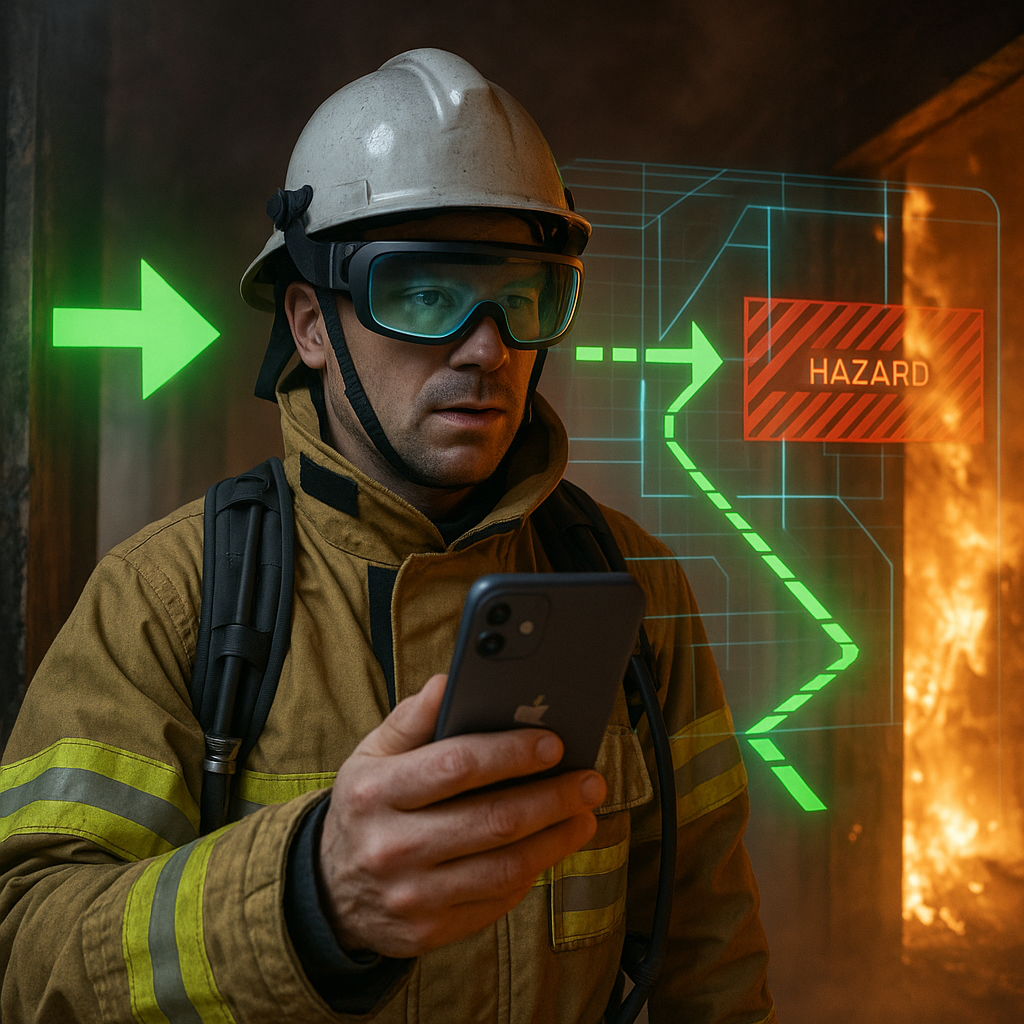
The integration of satellite communication in the iPhone 16 for emergency SOS holds potential to evolve into extended reality (XR) systems offering real-time, location-based virtual assistance during crises, thereby transforming livelihoods in emergency response and disaster management. Envision firefighters equipped with AR glasses connected to iPhone technology, displaying overlayed escape routes and hazard maps instantaneously, elevating a mere smartphone feature into an indispensable lifesaving XR tool. This advancement underscores how breakthroughs in mobile connectivity facilitate seamless mixed reality experiences in remote locales, spurring innovation in exploration and fieldwork, while ethically prompting concerns over technological over-dependence in critical scenarios, reminiscent of the GPS revolution that XR now enhances for precise virtual overlays.
In gaming, this could foster location-aware AR adventures spanning the globe, generating employment in geo-specific content creation, while socially it enhances accessibility for isolated communities through VR gatherings sans traditional infrastructure. In healthcare, satellite-enabled mixed reality consultations promise life-saving interventions in underserved regions, and entertainment may feature lag-free global AR events. Emerging mesh networks bolster XR reliability, with applications extending to aid workers in war zones utilizing AR for navigation, journalists employing AR reporting in disconnected areas, educational VR classrooms reaching remote students, transportation AR updates for off-grid travel, and wildlife conservation via AR tracking, collectively bridging urban-rural divides and promoting telemedicine in extreme conditions.
Market-wise, this challenges providers like Starlink, positioning Apple to expand into XR satellite services as analyzed in sources such as MacRumors, while technologically, low-orbit satellites meet XR's data demands, complemented by peripherals like haptic feedback for immersive alerts. Ethical debates center on privacy in tracked XR environments, analogous to a digital guardian angel, with cultural implications viewing connectivity as a human right amplified by XR's virtual presence, fostering global unity and accessibility for disabled users in remote areas. Trends indicate rising satellite-XR integrations, hypotheticals encompass space tourism simulations and worldwide multiplayer AR gaming, with competitors like SpaceX innovating similarly, signifying XR's emergence as a ubiquitous, life-altering force as explored in discussions on extended reality.
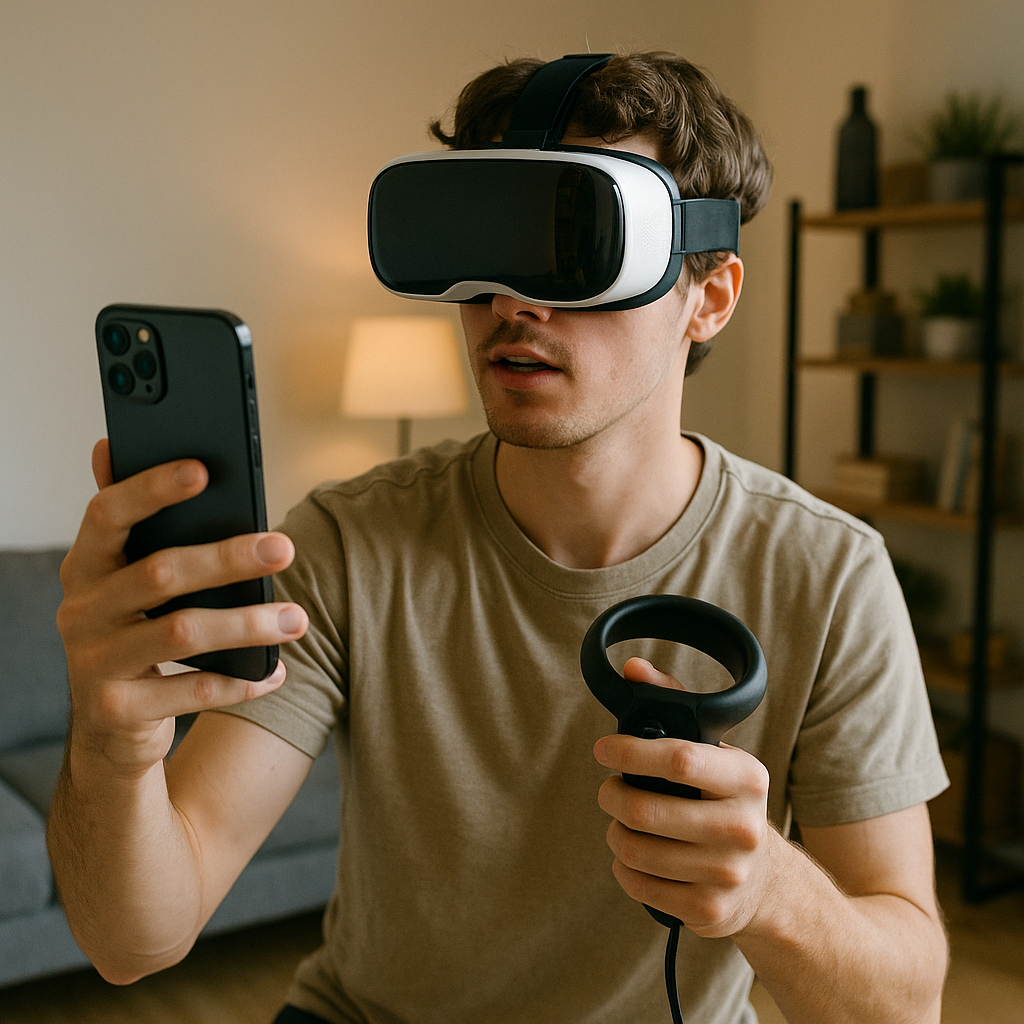
In a fun yet provocative vein, the iPhone 16's enhanced gaming performance, powered by its A18 Pro chip, could serve as a stealthy catalyst for virtual reality (VR) gaming revolutions, where mobile prowess enables console-quality XR experiences on the go, disrupting traditional gaming while birthing new ones in mobile XR development. Envision strapping on affordable VR goggles connected to your iPhone, diving into hyper-realistic worlds that rival PC setups—this blurs lines between casual mobile play and deep immersion, potentially reshaping the industry.
Tying to XR, it underscores how smartphone advancements lower barriers to entry, making VR accessible beyond high-end rigs. Ethically, this questions screen time's impact on youth, but also opens doors for therapeutic gaming in mental health. Historically, mobile gaming booms like Fortnite's cross-platform play set precedents for XR hybrids. In education, gamified VR lessons boost engagement, creating edtech jobs. Socially, it fosters inclusive play for diverse groups. Market-wise, Apple challenges Nintendo and Sony, with potential XR app store dominance as per insights from GamesIndustry.biz.
Culturally, it provokes debates on virtual versus real interactions. Healthcare uses VR for pain management. Entertainment evolves with interactive narratives. Emerging trends include cloud gaming in XR. Hypothetically, esports tournaments in virtual arenas. Tech breakthroughs in ray tracing enhance realism. Peripherals like controllers integrate seamlessly.
Analogously, it's upgrading from board games to holographic chess. Creative livelihoods flourish with user-generated VR content. In transportation, VR simulations train drivers. Social media integrates VR sharing. Real-world apps in fitness gaming. Trends toward metaverse economies. Hypotheticals like virtual job fairs. Accessibility for low-income gamers. Gaming as therapy. Healthcare rehab games. Entertainment's VR concerts. This linkage highlights how iPhone 16 provocatively accelerates XR gaming's fun, transformative potential. Cultural shift to digital socialization.
AI Generated. AI-Human Verified.