
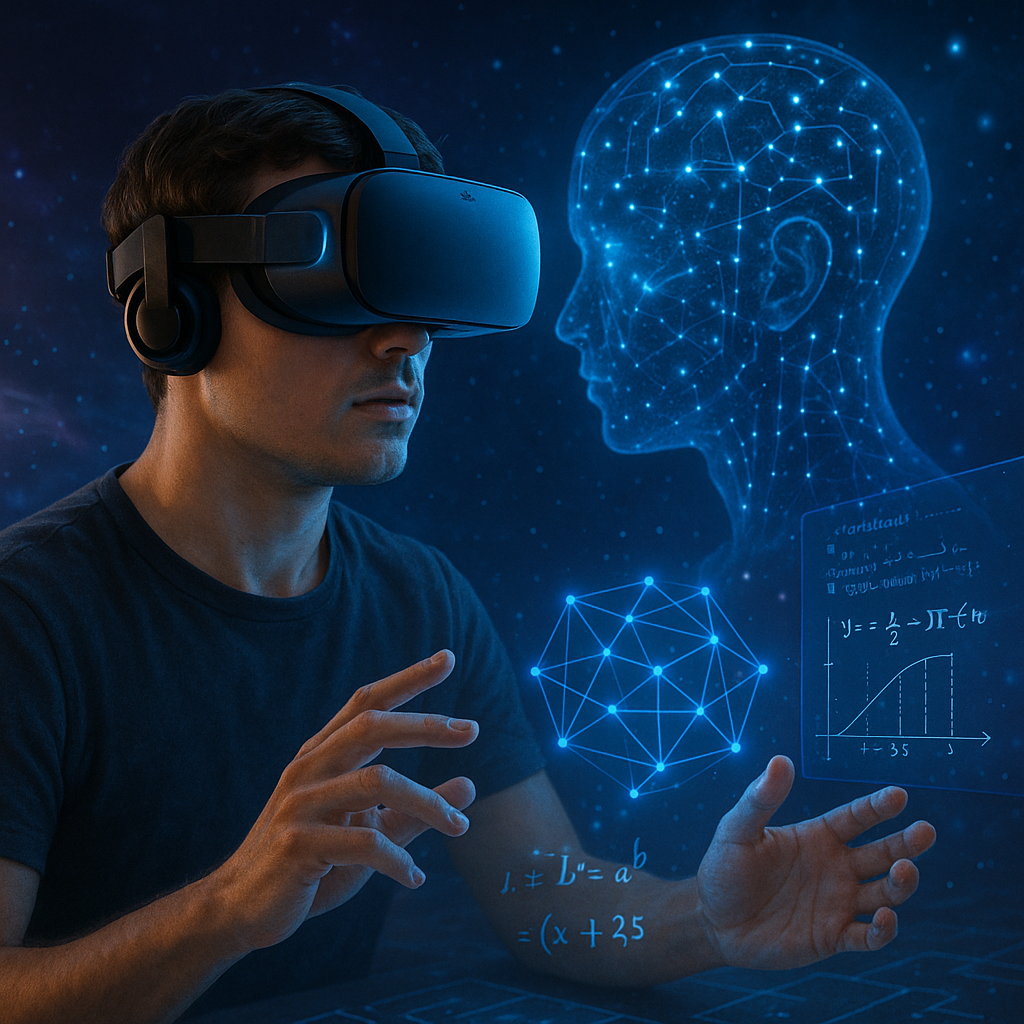
In the ever-evolving landscape of artificial intelligence, a standout recent event is the release of OpenAI's o1 model series, including o1-preview and o1-mini, which represent a leap forward in AI reasoning capabilities. As reported by OpenAI on September 12, 2024, these models are designed to think more like humans, spending time reasoning through problems before responding, excelling in complex tasks like math, coding, and science. This isn't just another chatbot upgrade; it's a shift toward AI that can handle intricate, multi-step problems with higher accuracy, potentially transforming fields from research to everyday applications. But what if this brainy AI evolution could teleport us into immersive worlds? Tease alert: imagine fusing o1's smarts with extended reality (XR) technologies—virtual, augmented, and mixed realities—creating digital realms where AI doesn't just assist but anticipates our every virtual move. This connection isn't far-fetched; it sparks curiosity about how AI's reasoning prowess could revolutionize XR, from hyper-realistic simulations to ethical quandaries in virtual societies, inviting us to ponder the blurred lines between human intellect and digital immersion.
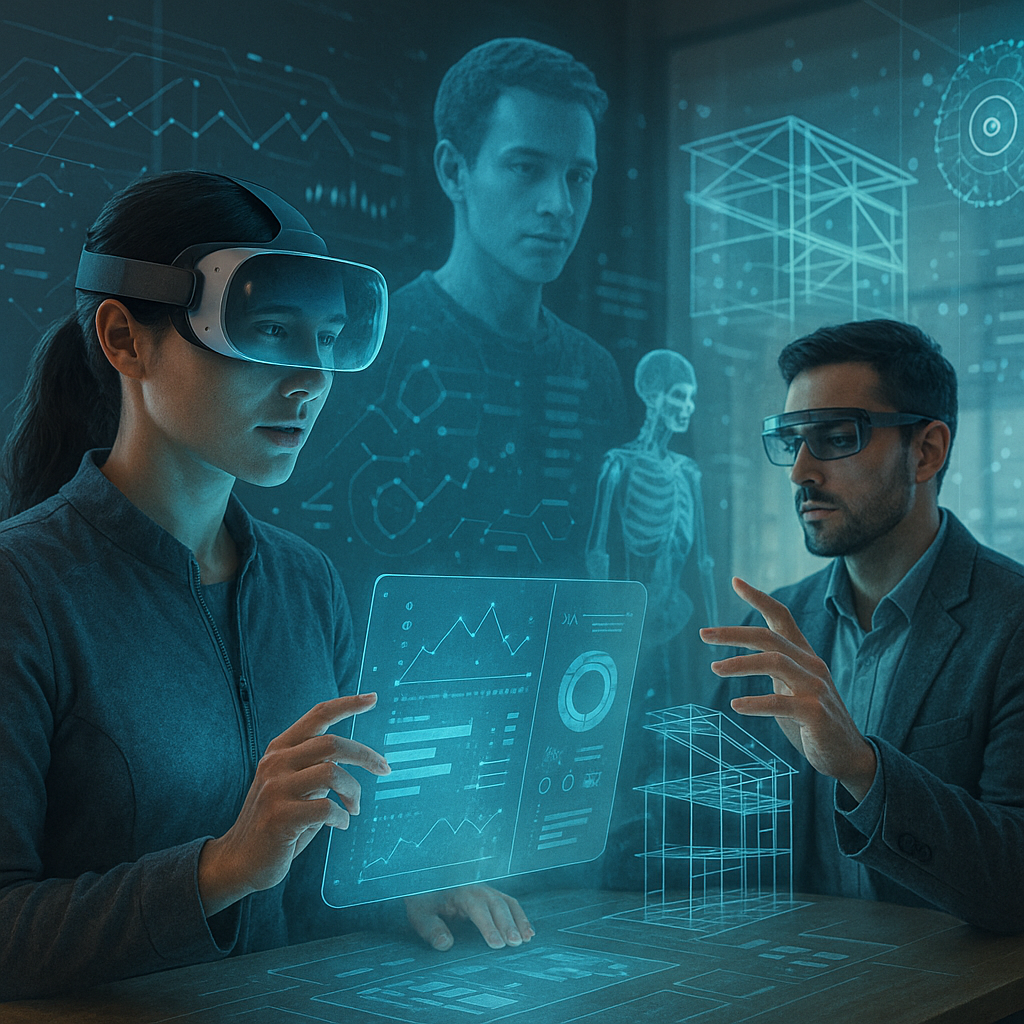
Diving deeper into the o1 model's release, it's fascinating to consider how its enhanced reasoning abilities could supercharge XR environments, turning them from mere visual spectacles into intelligent, responsive ecosystems. At its core, the o1 series, as explored in this TechCrunch analysis, mimics human-like thinking by internally chaining thoughts, allowing it to tackle problems that stump previous models like GPT-4. In the XR realm, this translates to AI companions in virtual reality (VR) that don't just react but predict user needs—imagine a VR training simulation for surgeons where the AI anticipates procedural errors based on subtle hand movements, adjusting the scenario in real-time to prevent mistakes. This isn't hypothetical fluff; companies like Meta are already integrating AI into their Quest headsets for better voice recognition and object interaction, but o1's depth could elevate this to predictive analytics, making VR feel alive. On the augmented reality (AR) side, think of AR glasses overlaying real-world data with o1-driven insights—perhaps an engineer inspecting a bridge sees not just structural overlays but AI-generated stress predictions based on environmental variables, all reasoned out on the fly. Mixed reality (MR) blends these, and with o1, collaborative workspaces in MR could feature AI that mediates discussions, suggesting solutions to design conflicts by reasoning through historical data and current inputs. But let's provoke some thought: what if this AI integration creates a digital divide, where only those with access to high-end XR gear like Apple's Vision Pro reap the benefits, exacerbating inequalities? Historically, immersive tech has drawn from AI precedents, like how early VR systems in the 1990s used basic algorithms for rendering, evolving now with 5G networks enabling low-latency AI processing. Ethically, privacy concerns loom large—o1's reasoning might infer personal data from user behaviors in virtual spaces, raising debates similar to those in social media about data exploitation. In gaming, o1 could craft dynamic narratives in VR titles, where storylines adapt not just to choices but to inferred player psychology, making experiences profoundly personal yet potentially manipulative. Educationally, XR classrooms powered by o1 might simulate historical events with AI-guided interactions, allowing students to "debate" with virtual figures whose responses are reasoned authentically. Healthcare applications are ripe too—MR therapy sessions where AI reasons through patient emotions, adjusting virtual environments to alleviate anxiety. Forward-looking, as metaverse concepts evolve, o1-like AI could govern virtual economies, reasoning fair trades or detecting fraud in spatial computing platforms. Yet, the provocation: could over-reliance on such smart XR lead to diminished human reasoning skills, akin to how calculators impacted mental math? Balancing pros and cons, short-term implications include rapid adoption in enterprise training, where XR simulations cut costs by 30% as per industry reports, while long-term, we might see regulatory changes demanding AI transparency in XR to mitigate biases. Analogously, it's like upgrading from a bicycle to a self-driving car in digital terms—exhilarating but with new risks. Hypothetically, picture a world where o1-integrated XR helps solve climate crises by simulating environmental scenarios with pinpoint accuracy, fostering global collaboration. This linkage isn't forced; AI breakthroughs naturally complement XR's need for intelligent interactivity, sparking discussions on innovation's double-edged sword.
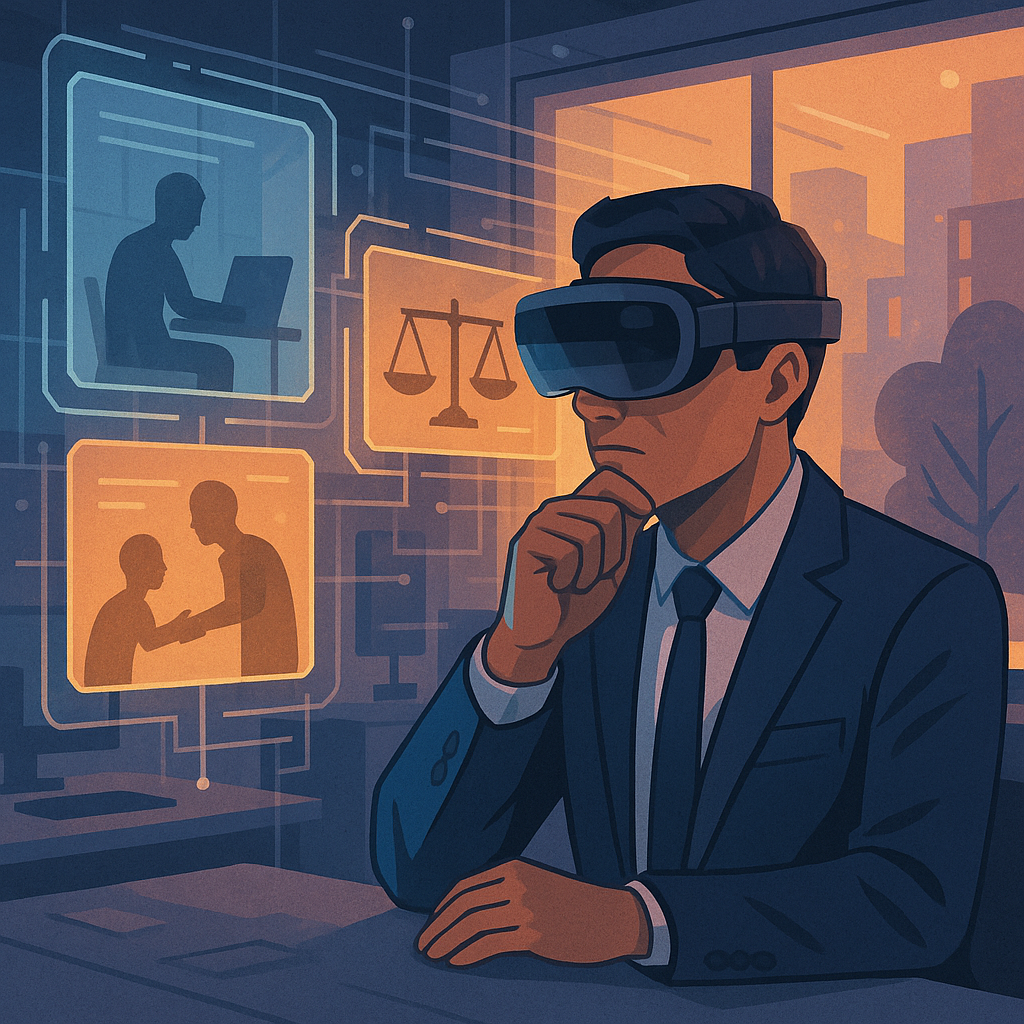
Shifting angles, the o1 model's prowess in complex problem-solving opens provocative doors for XR's role in ethical dilemmas and societal shifts, particularly when we consider how AI could simulate moral quandaries in immersive settings. As detailed in this Wired breakdown of the o1 release, the model's ability to "think" before answering reduces hallucinations and improves factual accuracy, which is crucial for XR applications demanding reliability. Envision VR ethics training for professionals: a corporate executive navigates a mixed reality scenario where o1-powered AI presents branching dilemmas on data privacy, reasoning through consequences in real-time to guide decisions—far beyond static e-learning modules. This ties into ongoing debates about privacy in virtual spaces, where XR devices like the Meta Quest collect vast biometric data; integrating o1 could enhance user consent mechanisms by intelligently explaining risks, but it also risks deeper surveillance if misused. Culturally, as social media trends evolve, XR platforms could use o1 to curate personalized virtual events, reasoning through user preferences to create inclusive digital gatherings, yet provoking questions like: does this homogenize culture or amplify diverse voices? In terms of market disruptions, Apple's Vision Pro, with its spatial computing focus, stands to gain from o1-like integrations, potentially outpacing competitors by offering AI-driven AR overlays that reason through everyday tasks, such as navigation or shopping. Historically, XR has borrowed from AI milestones—recall how IBM's Deep Blue in 1997 inspired early game AI, now amplified in XR gaming where o1 could generate infinite, reasoned procedurals worlds, making titles like Fortnite's metaverse feel endlessly innovative. Short-term, this means accessibility improvements; o1's efficiency on lighter hardware could democratize XR via mobile AR apps, bridging the digital divide for underserved communities. Long-term, scalability for mass adoption hinges on 5G/6G networks supporting cloud-based o1 processing, enabling seamless MR experiences in education, where students in remote areas access virtual labs with AI tutors that reason through experiments. But here's a witty twist: if XR becomes our "digital portal" to AI enlightenment, are we opening Pandora's box of addiction, where virtual escapism trumps real-world engagement? Hypothetical scenario: during a geopolitical crisis, XR simulations powered by o1 help diplomats reason through negotiations in virtual summits, fostering peace—but what if biased training data skews outcomes? In entertainment, o1 could revolutionize AR concerts, dynamically adjusting performances based on crowd reactions analyzed in real-time. Pros include innovation in healthcare, like MR-assisted diagnostics where AI reasons through symptoms for faster triage; cons involve job displacements in creative fields if AI handles narrative design. Rhetorically, isn't it intriguing how a non-XR AI event like o1's launch mirrors XR's own evolution from gimmick to essential tool? This natural parallel enriches discussions on emerging digital ecosystems, urging us to weigh technological breakthroughs against human-centric concerns.
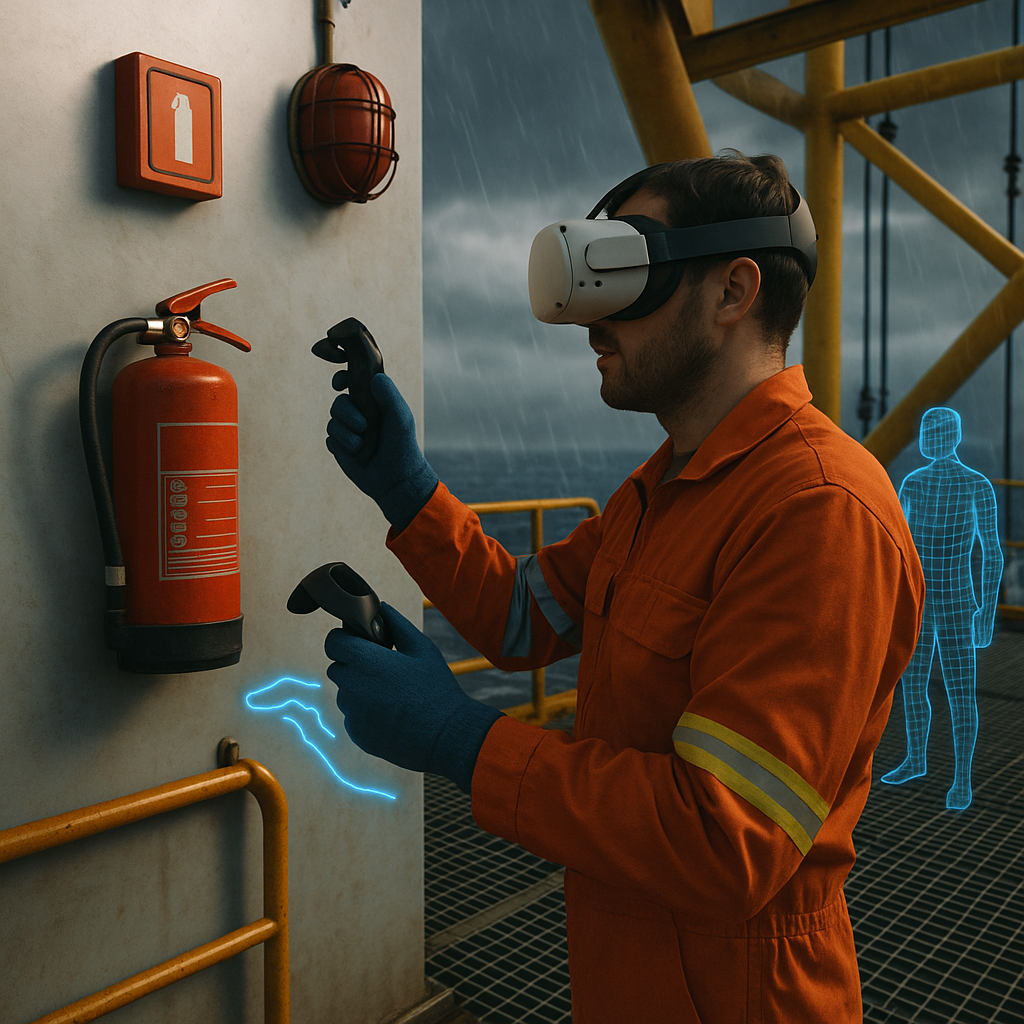
Exploring further, the intersection of o1's advanced AI with XR technologies invites us to ponder technological breakthroughs and their ripple effects on innovation ecosystems, especially in how they could disrupt traditional industries through immersive applications. o1's training on reasoning tasks allows it to outperform predecessors in benchmarks, setting a stage for XR where AI doesn't just augment but fundamentally enhances user agency. Picture enterprise training in VR: oil rig workers practice emergency protocols in a simulation where o1 reasons through variable factors like weather or equipment failure, providing adaptive feedback that mirrors real chaos— a far cry from rigid scripts. This connects to haptics integration, where XR devices use tactile feedback synced with AI decisions, making experiences viscerally real. Competing devices like HTC Vive could incorporate o1 to rival Meta's ecosystem, fostering a market where AI-driven XR becomes the norm for remote collaboration. Ethically, as XR blurs reality, o1's accuracy could mitigate misinformation in virtual news feeds, yet it raises dilemmas: who controls the "truth" in these spaces? Socially, cultural shifts toward digital natives mean XR social media, amplified by o1, could create virtual communities where AI moderates discussions with reasoned interventions, promoting healthier interactions but potentially censoring free speech. In gaming, o1 might enable MR experiences where physical rooms transform into dynamic arenas, with AI generating puzzles that evolve based on player skill—think Pokémon GO on steroids. Forward trends point to metaverse evolution, where o1 governs virtual real estate, reasoning fair valuations amid economic fluctuations. Short-term pros: rapid prototyping in design industries via AR, cutting development time; cons: overdependence might stifle creativity. Long-term, regulatory changes, like those in the EU's AI Act, could mandate audits for o1 in XR to ensure safety. Analogously, it's like evolving from silent films to talkies—AI adds "voice" to XR's visuals. Hypothetically, in environmental issues, XR simulations using o1 could model climate scenarios, helping policymakers reason through interventions collaboratively. This linkage sparks curiosity: could such tech bridge geopolitical divides by enabling shared virtual realities? In healthcare, o1-integrated MR could assist in personalized medicine, reasoning drug interactions in virtual patient models. Witty aside: if AI is the brain, XR is the body—together, they're a digital Frankenstein, alive with potential and peril. Historical precedents, like NASA's use of VR for astronaut training since the 1980s, show how AI enhancements like o1 could scale these to mass education, addressing accessibility. Overall, this non-XR event naturally parallels XR's hunger for smarter tech, provoking thoughtful discourse on balanced adoption.
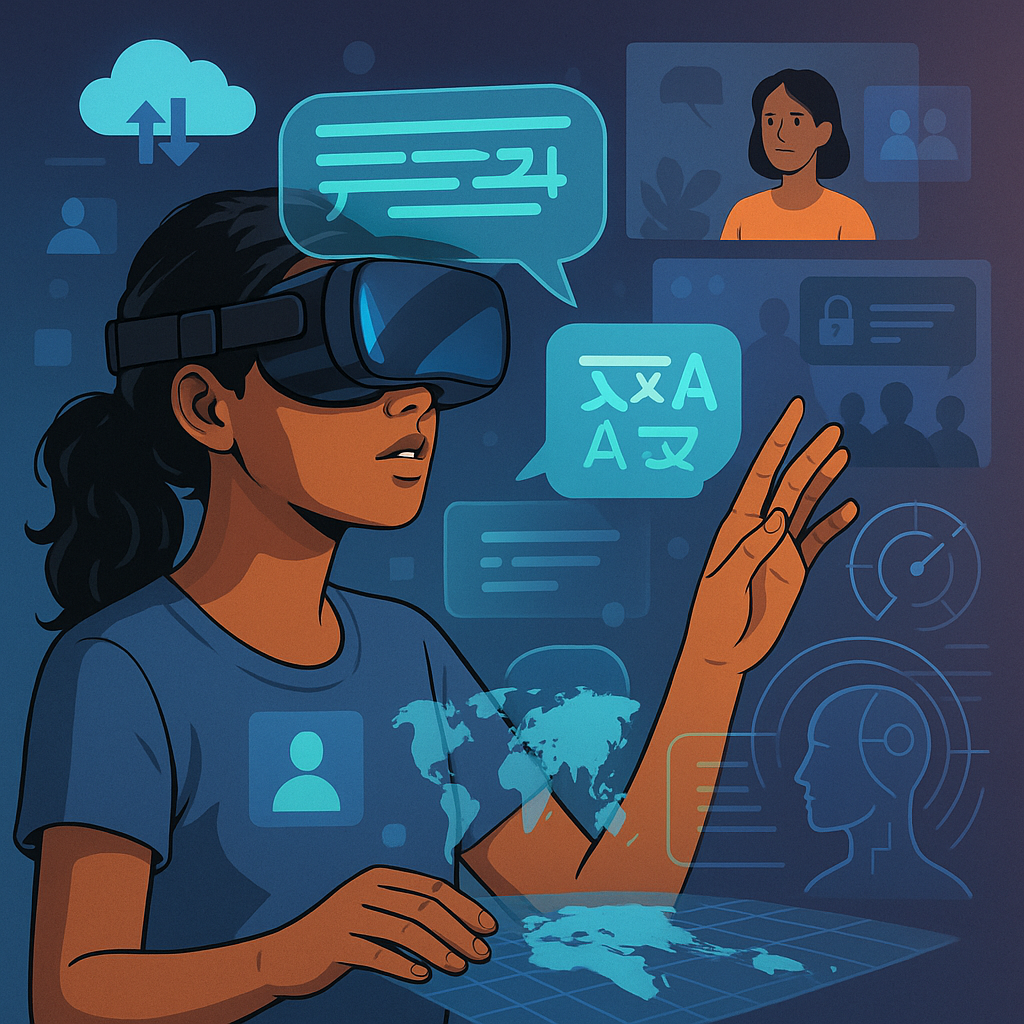
Delving into accessibility and regulatory angles, the o1 model's introduction underscores how AI can drive XR toward broader inclusivity, while also highlighting potential pitfalls in mass adoption that demand careful oversight. The model's cost-effective mini version makes advanced AI more accessible, which could parallel XR's push for affordable hardware to close the digital divide. Imagine AR apps on smartphones using o1 to provide real-time language translation in mixed reality overlays, enabling global communication without high-end gear— a boon for education in developing regions. Yet, provocatively, does this democratize knowledge or create new dependencies? In XR social media, o1 could reason through content moderation, flagging harmful interactions in virtual hangouts, but ethical debates swirl around algorithmic bias, echoing privacy concerns in platforms like Facebook's Horizon Worlds. Competing with Apple's ecosystem, where Vision Pro integrates seamlessly with iOS AI, o1 could empower Android-based XR devices to offer comparable smarts, spurring innovation. Historically, immersive tech's growth, from Ivan Sutherland's 1968 head-mounted display to today's metaverses, has always intertwined with computing advances; o1 accelerates this by enabling spatial computing where AI processes environmental data for intuitive interactions. Short-term implications: improved XR in therapy, with o1 reasoning emotional cues for customized VR sessions aiding mental health. Long-term: scalability via 6G could make o1-enhanced XR ubiquitous, transforming entertainment with AI-scripted immersive films. But rhetorical question: if XR becomes our second life, who regulates the AI puppeteers? Hypothetical: during a pandemic, o1-powered VR could simulate safe social gatherings, reasoning health protocols dynamically. Pros include enterprise efficiency, like virtual prototyping reducing waste; cons, potential isolation from over-immersion. Witty analogy: XR without smart AI is like a library without a librarian—o1 organizes the chaos into wisdom. In gaming, it could create adaptive difficulties, ensuring fun for all skill levels. Geopolitically, as nations vie for AI supremacy, XR training simulations with o1 might prepare workforces, but raise arms-race fears in military applications—though we're focusing on civilian parallels. This event's connection to XR is organic, as AI breakthroughs naturally fuel immersive tech's evolution, inviting discussions on equitable progress.
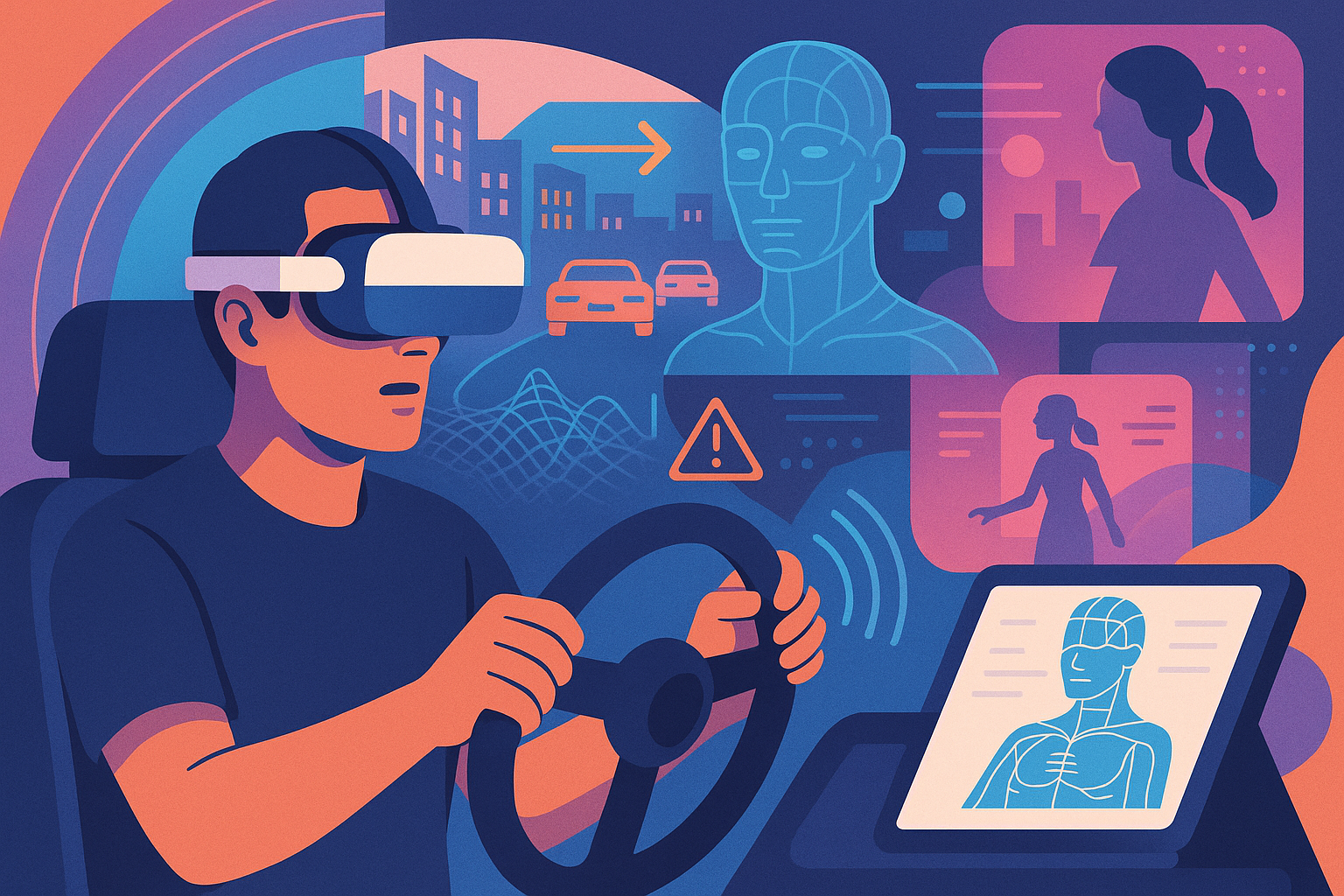
Finally, considering forward-looking trends and cultural impacts, o1's reasoning capabilities could redefine XR's place in emerging digital ecosystems, blending provocation with practical foresight. o1's phased thinking enhances reliability, priming it for XR where split-second decisions matter, like in AR-assisted driving simulations that reason through traffic variables. This could disrupt transportation training, making VR cockpits intelligent enough to predict accidents, integrated with haptics for realistic feedback. Ethically, as XR metaverses grow, o1 might enforce community guidelines by reasoning intent behind actions, mitigating toxicity but sparking free-speech debates. Culturally, social media trends like viral challenges could migrate to MR, with o1 generating user-specific variations, fostering creativity yet risking echo chambers. In comparison, while Meta's Quest focuses on social VR, o1 integration could make it a hub for AI-driven events, challenging Apple's premium approach. Historical context: XR's roots in flight simulators of the 1960s show how AI evolutions like o1 build on that legacy for modern applications in healthcare, such as surgical planning where AI reasons through anatomical anomalies in 3D models. Short-term: market boosts for XR startups leveraging o1 for quick prototypes. Long-term: evolution toward brain-computer interfaces, where o1 processes neural inputs for seamless immersion. Provocative thought: is this the dawn of AI-XR symbiosis, or a slippery slope to simulated realities overtaking the physical? Hypothetical scenario: in addressing environmental crises, o1-enhanced XR could simulate sustainable cities, allowing collaborative planning with reasoned predictions. Pros: innovation in education, with interactive history lessons; cons: potential for deepfakes in virtual identities. Analogously, it's like upgrading from radio to television—AI adds depth to XR's visuals. In entertainment, o1 could script dynamic narratives in VR films, adapting to viewer emotions detected via biometrics. Geopolitically, this ties to global tech races, where XR powered by advanced AI could bridge cultural gaps through shared virtual experiences. Witty note: if reality is subjective, XR with o1 makes it negotiable. This non-XR event naturally lends to XR parallels, encouraging readers to discuss the thrilling, thorny future of integrated technologies.
AI Generated. AI-Human Verified.