Navigating the Future: XR for Inclusive Health – Your Roadmap
- Immersive Care for All: XR Meets the Silver Economy
- Two Worlds Transformed: Sensory Journeys in XR Rehabilitation
- Powering Inclusion: Essential XR Hardware, Software & Integrations
- From Vision to Reality: A Step-by-Step Adoption Journey
- Overcoming Barriers: Practical Solutions for XR Success
- Unlocking Potential: Productivity Gains and Life-Changing Benefits
- Take the Leap: Your Next Steps into XR Health Innovation
- Core Insights: What You Need to Remember
- Transparency First: Our Responsible Approach
Immersive Care for All: XR Meets the Silver Economy
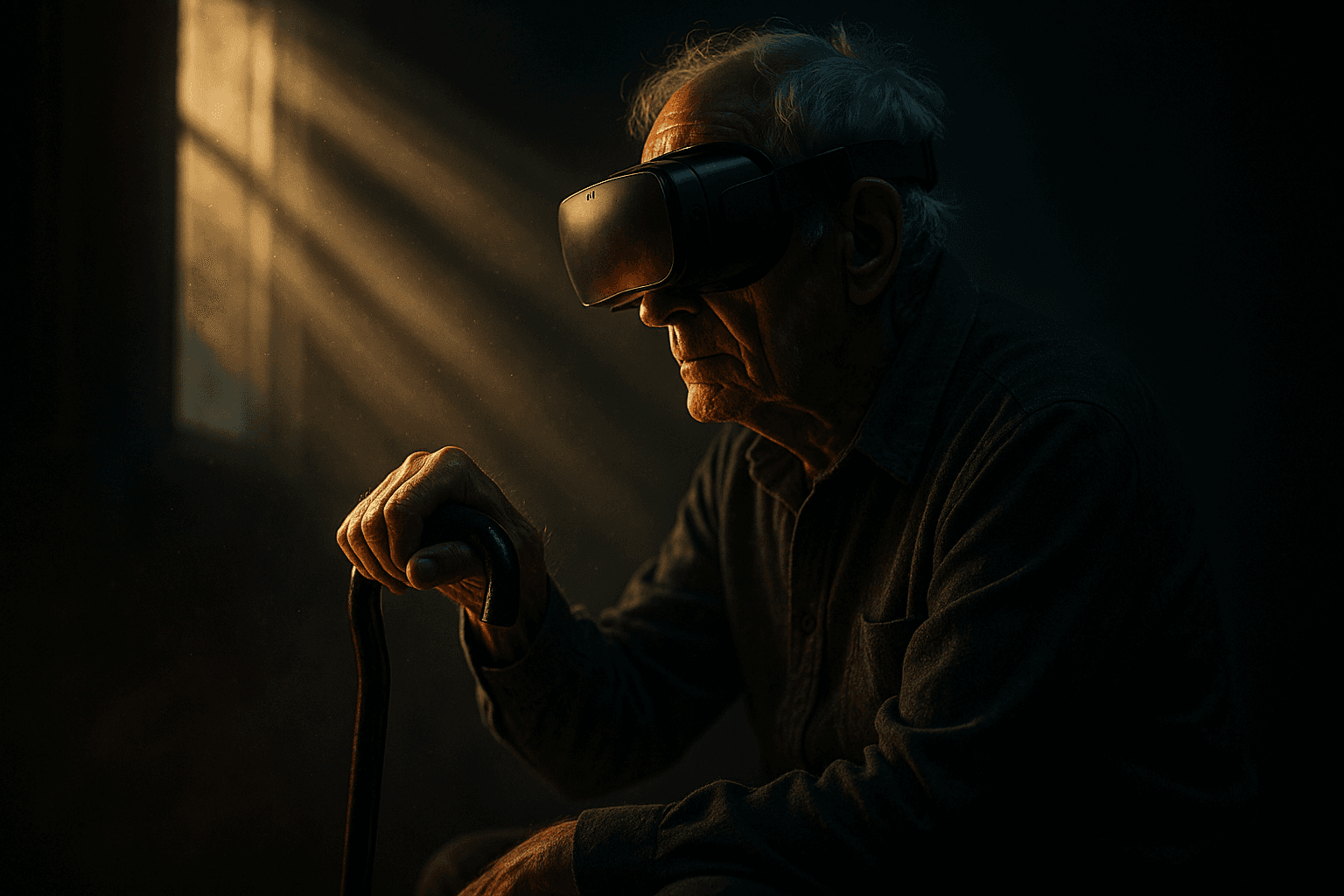
The global population is aging rapidly, driving explosive growth in the "silver economy" while straining healthcare systems with labor shortages and skyrocketing costs. Extended Reality (XR)—encompassing VR, AR, and MR—is emerging as a transformative force in inclusive health technology design. By prioritizing human factors like accessibility and usability, XR enables remote, personalized rehabilitation for elderly individuals and those with disabilities, delivering care directly into homes. This use case connects directly to the surging healthcare XR market, projected to reach $83 billion by 2034, as providers seek scalable solutions amid demographic shifts.
Two Worlds Transformed: Sensory Journeys in XR Rehabilitation
Imagine 78-year-old Maria, recovering from a stroke in her cozy living room. Donning lightweight AR glasses, she steps into a vibrant virtual garden where gentle breezes rustle digital leaves. Haptic gloves provide subtle resistance as she reaches for glowing fruits, her movements tracked in real-time by inclusive software that adapts difficulty to her mobility limitations. The system speaks encouraging cues in her native language, while family members watch via a shared dashboard, celebrating each small victory together.
Across town, wheelchair user Jamal engages in a fully immersive VR session for cognitive and physical therapy. He navigates a bustling virtual marketplace, practicing balance on uneven cobblestones simulated through precise motion feedback. Ambient market sounds and warm sunlight envelop him, reducing isolation as AI companions guide exercises tailored to his accessibility needs. These sensory-rich experiences make therapy feel like an adventure rather than a chore, fostering emotional engagement and consistent participation.
Powering Inclusion: Essential XR Hardware, Software & Integrations
Key hardware includes Meta Quest headsets for affordable VR immersion, Microsoft HoloLens for AR overlays in mixed environments, and haptic devices like HaptX gloves for tactile feedback. Software platforms such as Unity and Unreal Engine enable custom accessible experiences, while specialized tools like XRHealth integrate tele-rehab with EHR systems. AI integrations via platforms like NVIDIA Clara enhance personalization, ensuring designs follow inclusive principles like WCAG guidelines for accessibility.
From Vision to Reality: A Step-by-Step Adoption Journey
- Phase 1: Discovery & Assessment (1-2 months) – Evaluate needs through stakeholder workshops and accessibility audits; pilot low-fidelity prototypes.
- Phase 2: Technology Selection & Customization (2-3 months) – Choose hardware/software, integrate with existing health systems, and co-design with end-users for inclusivity.
- Phase 3: Pilot Testing (3-6 months) – Deploy in controlled settings with diverse participants, gather feedback on usability and outcomes.
- Phase 4: Scaling & Training (6-12 months) – Roll out organization-wide, train clinicians and patients, establish support protocols.
- Phase 5: Evaluation & Iteration (Ongoing) – Monitor metrics, refine based on data, and expand to new demographics.
Overcoming Barriers: Practical Solutions for XR Success
Common barriers include high initial costs, digital literacy gaps among elderly users, and data privacy concerns. Solutions involve phased funding through grants and ROI demonstrations, intuitive interfaces with voice/gesture controls and family onboarding sessions, and robust compliance with HIPAA/GDPR via encrypted, on-device processing. Partnerships with accessibility experts ensure designs mitigate motion sickness and fatigue through adjustable sessions and inclusive testing.
Unlocking Potential: Productivity Gains and Life-Changing Benefits
XR rehabilitation boosts therapist productivity by enabling simultaneous remote sessions, reducing travel time by up to 70%, and improving patient adherence rates to 85% through engaging experiences. For users, it restores independence, accelerates recovery, and enhances mental well-being—reducing isolation and healthcare visits. Economically, it lowers system-wide costs while empowering inclusive participation in the silver economy workforce and daily life.
Take the Leap: Your Next Steps into XR Health Innovation
Ready to pioneer inclusive XR health solutions? Start by exploring open pilot programs from organizations like XR Health or attending webinars on accessible design. Connect with interdisciplinary teams, request demos of adaptive platforms, and advocate for human-centered pilots in your community or workplace. The future of equitable care begins with your first immersive step—embrace it today.
Core Insights: What You Need to Remember
- XR delivers accessible, home-based rehabilitation tailored to aging and disabled populations.
- It directly addresses economic pressures from healthcare shortages and the silver economy boom.
- Human-factors-first design ensures usability across diverse abilities and tech comfort levels.
- Integration of haptics, AI, and telehealth maximizes engagement and measurable outcomes.
- Phased adoption with user co-design minimizes risks and accelerates scalable impact.
- Productivity surges and quality-of-life gains position XR as a cornerstone of inclusive health tech.
Transparency First: Our Responsible Approach
This post was developed with AI assistance for research, synthesis, and drafting under human oversight. XR technologies, hardware, pricing, and case studies evolve rapidly—verify the latest details directly from official sources and recent pilots. The content is for informational and inspirational purposes only and does not constitute professional, technical, financial, medical, or legal advice. Readers should evaluate fit for their specific context, start responsibly, and apply critical thinking.