2026-07-17 15:30:00
Table of Contents
Table of Contents
Discover Zander Labs: Pioneering Passive BCI + XR Integration
Neuroadaptive Cognitive Training in Immersive Environments
Intuitive Hands-Free XR Interactions for Productivity
Personalized Emotion Regulation Through Neuroadaptive XR
Unified Impact on Human Potential and Societal Progress
How to Get Started with Zander Labs XR-BCI Tools
Key Takeaways from Zander Labs XR Neurotech Advances
Disclaimer and Additional Notes
Discover Zander Labs: Pioneering Passive BCI + XR Integration
Neuroadaptive Cognitive Training in Immersive Environments
Intuitive Hands-Free XR Interactions for Productivity
Personalized Emotion Regulation Through Neuroadaptive XR
Unified Impact on Human Potential and Societal Progress
How to Get Started with Zander Labs XR-BCI Tools
Key Takeaways from Zander Labs XR Neurotech Advances
Disclaimer and Additional Notes
Discover Zander Labs: Pioneering Passive BCI + XR Integration
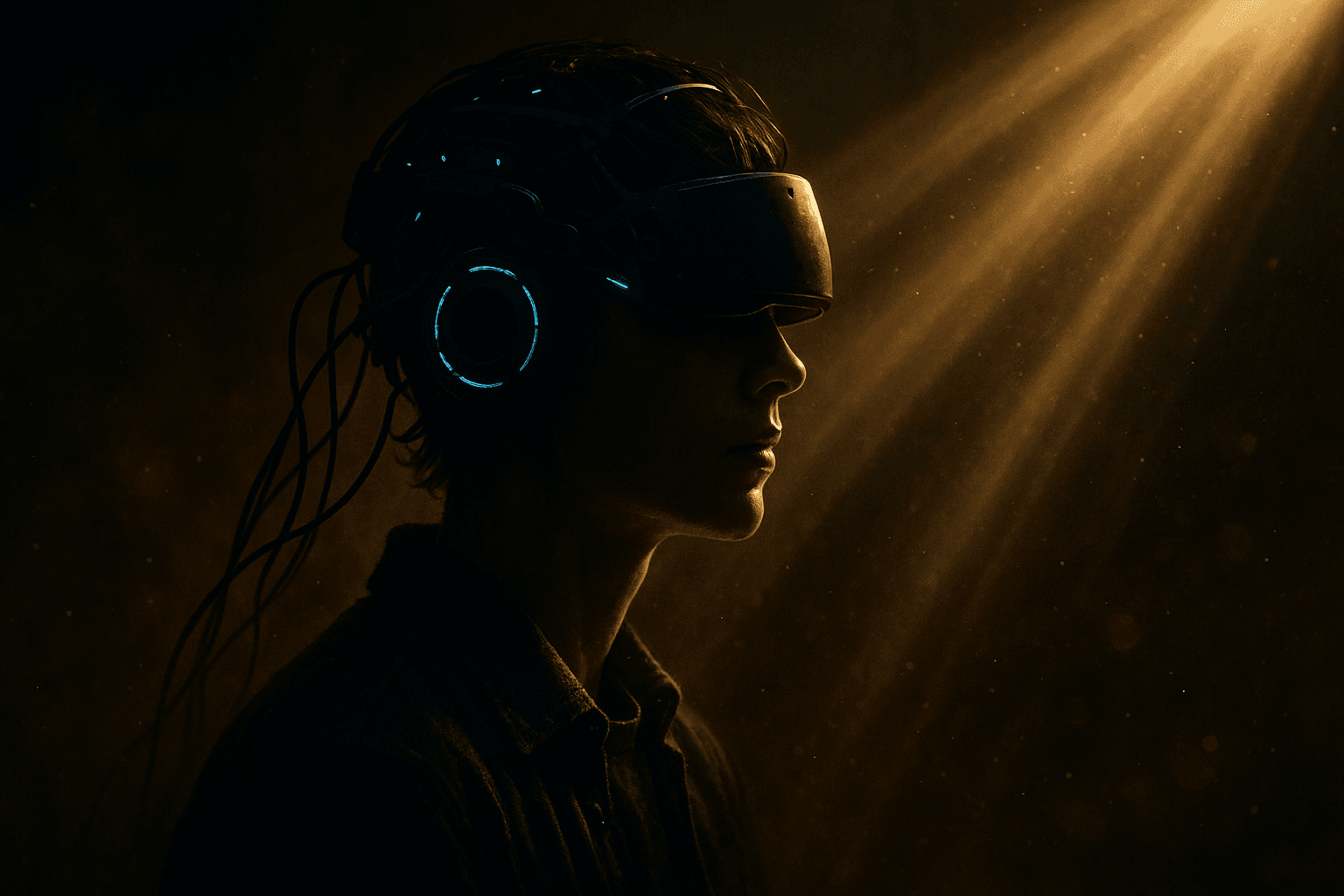
Zander Labs, a Dutch-German deep-tech company founded to advance passive brain-computer interfaces (pBCI) and neuroadaptive AI, is at the forefront of merging neuroscience with extended reality. Their mission centers on creating intuitive human-AI interactions that unlock cognitive potential without invasive hardware. By integrating EEG-based pBCI with XR headsets, their solutions enhance cognitive performance, focus, and emotional well-being through real-time brain-state adaptation in immersive environments. This approach has gained traction in 2025–2026 with milestones like mobile pBCI demonstrations and U.S. market expansion. Three standout use cases include neuroadaptive cognitive training, intuitive hands-free XR interactions, and personalized emotion regulation—all verified via their official resources and recent tech coverage. Explore more at the Zander Labs website.
Neuroadaptive Cognitive Training in Immersive Environments
Zander Labs’ pBCI integration enables XR environments that dynamically adjust difficulty and stimuli based on real-time EEG-detected focus or mental states, optimizing cognitive training sessions. For example, their Intuitive XR suite (available for Unity integration) powers mods like Real Virtual Magic in Skyrim VR, where spell-casting strength scales directly with measured focus levels, providing immediate biofeedback for skill-building. This leverages XR’s immersion and spatial computing to create adaptive scenarios impossible in traditional training, such as virtual scenarios that ramp up complexity only when the user’s brain signals indicate readiness. Measurable benefits include improved attention spans and neural efficiency, with studies on similar pBCI-XR setups showing enhanced learning outcomes. Challenges like signal noise in mobile setups are mitigated by their on-device processing, making it suitable for home or clinical use. Users report more engaging, personalized sessions compared to static apps, fostering sustained cognitive gains.
Intuitive Hands-Free XR Interactions for Productivity
In professional settings, Zander Labs’ technology combines pBCI with eye-tracking in XR headsets to decode user intent for seamless, touchless interactions—ideal for designers, engineers, or remote collaborators. A specific application involves mapping mental states to virtual UI elements, allowing selection or manipulation via attention and intention rather than gestures, reducing fatigue in prolonged sessions. This exploits XR’s interactivity and spatial awareness alongside passive brain signals for natural workflows, such as navigating complex 3D models without controllers. Real-world pilots demonstrate faster task completion and lower error rates in neuroergonomics testing. Edge cases include initial calibration time or variability across users, addressed through their generalized mobile stacks demonstrated in 2026. Benefits extend to accessibility for those with motor limitations, promoting inclusive productivity gains backed by ongoing event showcases like CES 2026.
Personalized Emotion Regulation Through Neuroadaptive XR
Zander Labs enables XR worlds that respond to detected emotional or arousal states via pBCI, offering tailored calming or energizing experiences for mental health support. Examples include adaptive virtual environments that modulate lighting, sounds, or narratives based on real-time EEG feedback to aid relaxation or focus training. This harnesses XR’s immersive power to simulate therapeutic scenarios with precise neurofeedback, outperforming non-adaptive media in engagement. Applications range from stress reduction for professionals to cognitive behavioral support, with logical implications for scalable well-being tools. Potential challenges involve privacy of neural data (mitigated by local processing) and ensuring ethical adaptation algorithms. Early feedback from integrations highlights improved user control over emotional states, contributing to broader mental resilience in daily life.
Unified Impact on Human Potential and Societal Progress
These use cases interconnect through Zander Labs’ core pBCI-XR platform, creating synergies where cognitive training builds foundational skills that enhance intuitive interactions and emotional regulation in shared immersive spaces. Collectively, they drive productivity by reducing cognitive load, foster empathy via personalized experiences, and accelerate innovation in human-AI collaboration. Long-term implications include scalable neuroadaptive tools for education and healthcare, shifting society toward more intuitive, inclusive technologies. Trade-offs like data privacy are balanced by on-device processing, while complementary AI advancements amplify adaptability across personal and global contexts.
How to Get Started with Zander Labs XR-BCI Tools
Begin by visiting the Zander Labs site to explore their Intuitive XR suite and GitHub integrations for Unity developers. Hardware needs include a compatible XR headset (e.g., those supporting eye-tracking like Meta Quest) paired with EEG sensors such as Emotiv or modular options; start with consumer-grade setups for testing. Download their open-source tools, calibrate via provided tutorials, and integrate into existing workflows like VR games or productivity apps—begin with short 15–20 minute sessions. Costs vary from free software trials to hardware (~$500–2000 for entry-level EEG/XR combos); join their events or community for support. For beginners, focus on demo mods before advancing to custom neuroadaptive experiences; always prioritize gradual adoption and consult professionals for health-related uses.
Key Takeaways from Zander Labs XR Neurotech Advances
- pBCI + XR creates truly adaptive environments that respond to your brain in real time, boosting focus and learning efficiency beyond static tools.
- Hands-free intent decoding via passive signals plus eye-tracking unlocks natural productivity in spatial computing without physical strain.
- Neuroadaptive experiences offer personalized emotion regulation, with on-device processing ensuring privacy and mobility.
- 2025–2026 milestones like mobile integrations and U.S. expansion signal rapid commercialization for cognitive enhancement.
- Start small with Unity mods or demos to experience measurable gains in attention and well-being while building toward advanced applications.
- This convergence points to a future of empathetic, intuitive tech that scales human potential across work, play, and therapy.
Disclaimer and Additional Notes
This post was generated with AI assistance using Grok/xAI tools, synthesizing information from publicly available sources including Zander Labs’ website and recent 2025–2026 publications. Readers should independently verify all technical details, company claims, and use cases, as XR and neurotechnology evolve rapidly. Exercise discretion with health, safety, or investment decisions, and consult qualified experts before adopting any neurotech solutions. Evolving BCI-XR tech holds transformative promise but requires ongoing ethical and regulatory consideration.