2026-07-02 12:00:00
Table of Contents
Immersive Waves: FORM's AR-Powered Revolution in Aquatic Training
Unlock Real-Time Coaching for Peak Athletic Performance
Master Technique and Build Skills Through Immersive Feedback
Democratize Accessible Training Across Skill Levels and Environments
Synergies Driving Holistic Athletic and Wellness Transformation
Your Step-by-Step Path to Integrating FORM Smart Swim Goggles
Key Takeaways: Actionable Insights from FORM's XR Innovation
Extras: Transparency, Verification, and Forward-Looking Notes
Unlock Real-Time Coaching for Peak Athletic Performance
Master Technique and Build Skills Through Immersive Feedback
Democratize Accessible Training Across Skill Levels and Environments
Synergies Driving Holistic Athletic and Wellness Transformation
Your Step-by-Step Path to Integrating FORM Smart Swim Goggles
Key Takeaways: Actionable Insights from FORM's XR Innovation
Extras: Transparency, Verification, and Forward-Looking Notes
Immersive Waves: FORM's AR-Powered Revolution in Aquatic Training
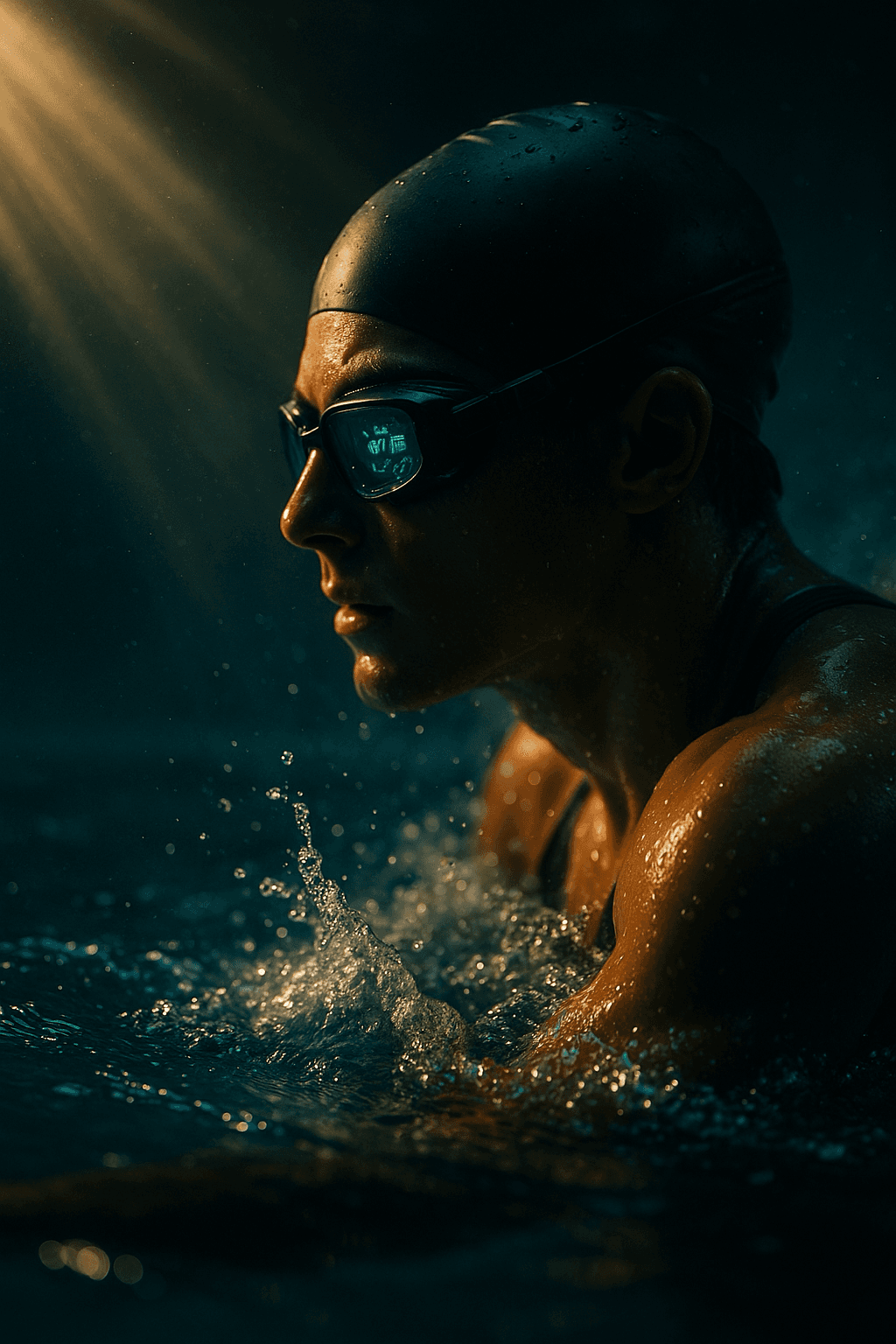
FORM Smart Swim Goggles, developed by the Vancouver-based fitness technology company FORM (founded in 2016 by former competitive swimmer and entrepreneur Dan Eisenhardt), deliver groundbreaking augmented reality (AR) experiences directly in swimmers' fields of view. The company's mission centers on using real-time visual feedback to elevate athletic performance, transforming traditional pool sessions into data-driven, motivating workouts that enhance efficiency, technique, and overall well-being. This innovative XR solution improves human life by making expert-level coaching accessible without a physical trainer, boosting productivity in training regimens, fostering skill development, and supporting healthier lifestyles through consistent, engaging exercise. Three distinct, practical use cases include real-time performance metrics for competitive athletes, guided technique coaching for skill mastery, and scalable training programs for swimmers of all levels in varied aquatic environments. With recent advancements like the Smart Swim 2 PRO launched in July 2025 featuring Corning Gorilla Glass for durability, FORM stands out for its genuine, verifiable impact in sports and fitness.
Unlock Real-Time Coaching for Peak Athletic Performance
FORM's AR display projects live metrics—such as pace, splits, stroke count, distance, and even heart rate—directly into the swimmer's view, leveraging spatial computing and immersion to eliminate the need to glance at watches or walls. Competitive swimmers and triathletes benefit from instant feedback during intense sessions, enabling mid-workout adjustments that traditional methods cannot match; for example, maintaining target pace across 400m repeats becomes intuitive rather than guesswork. This harnesses XR's interactivity strengths by overlaying dynamic data on the real underwater environment, creating a seamless coaching experience that feels like having a personal trainer in the lane. Measurable outcomes include improved consistency and faster times, with users reporting enhanced motivation and reduced reliance on external timing devices. Edge cases like open-water swimming or tethered training are addressed through robust tracking algorithms that maintain accuracy despite variable conditions, though challenges such as initial calibration or battery life in prolonged use require user familiarization. Testimonials from college teams and triathletes highlight flawless stroke and distance tracking, underscoring logical implications for higher training efficiency and reduced injury risk through better pacing awareness.
Master Technique and Build Skills Through Immersive Feedback
Beyond metrics, the goggles provide technique coaching via visual cues that highlight stroke form, body position, and efficiency in real time, drawing on XR's immersive and interactive capabilities to make abstract concepts tangible underwater. Swimmers receive guided drills and instant corrections—such as head alignment or kick timing—without breaking rhythm, accelerating skill acquisition in a way video analysis or coach feedback alone cannot replicate. Real-world applications span elite training camps to recreational programs, where users practice specific skills like bilateral breathing or streamlined push-offs with immediate visual reinforcement. Benefits include measurable improvements in stroke efficiency and reduced drag, supported by app-integrated analytics that track progress over sessions. Potential challenges involve adapting to the heads-up display in high-intensity sets or ensuring compatibility with prescription lenses, yet the system's fog-free design and customizable views mitigate these effectively. Logical implications point to broader accessibility for self-coached athletes, fostering empathy in training by personalizing feedback to individual biomechanics.
Democratize Accessible Training Across Skill Levels and Environments
FORM extends its impact through app-synced guided workouts and training plans tailored for beginners to advanced users, utilizing AR to deliver motivating, structured sessions that promote consistent exercise habits and well-being. In pools, open water, or even spa settings, the system adapts to provide paced intervals or skill-focused sets, making high-quality aquatic training available without gym memberships or coaching fees. This leverages spatial computing for an always-on immersive environment that keeps users engaged across diverse conditions, from competitive lanes to recreational swims. Outcomes include higher adherence rates and skill progression for novices, with the 2025 PRO model's durable lenses ensuring reliability year-round. Edge cases like varying water clarity or user mobility are handled via robust sensors, though beginners may need a short adaptation period to interpret the display. Data from user communities and reviews affirm enhanced motivation and performance gains, implying scalable benefits for public health initiatives promoting swimming as accessible fitness.
Synergies Driving Holistic Athletic and Wellness Transformation
These use cases interconnect through FORM's core XR strengths—real-time immersion bridges performance tracking with technique refinement and broad accessibility, creating a synergistic ecosystem where data informs coaching, coaching builds skills, and skills enable inclusive participation. Collectively, they advance human productivity in training, foster innovation in self-directed fitness, and contribute to societal progress by making expert aquatic coaching scalable and affordable. Long-term implications include transformative shifts toward personalized, data-empowered wellness routines that could integrate with broader health ecosystems, though trade-offs like hardware costs or learning curves highlight the complementary role of AI refinements and affordable entry models. Scalability across personal, professional (e.g., team sports), and global contexts positions this solution as a catalyst for more efficient, empathetic, and innovative approaches to physical activity.
Your Step-by-Step Path to Integrating FORM Smart Swim Goggles
1. Visit formswim.com to explore models like the Smart Swim 2 series (starting around $200–$400 based on version), check compatibility with your prescription needs, and review current promotions or bundles with the companion app. 2. Ensure basic hardware readiness—a compatible smartphone for app syncing (iOS/Android) and access to a pool or suitable water body; no high-end XR headset required, making it beginner-friendly. 3. Download the FORM Swim app, create an account, and start with free or trial guided workouts to familiarize yourself gradually, beginning with short 20–30 minute sessions. 4. Practice calibration in calm water, customize display settings for metrics or coaching cues, and integrate with existing tools like fitness trackers if desired for holistic monitoring. 5. Overcome barriers by joining user communities for tips, starting slow to build comfort with the AR interface, and scaling to advanced plans as proficiency grows—always prioritizing safety and consulting a physician for health considerations. This gradual approach ensures accessible adoption from novices to pros.
Key Takeaways: Actionable Insights from FORM's XR Innovation
- Real-time AR metrics in water eliminate guesswork, directly boosting training efficiency and measurable performance gains for athletes at any level.- Immersive technique feedback accelerates skill mastery far beyond traditional methods, with logical extensions to injury prevention and consistent progress tracking.- The system's adaptability across pools, open water, and skill levels democratizes expert coaching, promoting broader wellness and accessibility in fitness.- Synergies between data, coaching, and guided plans create scalable, personalized experiences that enhance productivity, motivation, and long-term adherence.- Recent 2025 PRO upgrades with durable lenses underscore ongoing innovation, signaling XR's growing role in everyday sports tech with verifiable user benefits.- Start small with app trials to overcome adoption hurdles, positioning FORM as a practical entry point into impactful XR for health and performance.
Extras: Transparency, Verification, and Forward-Looking Notes
This post was generated with AI assistance using Grok/xAI tools for research synthesis and structuring. Information is drawn from publicly available sources (including company sites, recent 2025–2026 reviews, and industry reports) and should be independently verified by readers for the latest details, as XR technology evolves rapidly. Exercise discretion with technical claims, health/safety considerations (e.g., consult professionals before intense training), or any investment decisions. Author perspective: FORM exemplifies how targeted XR can deliver tangible, non-hyped real-world value in niche yet impactful domains like aquatic fitness.