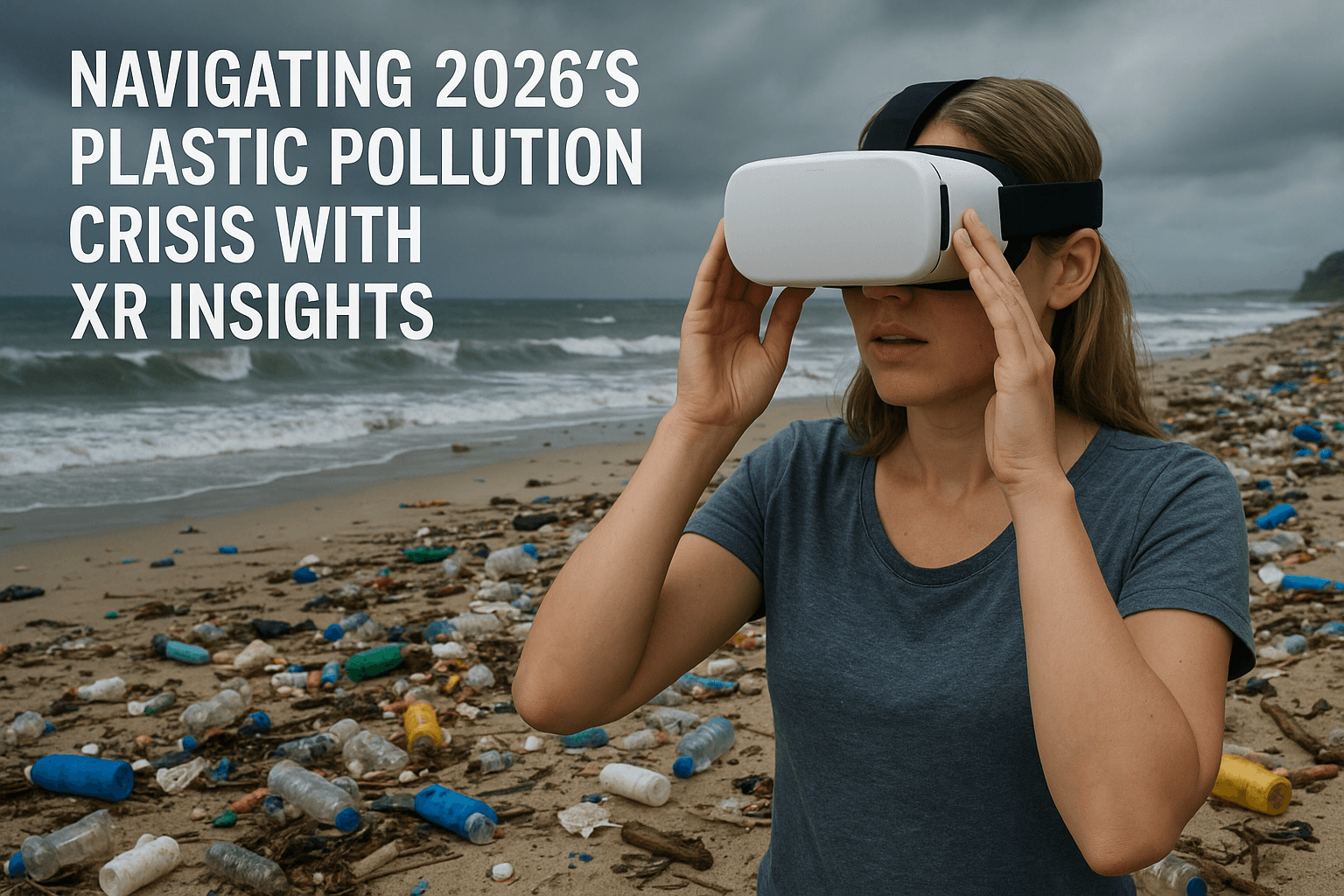
Navigating 2026's Plastic Pollution Crisis with XR Insights
Ever scrolled through your feed and felt overwhelmed by images of beaches choked with plastic waste, wondering if there's any way to make a real difference from your living room? The 2026 UN Environment Programme report paints a stark picture: global plastic pollution has surged to critical levels, with microplastics infiltrating everything from our oceans to our food chains, threatening ecosystems and human health alike. This isn't just an environmental headline—it's a daily reality affecting food prices, coastal communities, and even the air we breathe. But what if immersive technologies like extended reality (XR) could turn passive scrolling into active empathy and action? In this post, we'll explore how XR bridges the gap between distant crises and personal involvement, offering tools to visualize impacts, foster collaboration, and inspire community solutions. Stick around to discover simple steps you can take to harness XR for a cleaner planet.
Table of Contents
Understanding the 2026 Plastic Surge
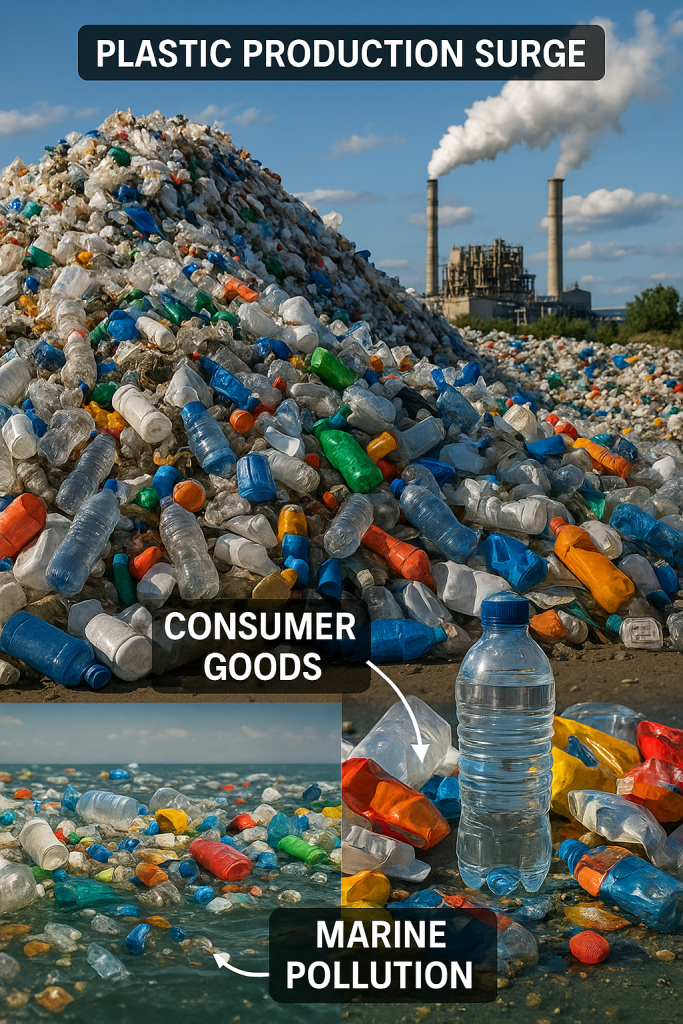
The UN's latest assessment reveals that plastic production hit a record 500 million tons annually, with only 9% recycled globally. This escalation stems from booming manufacturing demands, particularly in consumer goods, exacerbating ocean gyres where debris accumulates like a toxic soup.
Everyday items, from bottled water to packaging, contribute to this mess, linking industrial output to personal habits. Imagine the scale: one element of our universe, carbon-based polymers, now rivals natural sediments in marine environments.
XR as a Window to Hidden Realities
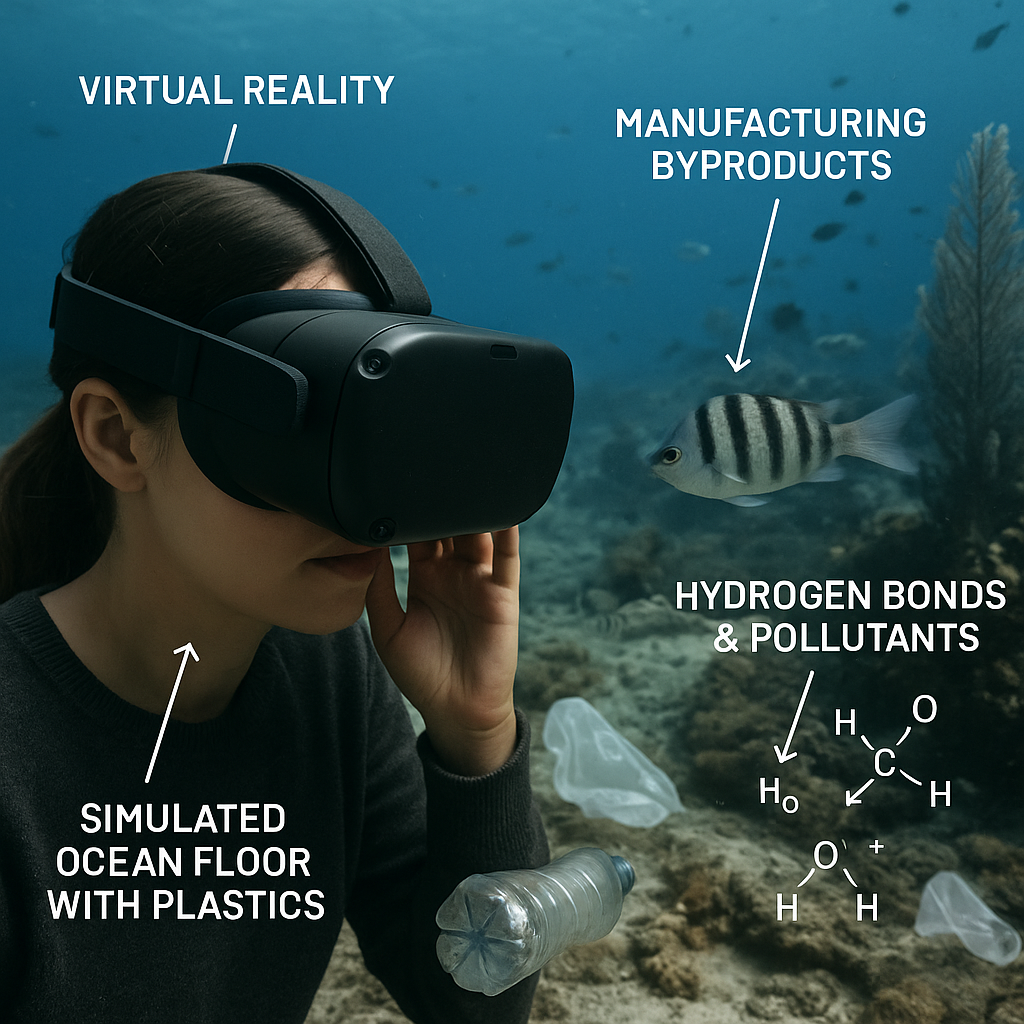
Extended reality isn't just for gaming—it's a portal to unseen worlds. Picture donning a VR headset to dive into a simulated ocean floor littered with plastics, witnessing how manufacturing byproducts disrupt marine life in real time.
This tech draws parallels to elemental forces, like how hydrogen bonds in water molecules interact with pollutants, making abstract science tangible. By visualizing data from reports, XR turns statistics into stories that stick.
Building Empathy Through Immersive Simulations
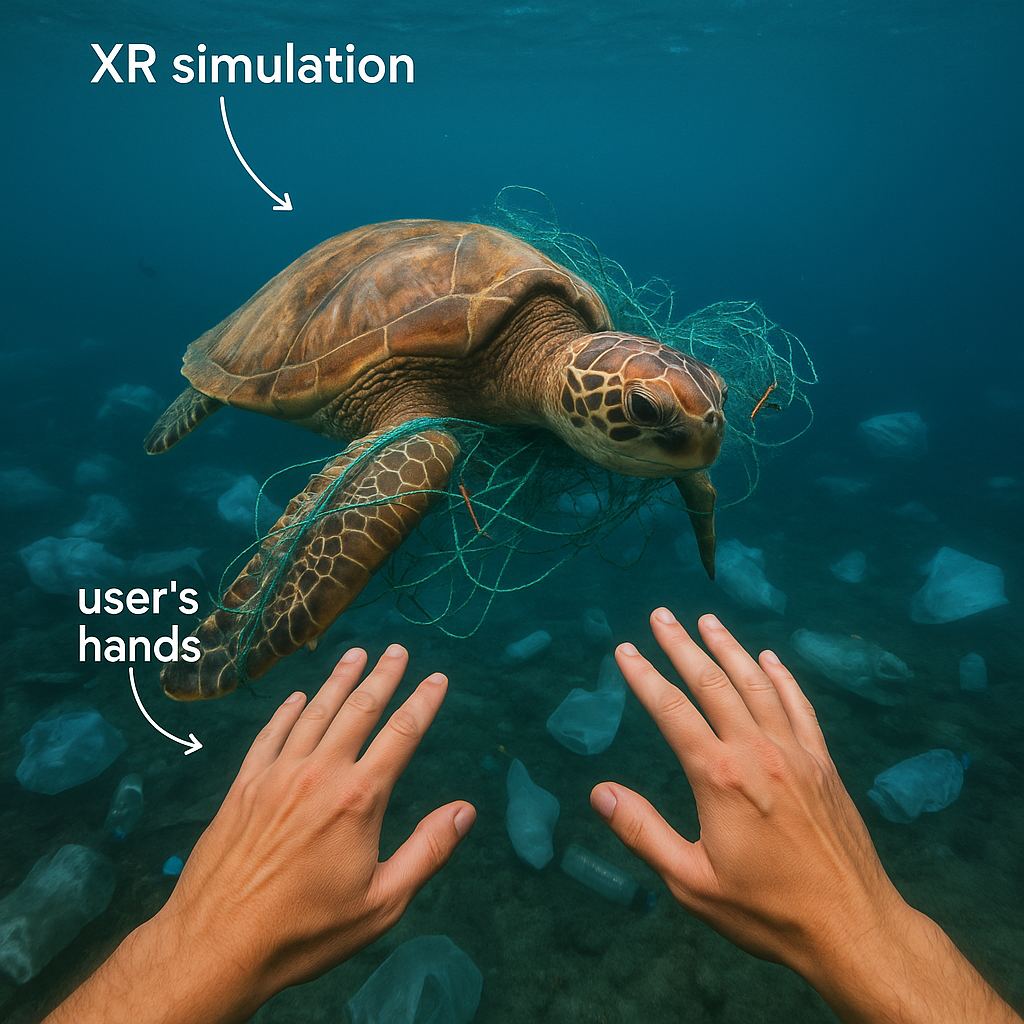
What if you could walk in the fins of a sea turtle entangled in fishing nets? XR experiences, like those from apps such as Ocean Guardian VR, let users rehearse responses to pollution scenarios, fostering deeper emotional connections.
These simulations mirror real geopolitical tensions over waste trade, showing how one country's manufacturing affects another's shores. It's a witty reminder: in XR, you're not just observing—you're part of the ecosystem.
Collaborating Across Distances with XR Tools
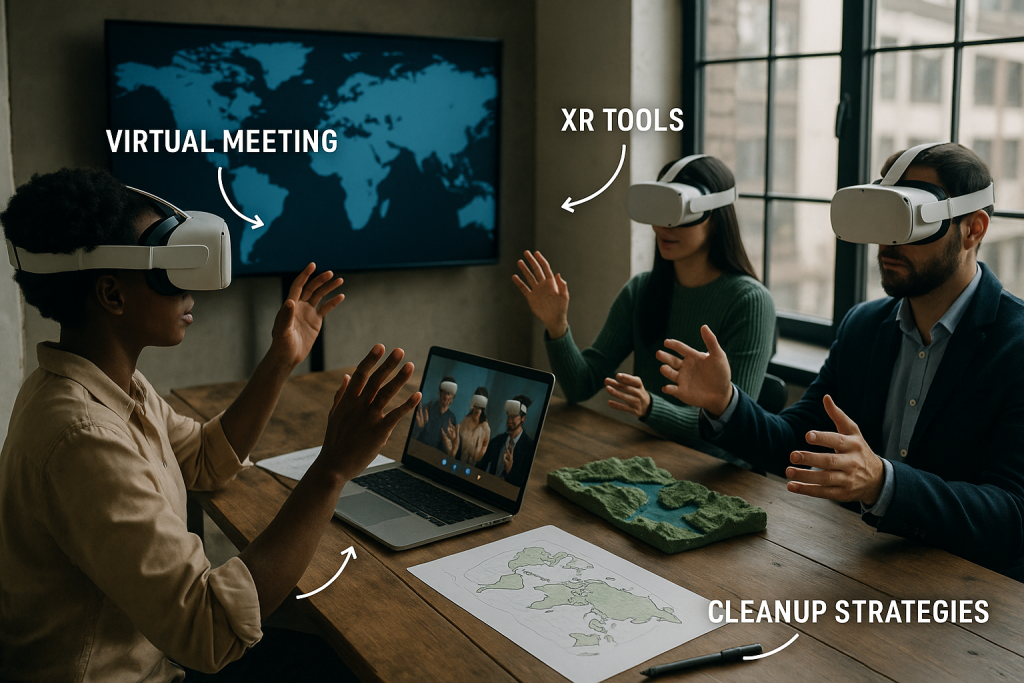
Geopolitical divides often hinder global solutions, but XR platforms enable virtual meetings where activists from different continents brainstorm cleanup strategies. Tools like Spatial or Horizon Workrooms integrate manufacturing insights to prototype eco-friendly alternatives.
Think of it as harnessing universal elements—collaborating as if gravity didn't separate us. This approach has sparked community projects, from virtual hackathons to shared augmented reality maps of pollution hotspots.
From Virtual to Real-World Action
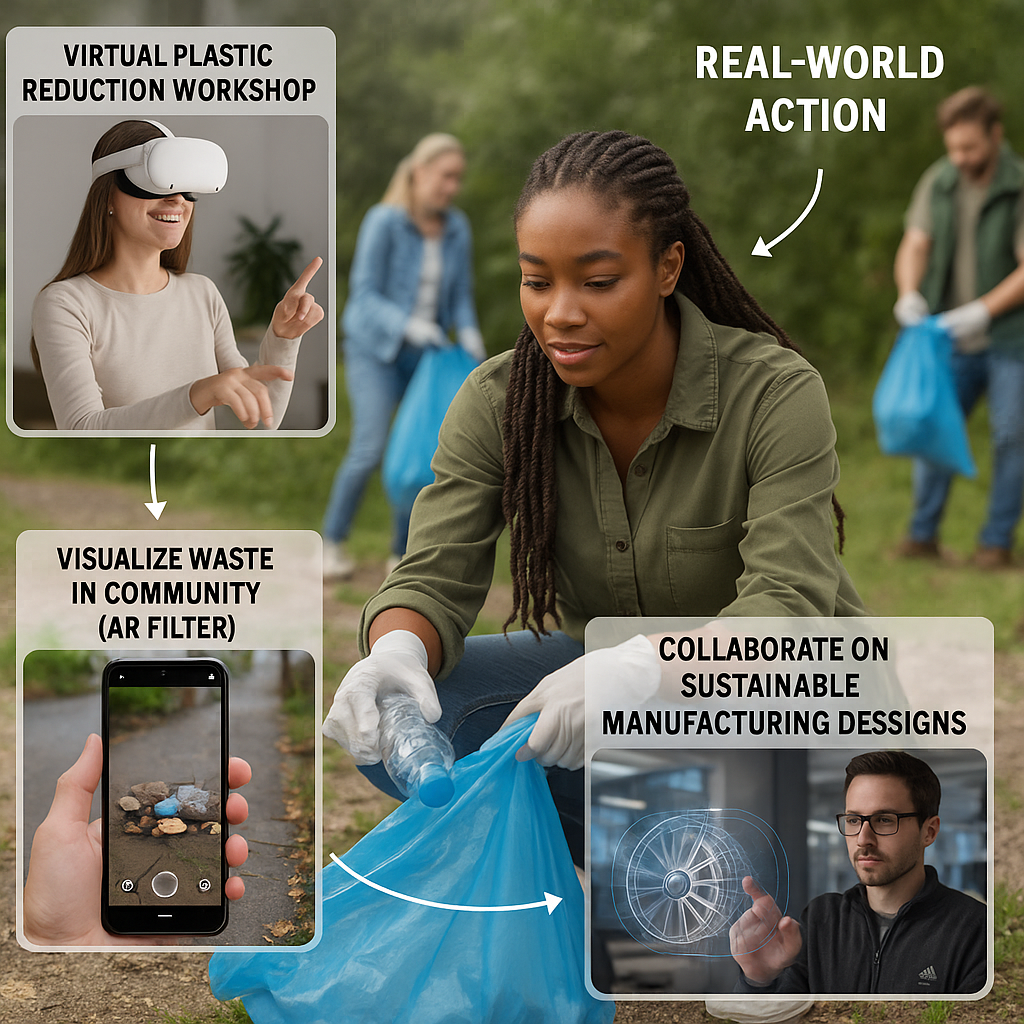
Ready to move beyond the screen? Start by exploring XR apps that simulate local impacts, then apply those insights offline.
- Join a virtual XR workshop on plastic reduction via Oculus Experiences and organize a neighborhood cleanup.
- Use AR filters on apps like Snapchat to visualize waste in your community, then petition for better recycling policies.
- Collaborate on platforms like Microsoft Mesh to design sustainable manufacturing tweaks, sharing ideas with local businesses.
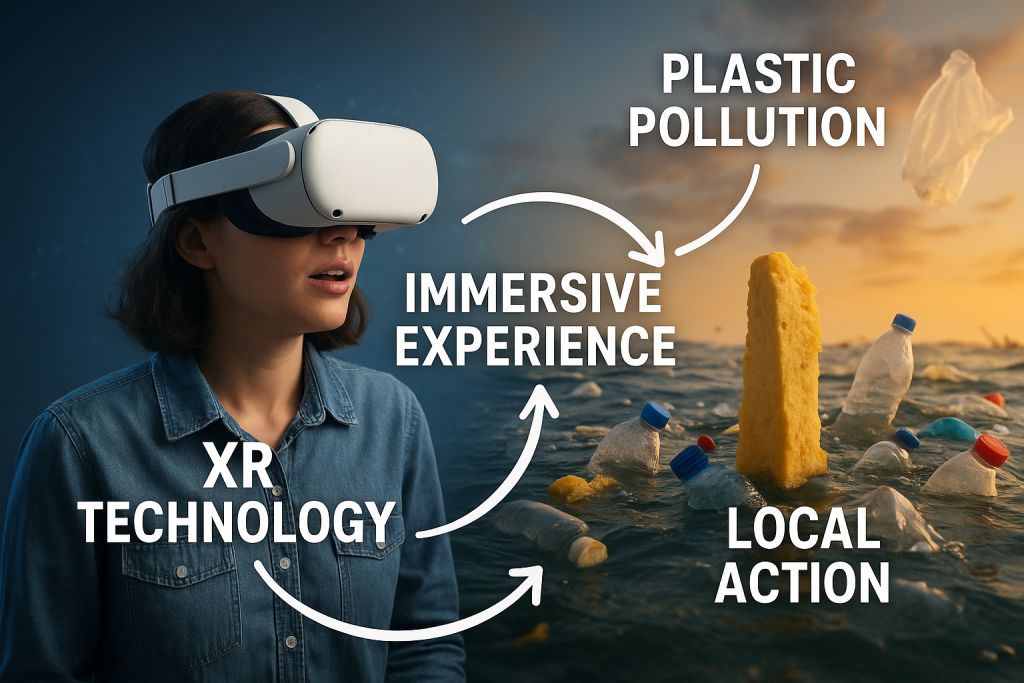
As we grapple with the 2026 plastic pollution surge, it's clear that immersive technologies like XR aren't escapist fantasies—they're bridges to better realities. By visualizing the chaos in our oceans and connecting with others virtually, we gain the empathy and tools to act where it counts: in our own backyards. This isn't about overwhelming tech; it's about making complex problems feel approachable and solvable. So, why not dive in? Try one of the suggested XR experiences today, share your thoughts in the comments below, or pass this post along to spark a conversation. Together, we can shift from passive concern to proactive change—let's make those virtual waves real.
- 2026's plastic crisis underscores everyday environmental pressures, but XR offers empathetic tools for change.
- Immersive simulations build understanding of manufacturing's global ripple effects.
- Low-barrier actions link virtual exploration to community involvement.
- XR fosters collaboration, turning distant issues into actionable local solutions.
- Harnessing elemental insights through tech empowers personal contributions.
Generated by AI. Reviewed by Human.