
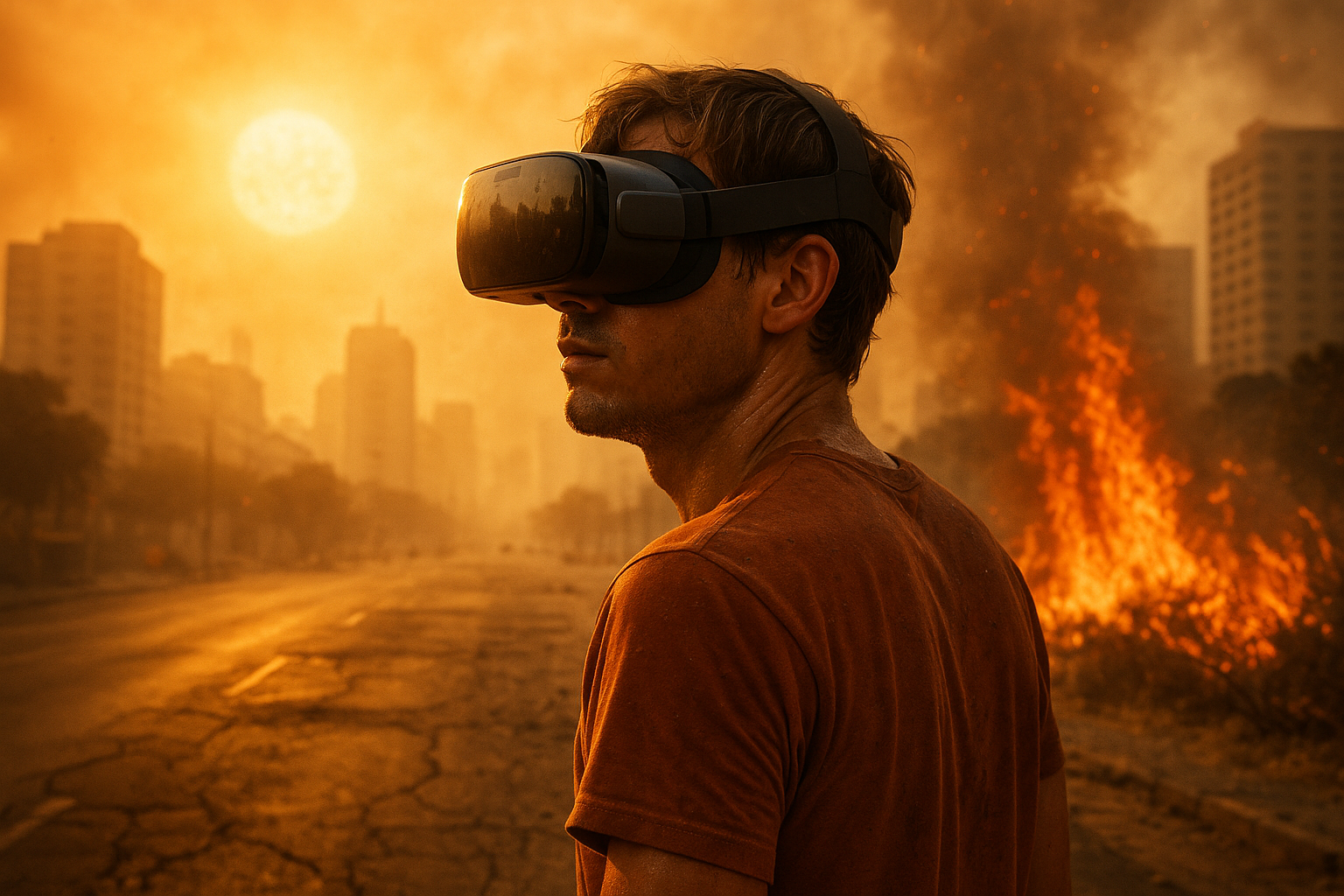
How XR Could Turn the Tide on 2024's Record Heat
Imagine stepping into a world where scorching heatwaves aren't just headlines but visceral experiences that hit you like a blast from a furnace—welcome to the reality of 2024, officially on track to be the hottest year on record, according to NOAA reports. With global temperatures shattering records and extreme weather events multiplying, from devastating wildfires to relentless droughts, this milestone underscores the urgent need for innovative ways to grasp and combat climate change. But what if extended reality (XR) technologies could transport us into simulated futures, making abstract data feel painfully real? In this post, we'll explore how this non-XR environmental crisis naturally intersects with XR's immersive potential, offering actionable pathways for education, policy, and personal action that could spark real-world change.
The Scorching Reality of 2024
2024 hasn't just been hot—it's rewritten the books on global warming, with average temperatures eclipsing previous highs by noticeable margins. NOAA data shows a spike in heat-related disasters, impacting millions and straining economies worldwide.
Think of cities like Phoenix enduring weeks of triple-digit temperatures, or European rivers drying up, forcing energy crises. These aren't isolated incidents; they're symptoms of a planet pushed to its limits.
What makes this year stand out? A potent mix of El Niño effects and human-induced emissions, amplifying weather extremes that demand immediate attention.
XR: A Portal to Climate Futures
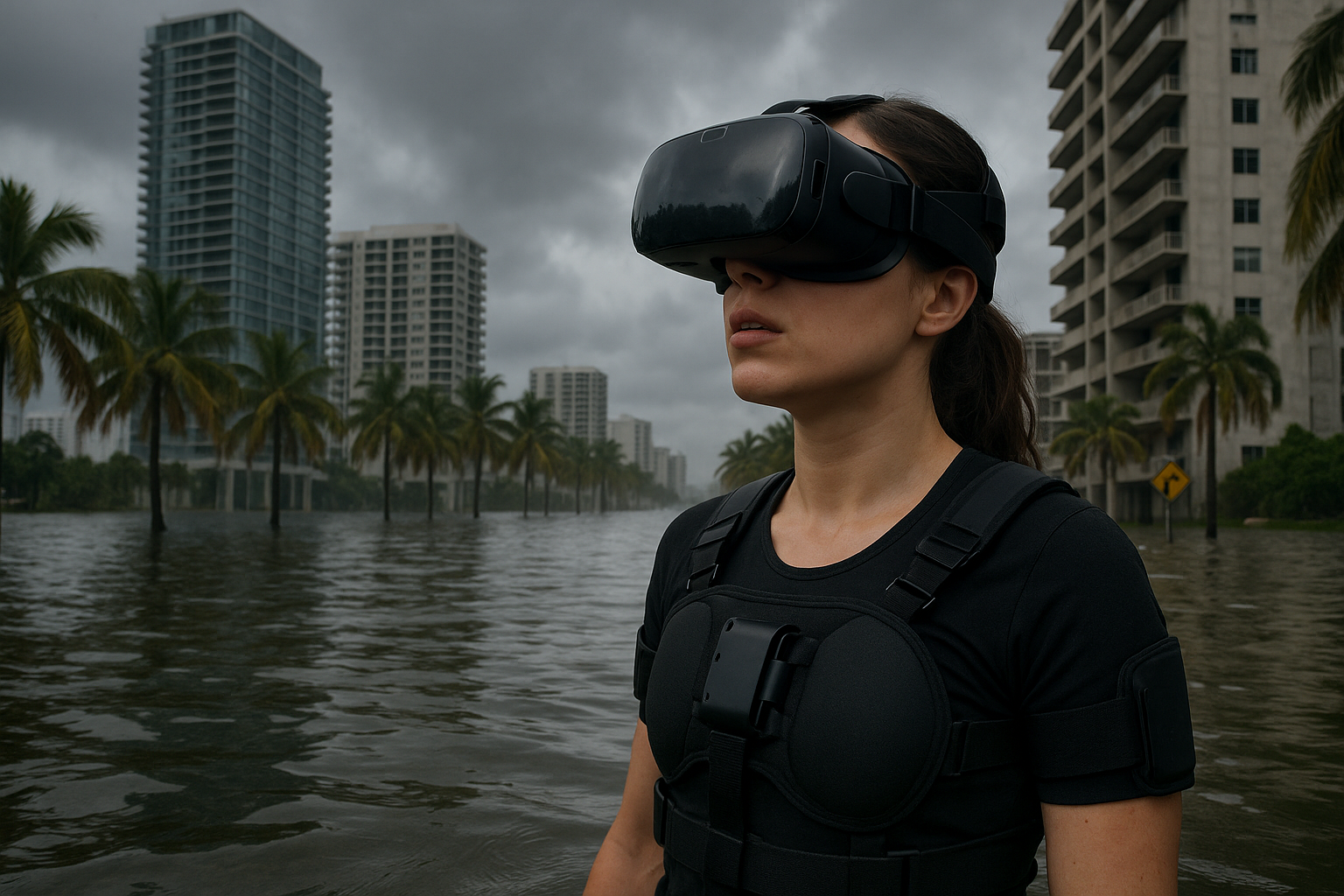
Extended reality isn't about escaping reality—it's about diving deeper into it, blending virtual and augmented elements to create experiences that stick. Picture donning a headset to walk through a flooded Miami street in 2050, feeling the urgency without the actual risk.
This tech draws from gaming roots, where immersive worlds build empathy, much like how flight simulators train pilots for real crises. In climate contexts, XR could simulate deforestation's ripple effects, turning data points into emotional narratives.
Peripheral innovations, like haptic feedback suits that mimic rising heat, add layers of realism, making abstract concepts tangible and memorable.
Actionable Pathways for XR Integration
Education and Public Awareness
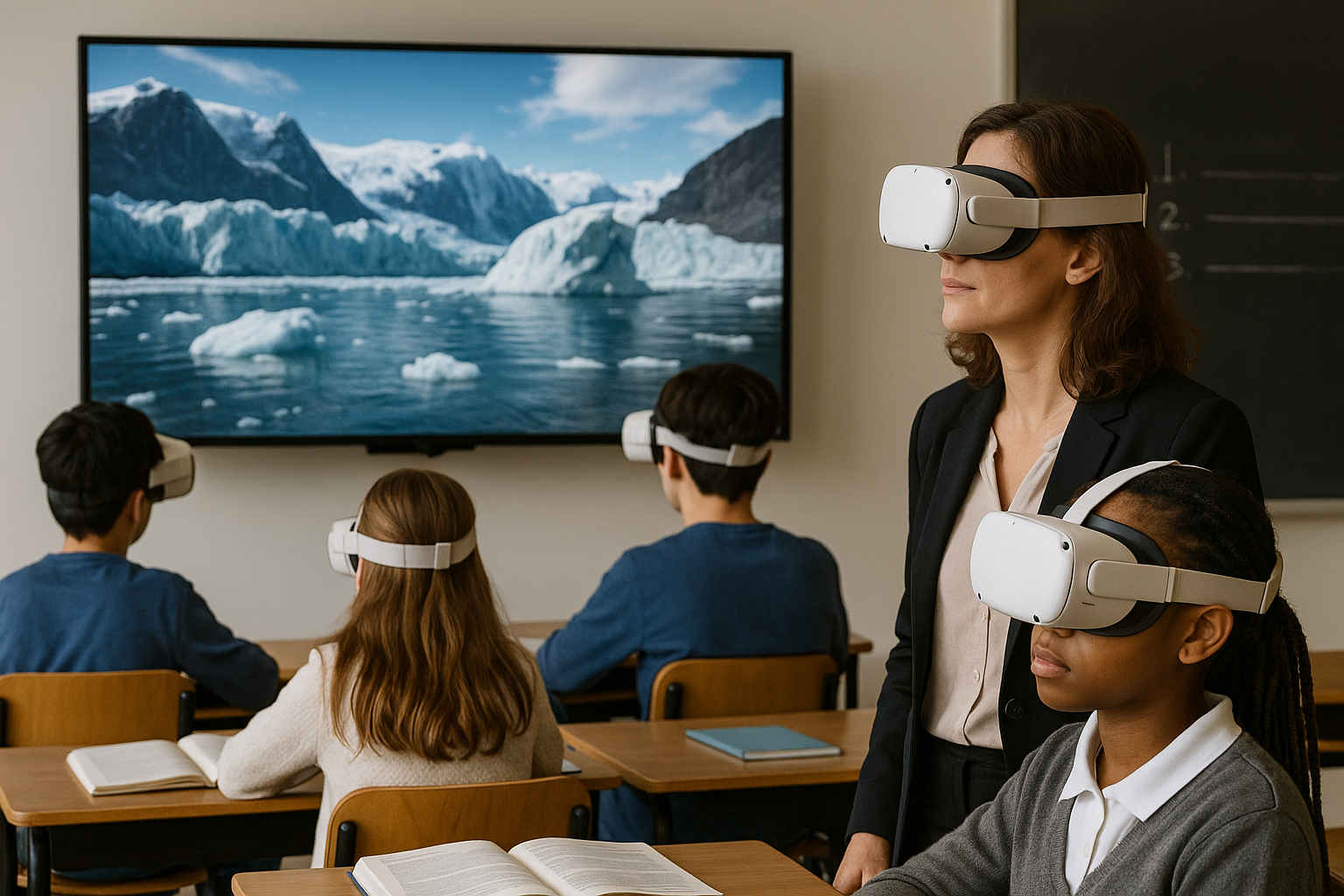
Schools could use XR apps to let students "visit" melting glaciers, fostering a generation of informed activists. It's like turning textbooks into time machines.
- Develop user-friendly XR modules based on real climate models from sources like IPCC reports.
- Partner with tech firms to distribute affordable headsets to underserved communities.
- Measure impact through pre- and post-experience surveys on environmental attitudes.
Policy and Corporate Training
Imagine policymakers experiencing simulated crop failures—could that accelerate green legislation? Companies might train employees on sustainable practices via XR scenarios, bridging theory and action.
Challenges and Opportunities Ahead
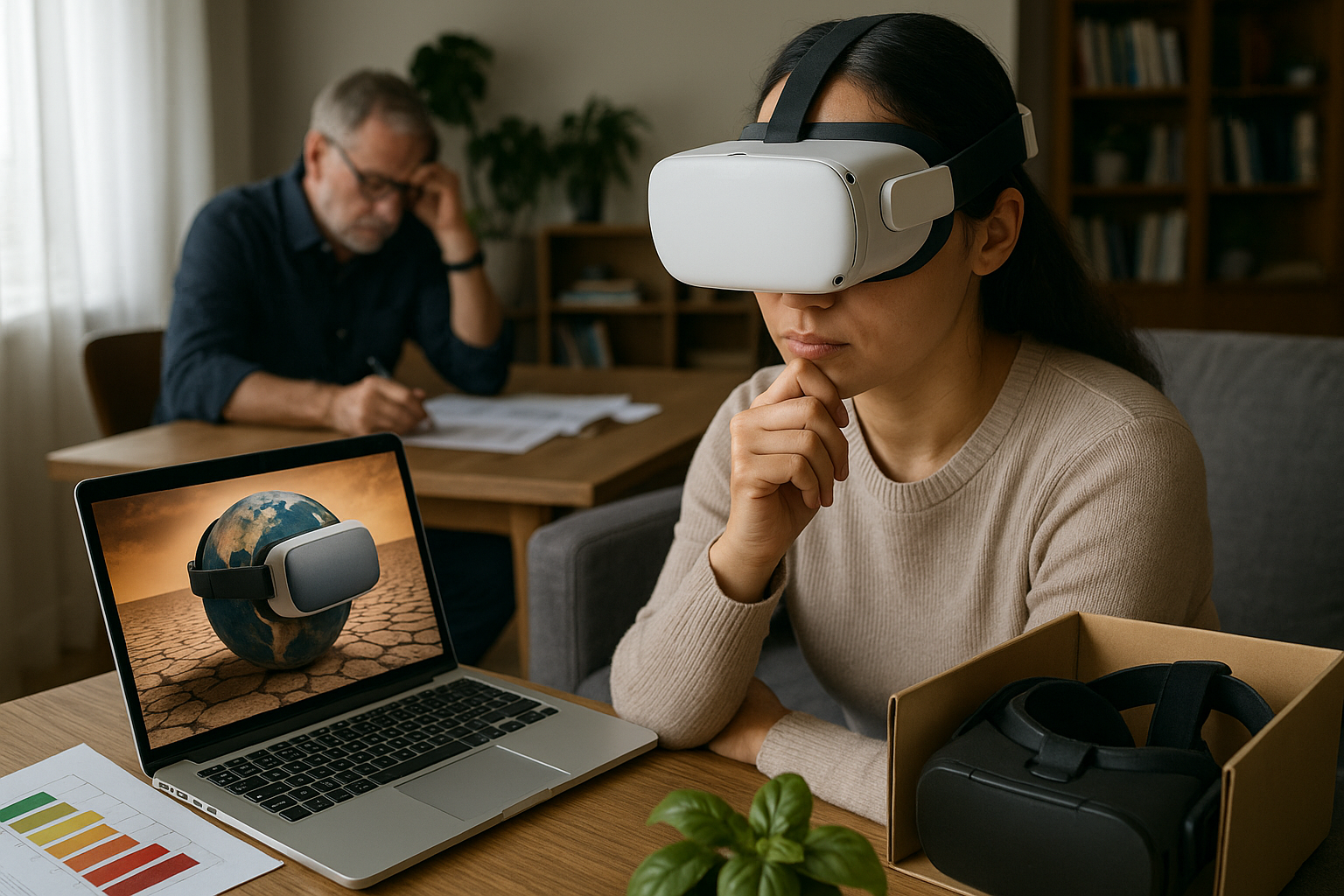
Accessibility remains a hurdle; not everyone has XR gear, risking a digital divide in climate education. Yet, as costs drop—much like smartphones did—wider adoption seems inevitable.
Ethical questions arise: How do we ensure simulations don't desensitize users? Balancing accuracy with engagement is key, drawing from media studies on virtual empathy.
Looking forward, collaborations between environmental scientists and XR developers could yield breakthroughs, turning today's heat crisis into tomorrow's solved puzzle.
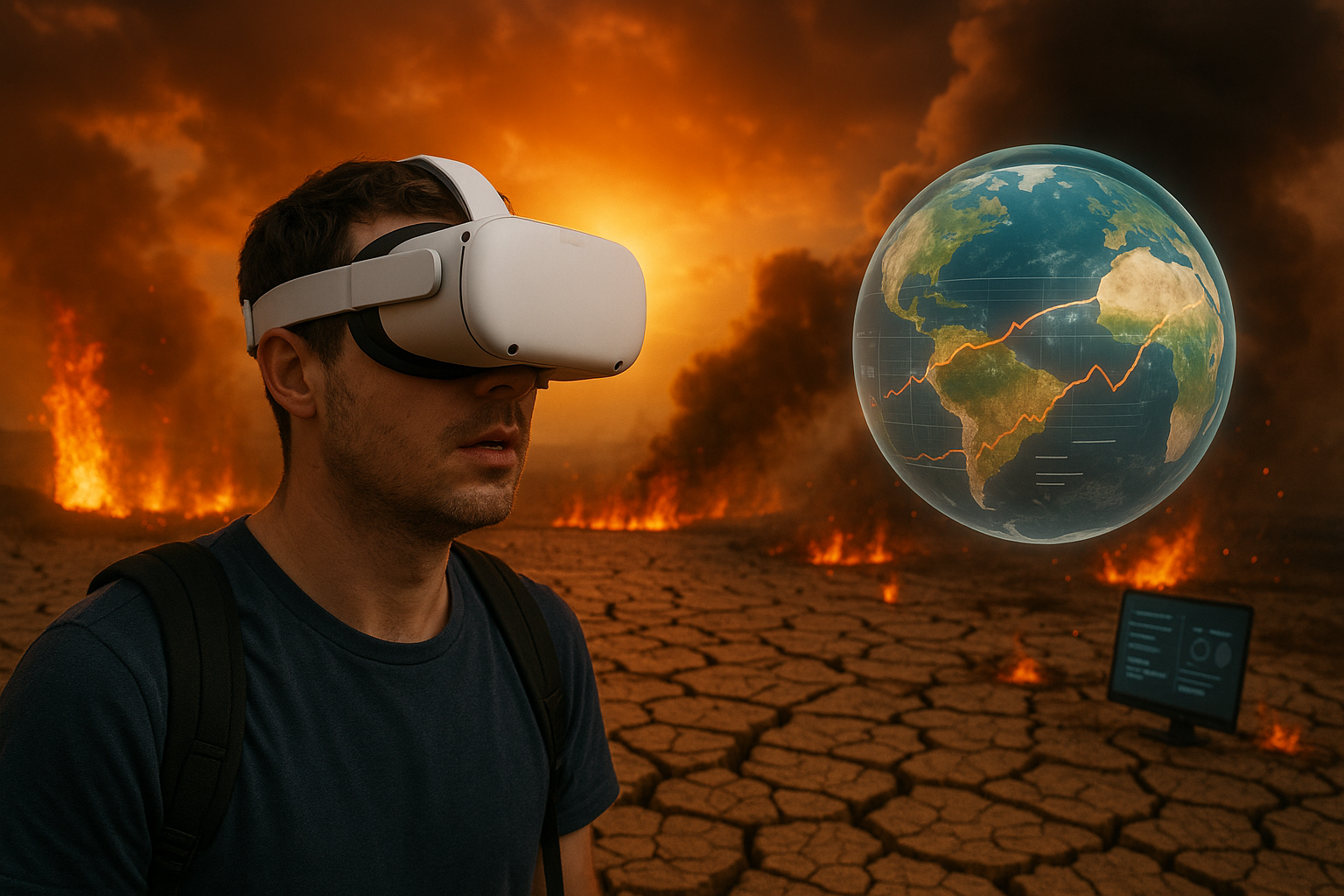
- 2024's record heat highlights the need for innovative climate communication tools.
- XR offers immersive simulations that make environmental data emotionally resonant.
- Actionable steps include educational apps and policy training programs.
- Overcoming accessibility barriers could democratize XR's climate impact.
- Ethical design ensures simulations drive positive change without unintended effects.
As we've seen, the blistering temperatures of 2024 aren't just a wake-up call—they're an invitation to leverage XR for deeper understanding and proactive solutions. By connecting real-world climate data with virtual immersions, we can inspire collective action that might just cool things down. What if your next virtual adventure changed how you view the planet? Share your thoughts in the comments below, or pass this along to spark a conversation with friends.
Generated by AI. Reviewed by Human.