September Jobs Boom: XR's Role in Future Work
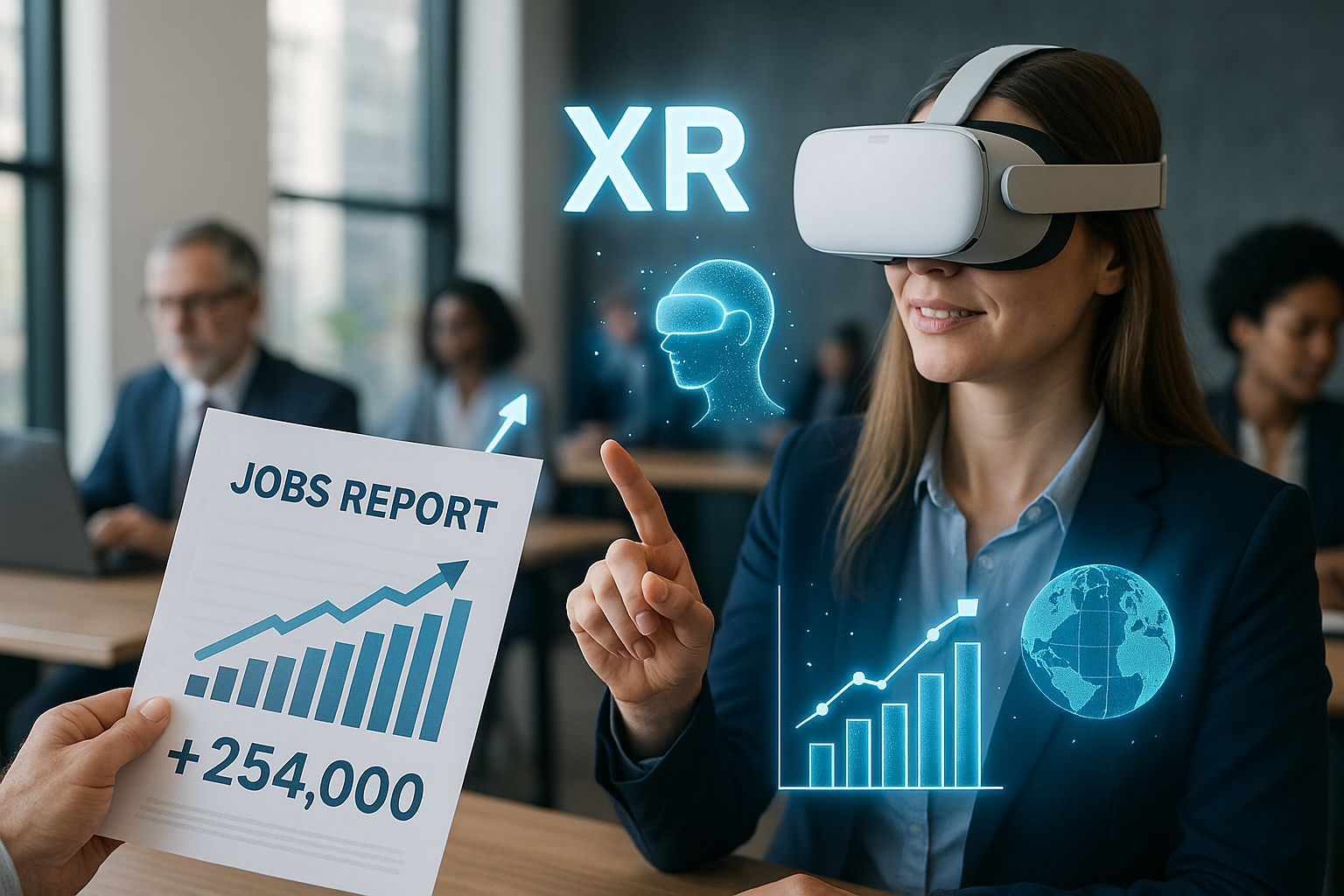
Ever wondered if a robust jobs report could signal a seismic shift in how we work? Last month's U.S. employment surge, adding a whopping 254,000 jobs and dropping unemployment to 4.1%, has economists buzzing about economic resilience amid inflation woes. But here's where it gets intriguing: what if this labor market strength isn't just about numbers, but a gateway to reimagining work through extended reality (XR) technologies? Imagine virtual training hubs that upskill workers overnight or immersive remote collaborations that bridge global talent gaps. In this post, we'll unpack this economic jolt, draw parallels to XR innovations, and explore actionable ways these worlds collide—sparking ideas that could redefine productivity and opportunity for everyone from gig workers to corporate execs.
The Jobs Report Breakdown
The 2024 September figures from the Bureau of Labor Statistics paint a picture of unexpected vigor in the U.S. economy. Nonfarm payrolls jumped by 254,000, far exceeding forecasts, with gains in sectors like healthcare, hospitality, and construction. This resilience comes despite lingering inflation and interest rate hikes, suggesting a labor market that's adapting rather than buckling.
What does this mean for everyday folks? It signals stability, but also highlights skill gaps in emerging fields. For instance, tech-driven roles are booming, yet many workers lack the training to pivot.
XR's Economic Parallels
Extended reality isn't just for gamers—it's a toolkit for economic transformation. Think of XR as a bridge between physical labor shortages and virtual solutions, much like how ride-sharing apps disrupted transportation during economic slumps.
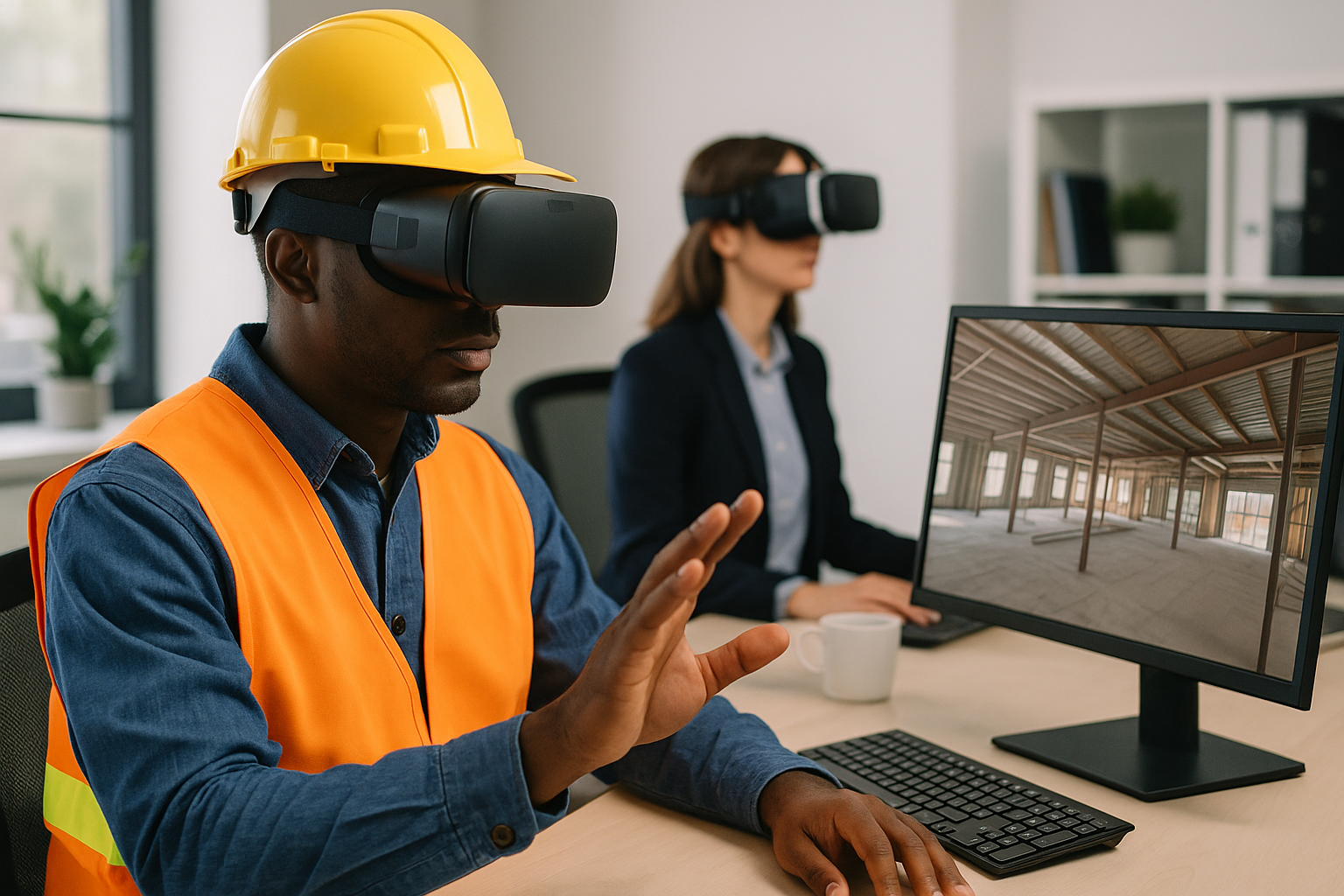
In a jobs boom, XR can amplify growth by enabling remote simulations. For example, construction workers could train in virtual environments, reducing on-site risks and costs, directly tying into the report's construction sector gains.
Real-World XR Examples
- Companies like Walmart use VR for employee training, cutting learning curves by 75% according to PwC studies.
- XR platforms facilitate global collaboration, echoing how the jobs surge reflects a connected economy.
Actionable XR Pathways for Workforce Growth
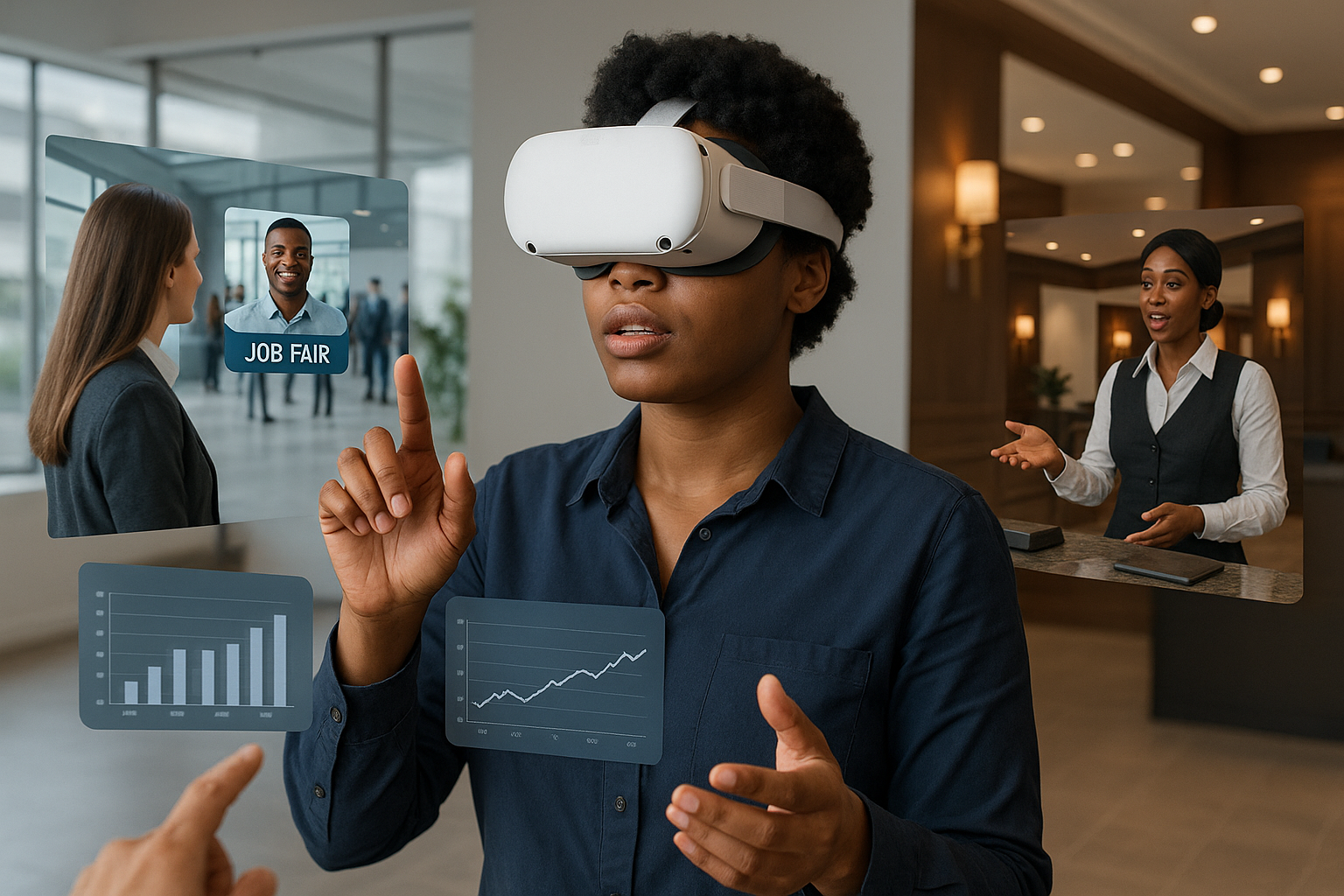
Ready to connect the dots? Start by integrating XR into hiring processes—virtual job fairs could match the 254,000 new roles with talent worldwide, bypassing geographical barriers.
Next, consider upskilling: XR simulations offer hands-on experience without real-world resources. Imagine a hospitality worker practicing customer service in a bustling virtual hotel, boosting efficiency amid sector expansions.
- Assess current workforce needs based on economic data.
- Implement XR tools for targeted training programs.
- Measure impacts through productivity metrics.
Potential Challenges and Opportunities
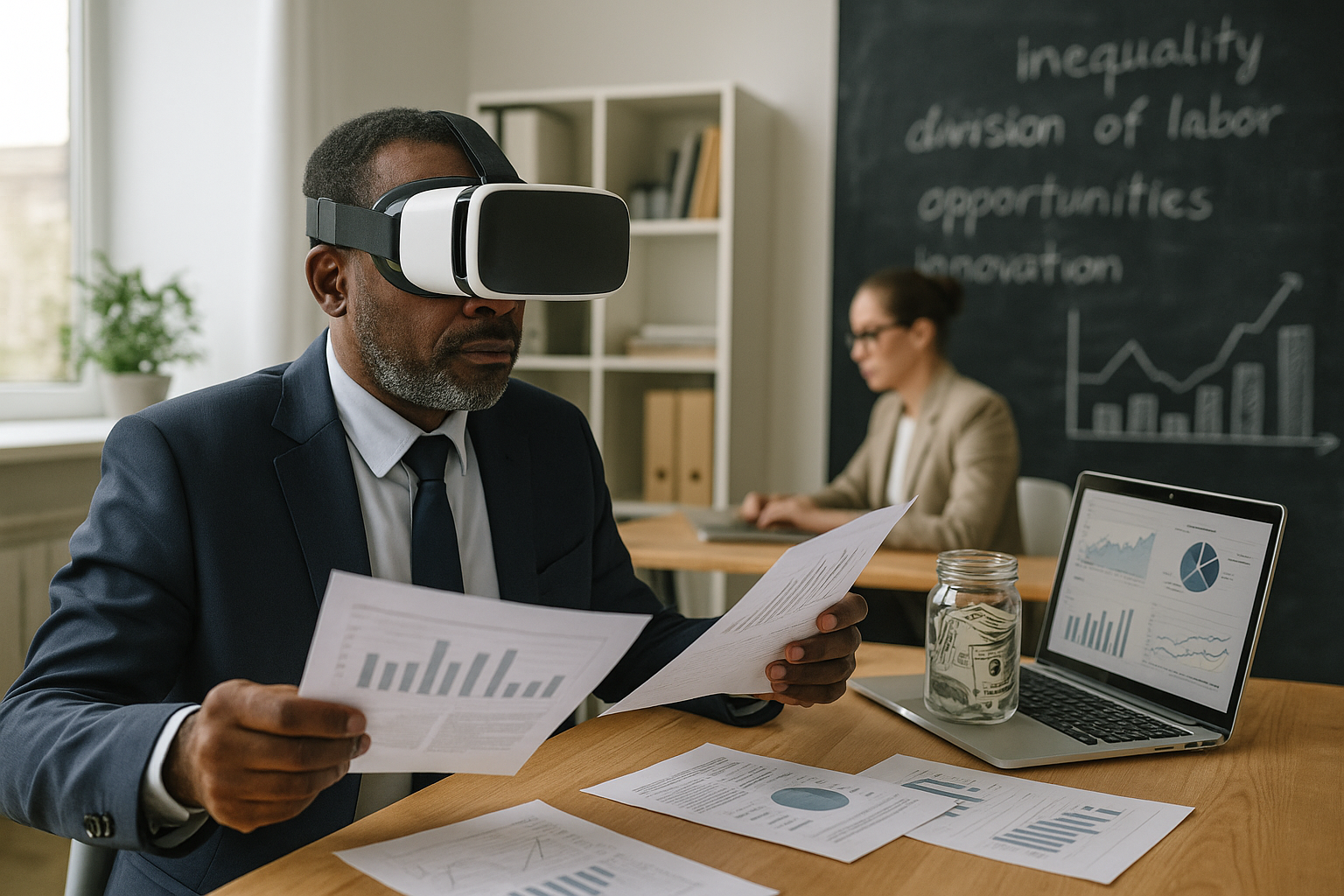
Of course, not all is seamless—XR adoption faces hurdles like high initial costs and digital divides, which could exacerbate inequalities in a thriving job market.
Yet, opportunities abound: What if XR created virtual economies that generate new jobs, like designing digital workspaces? This could turn economic reports from mere stats into blueprints for innovation.
By addressing these, we might see XR not as a luxury, but a necessity for sustained growth.
- September's jobs surge highlights economic strength, ripe for XR enhancements in training and collaboration.
- XR bridges skill gaps, offering virtual solutions to real-world labor demands.
- Actionable steps include XR-integrated hiring and upskilling for measurable productivity boosts.
- Challenges like costs exist, but opportunities for new virtual economies could redefine work.
- Overall, linking XR to economic trends sparks innovative pathways for future resilience.
So, there you have it—the September jobs boom isn't just good news; it's a clarion call for weaving XR into our economic fabric. By drawing these connections, we see how virtual realms can supercharge real-world growth, making work more accessible, efficient, and exciting. Whether you're a policymaker pondering labor strategies or a tech enthusiast eyeing the next big thing, this intersection invites us to rethink possibilities. What's your take—could XR be the key to unlocking even more jobs? Drop a comment below, share this post with your network, or subscribe for more insights on tech's societal ripples. Let's keep the conversation going!
Generated By AI. Reviewed By Human.