AI Nobels Ignite XR's Next Frontier
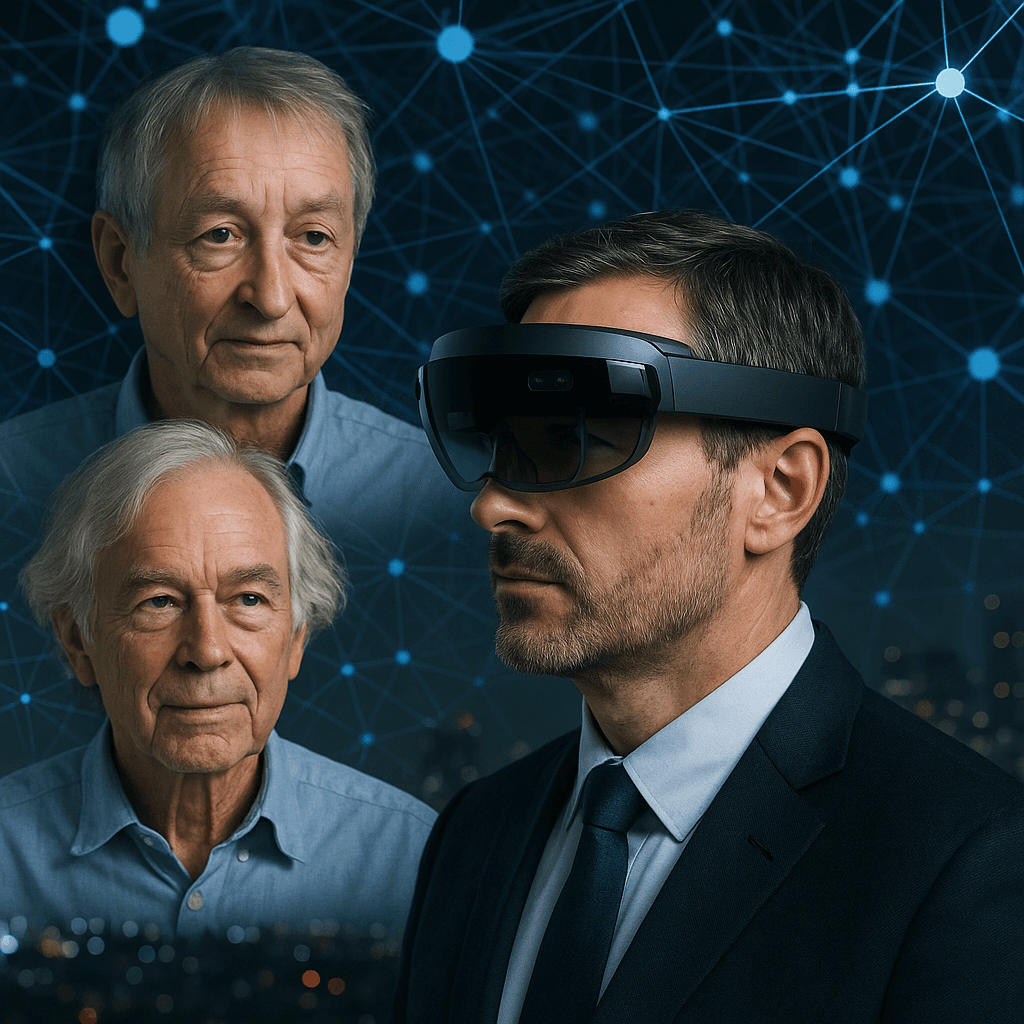
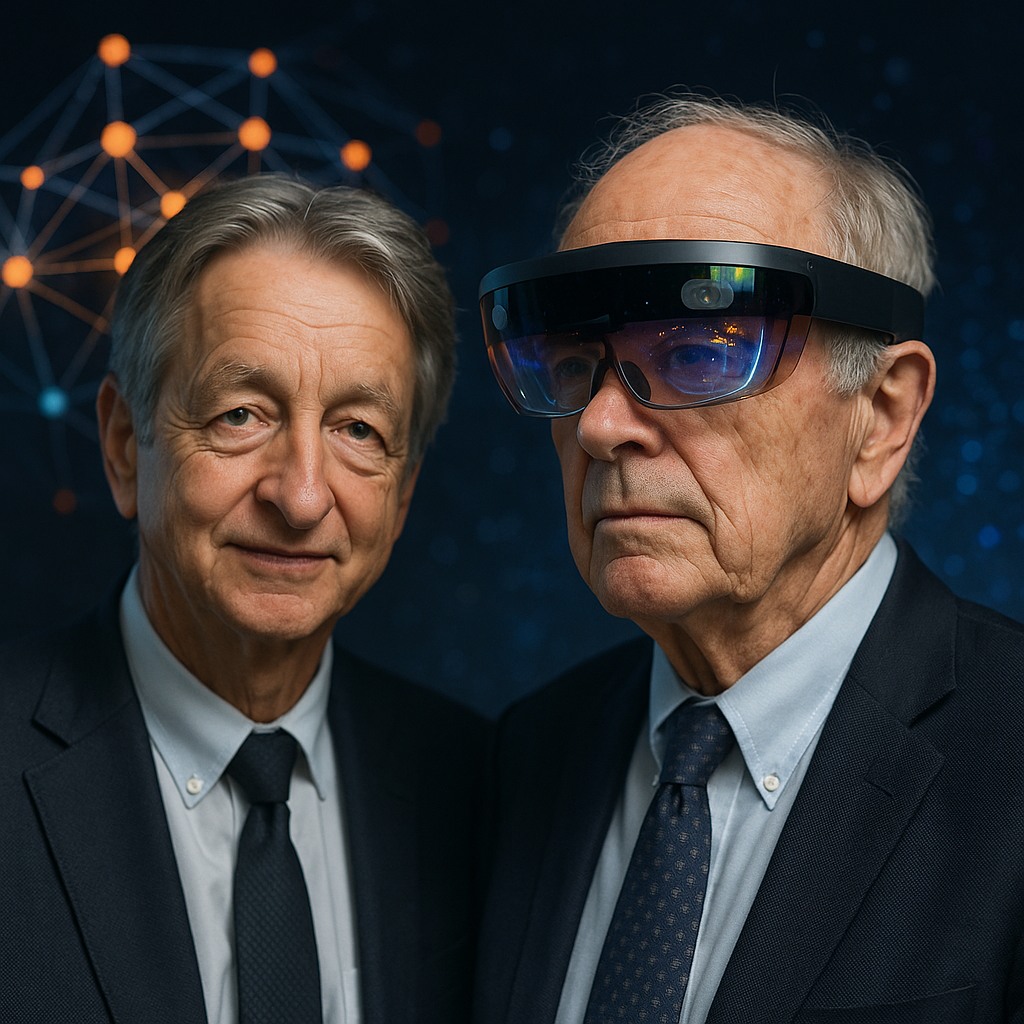
Imagine a world where the foundational brains behind today's AI just snagged the ultimate scientific accolade—could this turbocharge the way we blend digital and physical realities? That's exactly the buzz surrounding the 2024 Nobel Prize in Physics, awarded to Geoffrey Hinton and John Hopfield for their pioneering work on artificial neural networks. This isn't just a pat on the back for old-school tech; it's a seismic nod to the tech that's powering everything from chatbots to self-driving cars. But here's the twist: what if these neural breakthroughs could revolutionize extended reality (XR), turning virtual worlds into hyper-real training grounds or eco-simulations that solve real-world crises? In this post, we'll unpack the event, forge unexpected links to XR, and explore actionable paths that could reshape industries—leaving you pondering how close we are to living in augmented futures.
The Nobel Nod to Neural Networks
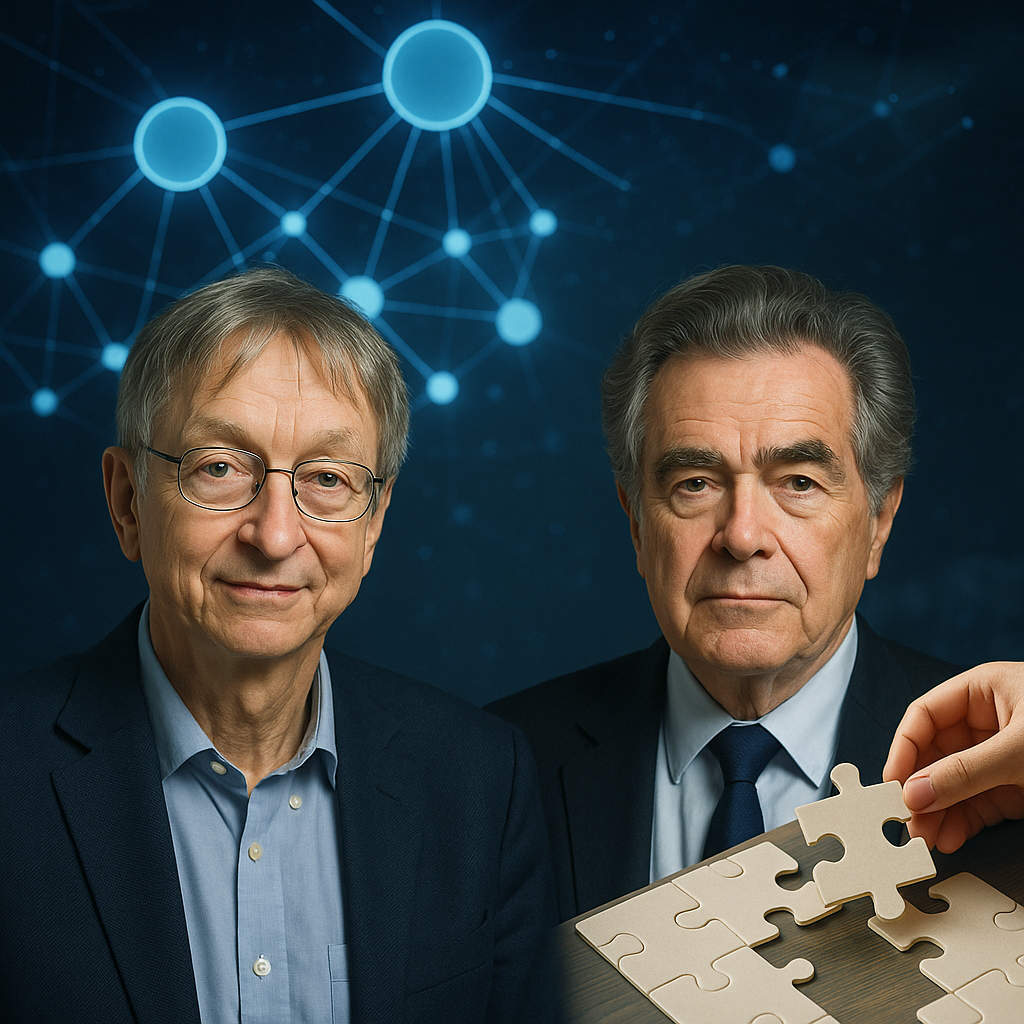
The 2024 Nobel Prize in Physics spotlighted the architects of artificial neural networks, recognizing how these systems mimic the human brain to process vast data troves. Hinton and Hopfield's contributions laid the groundwork for machine learning models that learn from patterns, much like a child piecing together a puzzle without instructions.
This award underscores AI's leap from theory to ubiquity, influencing sectors far beyond silicon chips. Yet, in a twist of irony, it's the unsung synergy with emerging tech like XR that might steal the show.
Bridging AI Brains to XR Worlds
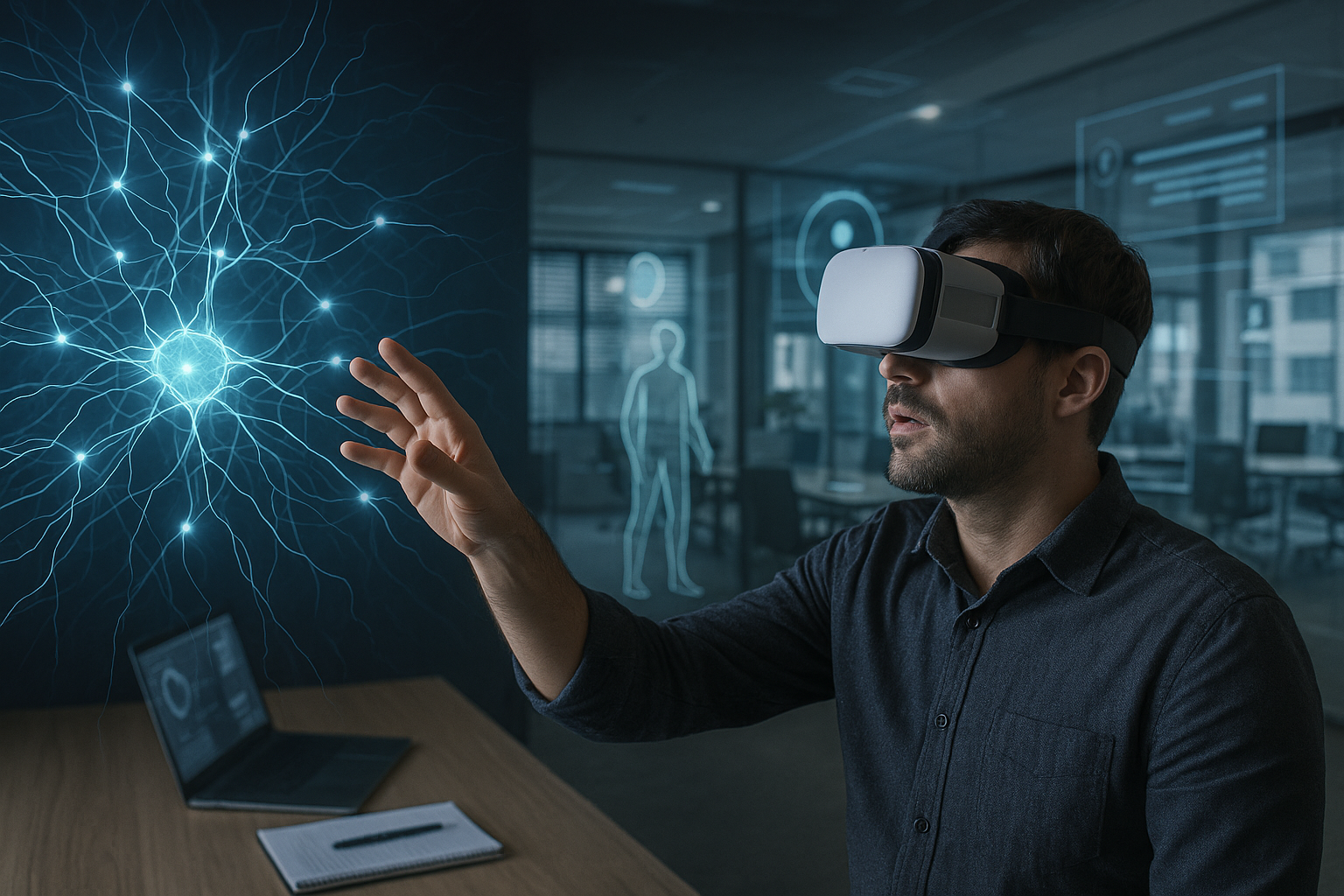
Picture neural networks as the invisible puppeteers in XR environments, pulling strings to create seamless, responsive virtual realms. These AI foundations enable real-time adaptations in augmented reality, where digital overlays react intelligently to user movements—think Pokémon GO on steroids, but for professional training.
Without this neural backbone, XR would be clunky and static; with it, experiences become intuitive, learning from user interactions to evolve on the fly. How might this fusion redefine everyday tasks, like remote collaboration in a post-pandemic world?
Real-World XR Applications Powered by AI
Environmental Simulations
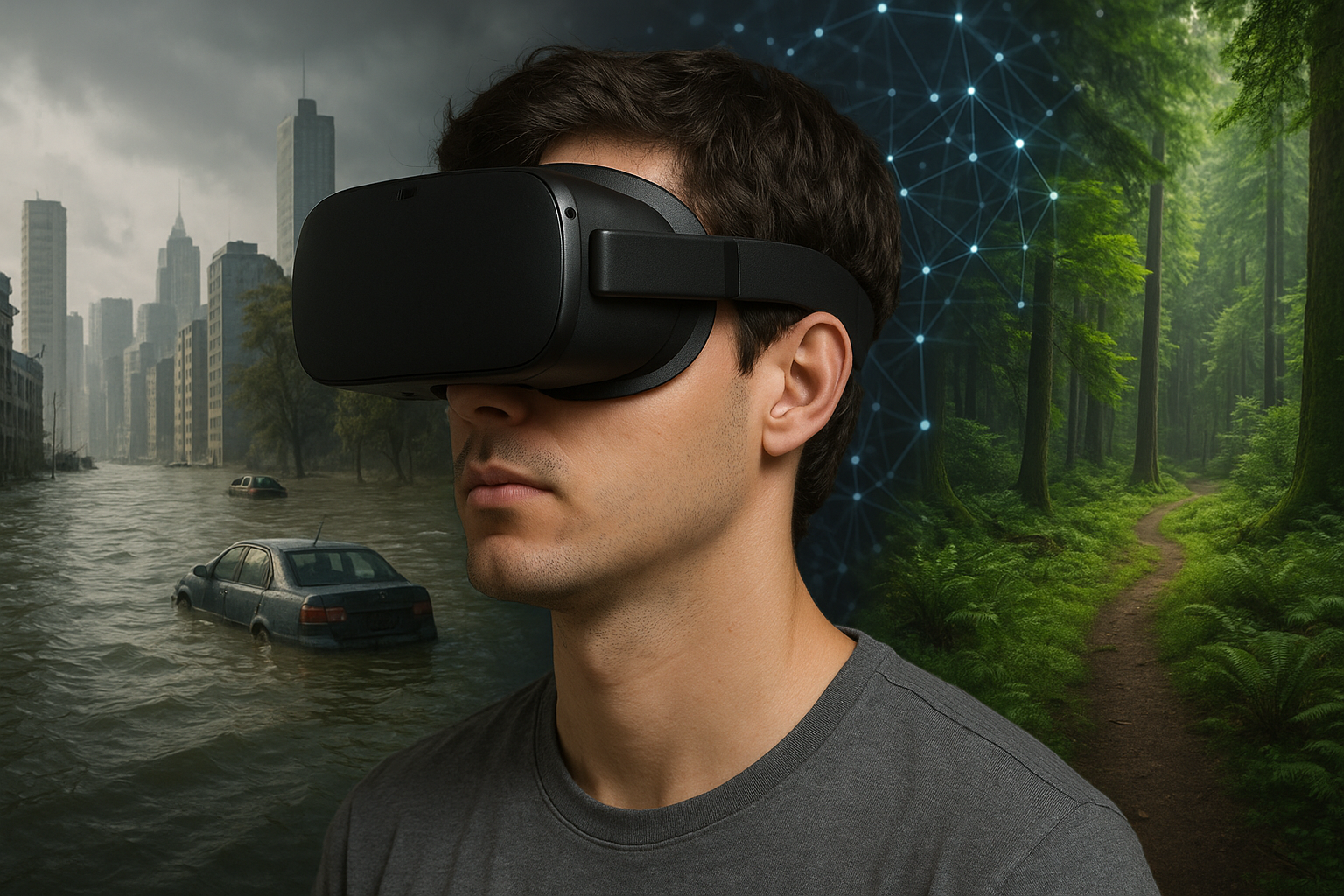
Envision XR headsets simulating climate change impacts, driven by neural networks that predict ecosystem shifts with eerie accuracy. Users could "walk" through flooded cities or restored forests, fostering empathy and spurring action—drawing from reports like the IPCC's latest assessments.
Gaming and Media Evolution
In gaming, AI-enhanced XR could generate infinite worlds that adapt to player emotions, detected via biometric feedback. This isn't sci-fi; prototypes from labs like MIT show how neural tech crafts narratives that feel personally tailored, blurring lines between creator and consumer.
Challenges on the Horizon
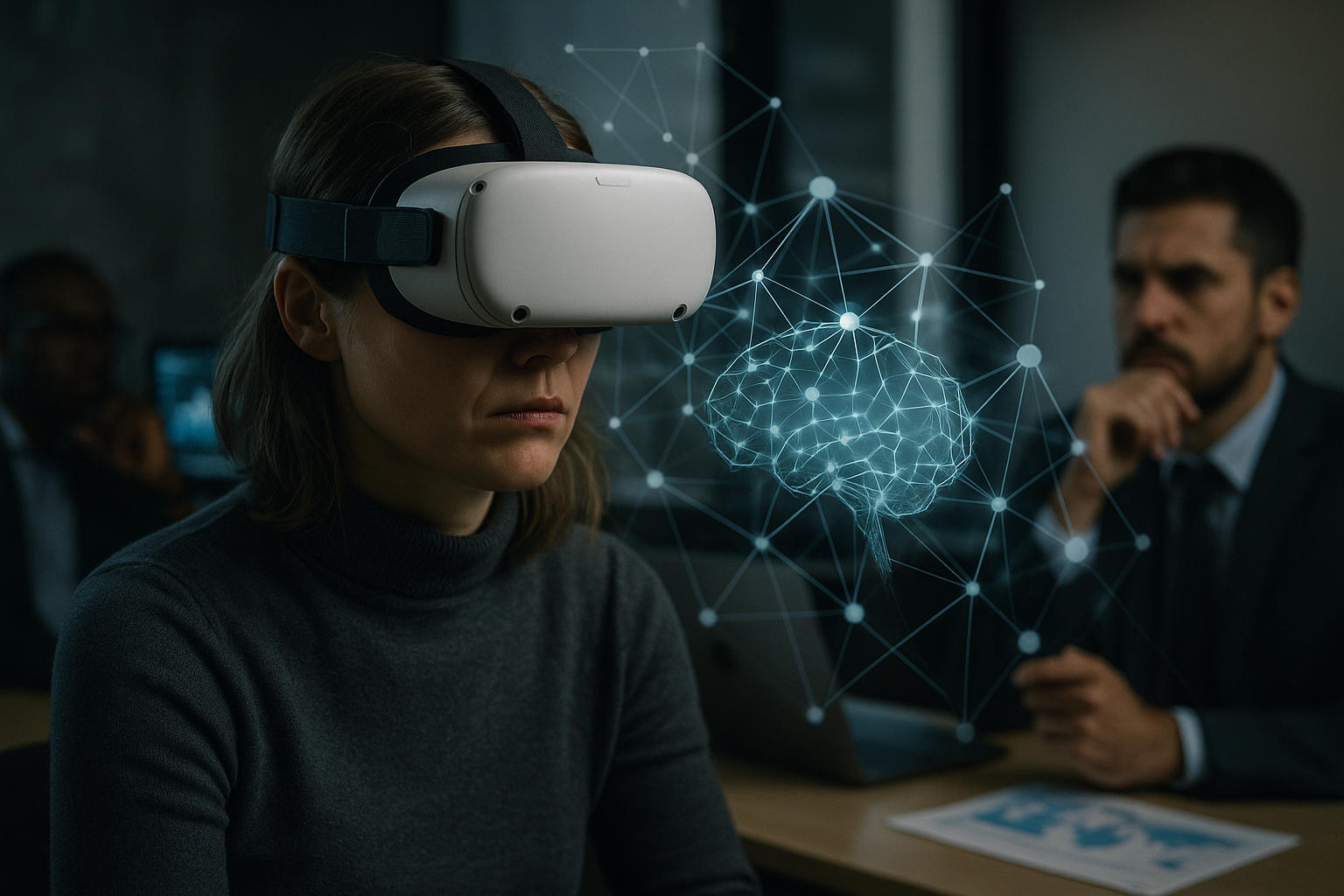
Yet, this AI-XR marriage isn't without hurdles—ethical dilemmas loom, like data privacy in immersive spaces where neural nets track every gaze. What happens when virtual experiences influence real behaviors in unpredictable ways?
Technical barriers, such as computational demands, could widen access gaps, leaving some demographics in the digital dust. Addressing these requires interdisciplinary innovation, perhaps inspired by ongoing debates in forums like the World Economic Forum.
An Actionable Pathway Forward
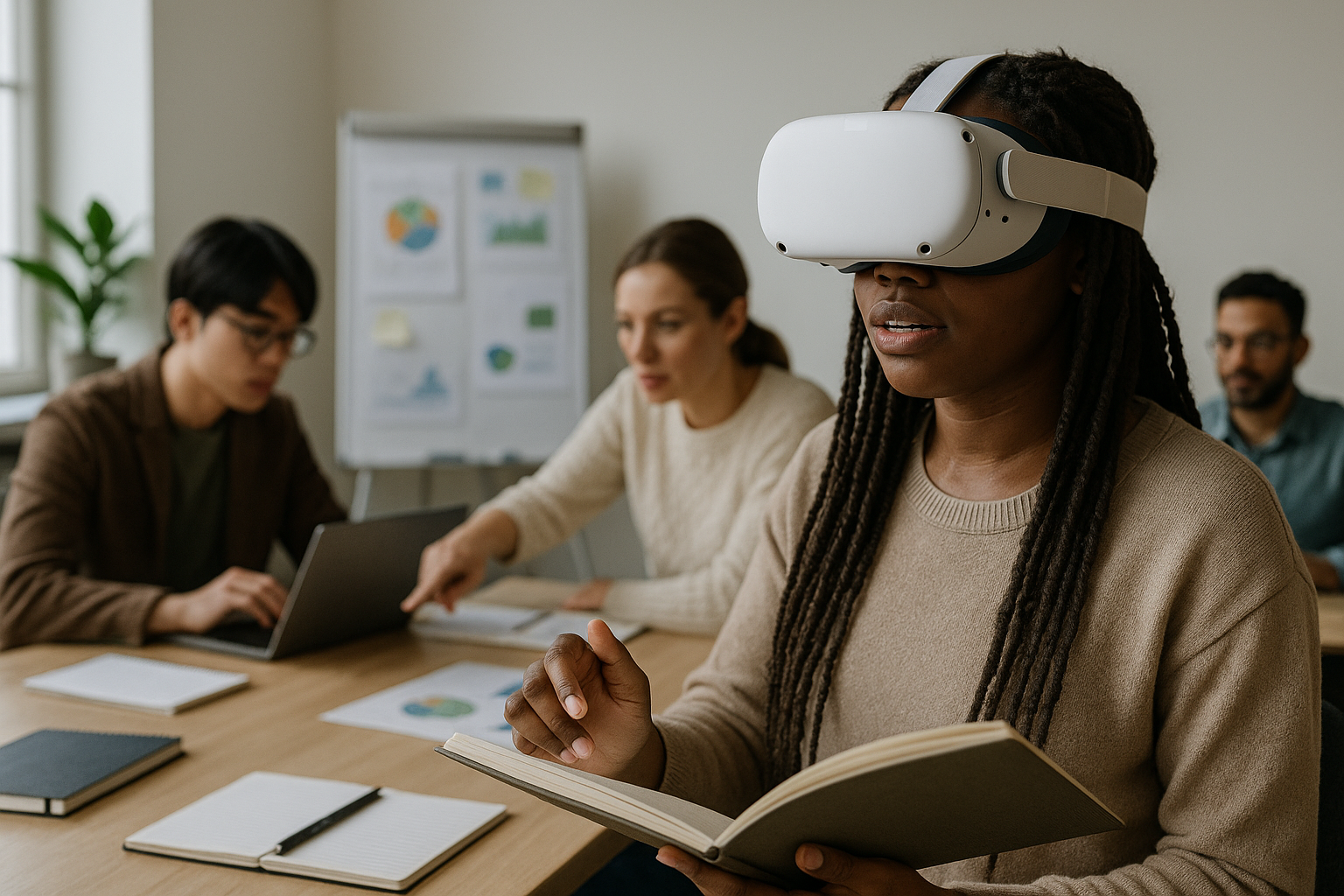
- Start with education: Integrate neural network basics into XR development curricula to build hybrid expertise.
- Prototype integrations: Experiment with open-source AI tools in XR apps, testing for real-time enhancements.
- Collaborate across fields: Partner with environmentalists or gamers to co-create solutions that leverage this Nobel-inspired tech.
- Monitor ethics: Establish guidelines early, ensuring AI-driven XR promotes inclusivity rather than division.
This step-by-step approach turns abstract connections into tangible progress, inviting innovators to experiment boldly.
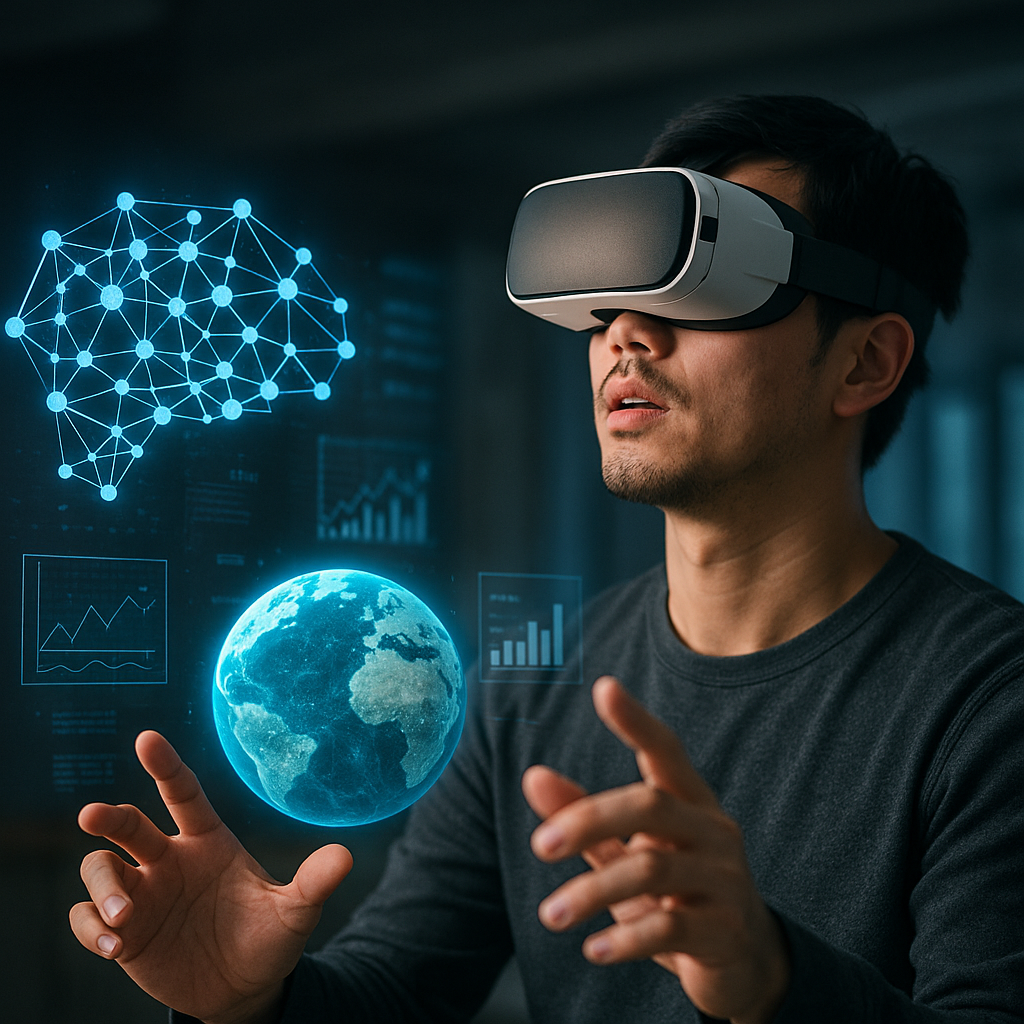
- Neural networks, honored by the 2024 Nobel, form the core of adaptive XR experiences.
- AI-XR synergies could transform education, gaming, and environmental advocacy.
- Actionable steps include prototyping and ethical frameworks to harness this potential.
- Challenges like privacy demand proactive solutions for equitable tech adoption.
- The fusion sparks innovation, bridging digital immersion with real-world impact.
As the dust settles on this Nobel milestone, it's clear that AI's neural foundations aren't just historical footnotes—they're launchpads for XR revolutions that could redefine how we interact with the world. By weaving these technologies together, we unlock pathways to smarter living solutions, from virtual disaster preparedness to immersive social connections. So, what's your take? Dive into the comments below with your thoughts on AI's role in XR. Let's keep the conversation alive and push these ideas from concept to reality.
Generated by AI. Reviewed by Human.