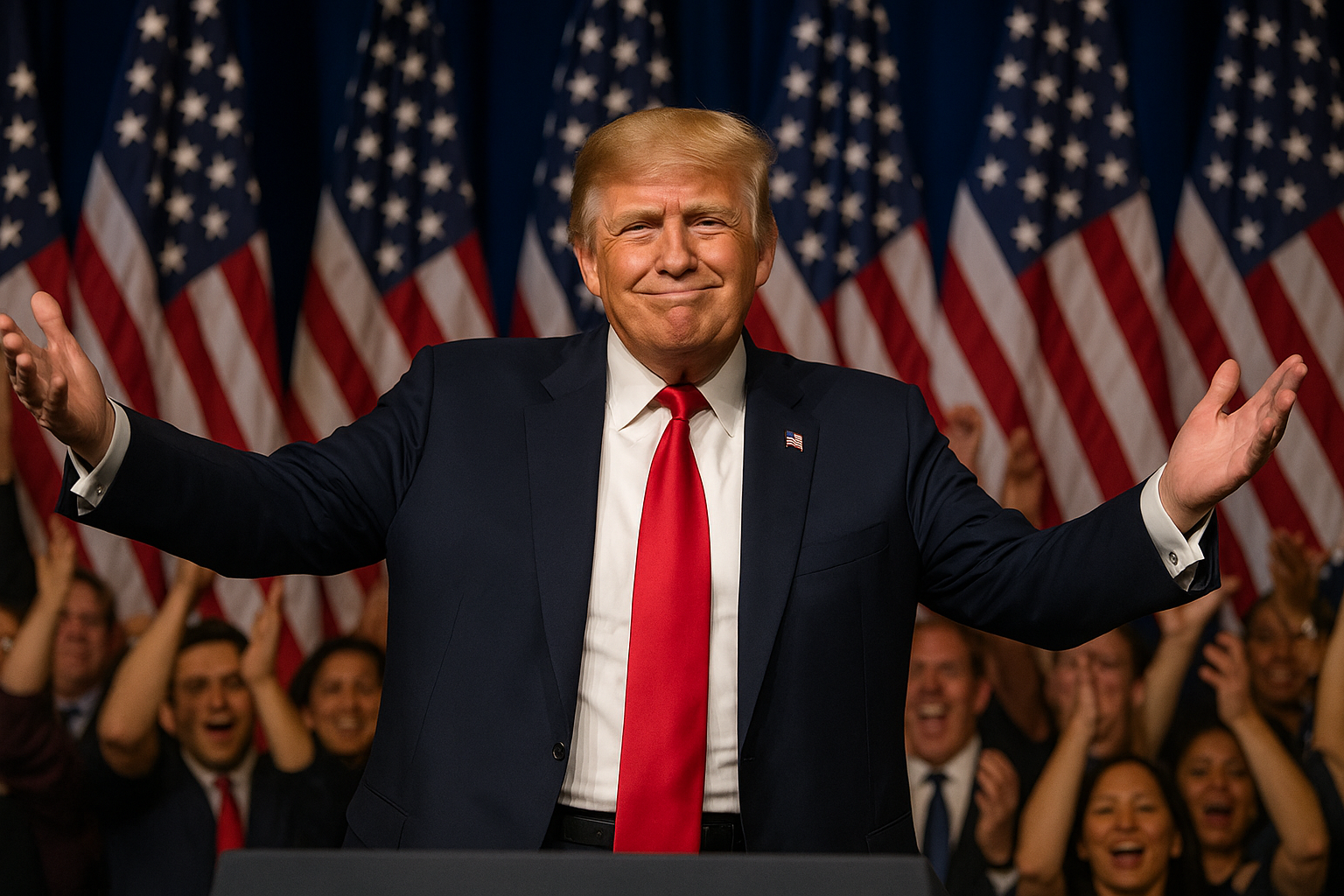
In a stunning turn of events that has sent shockwaves through global markets and political landscapes alike, Donald Trump's victory in the 2024 US presidential election marks a pivotal shift in American leadership, with promises of sweeping economic reforms, deregulation, and a renewed focus on domestic manufacturing. As reported by The New York Times on November 6, 2024, Trump's win over Kamala Harris came amid high voter turnout and intense polarization, fueled by issues like inflation, immigration, and international trade tensions. This non-XR event, rooted in real-world geopolitics and economic policy, naturally lends itself to intriguing parallels with extended reality technologies—imagine if voters could step into virtual simulations to experience policy impacts firsthand, or how XR could transform campaign strategies into immersive, interactive experiences. By drawing scientific connections between this electoral upheaval and XR's potential for economic modeling, virtual collaboration, and societal simulation, we can explore how such technologies might mitigate or amplify the uncertainties of political change, sparking curiosity about a future where reality and digital realms blur to inform better decision-making.
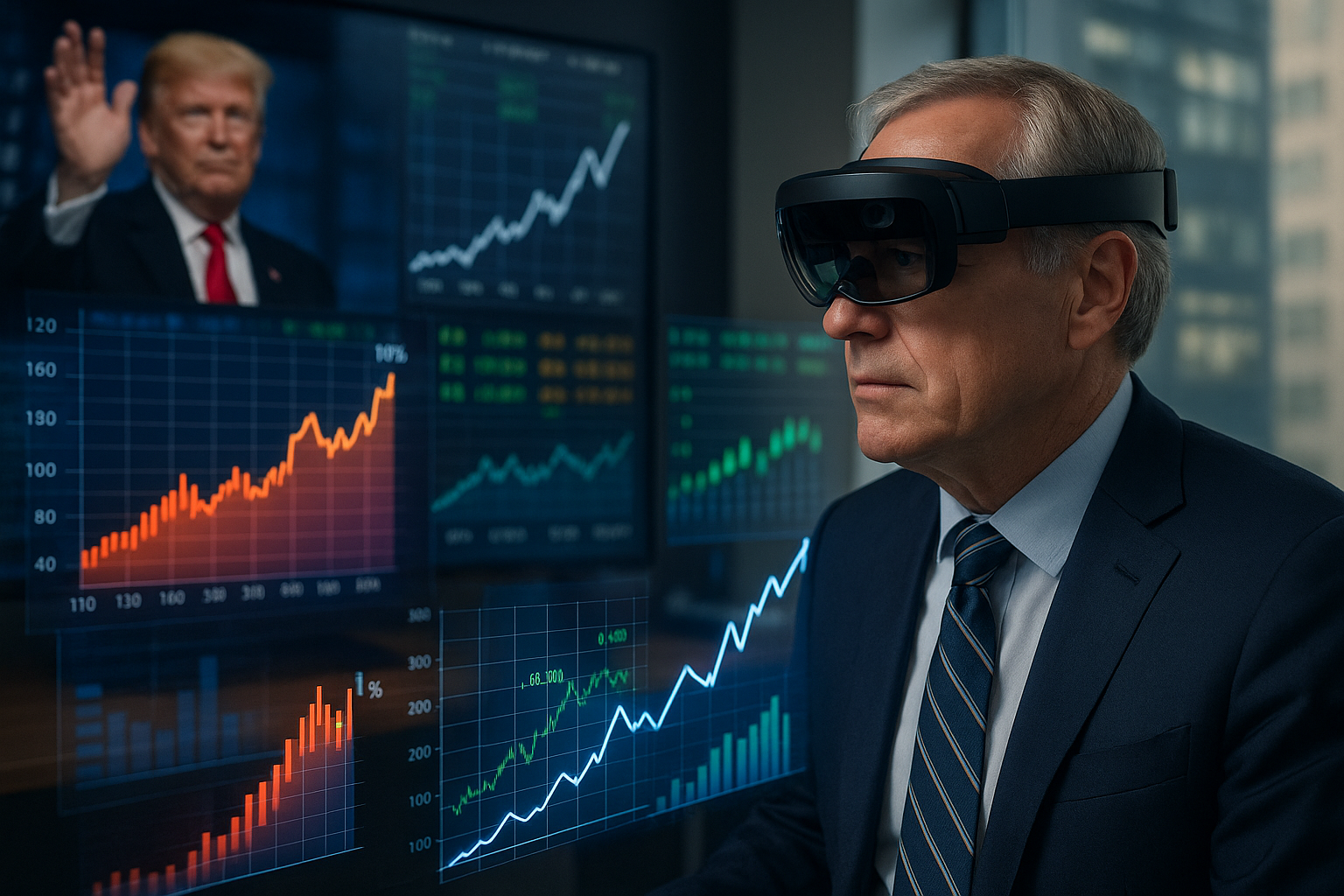
Delving into the economic ramifications of Trump's 2024 election victory, it's fascinating to consider how extended reality (XR) technologies could serve as a scientific bridge to understanding and navigating these shifts. At its core, the election promises deregulation in sectors like energy and finance, potentially boosting stock markets but also risking volatility—think of the immediate post-election surge in Dow Jones futures, as investors bet on tax cuts and reduced oversight. Now, pivot to XR: virtual reality (VR) platforms could enable economists and policymakers to simulate these scenarios in hyper-realistic environments, allowing for predictive modeling that's far more intuitive than traditional spreadsheets. For instance, using MR overlays, users might visualize inflation trends as dynamic holograms superimposed on real-world data dashboards, making abstract economic concepts tangible. This isn't mere sci-fi; it's grounded in current advancements where AI integrates with XR to process vast datasets in real-time, as explored in this Wired analysis on AI-driven VR simulations for financial forecasting. Historically, immersive tech has precedents in military simulations, like the U.S. Army's use of VR for strategic planning, which could extend to economic warfare—hypothetically, what if Trump's trade tariffs were playtested in a VR metaverse, revealing unintended consequences on global supply chains before implementation? Ethically, this raises dilemmas: does XR democratize access to complex economic insights, bridging the digital divide, or does it exacerbate inequalities if high-end devices like Apple's Vision Pro remain out of reach for average citizens? Provocatively, imagine a world where everyday Americans don AR glasses to "walk through" proposed policies, feeling the virtual weight of rising costs or job gains—humorously, it could turn budget debates into something akin to a choose-your-own-adventure game, minus the existential dread. Scaling this up, XR's intersection with 5G networks enables mass adoption for enterprise training, where companies simulate market disruptions caused by political events, fostering resilience. In healthcare, for example, VR could model economic impacts on public health funding under new administrations, while in education, students might debate fiscal policies in shared mixed reality classrooms. Forward-looking, as metaverse ecosystems evolve, they could become virtual economies mirroring real-world shifts, with digital currencies fluctuating based on election outcomes—picture a scenario where Trump's win triggers a boom in virtual real estate tied to deregulated crypto markets. This connection isn't forced; it's a natural extension of XR's spatial computing capabilities, which allow for layered data visualization that's scientifically proven to enhance comprehension, per studies from MIT on immersive learning. Yet, we must weigh the cons: privacy concerns in virtual spaces could amplify misinformation during elections, turning XR into a tool for digital manipulation rather than enlightenment. Short-term, businesses might leverage AR for rapid prototyping of products aligned with new trade deals, while long-term implications include XR-driven global collaborations that transcend borders, potentially softening the blow of isolationist policies. Wittily put, if politics is theater, XR turns it into an interactive play where the audience votes with their avatars—provoking the question: could this technology have swayed the 2024 outcome by making complex issues more accessible? By blending humor with intellectual rigor, we see XR not as a gimmick but as a catalyst for informed discourse in an era of economic uncertainty, ultimately sparking discussions on how digital portals might redefine civic engagement.
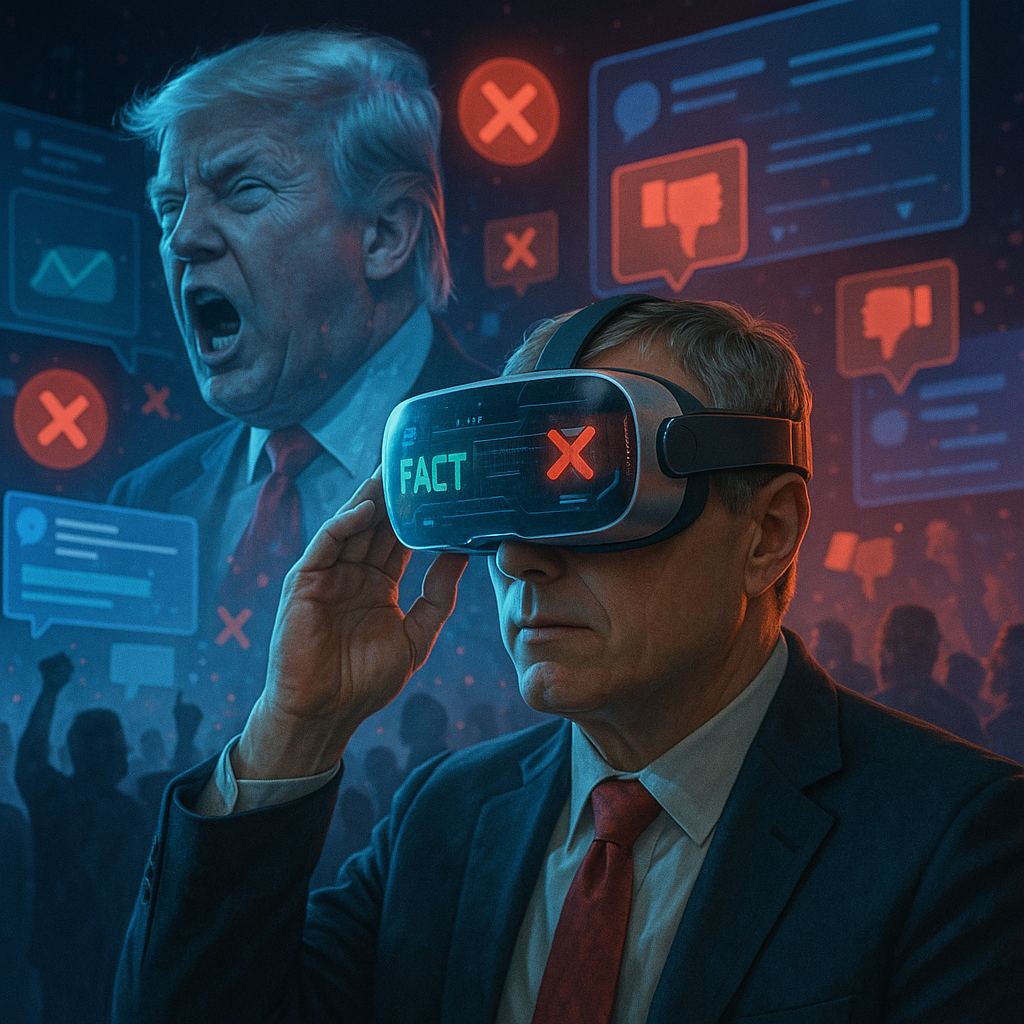
Shifting focus to the cultural and social undercurrents of Trump's electoral triumph, which emphasized themes of nationalism and media influence, we can scientifically link this to XR's role in fostering or challenging societal narratives through immersive storytelling. The election highlighted deep divisions, with social media platforms amplifying echo chambers—consider how platforms like X (formerly Twitter) became battlegrounds for misinformation, contributing to voter polarization as detailed in post-election analyses. Enter XR: augmented reality (AR) could overlay fact-checked data onto real-time news feeds, creating a "truth filter" that scientifically debunks falsehoods using AI algorithms, much like emerging tools in journalism. This draws from historical precedents, such as the use of VR in empathy-building experiences, like those simulating refugee crises to bridge cultural gaps—imagine applying this to election rhetoric, where users virtually "live" as someone from the opposing side, fostering understanding amid cultural shifts. Ethically, though, XR poses dilemmas: while it promotes accessibility by making complex social issues experiential, it risks deepening the digital divide if not scaled inclusively, especially in underserved communities affected by economic policies. As discussed in this TechCrunch piece on XR's influence on social dynamics, immersive tech is already being piloted in education to simulate historical events, which could extend to modern politics. Hypothetically, what if campaign ads evolved into MR experiences, allowing voters to interact with virtual candidates in their living rooms—wittily, it might make debates feel like a holographic wrestling match, complete with audience boos echoing in spatial audio. In gaming, XR's haptics could add tactile feedback to social simulations, making abstract concepts like economic inequality feel visceral, perhaps through a game where players navigate virtual job markets under different administrations. Forward-looking, as metaverse platforms mature, they could host global town halls, transcending geopolitical barriers and enabling cross-cultural dialogues that counter nationalist sentiments—yet, the provocation lies in whether this amplifies echo chambers or dismantles them. Short-term pros include rapid prototyping of social programs in VR for policy testing, while long-term cons might involve regulatory challenges, like ensuring privacy in virtual gatherings amid data scandals. Real-world examples abound: Meta's Quest series has been used for virtual concerts that build community, paralleling how election victories rally supporters—could XR have virtualized rallies to reduce physical risks during pandemics? By incorporating complementary tech like 6G for seamless connectivity, XR enhances scalability, potentially revolutionizing entertainment by turning political satire into interactive experiences. Intellectually stimulating, this connection provokes rhetorical questions: if XR can make us "feel" the other's perspective, might it heal societal rifts exacerbated by events like this election? Humorously, picture donning VR goggles to escape post-election blues, only to find a simulated world where policies are debated over virtual coffee—it's a reminder that while reality bites, digital realms offer a witty escape with profound implications. Through detailed analysis, we see XR as a tool for cultural evolution, blending provocation with science to spark reader curiosity about its potential to reshape social fabrics in economically turbulent times.
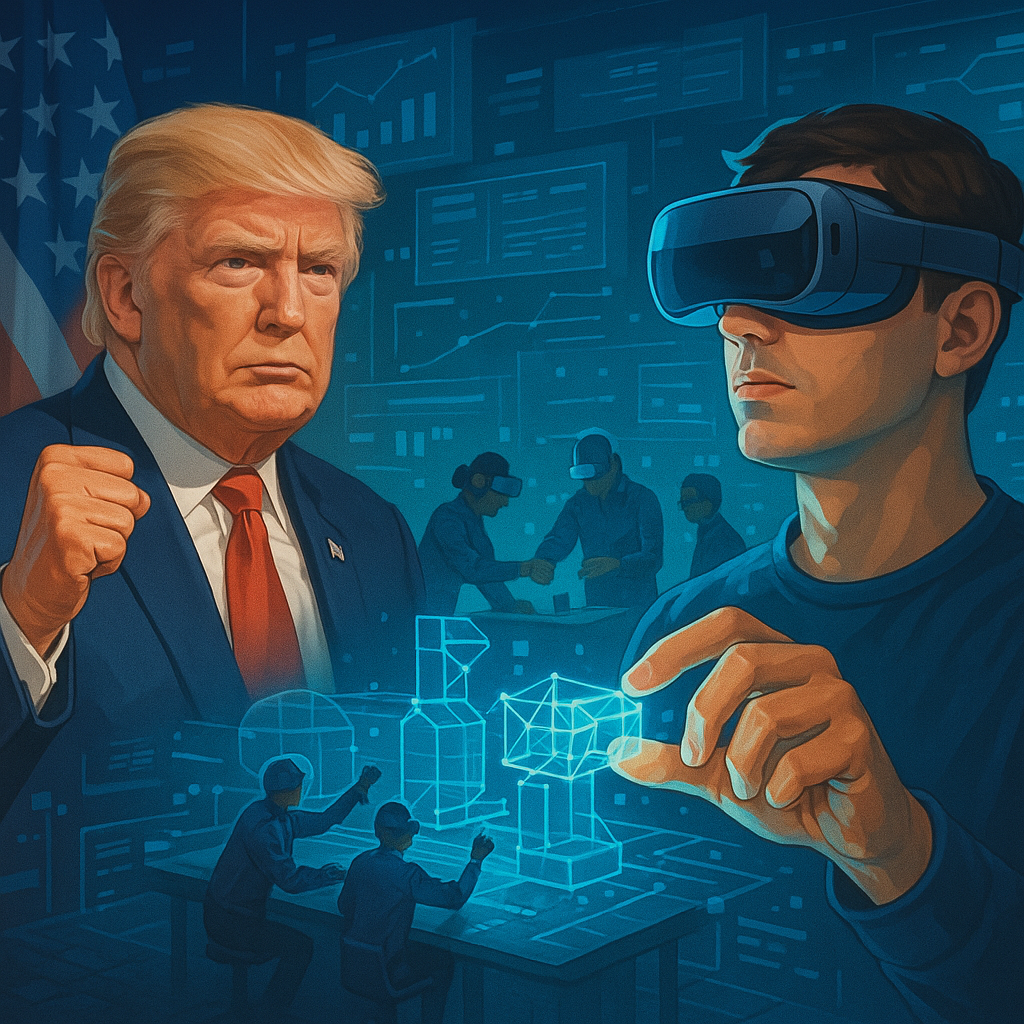
Exploring the technological innovation angle tied to Trump's win, which includes pledges for bolstering U.S. tech dominance amid competition with China, XR emerges as a scientific conduit for accelerating R&D in ways that could amplify or mitigate these geopolitical tensions. The election underscores market disruptions, with tech stocks fluctuating based on anticipated tariffs and innovation incentives—recall how semiconductor firms like NVIDIA saw gains, betting on domestic manufacturing boosts. Scientifically, mixed reality (MR) facilitates collaborative design environments where engineers from disparate locations co-create prototypes in shared virtual spaces, leveraging haptics for precise feedback that's more efficient than physical models. This builds on historical immersive tech, like NASA's use of VR for space simulations, now adaptable to economic warfare scenarios—hypothetically, XR could model supply chain disruptions from trade wars, allowing firms to pivot strategies in real-time. As highlighted in this BBC report on XR in industrial innovation, companies are already using AR for assembly lines, which could scale under deregulatory policies to enhance productivity. Ethically, this raises questions about accessibility: will XR widen the innovation gap if devices remain costly, or can subsidies make tools like Meta's Quest accessible for startups? Provocatively, imagine a VR "innovation hub" where entrepreneurs simulate market entries under new trade deals—wittily, it turns the American Dream into a digital sandbox, complete with virtual venture capital pitches. In healthcare, XR could accelerate drug development by simulating economic impacts on funding, while in enterprise training, it prepares workers for industry shifts. Forward-looking trends point to spatial computing integrating with AI for predictive analytics, creating metaverse economies that mirror real-world tech booms—yet, cons include potential cyber vulnerabilities, as hacking virtual prototypes could disrupt critical sectors. Short-term, businesses might use AR for rapid upskilling in response to policy changes, fostering agility; long-term, this could lead to mass adoption, narrowing the digital divide through affordable 5G-enabled wearables. Real-world examples include Apple's Vision Pro enabling remote collaborations that transcend borders, countering isolationist policies with global connectivity. Rhetorically, if XR is a "digital portal" to innovation, how might it have influenced the election by visualizing tech policies? Humorously blending insight, picture campaigning in a VR world where promises are prototyped—failure to deliver could mean virtual boos raining down like haptic confetti. This thorough exploration reveals XR's potential to scientifically bolster economic resilience, sparking discussions on its role in navigating the innovations promised by such pivotal events.
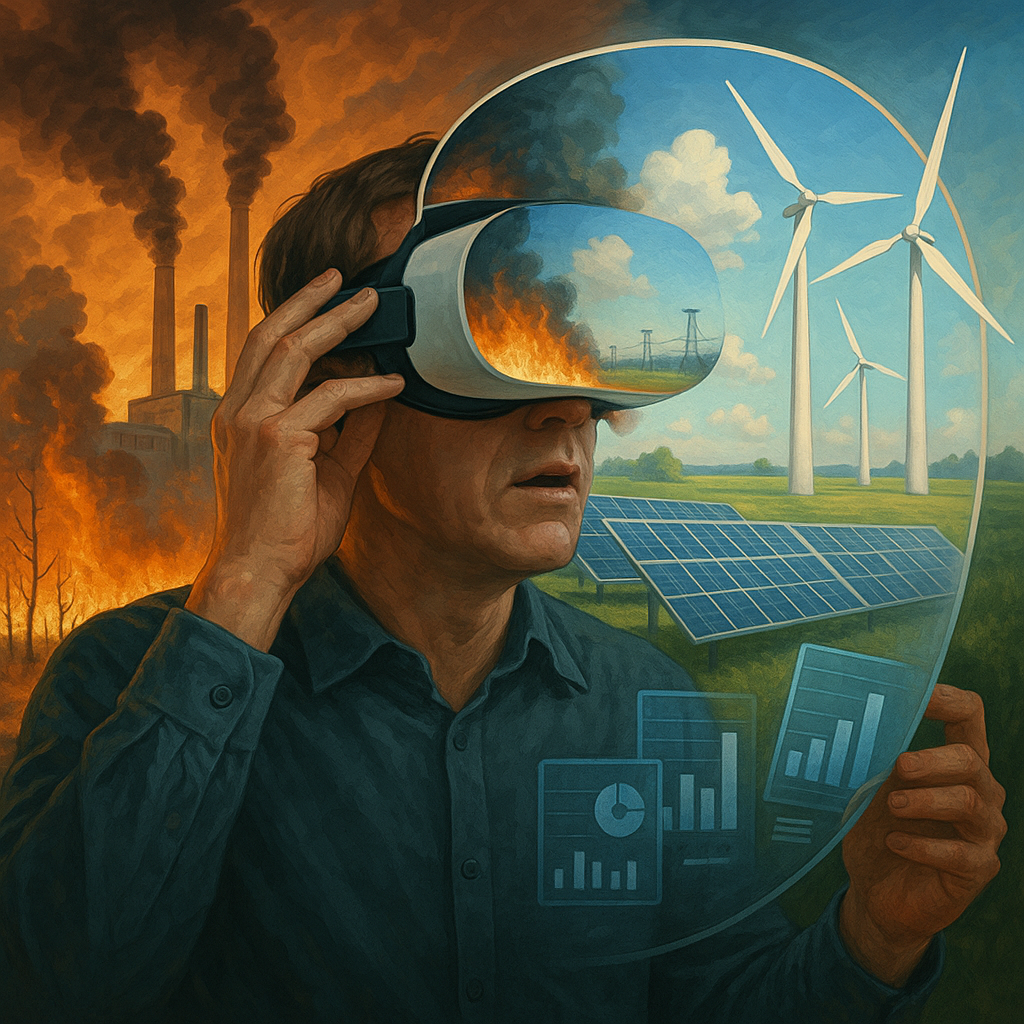
Considering the environmental implications woven into Trump's platform, which often prioritizes energy independence over stringent climate regulations, XR technologies offer a scientific lens for modeling and advocating sustainable practices amid potential policy rollbacks. The election's focus on fossil fuels versus renewables could exacerbate climate challenges, as seen in market reactions where oil stocks rose while green tech dipped—drawing from reports on post-election energy sector shifts. XR's VR simulations could scientifically recreate environmental scenarios, allowing users to experience projected climate impacts under deregulated regimes, enhancing awareness through immersive data visualization. This echoes historical uses, like VR in conservation education, where users "dive" into virtual oceans to witness pollution effects—extend this to economic modeling, simulating job losses in coal versus gains in solar via interactive MR dashboards. As examined in this Nature study on VR for environmental empathy, such tech boosts behavioral change by making abstract data emotional. Ethically, XR could bridge divides by making sustainability accessible, yet it risks being co-opted for greenwashing if not regulated. Hypothetically, what if policymakers used AR to overlay carbon footprints on real-world industries, provoking shifts toward eco-friendly policies? Wittily, it turns climate denial into a virtual reality check—pun intended—where skeptics feel the heat of simulated wildfires. In gaming, XR integrates environmental themes into narratives, educating players on economic trade-offs, while in social media, virtual worlds foster global activism. Forward-looking, metaverse evolution could create carbon-neutral digital economies, offsetting real-world emissions through blockchain-tracked offsets. Short-term pros include using XR for enterprise training in sustainable practices, adapting to regulatory changes; long-term cons might involve scalability issues if infrastructure lags. Real-world applications span healthcare, with VR therapy for eco-anxiety, and entertainment, where immersive films highlight climate economics. Provocatively, could XR have swayed voters by visualizing a deregulated future's environmental costs? Through analogies like XR as a "window to tomorrow," this connection stimulates intellectual debate, humorously noting that while politics heats up, virtual cooling simulations might just save the planet—or at least spark the conversation needed for mass adoption of green tech in economically charged times.
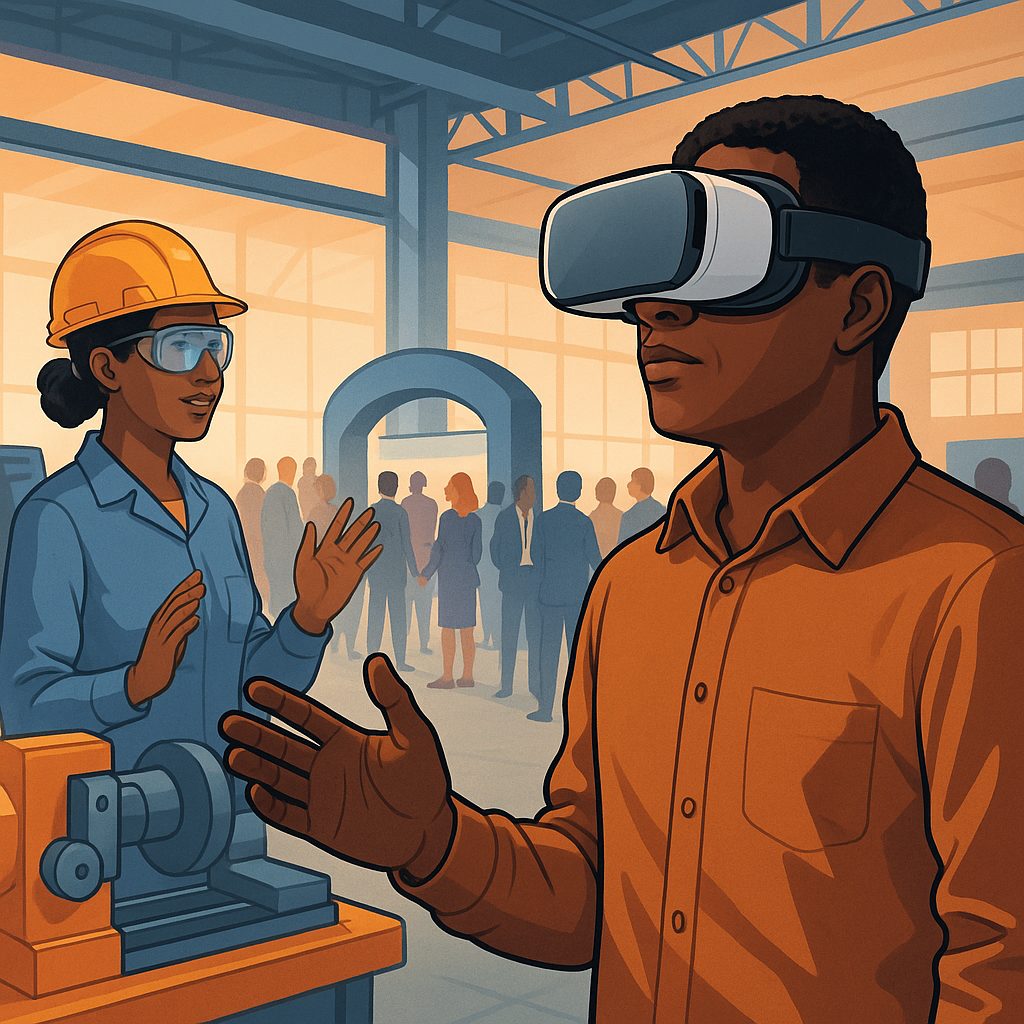
Finally, examining the broader societal accessibility and equity themes amplified by the 2024 election, which promised economic uplift for working-class Americans, XR stands out scientifically as a tool for inclusive growth, potentially addressing or widening disparities in digital ecosystems. The victory spotlighted issues like job creation and wage gaps, with policies aiming to revitalize manufacturing—evidenced by labor market reactions post-election. XR's AR applications could democratize education and training, offering virtual apprenticeships that simulate high-skill jobs without geographical barriers, grounded in cognitive science showing improved retention through immersion. This draws from precedents like VR in vocational training for underserved populations, scalable via 6G for remote access. As detailed in this Harvard Business Review article on VR for workforce equity, such tech reduces training costs, aligning with economic reforms. Ethically, it challenges the digital divide: will XR empower the masses or favor the elite with devices like high-end headsets? Provocatively, imagine a metaverse job fair where avatars negotiate salaries under simulated policies—humorously, it could make "climbing the corporate ladder" a literal VR obstacle course. In entertainment, XR fosters inclusive storytelling, while in healthcare, it provides equitable access to simulations for medical training. Forward-looking, spatial computing could evolve into universal platforms, integrating AI for personalized learning paths that adapt to economic shifts. Short-term, companies might deploy MR for upskilling in response to job market changes; long-term, this could lead to regulatory frameworks ensuring accessibility. Real-world examples include initiatives using affordable Quest devices for community education, countering elitism. Rhetorically, if XR is a "great equalizer," how might it transform the economic promises of this election into tangible opportunities? Blending wit with insight, picture virtual reality as the ultimate leveler—where even underdogs get a headset and a shot at the American Dream, sparking curiosity about its role in fostering equitable societies amid political upheavals.