
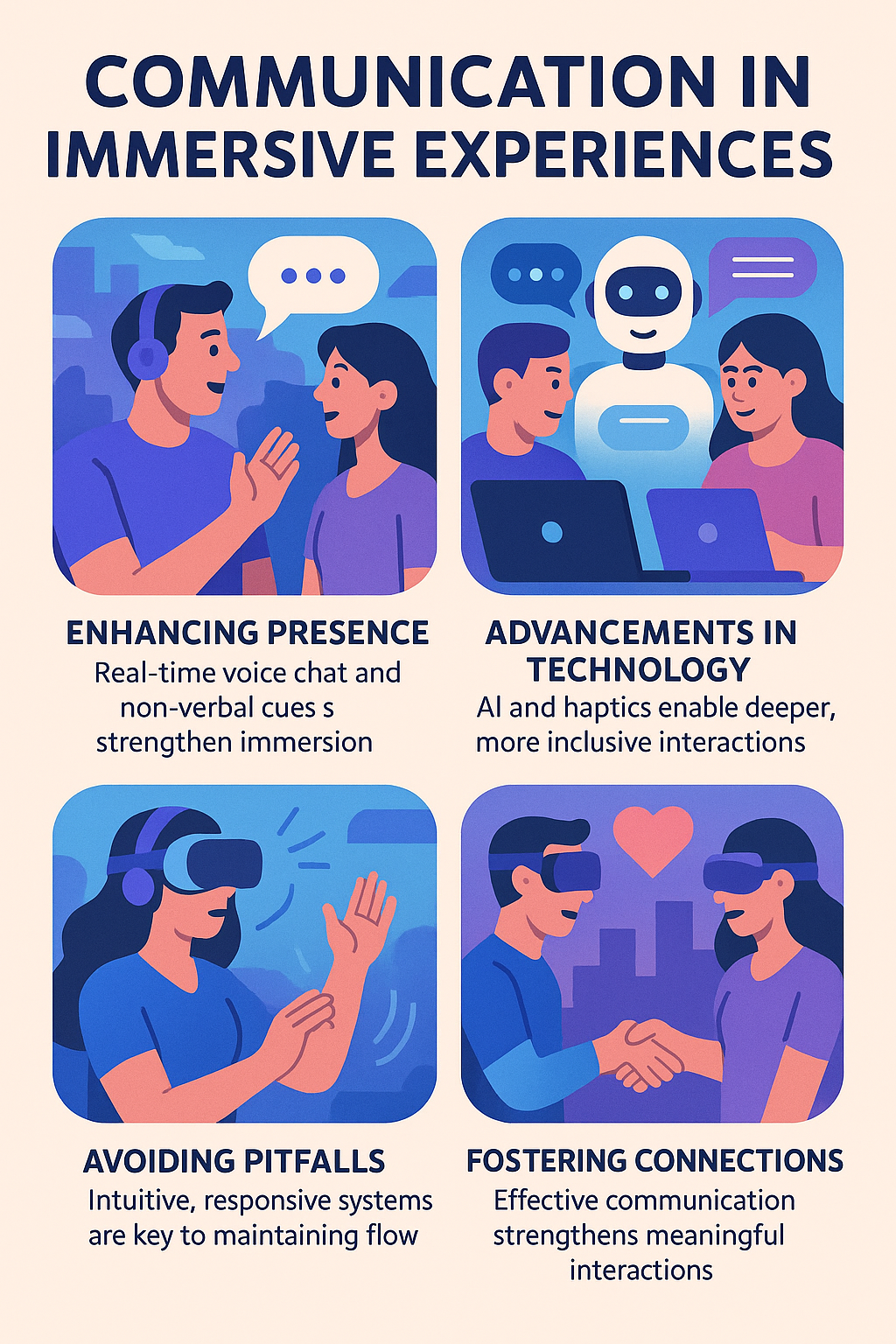
In today's digital age, effective communication is the cornerstone of creating truly immersive experiences. Whether in virtual reality environments, interactive storytelling, or collaborative online platforms, the way we convey ideas and emotions directly impacts how engaging and memorable an experience can be.
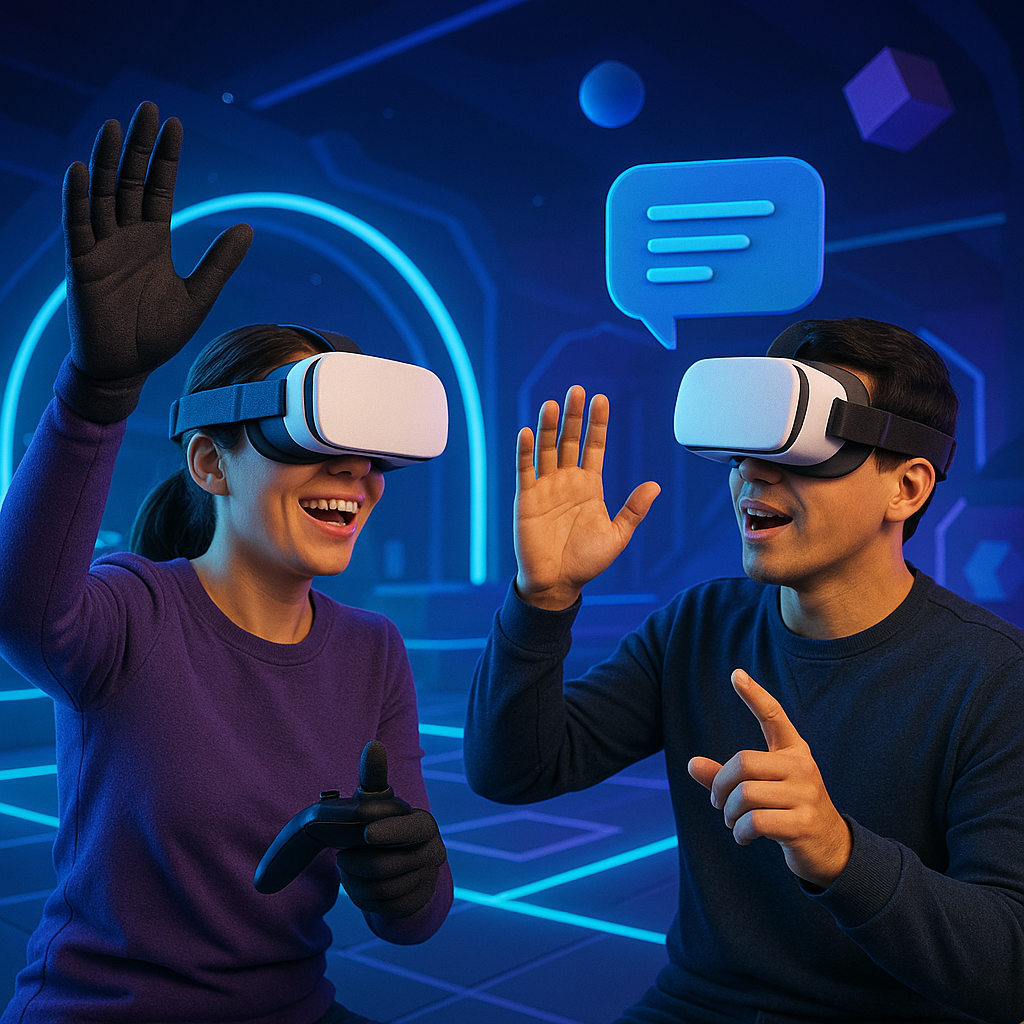
Immersive experiences go beyond mere visuals or sounds; they rely on seamless communication to draw participants into a shared world. For instance, in multiplayer VR games, real-time voice chat and non-verbal cues like gestures enhance the sense of presence, making players feel like they're truly interacting in a living, breathing universe.
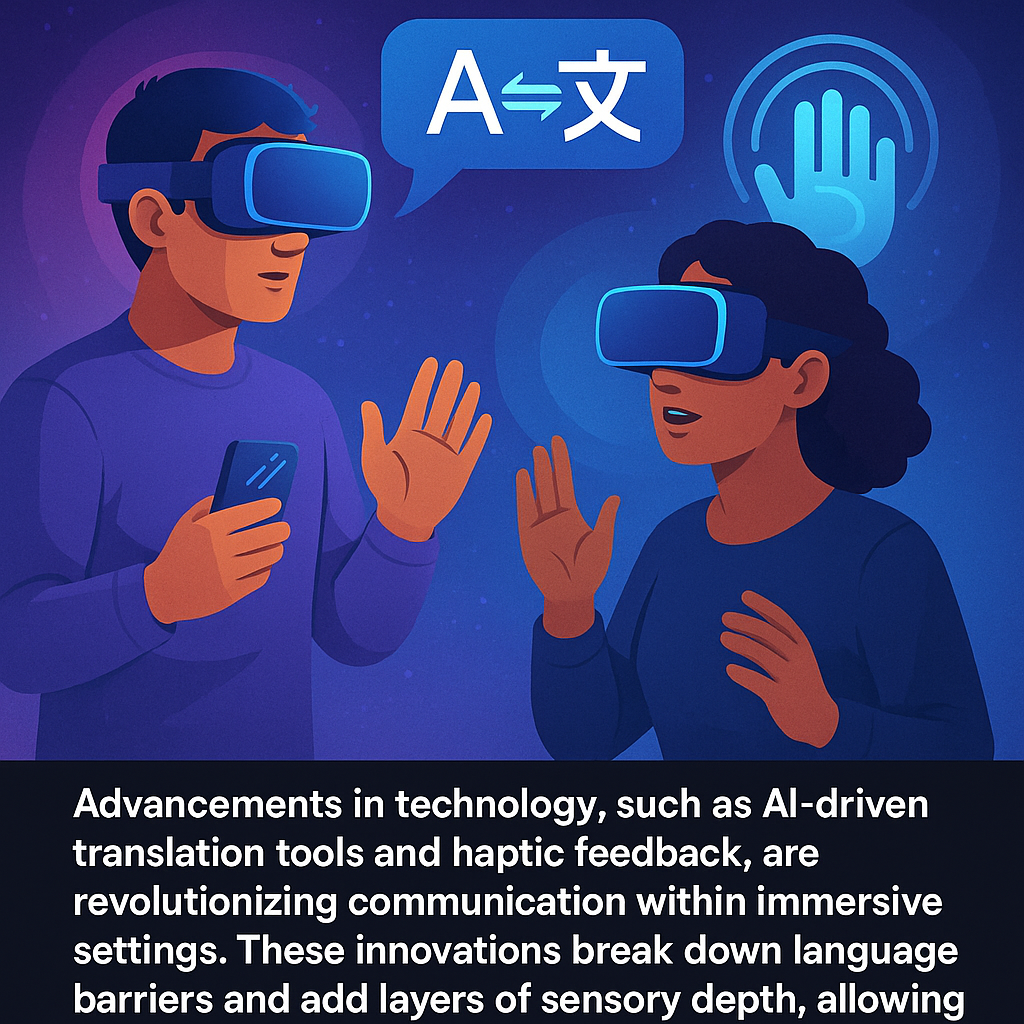
Advancements in technology, such as AI-driven translation tools and haptic feedback, are revolutionizing communication within immersive settings. These innovations break down language barriers and add layers of sensory depth, allowing for more inclusive and profound experiences across global audiences.
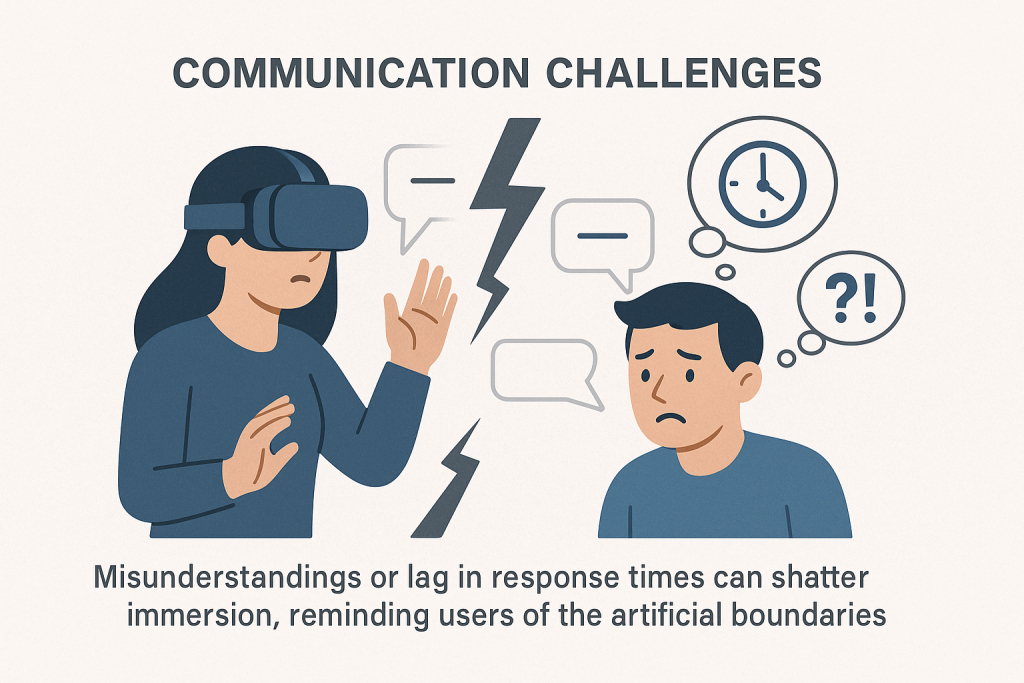
However, crafting these experiences requires careful consideration of communication pitfalls. Misunderstandings or lag in response times can shatter immersion, reminding users of the artificial boundaries. Designers must prioritize intuitive interfaces and responsive systems to maintain the flow of interaction.
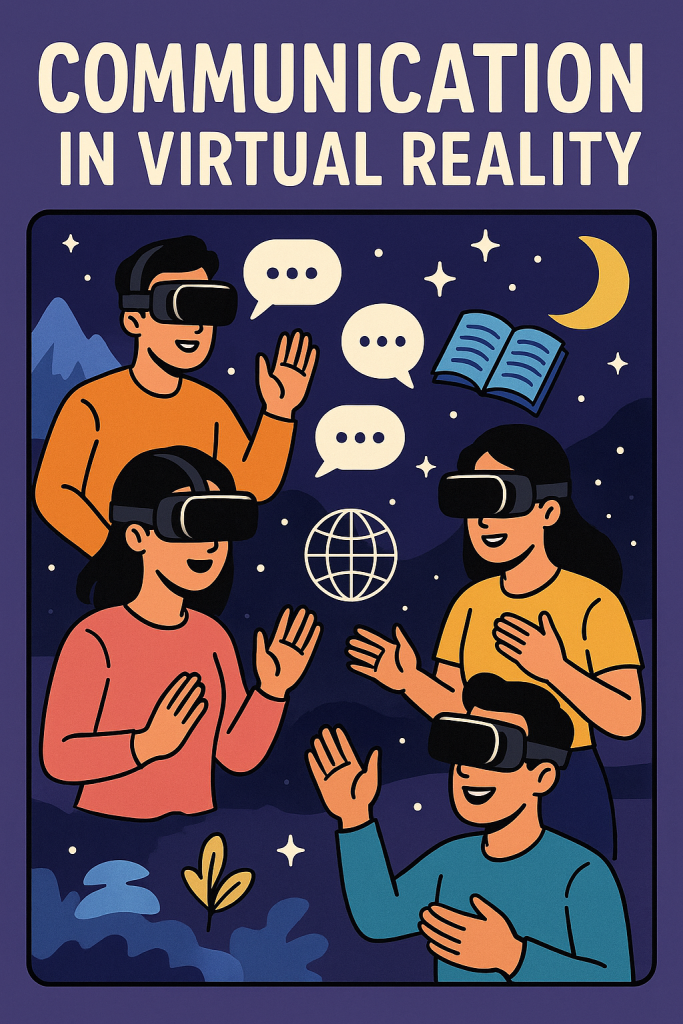
Ultimately, the fusion of communication and immersive experiences opens up endless possibilities for education, entertainment, and social connection. By honing our ability to communicate effectively in these virtual realms, we can create worlds that not only captivate but also foster meaningful human connections.
AI Generated. AI-Human Verified.