
In the rapidly evolving landscape of extended reality (XR), Somnium Space stands out as the single most relevant development for today's tech-savvy audience, particularly those interested in virtual real-estate and social improvement through VR. This blockchain-powered VR metaverse is pertinent due to its innovative blend of immersive virtual property ownership and community-driven social interactions, which are gaining traction amid rising interest in decentralized digital economies and VR's role in enhancing real-world social skills. Recent data from reports like those from Statista indicate a surge in metaverse investments, with virtual land sales exceeding $500 million in 2023, underscoring Somnium Space's market impact and potential for widespread adoption in fostering inclusive, therapeutic social environments.
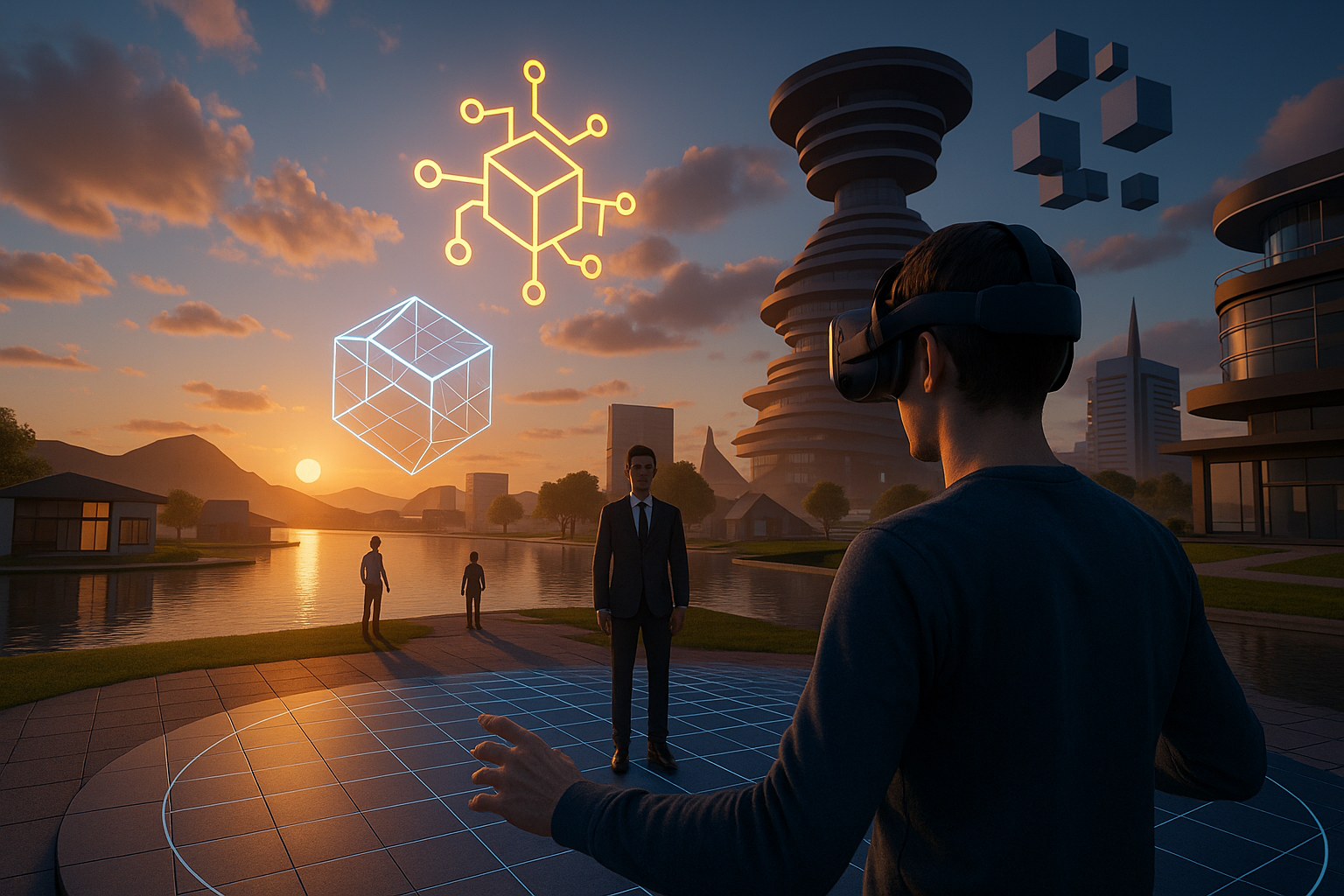
Somnium Space, launched in 2017 by Artur Sychov, emerged as a pioneering VR platform that integrates blockchain technology to enable users to own, build, and monetize virtual real-estate in a persistent, open-world metaverse. Its core features include a vast, user-generated landscape where parcels of digital land can be purchased using cryptocurrency, much like buying property in the physical world but with infinite scalability and customization. This setup allows creators to construct everything from personal homes to bustling virtual cities, complete with interactive elements powered by Unity engine integrations. Historically, Somnium Space drew inspiration from earlier virtual worlds like Second Life, but it innovated by incorporating VR immersion, allowing users to navigate and interact using headsets for a more embodied experience. Innovations such as live events, NFT integrations, and cross-platform compatibility have propelled it forward; for instance, users can host concerts or art galleries that attract global audiences without geographical barriers. Challenges include scalability issues during high-traffic events, where server loads can cause lag, and the volatility of cryptocurrency values affecting land prices. Looking to the future, projections suggest that with advancements in VR hardware, Somnium Space could evolve into a hub for remote work and education, potentially integrating AI-driven avatars for more natural interactions. In the realm of social improvement, the platform facilitates therapeutic scenarios, such as virtual social gatherings that help individuals with anxiety practice interpersonal skills in a safe environment. For example, imagine a shy professional rehearsing a presentation in a virtual boardroom populated by AI colleagues, building confidence that translates to real-life scenarios. Ethically, debates arise around digital inequality, as not everyone can afford VR equipment or crypto investments, prompting discussions on accessibility. Competing platforms, while not directly named here, often lack Somnium's deep VR focus, making it unique. Real-world applications span gaming, where users create immersive RPGs, to healthcare, with virtual therapy sessions, and entertainment, hosting live DJ sets. Emerging trends like Web3 integration point to a future where virtual real-estate becomes as valuable as physical assets, with Somnium Space at the forefront. User trends show a growing community of over 10,000 active users, as per recent platform analytics, drawn to its social features that promote collaboration and creativity. To dive deeper into its blockchain foundations, check out this informative guide on blockchain technology that underpins Somnium's virtual economy. Analogies to real estate booms in history, like the California Gold Rush, illustrate how virtual land rushes could reshape economic landscapes. Hypothetically, a educator could build a virtual classroom in Somnium Space, inviting students from around the world to interact in 3D, breaking down barriers of distance and disability. This extensive ecosystem not only inspires innovation but also raises questions about data privacy in persistent virtual worlds, where user actions are tracked for monetization. Overall, Somnium Space's blend of technology and social utility makes it a beacon for XR enthusiasts seeking practical engagement in virtual realms.
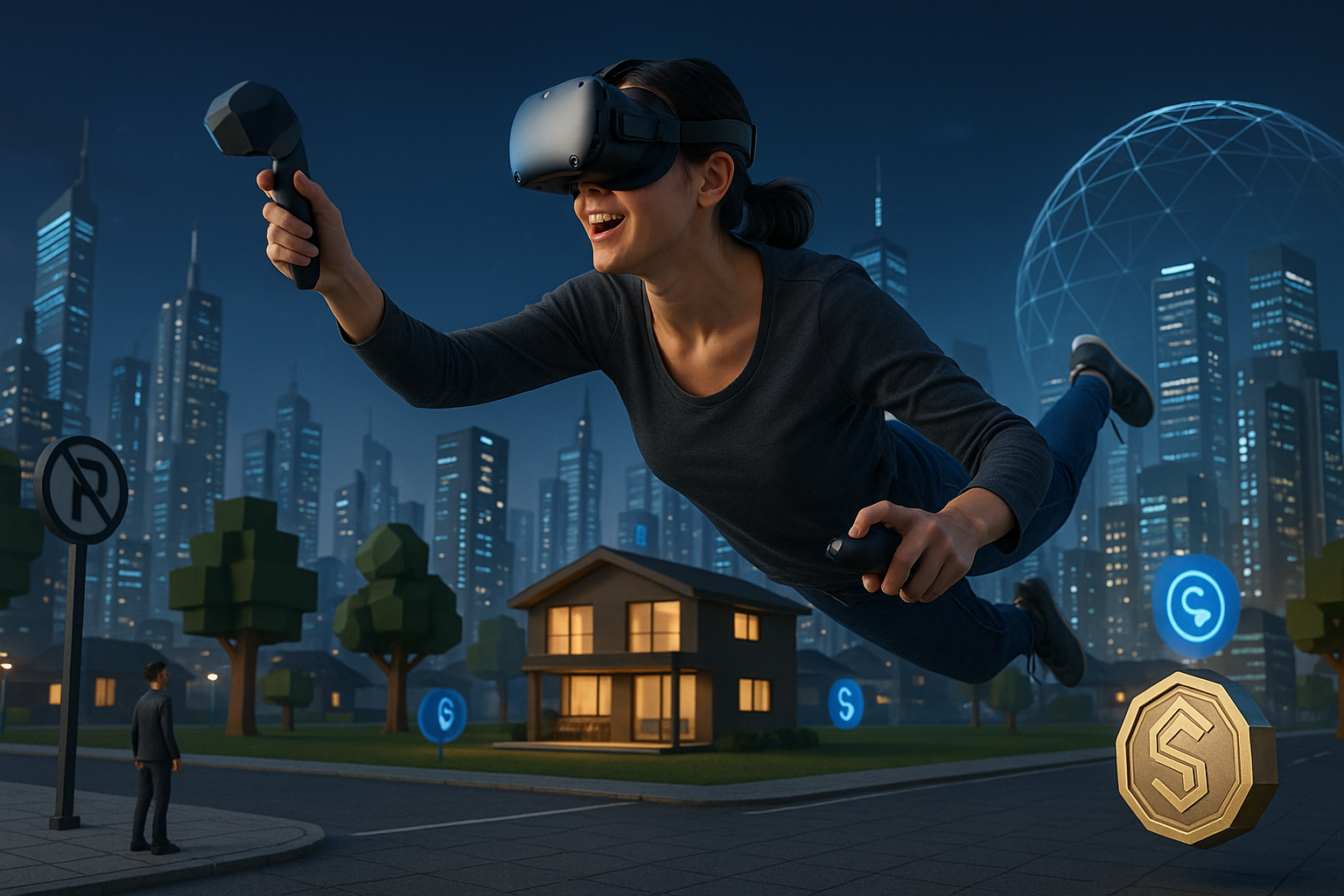
Delving into the innovations of Somnium Space, one standout aspect is its proprietary VR engine that supports high-fidelity graphics and physics, enabling realistic interactions such as picking up objects or flying through the virtual skies, which enhances the sense of presence far beyond traditional 2D metaverses. The platform's history traces back to its initial crowdfunding via Ethereum, raising funds to develop a decentralized alternative to centralized virtual worlds, addressing issues like corporate control seen in historical precedents such as Linden Lab's governance of Second Life. Core features include the Somnium CUBE token, which powers in-world transactions and governance, allowing users to vote on platform updates democratically. Challenges persist in user adoption, particularly with the steep learning curve for blockchain novices, and environmental concerns over the energy consumption of crypto mining, which Somnium mitigates by exploring proof-of-stake models. Future projections from experts like those at Deloitte forecast that by 2025, VR metaverses like this could contribute to a $1 trillion digital economy, with Somnium Space poised for growth through partnerships with AR glasses manufacturers for hybrid experiences. Peripherally, related technologies such as haptic feedback suits complement Somnium's immersion, allowing users to feel virtual textures, which ties into social improvement by making remote hugs in VR therapeutic for isolated individuals. In gaming, developers use Somnium to create multiplayer adventures that blend real-estate building with questing, fostering teamwork skills. Educationally, it's applied in virtual field trips, where students explore historical sites rebuilt in VR, enhancing learning retention through experiential methods. Ethical implications involve the potential for addiction to virtual lives, sparking debates mirrored in media pieces about digital escapism. Cultural significance lies in how it democratizes content creation, empowering artists from underrepresented regions to sell virtual sculptures as NFTs. For market impact, recent sales data shows parcels fetching prices comparable to prime real estate in cities like New York, indicating speculative investment trends. An analogy: just as social media revolutionized communication, Somnium Space is redefining property ownership in the digital age. Hypothetically, a therapist could design custom VR scenarios within Somnium for exposure therapy, helping patients overcome phobias by gradually introducing virtual stressors. Competing devices enhance its accessibility, though specifics vary, and historical VR flops like Google Glass highlight the importance of user-friendly design that Somnium prioritizes. In healthcare, integrations with biofeedback sensors could monitor user stress levels during social interactions, providing data for personalized improvement plans. Entertainment applications include virtual festivals that rival real-world events in attendance, boosting social bonds across cultures. Emerging trends like AI companions in VR suggest a future where loneliness is combated through intelligent virtual friends. To learn more about VR's role in mental health, explore this study on VR therapy that aligns with Somnium's social features. User trends reveal a demographic shift towards younger creators using the platform for entrepreneurship, selling virtual goods and services. This comprehensive approach not only informs but inspires users to engage with XR for personal and societal betterment, navigating the challenges of digital frontiers with informed optimism.
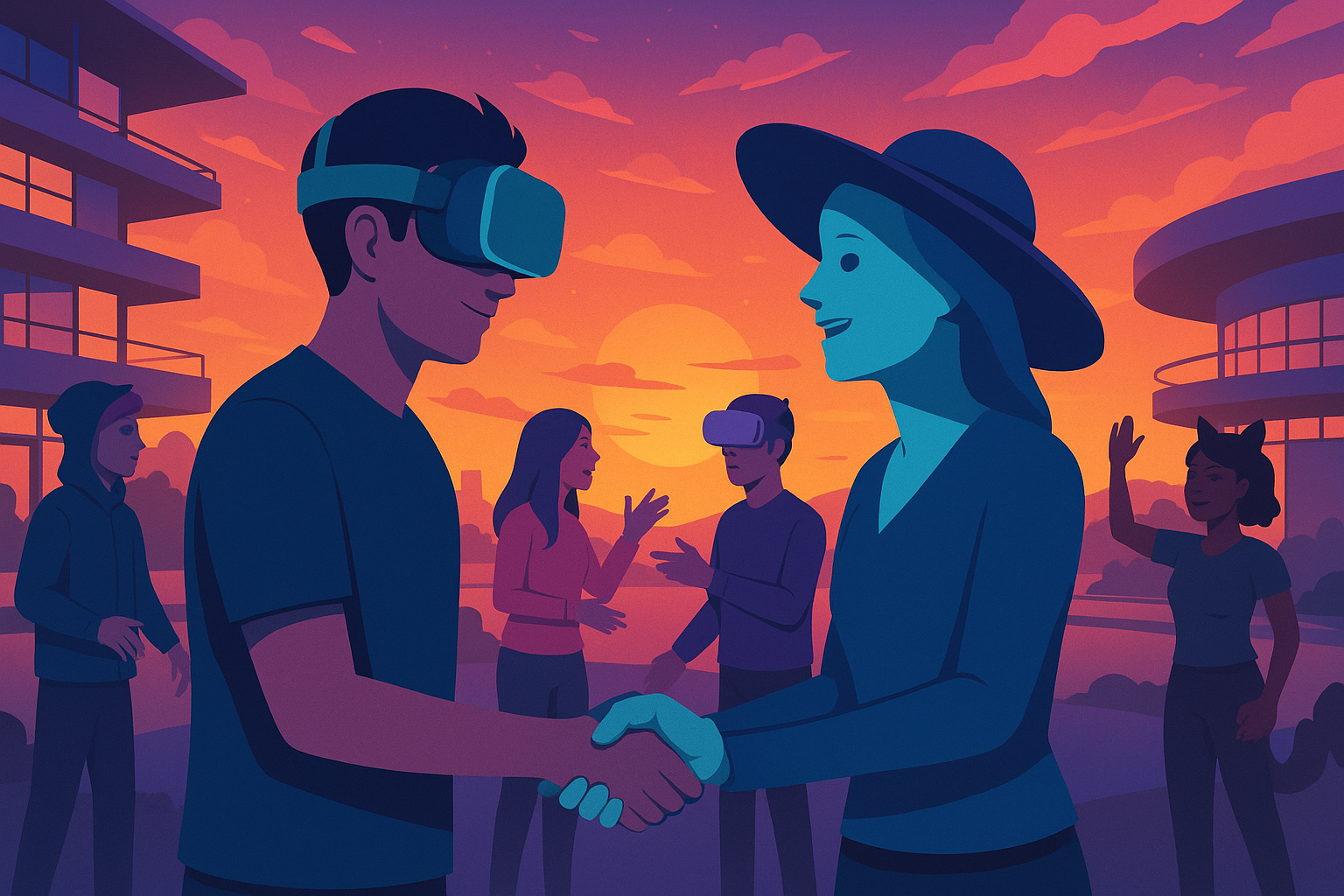
Exploring the social impact of Somnium Space reveals its profound potential for improvement using VR, where users form meaningful connections in a borderless environment, addressing real-world isolation exacerbated by events like the COVID-19 pandemic. Core features such as avatar customization and voice chat enable expressive interactions, fostering empathy and communication skills that transfer to offline life. Historically, the platform evolved from early VR experiments in the 2010s, building on Oculus Rift demos to create a fully realized social metaverse. Innovations include blockchain-secured identities, preventing fraud and ensuring trust in virtual transactions, which is crucial for real-estate dealings. Challenges encompass digital divides, where high-speed internet requirements exclude some populations, and the risk of harassment in open worlds, mitigated by community moderation tools. Future projections indicate integration with mixed reality, allowing overlays of virtual properties onto physical spaces, potentially revolutionizing urban planning. Peripherally, related technologies like eye-tracking in VR headsets enhance non-verbal cues, vital for social nuance. In education, Somnium facilitates collaborative learning, with virtual campuses where students practice public speaking. Healthcare applications shine in social VR therapy, helping those with autism spectrum disorders navigate interactions safely. Ethical debates center on data ownership, as user behaviors in virtual spaces could be exploited by advertisers, echoing concerns in social media history. Cultural significance is evident in how it preserves heritage, with users recreating endangered landmarks for virtual tourism. Market impact is seen in booming virtual economies, with reports from CoinDesk noting increased NFT land sales. An analogy: like how email connected distant families, Somnium Space bridges social gaps through immersive presence. Hypothetically, a remote worker could attend virtual office parties in Somnium, reducing burnout by simulating water-cooler chats. Competing companies offer similar features but often lack the VR depth. Historical precedents like Habbo Hotel show evolution from pixelated chats to full 3D immersion. In gaming, social VR elements create persistent worlds for role-playing, improving narrative skills. Entertainment thrives with user-generated content, from comedy shows to music venues. Emerging trends include VR for corporate training, enhancing team-building remotely. For insights into virtual economies, refer to this Forbes article on metaverse economies. User trends highlight diverse communities, from artists to educators, using the platform for inspiration. This extensive elaboration underscores Somnium Space's role in societal advancement, blending technology with human connection for a more inclusive future.
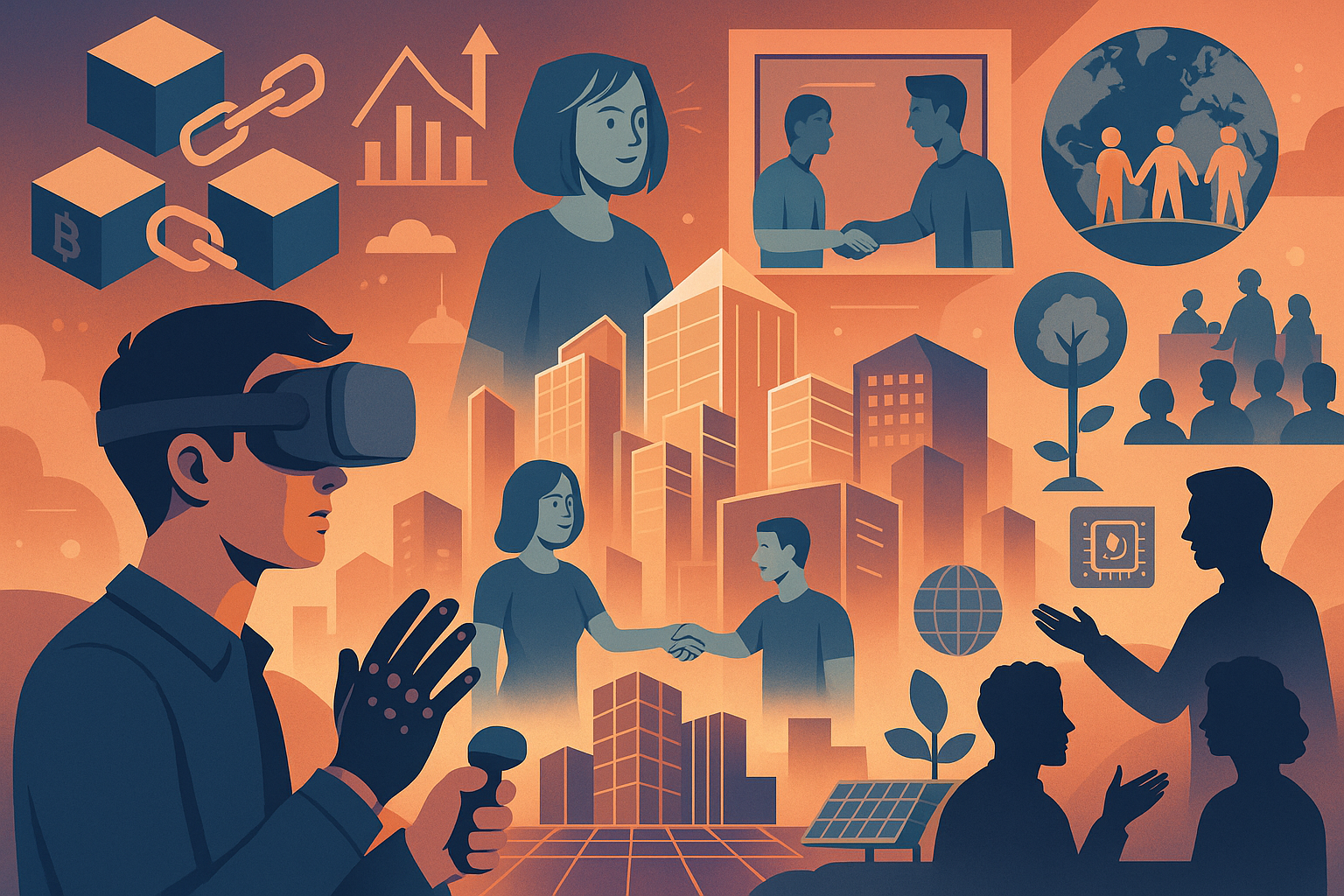
The challenges and ethical implications surrounding Somnium Space provide a nuanced view of its place in the XR ecosystem, emphasizing the need for balanced innovation in virtual real-estate and social VR. Core features like decentralized land ownership empower users but raise issues of speculation, where virtual property bubbles could mirror real estate crashes, as seen in the 2008 financial crisis. Historically, the platform's development involved pivoting from a simple VR world to a blockchain-integrated metaverse in response to the 2017 crypto boom. Innovations such as in-world scripting allow for dynamic environments, where buildings can change based on user input, fostering creativity. However, challenges include interoperability with other metaverses, limiting asset portability, and the environmental footprint of blockchain, prompting shifts to greener alternatives. Future projections from analysts at McKinsey suggest that by 2030, VR social platforms could influence global GDP by enabling new job markets in digital architecture. Peripherally, haptic technologies enhance tactile social interactions, making virtual handshakes feel real. In gaming, this translates to cooperative building games that teach project management. Educationally, ethical training modules in Somnium simulate moral dilemmas, preparing students for real-world decisions. Healthcare benefits from VR exposure for social phobias, with controlled environments reducing anxiety. Social debates focus on identity fluidity, where avatars allow exploration but risk misrepresentation. Cultural significance lies in democratizing access to global events, breaking socioeconomic barriers. Market impact is evident in partnerships with brands for virtual storefronts, driving revenue. An analogy: just as the internet spawned cybercrime, Somnium must navigate virtual theft through robust security. Hypothetically, a city planner could prototype urban designs in Somnium, gathering public feedback virtually before physical implementation. Historical VR ethical lapses, like privacy breaches in early apps, inform current policies. In entertainment, live debates in VR forums promote civic engagement. Emerging trends like brain-computer interfaces could deepen immersion, raising mind-privacy concerns. User trends show increasing focus on community guidelines to foster positive interactions. This detailed examination highlights how Somnium Space navigates complexities to offer meaningful social improvements, inspiring informed participation in XR advancements.
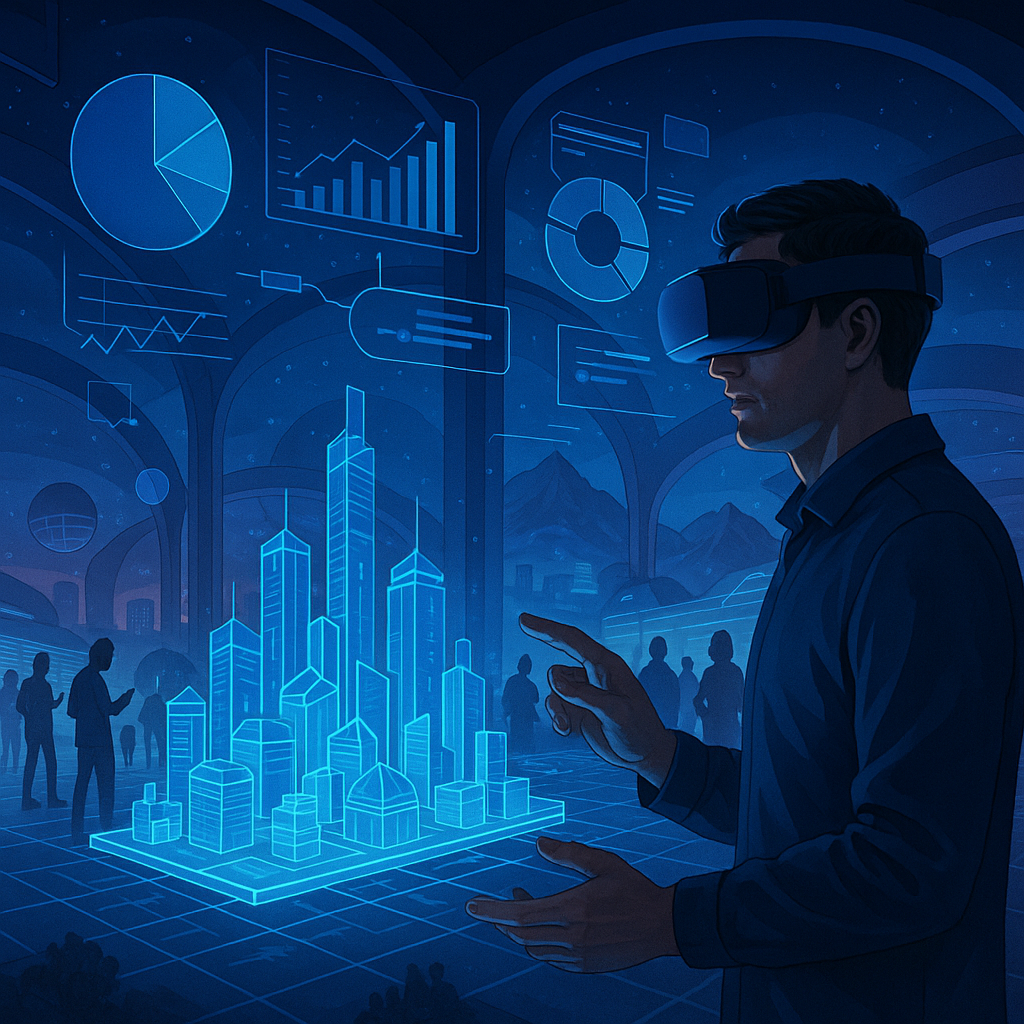
Projecting into the future of Somnium Space illuminates its trajectory as a leader in virtual real-estate and VR-driven social enhancement, with potential to reshape industries through widespread adoption. Core features like persistent worlds ensure that user creations endure, encouraging long-term investment similar to physical infrastructure. Historically, it built upon the metaverse hype of 2021, differentiating itself with true VR integration amid a sea of browser-based alternatives. Innovations include AI-assisted building tools that suggest designs, lowering barriers for non-technical users. Challenges involve regulatory hurdles, as governments grapple with taxing virtual assets, potentially stifling growth. Future visions include seamless AR/VR blending, where users view their virtual properties through smart glasses in the real world. Peripherally, advancements in 5G enable lag-free social VR, crucial for global connectivity. In gaming, this supports massive multiplayer events, improving strategic social skills. Education applications expand to vocational training, simulating job environments for skill-building. Healthcare sees potential in VR support groups for chronic illness sufferers, fostering community. Ethical implications include ensuring equitable access, debating universal basic virtual income models. Cultural shifts towards hybrid realities could normalize virtual socializing, as seen in post-pandemic trends. Market impact forecasts from Gartner predict XR markets hitting $300 billion by 2024, with Somnium benefiting from this wave. An analogy: like smartphones revolutionized personal computing, Somnium could make virtual ownership ubiquitous. Hypothetically, an international conference in Somnium could reduce travel emissions while enhancing networking. Historical parallels with early internet forums show evolution to immersive spaces. In entertainment, virtual reality concerts offer inclusive access for disabled fans. Emerging trends like decentralized autonomous organizations (DAOs) for community governance empower users. For projections on XR growth, consult this PwC report on the metaverse. User data indicates rising engagement in social events, pointing to sustained relevance. This comprehensive outlook positions Somnium Space as a catalyst for positive change, blending innovation with societal benefits in the XR domain.
AI Generated. AI-Human Verified.