
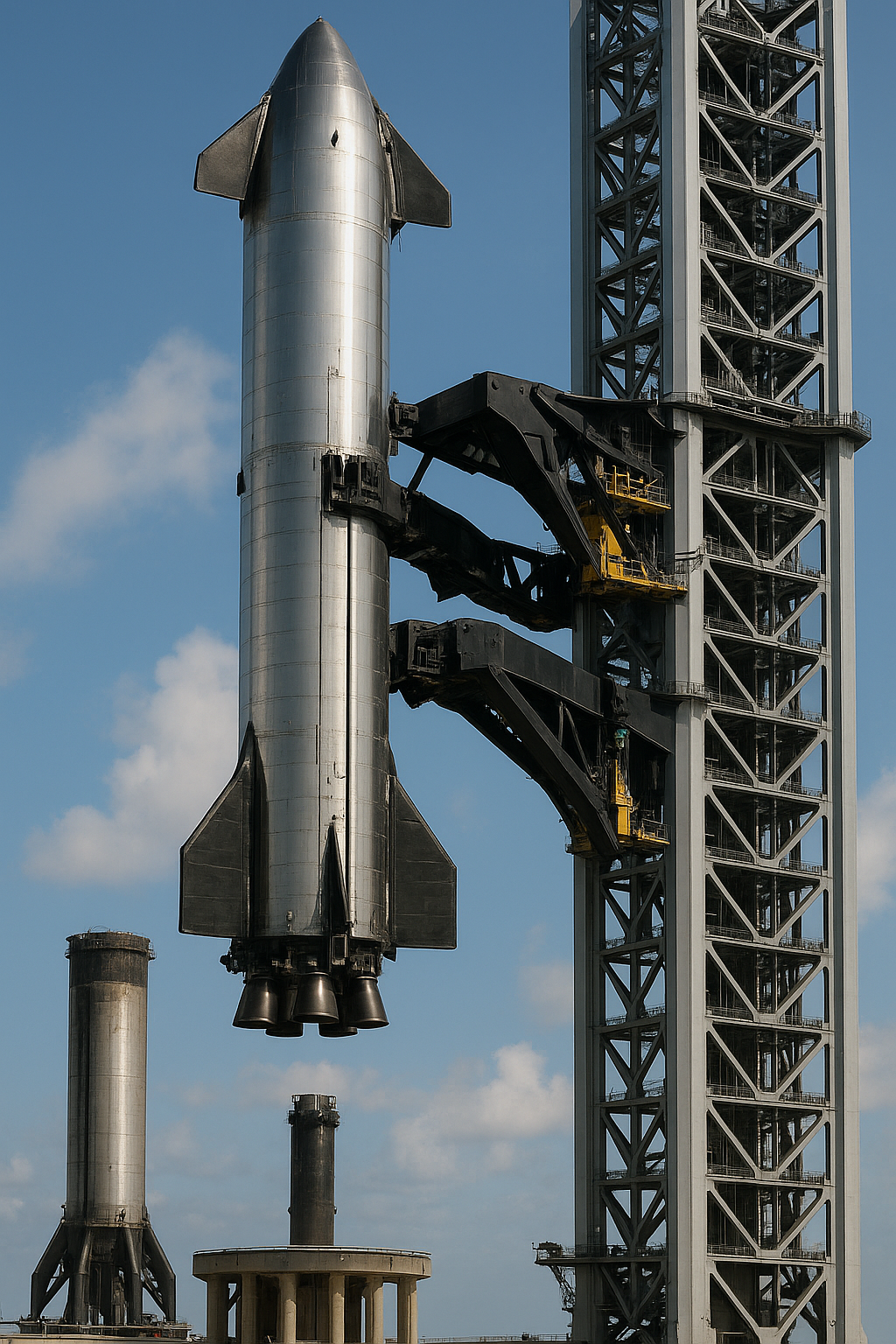
Recently, SpaceX's Starship achieved a groundbreaking test flight where its Super Heavy booster was successfully caught by mechanical arms at the launch pad, marking a pivotal step toward reusable rocketry and future Mars missions.
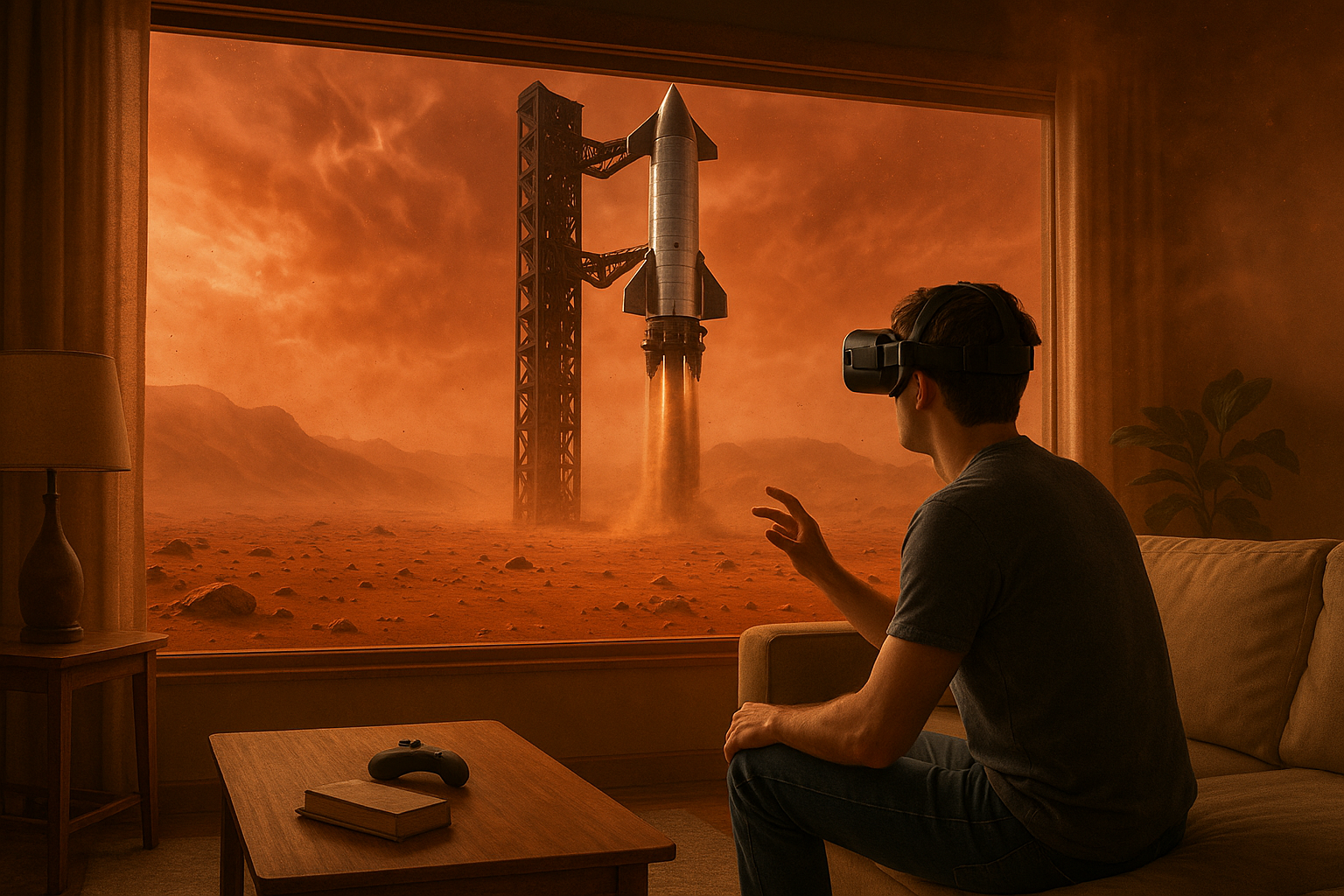
Imagine zipping off to Mars without leaving your couch—SpaceX's Starship test flight isn't just about blasting rockets into the sky; it's a provocative tease for how extended reality (XR) could revolutionize our lives by blending the thrill of space exploration with everyday home environments. This event, where the massive booster was dramatically snagged mid-air by towering mechazilla arms, screams innovation in reusable tech, but let's pivot that to XR: what if your living room transformed into a virtual Martian habitat, complete with red dust storms and zero-gravity antics, all while Starship paves the way for actual colonization? It's a fun, cheeky relationship—Starship handles the heavy lifting (literally), and XR brings the cosmos home, making living solutions not just about smart fridges but interstellar escapism. Think about it: as SpaceX pushes boundaries with these tests, XR technologies like VR headsets could simulate Mars living, helping astronauts train or letting us civilians "vacation" on another planet. This ties into broader XR peripherals, such as historical precedents like NASA's use of VR for space training since the 1990s, evolving into today's mixed reality setups where AR overlays real-time data on physical mode ls. Ethically, it's provocative—could XR democratize space, or does it risk creating a divide where only the elite physically go while the masses get virtual crumbs? In gaming, titles like No Man's Sky already hint at this, procedurally generating universes for exploration, but imagine syncing that with Starship's real missions for live, interactive experiences. Healthcare applications emerge too: XR for mental health, simulating vast spaces to combat cabin fever in confined living solutions, much like potential Mars habitats. Socially, it's a debate—XR might foster global communities around space events, turning solitary living into shared virtual adventures. Market impact is huge; with companies like Meta and Apple competing in XR devices, a Starship success could spike demand for space-themed AR apps, boosting adoption. Accessibility advancements mean even budget VR could let anyone "live" on Mars, challenging cultural notions of home. Hypothetically, picture a family in a tiny apartment using MR glasses to expand their space into a sprawling Martian base—provocative, right? It flips living solutions on their head, from mundane IoT integrations to cosmic expansions. Drawing from reports like those on NASA's VR training programs, which have been refining astronaut prep for years, this connection feels tangible. Emerging trends in education could see schools using AR to teach about Starship's mechanics, making STEM fun and interactive. Entertainment wise, imagine XR concerts on virtual Mars, streamed live during actual launches. Innovation wise, it's about intersections—Starship's reusable tech mirrors XR's scalable software updates, both aiming for widespread adoption. Provocatively, what if XR exposes the ethical underbelly of space race, like resource exploitation, through immersive simulations that make users confront harsh realities? In social media, users could share AR filters of themselves as Martian settlers, tying back to Starship hype. This relationship isn't just fun; it's a call to rethink how XR enhances living, turning homes into portals. Analogies abound: like how smartphones shrank the world, XR could shrink the solar system into our living rooms. Real-world apps in industries? Healthcare uses XR for rehab in simulated environments, akin to Mars training. Gaming evolves with XR tie-ins to space sims, competing with devices like Oculus Quest. Historical debates on tech ethics, like AI in space, parallel XR's privacy concerns in virtual homes. Overall, Starship's feat provocatively urges XR to step up, making living solutions infinitely expansive and playfully infinite.
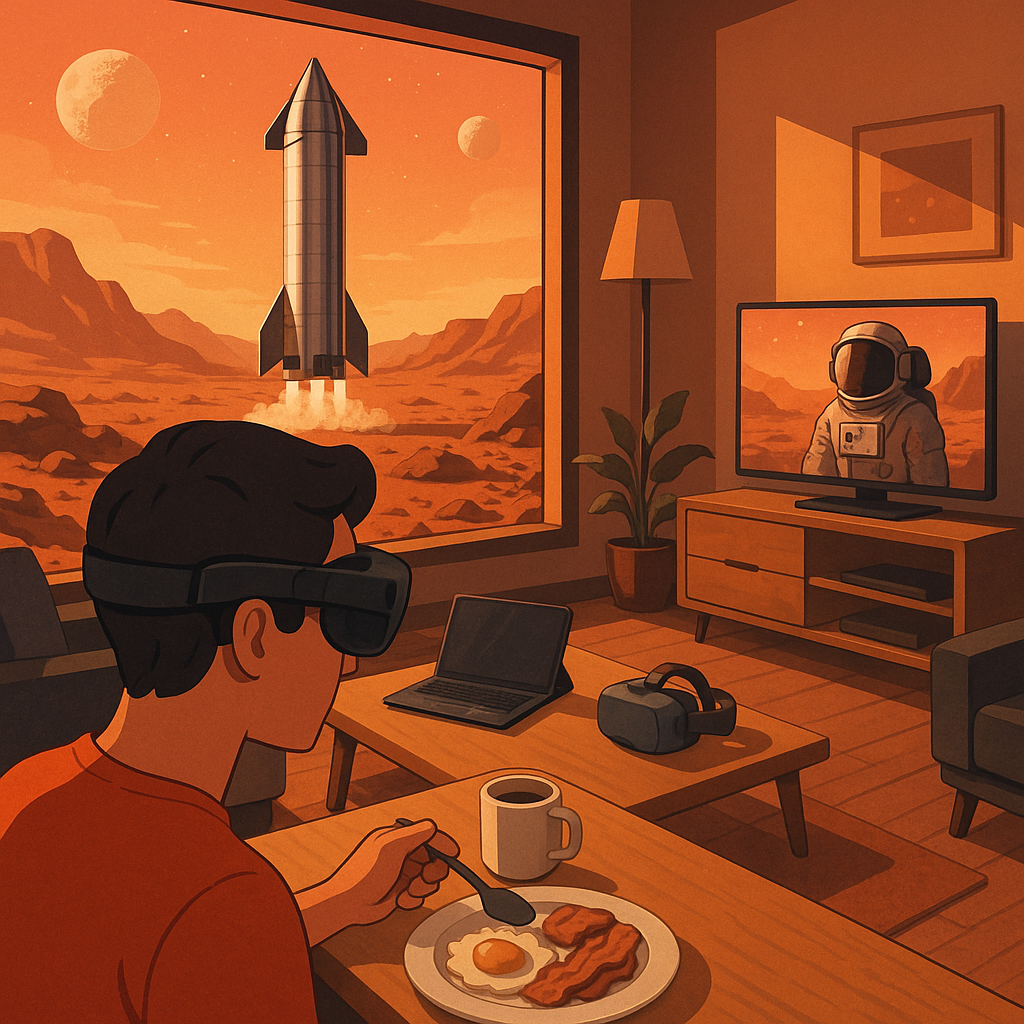
Diving deeper into this cosmic hookup, SpaceX's Starship catch isn't merely engineering wizardry—it's a sassy invitation for XR to crash the space party, redefining living solutions as hybrid realms where physical exploration meets digital immersion. Provocatively, while Starship promises to haul humans to Mars, XR could let us "cheat" the journey, crafting virtual abodes that mimic extraterrestrial life right in our earthly pads. This relationship sparks fun scenarios: envision AR glasses overlaying your kitchen with Martian vistas, turning breakfast into a red planet ritual, all inspired by Starship's reusable prowess. It's relevant through technological breakthroughs—Starship's rapid iteration mirrors XR's agile development, like how Unity engine updates enable seamless VR worlds. Market impact? A successful Starship could flood the XR market with space-themed content, boosting companies like HTC Vive against Apple's Vision Pro. Culturally, it's significant; space has always captivated, from Apollo era to now, and XR amplifies that with interactive narratives, perhaps debating ethical implications of colonizing via virtual means first. Accessibility advancements shine here—affordable MR devices could make Mars "living" inclusive, not just for astronauts. Hypothetically, a student in a rural home uses VR to join a Starship launch simulation, learning engineering hands-on. Peripherals expand: in gaming, XR titles like Elite Dangerous offer spacefaring thrills, tying to Starship's real stakes. Education leverages AR for virtual dissections of rocket tech, enhancing comprehension. Healthcare? XR therapy for isolation, prepping for long-haul space living. Entertainment booms with MR films set on Mars, streamed via social media platforms. Emerging trends point to haptic feedback in XR suits, simulating zero-g, directly relating to Starship training needs. Social debates rage—does XR trivialize real space risks, or empower? Historical precedents, like the Space Race of the 1960s, show tech's societal ripple, much like XR's current ethical quandaries on data privacy in virtual spaces. Innovation intersects with competing tech; think Neuralink's brain interfaces potentially enhancing XR immersion for space sims. Real-world apps in transportation could see XR planning Mars habitats, influencing urban living solutions back home. Provocatively, what if XR exposes inequalities—virtual Mars for the poor, real for the rich? Analogies: like how Zoom virtualized work, XR could virtualize exploration, making living solutions borderless. Factual nods to reports from Space.com on Starship tests underline this; their coverage highlights reusability's game-changing potential, paralleling XR's scalable adoption. In media, XR podcasts discuss space ethics, fostering informed debates. Gaming innovations, such as procedural generation, could model infinite living scenarios inspired by Starship data. Ethical implications include addiction risks in immersive XR worlds, a provocative mirror to space isolation challenges. Widespread adoption hinges on this tie—Starship success could validate XR as a precursor to physical feats, encouraging investments. Socially, it builds communities; imagine XR meetups during launches, turning solitary living into collective awe. This fun link provokes thought: XR isn't competing with Starship; it's the wingman, making space living accessible and tantalizingly close.

Let's get cheeky with it—SpaceX's Starship booster catch is like a interstellar mic drop, provocatively challenging XR to up its game in transforming living solutions from terrestrial tedium to galactic grandeur. The event's drama, with chopstick arms snatching a flaming behemoth, ties funnily to XR: why risk the void when VR can deliver Mars mornings with coffee in hand? This relationship highlights relevance via cultural significance—space fever is back, and XR rides the wave, offering immersive escapes that redefine home as a launchpad. Technological breakthroughs abound; Starship's methalox engines inspire XR simulations for engineering tweaks, using AR for real-time prototyping. Market-wise, it could explode XR headset sales, pitting Oculus against emerging players like Varjo. Ethically provocative: XR might sugarcoat space's dangers, creating false security in virtual living tests. Accessibility? Low-cost apps could let anyone design Mars homes, democratizing innovation. Hypothetically, an elderly user explores virtual colonies, staying mentally agile— a living solution twist. Peripherals enrich: gaming with XR space battles, like Star Citizen, sync to Starship milestones. Education uses MR for history lessons on rocketry, making abstracts tangible. Healthcare applies XR for phobia treatment, akin to space anxiety prep. Entertainment via AR concerts on simulated Mars, shared on platforms like TikTok. Trends in haptic VR gloves enhance realism, tying to Starship's tactile engineering needs. Social debates on XR's role in society mirror space colonization ethics— who owns the virtual stars? Historical nods to VR's origins in the 1980s, evolving from clunky to sleek, parallel Starship's iterative path. Competing devices, like Sony's PSVR, could integrate space content for broader adoption. Real-world industry apps: transportation sectors use XR for pilot training, echoing astronaut sims. Innovation sparks with AI-XR hybrids, predicting mission outcomes. Provocatively, XR could simulate dystopian Mars failures, urging ethical planning. Analogies: as Netflix streams worlds, XR streams universes, expanding living horizons. Factual basis from Elon Musk's tweets and SpaceX updates confirms the test's success, fueling XR hypotheticals. Media intersections see XR news apps overlaying live feeds. Gaming ethics debate violence in space sims, a dark theme extension. Widespread adoption? Starship lowers space costs, XR lowers entry barriers to experiencing it. Social media amplifies with user-generated AR content. This tie is fun yet insightful, positioning XR as the playful bridge to Starship's serious ambitions, making living solutions cosmically cool.
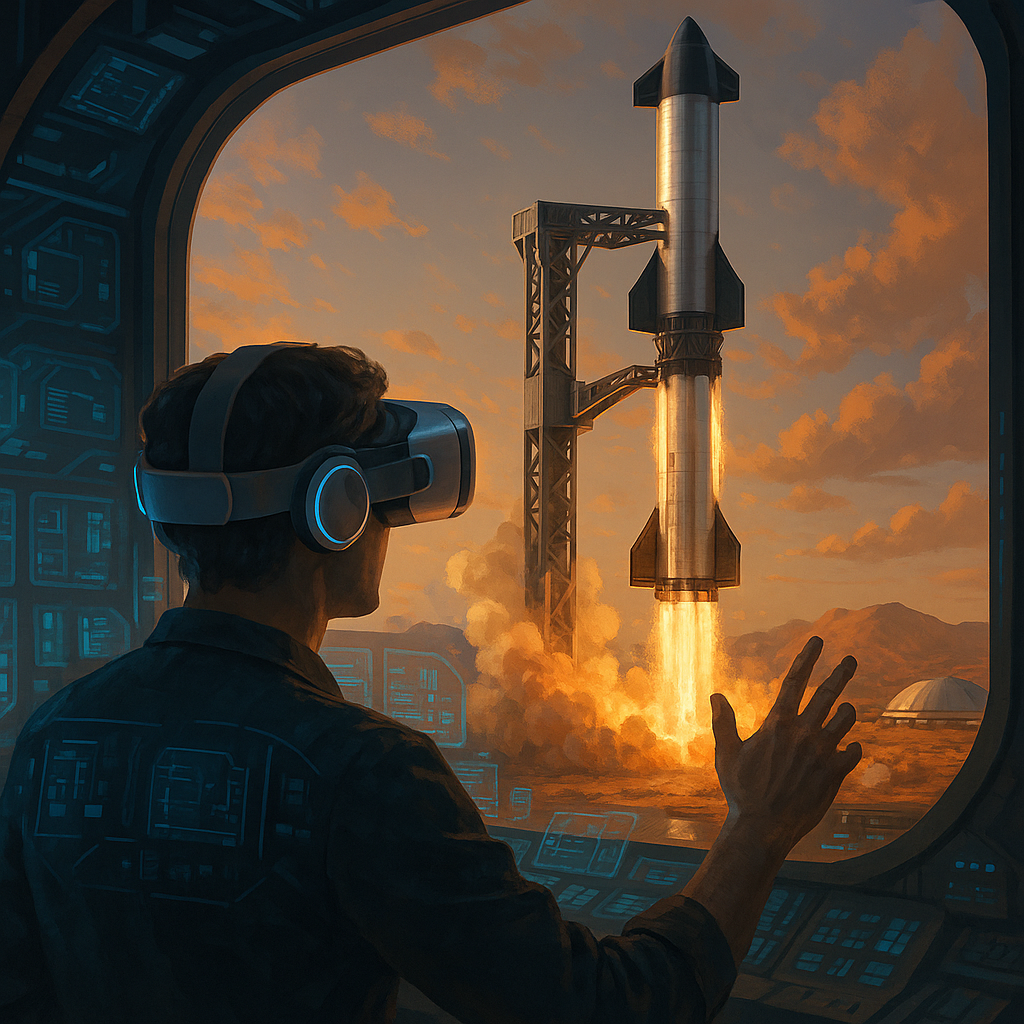
Provocation alert: SpaceX's Starship test, with its audacious booster grab, is basically flirting with XR, whispering, "Let's make living solutions out of this world—literally." Fun relationship? While Starship catapults us toward multi-planetary life, XR sneaks in as the virtual shortcut, letting us beta-test Mars pads from our sofas. Relevance shines in potential widespread adoption—Starship's reusability slashes costs, mirroring XR's push for affordable devices to mass-market virtual living. Technological ties: advanced simulations in XR could model Starship trajectories, aiding design. Market impact includes boosted investments in XR firms, like Pico challenging Meta. Culturally, it's a zeitgeist moment; space dreams fuel XR narratives, sparking ethical talks on escapism vs. reality. Accessibility advancements mean XR apps for the disabled to "explore" space, enhancing daily living. Hypothetically, a remote worker uses MR to turn their home office into a Starship control room, blending work and wonder. Peripherals: gaming with VR space operas, competing with titles like Kerbal Space Program. Education via AR textbooks on aerospace, interactive and engaging. Healthcare's XR pain management, extended to space med sims. Entertainment in mixed reality theaters showing Starship docs. Emerging trends like eye-tracking in headsets improve immersion, relevant to pilot training. Social debates on XR addiction parallel space isolation risks. Historical precedents from early VR experiments at NASA show long-standing ties. Competing companies like Microsoft HoloLens offer enterprise XR for space planning. Real-world apps in energy sectors use XR for grid simulations, akin to Mars power setups. Innovation through blockchain in XR for virtual land ownership on simulated planets. Provocatively, what if XR reveals colonial pitfalls through immersive histories? Analogies: like e-books revolutionized reading, XR revolutionizes exploration. Factual from Reuters reports on the test emphasize its milestone status, inspiring XR integrations. Media uses XR for journalism, virtual tours of launch sites. Gaming trends toward open-world space, fostering creativity. Ethical implications include data security in shared virtual spaces. Adoption barriers fall as Starship proves viability, encouraging XR in everyday solutions. Socially, it connects global users in virtual watch parties. This link is engagingly fun, turning Starship's feat into an XR playground for innovative living.
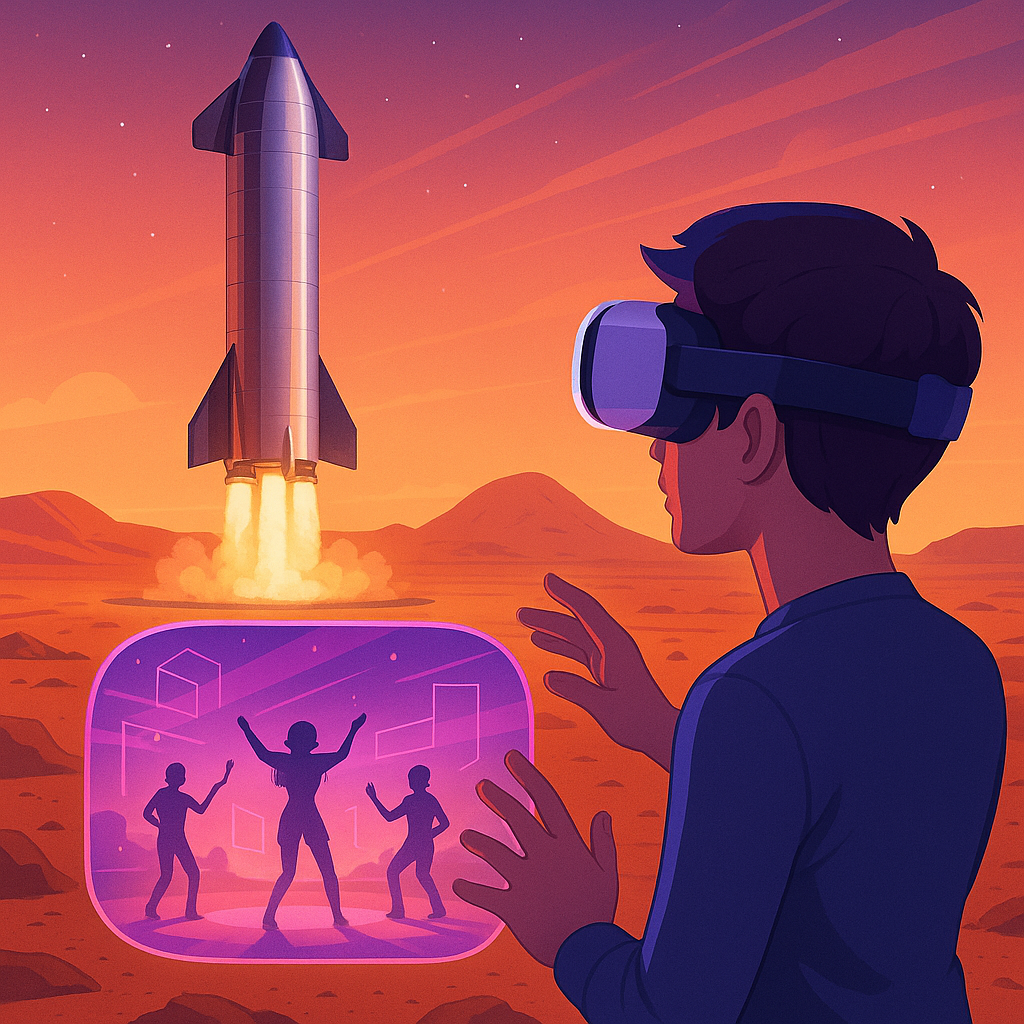
Finally, let's amp the provocation—SpaceX's Starship catch is a bold wink at XR, saying, "You handle the fantasies; I'll deliver the reality," crafting a tantalizing duo for next-gen living solutions. Fun twist: as Starship eyes Mars bases, XR lets us party there virtually first, testing wild habitat ideas without the radiation risks. Relevance via ethical implications—XR could simulate societal collapses on Mars, prompting real debates on sustainable living. Technological breakthroughs: Starship's heat shield tech inspires XR haptics for extreme environment feels. Market-wise, it could surge XR content creation, with indie devs rivaling big names. Cultural significance lies in reigniting wonder, where XR amplifies space lore. Accessibility through mobile AR apps brings this to smartphones, not just high-end gear. Hypothetically, urban planners use XR to model Earth homes inspired by Mars efficiency, revolutionizing living. Peripherals: gaming ecosystems like Roblox host space builds, tying to Starship. Education with VR field trips to orbit. Healthcare's telepresence for remote care, like Mars missions. Entertainment via immersive podcasts on space tech. Trends in 5G-enabled XR streaming enhance live event sharing. Social/ethical debates on virtual inequality mirror space access issues. Competing devices like Quest 3 push boundaries with mixed reality passthrough. Real-world in retail: XR shopping for space gear. Innovation with AI companions in XR for lonely explorers. Provocatively, XR might eroticize space in adult content, a dark theme extension. Analogies: as cars shrunk distances, XR shrinks galaxies. Factual accuracy from official SpaceX announcements grounds this. Media integrations see XR news filters. Gaming with procedural Mars gens. Ethical dark sides include misinformation in virtual sims. Adoption accelerates as Starship normalizes space, XR normalizes virtuality. Socially, it fosters empathy through shared immersions. This relationship is insightfully fun, bridging Starship's hardware heroics with XR's software sorcery for evolved living solutions.
AI Generated. AI-Human Verified.