Table of Contents
Singapore’s Distinctive Urban Quality
The Engagement Approach: Community Building and Placemaking
XR Tools That Make Participation Tangible
How a Resident Engages and Creates Change
From One Estate to Healthier Cities
Singapore’s Distinctive Urban Quality
More than 80 percent of Singaporeans live in high-rise public housing known as HDB flats, where compact vertical neighborhoods create both convenience and the risk of weaker neighborly bonds if shared spaces are not thoughtfully activated.
Official planning documents highlight how rapid growth and smaller apartments can reduce casual daily interactions unless communities deliberately build places for people to meet and feel they belong, drawing on Singapore’s longstanding HDB model that mixes incomes and ethnic groups to foster cohesion.
The Urban Redevelopment Authority’s master plans identify this cohesion gap as key to lasting livability, stressing that successful estates thrive when residents help shape their surroundings instead of depending only on top-down designs.
The Engagement Approach: Community Building and Placemaking
Placemaking invites neighbors to collaborate on designing, activating, and caring for small public spots such as void decks under HDB blocks, rooftop gardens, and pocket parks right in their own estates, turning empty areas into welcoming hubs.
This hands-on method differs from formal voting or broad campaigns by focusing on practical teamwork: residents spot underused corners, suggest simple upgrades like seating or greenery, and carry out changes that boost everyday connections, as seen in initiatives like the Lively Places Programme.
Working estate by estate lets participants witness quick, visible results that build trust and encourage ongoing involvement across projects.
XR Tools That Make Participation Tangible
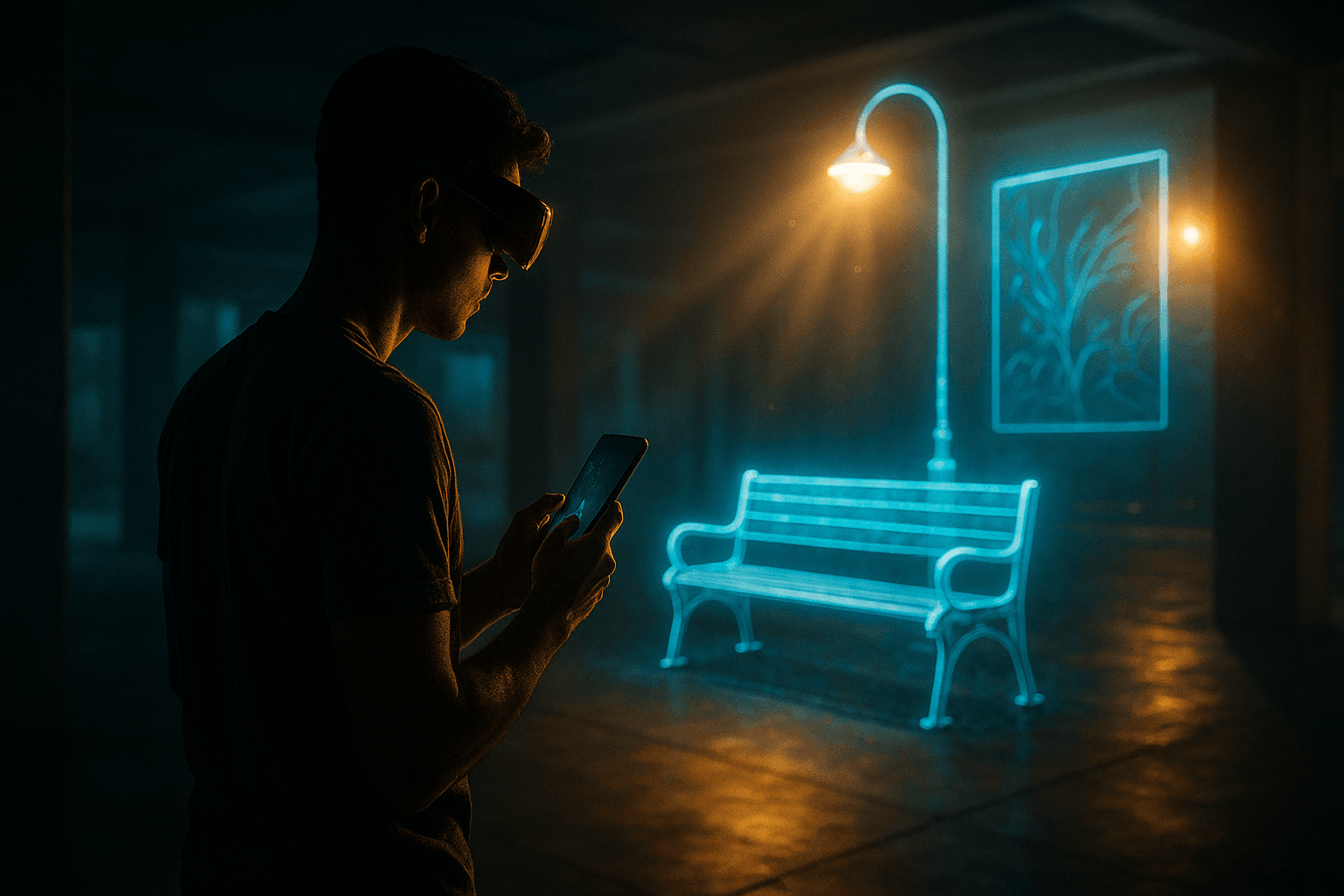
Augmented reality apps from Singapore’s Smart Nation efforts let residents stand in a void deck and use a smartphone or lightweight headset to preview proposed seating, lighting, or community art overlaid on the real space, making ideas feel immediate and real.
Virtual reality workshops run by the Housing & Development Board bring neighbors together in a digital copy of their estate, where they can walk through design choices, tweak elements live, and have preferences noted by a facilitator, drawing on tools like those explored in participatory VR design sessions.
These XR experiences welcome busy families and older residents who struggle with evening meetings, while delivering clearer input than surveys because people experience proposed changes at human scale.
How a Resident Engages and Creates Change
Take Priya, a longtime Toa Payoh resident who sees the ground-floor courtyard between two blocks sitting empty after dark despite its central spot. She opens the official MyHDB AR app, scans the area, and places virtual picnic tables, native plants, and motion lights that fit the estate’s style.
She shares the AR view with neighbors through a simple link; others contribute ideas like a community notice board. Within weeks the group joins a VR co-design session to refine the plan and choose materials together.
The finished idea reaches the estate management committee backed by visuals and wide support, speeding up funding approval because the XR evidence shows both resident commitment and workable details.
From One Estate to Healthier Cities
When residents like Priya use XR tools to shape nearby spaces, involvement moves from occasional feedback to steady stewardship that strengthens social ties and eases isolation in dense high-rise living.
Each completed project brings more greenery, safer evening activity, and casual gathering spots that support mental well-being and connections across generations, aligning with broader urban goals for livable neighborhoods.
Applied across Singapore’s estates, this XR-supported approach shows how targeted resident engagement can turn official cohesion plans into everyday reality, giving people real say over the urban environment that affects their daily health and happiness.