Table of Contents
The City and Its Housing Challenge
Community Engagement Through Participatory Planning
How XR Transforms Resident Participation
Realistic Actions and Measurable Impacts
Broader Implications for Resident Agency and Urban Health
The City and Its Housing Challenge
Pueblo, Colorado, faces ongoing needs for affordable housing and fair access to safe homes, as outlined in its 2025-2030 Consolidated Plan and Analysis of Impediments to Fair Housing Choice. This plan helps guide how the city spends federal grants to support local communities.
Residents and workers have highlighted affordable housing as a major concern, especially units designed for seniors and people with disabilities. The plan directs roughly $1.4 million each year in Community Development Block Grant funding and $670,000 in HOME Investment Partnerships funding across five years to address these issues.
Challenges arise from past underinvestment in some neighborhoods, rising costs, and barriers related to race, disability, or income. City resources stress the need for inclusive housing approaches that keep Pueblo’s character while filling these gaps, with data showing many low-income households face high rent burdens.
Community Engagement Through Participatory Planning
Participatory planning brings residents into decisions about housing and community projects through surveys, workshops, and direct feedback.
City efforts use anonymous online surveys and public meetings to collect real experiences with housing problems, discrimination, and priorities. This approach ensures plans reflect what people actually need instead of top-down ideas.
Focusing on resident input during the Consolidated Plan process builds community ownership and uncovers practical solutions suited to Pueblo’s varied neighborhoods.
How XR Transforms Resident Participation
Extended reality tools, especially augmented reality (AR) and virtual reality (VR), improve participatory planning by letting people see and interact with proposed housing projects and neighborhood changes in realistic, hands-on ways.
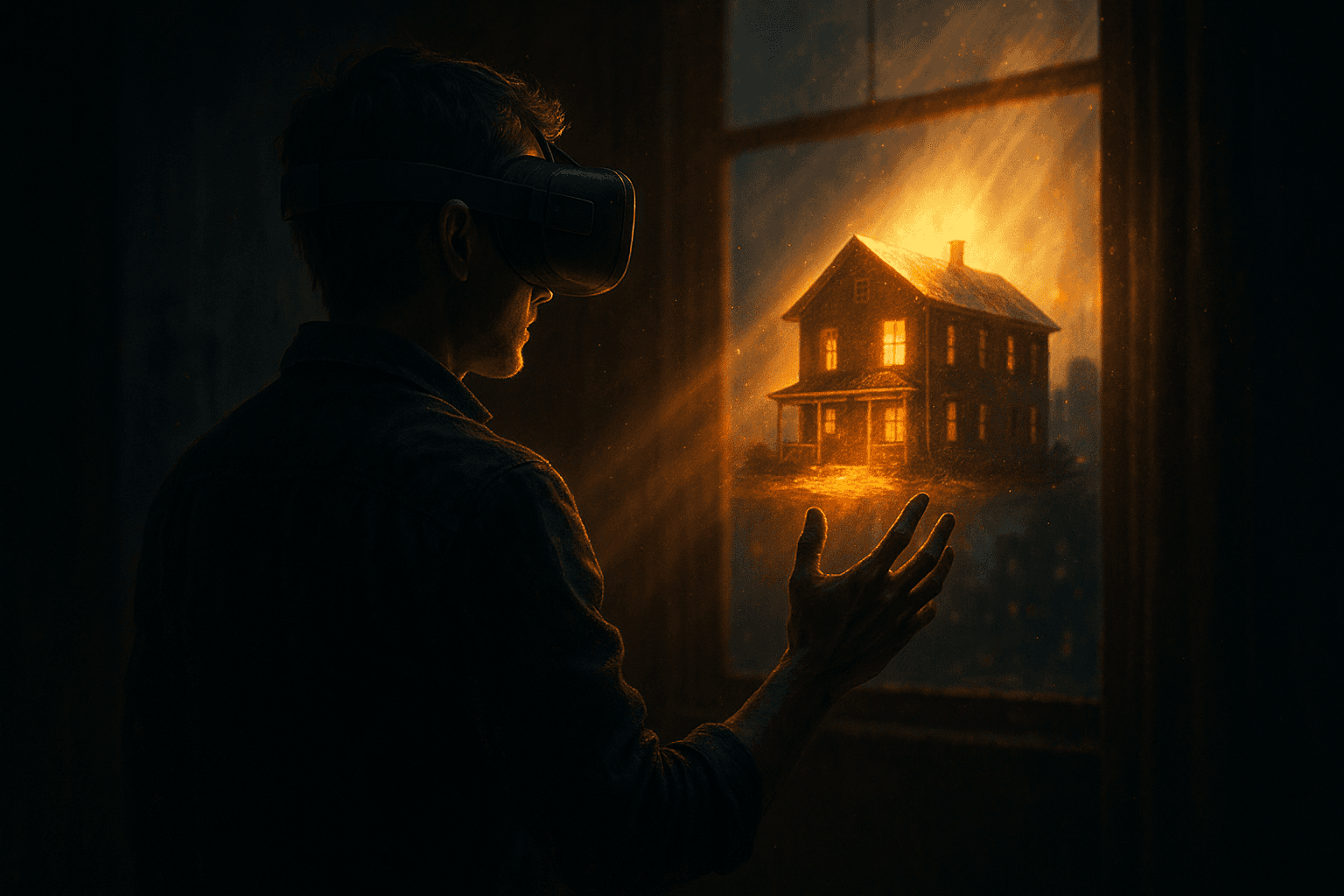
In workshops, residents use VR headsets or AR apps on tablets to explore virtual models of new affordable homes, green spaces, or accessibility features placed right on actual city streets. This turns abstract maps into clear experiences of size, light, and movement.
XR makes participation easier for people with mobility issues or vision challenges, capturing feedback that standard methods might overlook. It connects directly to housing goals by letting users test designs for senior-friendly features or disability accommodations, drawing from real examples like AR toolkits used in community design sessions.
Realistic Actions and Measurable Impacts
A Pueblo resident could join an evening workshop at the community center, where planners show an AR app that places a new mixed-income development onto a nearby vacant lot. They tweak virtual ramps or gardens based on their own experience and send instant feedback.
Someone unable to attend in person due to disability can participate through a VR session from home, viewing proposed interiors and streets to share thoughts on safety and ease of use. These insights help update the plans with practical details.
Results include better-targeted funding, stronger trust in city processes, and quicker progress on viable projects, helping deliver accessible homes while strengthening neighborhood ties.
Broader Implications for Resident Agency and Urban Health
The Pueblo example shows how XR-supported planning gives residents more say by turning complex decisions into relatable experiences. People shift from watching on the sidelines to helping shape their surroundings.
This supports urban health by treating housing as key to well-being, lowering risks of displacement, and creating spaces that work for different abilities and backgrounds. It also raises points about expanding these tools fairly while protecting privacy and access.
Bringing XR into civic efforts like Pueblo’s moves toward healthier, more inclusive cities where technology helps amplify community voices.