Table of Contents
Introduction: A Resident's Connection to Pittsfield's Open Spaces
Pittsfield's Distinctive Need: Open Space and Recreation
Core Engagement Approach: Community-Based Participatory Planning
How XR Transforms Participation in Planning
A Layered Narrative of Resident Action and Impact
Broader Implications for Agency and Urban Health
Introduction: A Resident's Connection to Pittsfield's Open Spaces
Pittsfield, Massachusetts, nestled in the Berkshire Hills, faces a pressing need for expanded and accessible open spaces amid its evolving urban landscape. Local residents like longtime homeowner Maria Gonzalez actively shape these environments through structured public processes. Extended reality technologies now amplify their voices, turning abstract plans into vivid, interactive experiences that deepen civic involvement.
Pittsfield's Distinctive Need: Open Space and Recreation
Official city documents highlight a clear gap in recreational infrastructure. The ongoing 2025 Master Plan Update emphasizes open space, recreation, and natural resources as priority areas for physical development. Community surveys conducted alongside the plan reveal residents' desire for more accessible parks, trails, and gathering spots, especially in denser neighborhoods.
This need stems from Pittsfield's mix of historic mill districts and growing suburban edges, where green spaces support mental health, physical activity, and social cohesion. The city's Capital Improvement Plan further underscores investments in parks to address these gaps, drawing from recognized studies on urban livability. The Open Space & Recreation Plan (OSRP) is also being updated with public input on these priorities.
Core Engagement Approach: Community-Based Participatory Planning
Residents engage through structured public workshops, surveys, and feedback sessions integrated into the master planning process. This approach ensures that everyday voices directly influence decisions on park locations, designs, and maintenance priorities.
City-led initiatives, such as those tied to the Master Plan, invite broad participation via town halls and online portals. Participants review proposals, share local knowledge, and vote on priorities, fostering ownership over shared resources.
How XR Transforms Participation in Planning
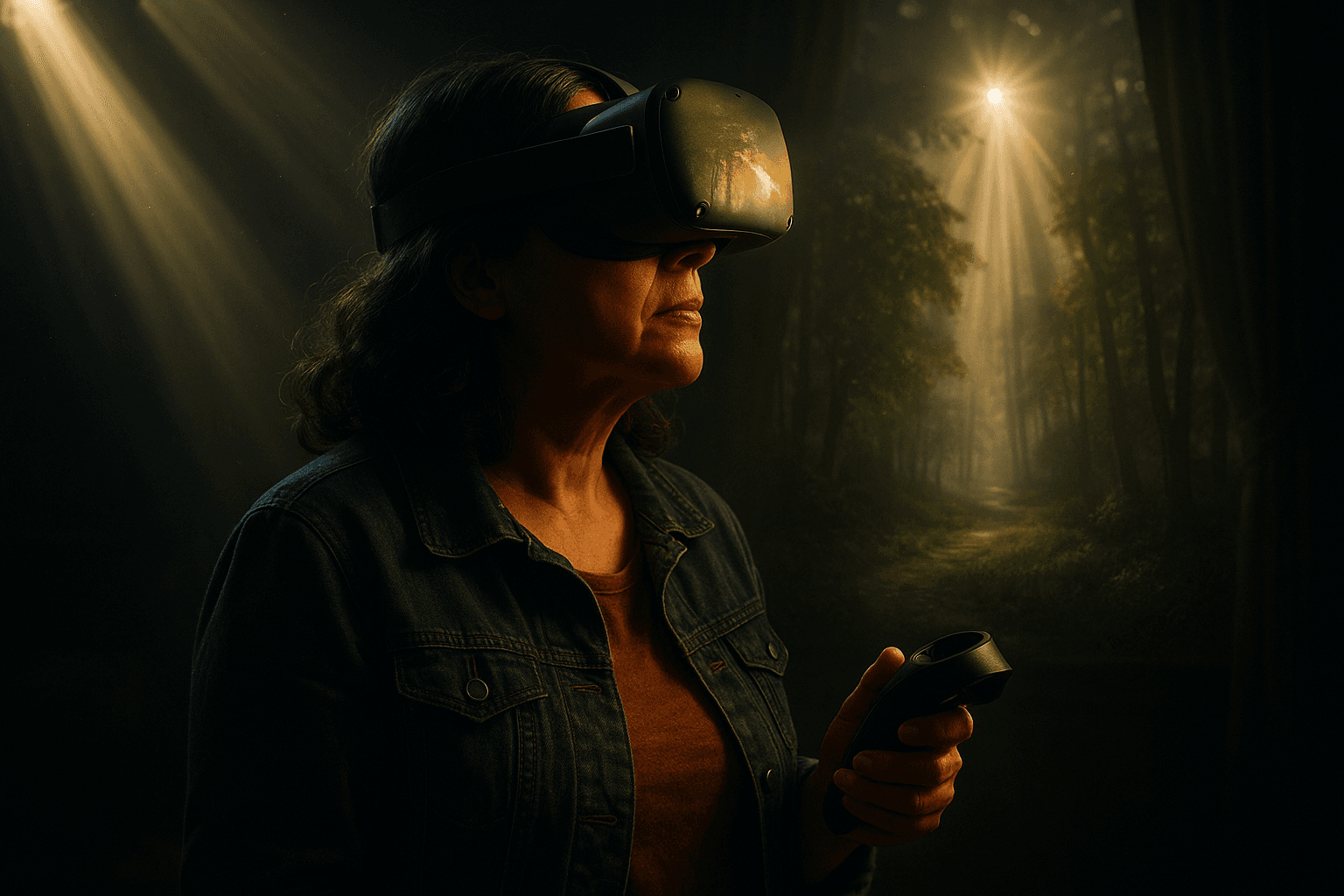
Extended reality tools, including augmented reality overlays on mobile devices and virtual reality walkthroughs, allow residents to experience proposed park designs in their actual neighborhoods. During workshops, participants don VR headsets to walk through simulated trails or use AR apps to visualize new playgrounds on existing lots.
These technologies make complex planning documents tangible, enabling precise feedback on elements like accessibility ramps or native plantings. By bridging the gap between 2D maps and lived experience, XR increases attendance and the quality of input at community sessions.
A Layered Narrative of Resident Action and Impact
Maria Gonzalez, a Pittsfield resident for fifteen years, begins her engagement by attending a hybrid workshop hosted by the Department of Community Development. She reviews printed summaries of the open space assessment before switching to an AR app on her tablet that projects potential trail connections onto the real view of her street.
In the VR segment, she navigates a proposed riverside park, noting sightlines and seating that would encourage evening gatherings. Her comments, logged in real time through the platform, highlight needs for shaded areas suited to families with young children, directly shaping revisions to the draft plan.
Follow-up surveys distributed via the city's portal allow her to rank options alongside neighbors. The process builds on earlier capital planning efforts, where similar input led to recent park upgrades. XR elements reduce barriers for those unable to attend in person, such as parents or shift workers, by offering recorded virtual sessions.
Outcomes include refined site selections that prioritize equity across wards. Maria later joins a volunteer steering committee, applying insights from the XR visualizations to advocate for inclusive features like sensory gardens.
Broader Implications for Agency and Urban Health
This Pittsfield example illustrates how targeted XR integration strengthens resident agency within participatory planning. By making abstract needs concrete, these tools cultivate deeper investment in local outcomes and support healthier, more resilient communities.
As cities nationwide grapple with similar recreation deficits, scalable XR approaches could redefine civic engagement, ensuring plans reflect diverse lived realities rather than top-down assumptions.