Table of Contents
Duluth, Minnesota: A City Shaped by Its Waterfront
The Pressing Need for Housing Revitalization
Community-Driven Participatory Planning as the Core Approach
XR Technologies Transforming Resident Participation
Realistic Actions, Tangible Impacts, and Deeper Agency
Connecting Local Engagement to Urban Health and Resident Power
Duluth, Minnesota: A City Shaped by Its Waterfront
Duluth sits along the western shore of Lake Superior, where the city’s identity has long been tied to its port, industry, and dramatic natural setting. Official city documents highlight how this location creates both opportunities and pressures for growth.
Residents navigate seasonal extremes and a compact urban footprint that blends historic neighborhoods with industrial legacies. These factors shape daily life and long-term planning priorities.
The Pressing Need for Housing Revitalization
One distinctive quality of Duluth is the urgent need for housing revitalization amid aging stock and rising demand, as outlined in the city’s Big 5 Action Plan. This strategy identifies housing as a top priority for economic strength and quality of life, aiming to add 1,500 new residential units through infill and redevelopment while addressing a critical shortage of roughly 5,000 units over five years.
Official reports note pressures from population stability goals and the desire to retain young families while attracting newcomers. The need centers on updating existing structures and adding thoughtfully designed new units without displacing communities, supported by updates to the Unified Development Code that ease building rules and promote mixed-use projects.
Community-Driven Participatory Planning as the Core Approach
The chosen engagement approach is community-driven participatory planning, where residents actively shape housing proposals through structured input processes. This method draws directly from Duluth’s planning traditions that emphasize local voices in decision-making, as seen in neighborhood efforts like those in Lincoln Park.
Residents attend workshops, review site plans, and provide feedback on designs that affect their blocks and neighborhoods. The approach builds ownership by treating citizens as co-creators rather than passive recipients of development, fostering trust and reducing typical project delays.
XR Technologies Transforming Resident Participation
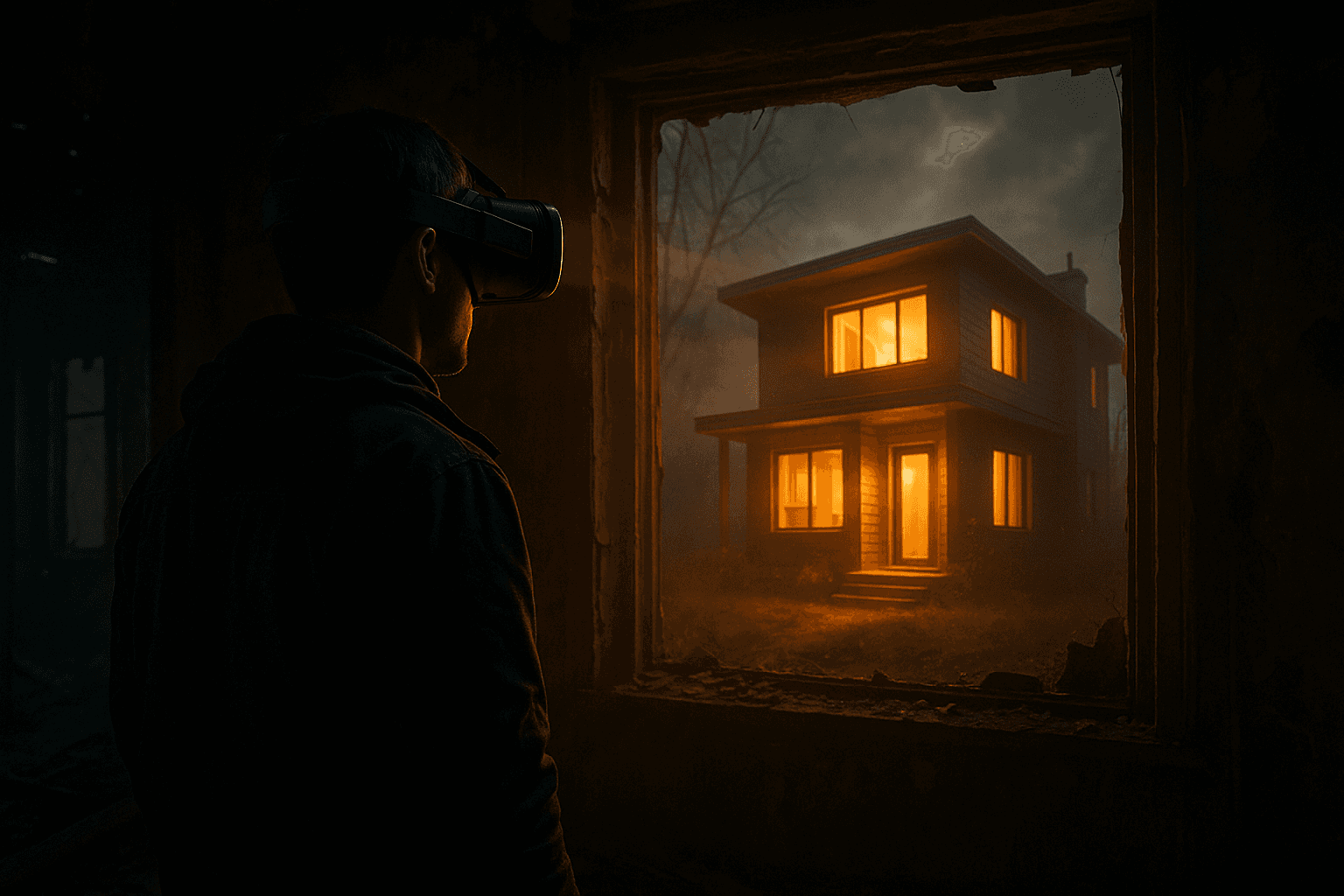
Extended Reality tools enhance this participatory planning by letting residents experience proposed housing changes in immersive, realistic ways before construction begins. Augmented reality overlays allow users to view virtual buildings on actual streets using mobile devices during site visits, while virtual reality sessions in community centers enable people to walk through scaled models of new developments, adjusting elements like building height or green space in real time.
City planners integrate XR into existing public meetings, where participants don headsets or use apps to explore options collaboratively. Feedback collected during these sessions informs revisions more precisely than traditional drawings or renderings alone. Research shows XR improves spatial understanding and decision-making in urban projects by offering first-person perspectives at realistic scale.
Realistic Actions, Tangible Impacts, and Deeper Agency
A typical resident, such as a longtime homeowner in Duluth’s Lincoln Park neighborhood, might join an XR-enabled workshop focused on infill housing along a nearby corridor. They don an AR headset to see how a proposed mixed-use building would appear from their front porch, noting sightlines and shadow patterns.
Through iterative sessions, the resident suggests adjustments to include more ground-floor retail or native landscaping, changes that planners incorporate into final designs. This process increases trust and reduces opposition that often stalls projects. Outcomes include faster approvals for revitalized units and stronger neighborhood cohesion, as measured in follow-up city surveys, while XR lowers barriers for participation by accommodating different schedules and physical abilities through at-home virtual options.
Connecting Local Engagement to Urban Health and Resident Power
This focused example in Duluth illustrates how XR-supported participatory planning around housing revitalization strengthens resident agency. People move from commenting on plans to actively shaping them, fostering a sense of ownership that supports long-term urban vitality.
Broader questions arise about scaling such tools across cities while ensuring equitable access. When XR deepens engagement in one critical quality like housing, it contributes to healthier, more responsive urban environments where residents feel empowered to influence their shared future, as XR applications demonstrate value in real estate customization and collaborative planning.